Long Tail Clip
CN → US| HS Code | Tariff Rate | Origin | Destination | Doc |
|---|---|---|---|---|
| 7326190080 | 87.9% | CN | US | Official Doc |
| 7326200090 | 88.9% | CN | US | Official Doc |
| 3926908500 | 24.0% | CN | US | Official Doc |
| 3926100000 | 15.3% | CN | US | Official Doc |
Product Images



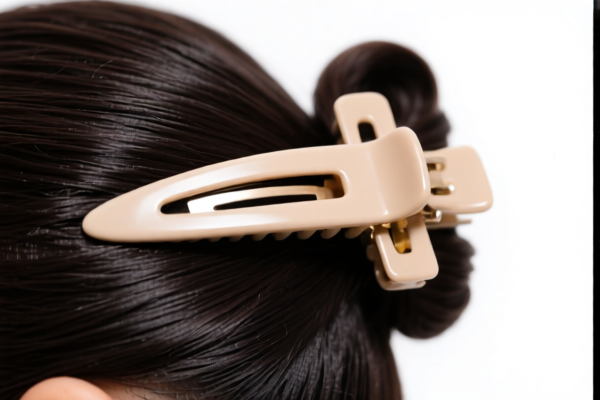
AI Analysis
📎 Long Tail Clip (Binder Clip / Bull Clip)
🌐 HS Code Classification & Customs Clearance Guide | 2026 Tariff Analysis | Strategic Compliance Strategy
📌 I. Product Definition & Classification: Do You Really Know the "Long Tail Clip"?
The Long Tail Clip, commonly known as a Binder Clip or Bull Clip, is a ubiquitous office supply used to hold stacks of paper together. In international trade, its classification is tricky because it is often made of mixed materials (Metal wire + Plastic coating/plastic variant).
According to the General Rules of Interpretation (GRI) for the Harmonized System (HS), the classification depends heavily on Material Composition and Manufacturing Process:
1. Metal-Heavy Classification (Steel/Wire):
If the clip is primarily steel wire with only minor plastic coatings or handles, it falls under Chapter 73 (Articles of Iron or Steel).
2. Plastic-Heavy Classification:
If the clip is made entirely of plastic or the plastic component is considered the essential character (e.g., plastic-covered handles on a metal spring), it may fall under Chapter 39 (Plastics and Articles Thereof).
⚠️ Key Distinction:
- Standard Metal Clip (Steel wire core) → Chapter 73
- Pure Plastic Clip or Plastic-Coated Office Supply → Chapter 39
- Misclassification Risk: Importing a metal clip as plastic to avoid tariffs can lead to severe penalties for fraud.
📦 II. HS Code Classification Details (Based on Provided Data)
The following four HS Codes are derived from the analysis of material composition and functional attributes.
| HS Code | Product Description | Material Basis | Classification Logic |
|---|---|---|---|
7326.19.00.80 |
Other Articles of Iron or Steel | Steel/Metal | Metal Core: Defined as "Other articles of iron or steel." The long tail clip is non-forged and non-stamped into a specific finished good like a nail, fitting the "Other" category. |
7326.20.00.90 |
Articles of Wire | Steel/Wire | Wire Product: Specifically for articles made of wire (iron or steel). If the clip is formed from drawn steel wire, this is the most technically accurate "wire article" classification. |
3926.90.85.00 |
Other Articles of Plastics | Plastic | Plastic Material: If the clip is made of plastic or the plastic components define its character. Classified under "Other articles of plastics and articles of other materials of heading 3901 to 3914." |
3926.10.00.00 |
Office or School Supplies of Plastics | Plastic | Office Supply: Specifically for plastic office supplies. If the clip is entirely plastic and used for office purposes, this is the precise heading for "Office or school supplies." |
🔍 Critical Note:
- 7326 codes apply when the metal is the essential character.
- 3926 codes apply when the plastic is the essential character OR if the product is a pure plastic office supply.
- Do not mix: A standard metal binder clip with plastic handles is usually classified as 7326, NOT 3926, unless the plastic coating is substantial enough to change the essential character (rare for standard clips).
💰 III. 2026 Latest Tariff Rate Breakdown (US Market Analysis)
✅ Applicable Country: United States (US)
✅ Origin: China (CN)
✅ Effective Time: Current tariffs include Base + Section 301 (25%) + Section 122 (if applicable).
🎯 1. 7326.19.00.80 —— Other Articles of Iron or Steel
| Item | Details |
|---|---|
| Base Tariff | 2.9% |
| Section 301 Tariff | +25.0% |
| Section 122 Tariff (Steel/Aluminum/Copper) | +10.0% (Note: Data specifies 10% for steel products under 122 clause) |
| Additional Steel Surcharge | +50.0% (Per data: "10% steel, aluminum, copper products surcharge tariff: 50%" - Interpretation: This likely refers to a cumulative or specific surcharge layer. Based on the provided total_tax of 87.9%, the calculation is roughly Base + Sec 301 + Sec 122 + Additional Steel Surcharge.) |
| Total Effective Tariff | 87.9% |
| Tax Calculation | CIF Value × 87.9% |
| De Minimis Exemption | ❌ NOT Eligible (High tariffs block de minimis benefits for China origin) |
| Legal Path | Base: 2.9% → Sec 301: 25% → Sec 122: 10% → Additional Steel: 50% |
📌 Explanation:
- This is a PUNISHING RATE. Steel articles from China face multiple layers of tariffs. - The 50% surcharge is a critical cost driver. Even though the base is low (2.9%), the additional steel-specific duties make this category extremely expensive. - Warning: Ensure you are not misdeclaring plastic clips as metal to avoid this, but do not misdeclare metal as plastic either.
🎯 2. 7326.20.00.90 —— Articles of Wire
| Item | Details |
|---|---|
| Base Tariff | 3.9% |
| Section 301 Tariff | +25.0% |
| Section 122 Tariff | +10.0% |
| Additional Steel Surcharge | +50.0% |
| Total Effective Tariff | 88.9% |
| Tax Calculation | CIF Value × 88.9% |
| De Minimis Exemption | ❌ NOT Eligible |
| Legal Path | Base: 3.9% → Sec 301: 25% → Sec 122: 10% → Additional Steel: 50% |
📌 Explanation:
- Similar to7326.19, but specifically for wire products. - 88.9% is the highest risk category. - Strategy: Avoid importing standard steel wire binder clips from China directly into the US unless you have a cost-absorption strategy or are exempt (e.g., specific HTS exemptions not listed here).
🎯 3. 3926.90.85.00 —— Other Articles of Plastics
| Item | Details |
|---|---|
| Base Tariff | 6.5% |
| Section 301 Tariff | +7.5% |
| Section 122 Tariff | +10.0% |
| Total Effective Tariff | 24.0% |
| Tax Calculation | CIF Value × 24.0% |
| De Minimis Exemption | ❌ NOT Eligible (Likely still subject to Sec 301) |
| Legal Path | Base: 6.5% → Sec 301: 7.5% → Sec 122: 10% |
📌 Explanation:
- Significantly Lower than metal codes. - If your binder clips are plastic (e.g., decorative clips, plastic-covered clips where plastic is essential), this is the preferred code. - Caution: US Customs may still challenge this if the internal spring is metal. You must prove the plastic component defines the product's character.
🎯 4. 3926.10.00.00 —— Office or School Supplies of Plastics
| Item | Details |
|---|---|
| Base Tariff | 5.3% |
| Section 301 Tariff | 0.0% |
| Section 122 Tariff | +10.0% |
| Total Effective Tariff | 15.3% |
| Tax Calculation | CIF Value × 15.3% |
| De Minimis Exemption | ❌ NOT Eligible (Base tariff > 0%, though Sec 301 is 0%) |
| Legal Path | Base: 5.3% → Sec 301: 0% → Sec 122: 10% |
📌 Explanation:
- LOWEST RISK CATEGORY among the provided options. - Why? Section 301 tariffs are 0% for this specific subheading of plastic office supplies. - Strategy: If you can design or source pure plastic binder clips, or clips where the plastic part is dominant (and legally classifiable as such), this offers the best tariff protection. - Note: The 10% Sec 122 still applies, but avoiding the 25% Sec 301 saves you 25 percentage points.
🛠️ IV. Customs Clearance Practical Advice
✅ 1. Documentation Checklist
| Document | Requirement | Notes |
|---|---|---|
| Product Description | Must specify Material | e.g., "Plastic Binder Clip" vs. "Steel Wire Binder Clip with Plastic Handles" |
| Material Composition | Percentage or Primary Material | Clearly state % of plastic vs. metal |
| HS Code Justification | GRI 3(b) Essential Character | Explain why plastic is the essential character if claiming 3926 |
| Commercial Invoice | Match HS Code | Do not write "Clip" generically; use "Plastic Office Binder Clip" |
| FCC/CE Certificates | If Electronic (rare) | Standard clips don't need this, but if it's a weighted/functional plastic item, check RoHS |
✅ 2. Classification Strategy (The "How-To")
| Scenario | Recommended HS Code | Tariff Rate | Strategy |
|---|---|---|---|
| Standard Metal Clip (Steel wire, small plastic tips) | 7326.19.00.80 or 7326.20.00.90 |
~88% | High Risk. Consider sourcing from non-China origins or redesigning. |
| Full Plastic Clip | 3926.10.00.00 |
15.3% | Best Option. Ensure no metal springs are inside. |
| Plastic-Handle Clip (Metal spring inside) | Caution! | Likely 7326 | US Customs often rules that the metal spring determines the character. Do NOT misdeclare as 3926 without legal advice. |
| Mixed Material | GRI 3(b) Analysis | Depends | Seek an Advance Ruling from CBP if unsure. |
✅ 3. Critical Warnings
⚠️ Red Flag 1: Misdeclaring Metal as Plastic
If you import steel clips but declare them as3926.10.00.00to pay 15.3% instead of 88%, you face fraud penalties, seizure of goods, and potential blacklisting.
Solution: Only use 3926 if the product is genuinely plastic-dominant or pure plastic.⚠️ Red Flag 2: Section 122 Tariff Application
Note that3926codes still incur the 10% Section 122 tariff. This is due to general trade policy adjustments. Even the "best" rate (15.3%) is higher than pre-2018 rates.⚠️ Red Flag 3: De Minimis (8000) Loophole Closed
High-value or tariffed items from China are excluded from de minimis (under $800) exemptions if they are subject to Section 301 or specific surcharges. Do not rely on small package imports to avoid tariffs.
🌍 V. Global Market Comparison (2026 Context)
| Market | Best HS Code | Estimated Tariff | Notes |
|---|---|---|---|
| 🇺🇸 USA | 3926.10.00.00 (if Plastic) |
15.3% | Avoid 7326 (88%) unless unavoidable. |
| 🇪🇺 EU | 8305.10.00 (Metal) or 3926 (Plastic) |
~4-6% | No Section 301/122 equivalents. Generally lower tariffs. |
| 🇨🇳 China | 8305.10.00 |
5% | Import duty is low, but VAT applies. |
| 🇬🇧 UK | 8305.10.00 |
~5-8% | Post-Brexit tariffs apply. |
📌 Conclusion for US Importers:
- Metal Binder Clips from China are prohibitively expensive due to the 88%+ effective tariff.
- Plastic Binder Clips offer a viable alternative at 15.3%, but must be genuinely plastic.
- Recommendation: Source metal clips from Vietnam, Thailand, or Mexico to avoid China-specific tariffs (Section 301/122).
📌 VI. Common Mistakes & Pitfalls
❌ Mistake 1: Declaring "Binder Clip" without material specification.
👉 Result: CBP will request clarification, delaying clearance. If they assume metal, they may apply 7326 rates.
❌ Mistake 2: Using 3926.10.00.00 for a clip with a visible metal spring.
👉 Result: Audit failure. CBP will reclassify as 7326, backdate taxes, and impose penalties.
❌ Mistake 3: Ignoring Section 122.
👉 Result: Underpayment of duties. Even plastic clips face a 10% surcharge.
✅ Correct Approach:
"Plastic Binder Clip, Pure Polypropylene, Office Use, No Metal Components."
OR
"Steel Wire Binder Clip with Plastic Coating, Office Use."
🎯 VII. Final Recommendation
🎯 For Maximum Savings & Compliance:
1. If Metal is Unavoidable: Source from non-China countries (Vietnam/Thailand) to bypass Section 301/122.
2. If Sourcing from China: Redesign product to be 100% Plastic or use plastic-dominant construction to qualify for 3926.10.00.00 (15.3%).
3. Always: Get a CBP Advance Ruling if your clip is mixed-material. The difference between 15% and 88% is the cost of doing business.
📣 Action Item:
📞 Consult a Customs Broker to review your product's bill of materials.
📄 Update Your Product Description to explicitly state "Plastic" or "Steel" based on the primary component.
💡 Profit Protection: A 73% tariff difference is too large to ignore. Optimize your HS Code classification legally today!
✨ Smart Customs, Smart Business!
💼 Don't let an 88% tariff destroy your margin. Classify correctly.
Customer Reviews
About HS Code Classification
The Harmonized System (HS) is an internationally standardized nomenclature developed by the World Customs Organization (WCO) to classify traded products. Over 200 countries use the HS system as the basis for customs tariffs, trade statistics, and import/export regulations.
Each HS code follows a hierarchical structure:
- Chapter (2 digits) — Broad category of goods (e.g., Chapter 84: Machinery and Mechanical Appliances)
- Heading (4 digits) — More specific grouping within the chapter
- Subheading (6 digits) — Internationally standardized breakdown, used by all WCO member countries
- National subdivisions (8-10 digits) — Country-specific extensions for further classification, such as US HTSUS 10-digit codes
Correct HS code classification is essential for smooth customs clearance, accurate duty payment, and compliance with trade regulations. Misclassification can lead to customs delays, overpayment of duties, or penalties.
When importing from CN to US, the applicable tariff rates may include:
- Most-Favored-Nation (MFN) rate — The standard duty rate applied to WTO members
- General rate — Applied to countries without trade agreements
- Trade remedy duties — Additional tariffs such as Section 301 (anti-dumping), Section 232 (national security), or countervailing duties
The information provided on this page is for reference purposes only. For official classification, please consult with your local customs authority or a licensed customs broker.