Loofah Decor
CN → US| HS Code | Tariff Rate | Origin | Destination | Doc |
|---|---|---|---|---|
| 3924905650 | 20.9% | CN | US | Official Doc |
| 3924901050 | 13.3% | CN | US | Official Doc |
| 4602900000 | 38.5% | CN | US | Official Doc |
| 4602198000 | 37.3% | CN | US | Official Doc |
Product Images
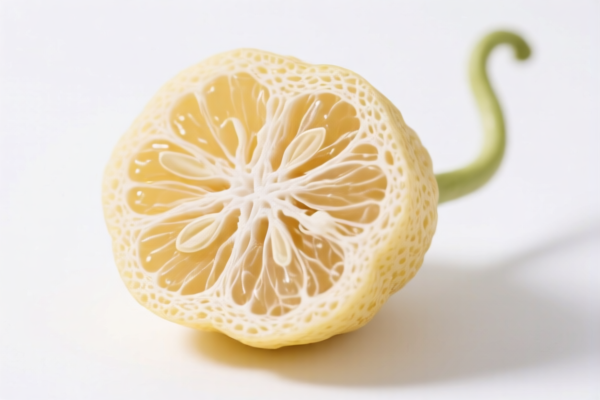
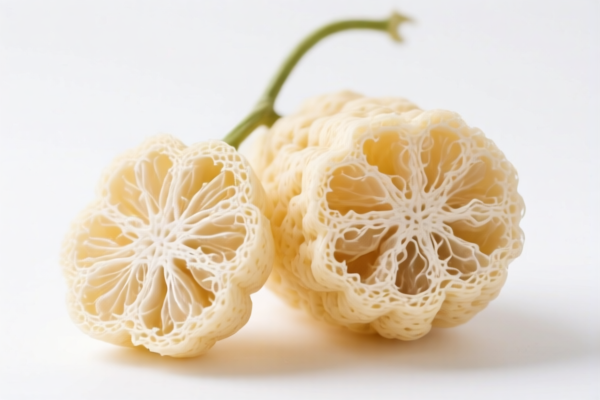
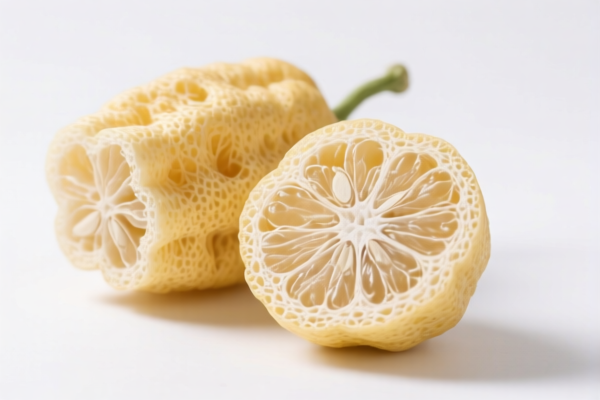
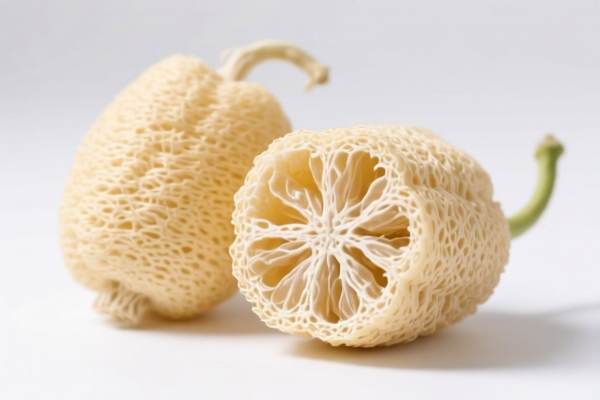
AI Analysis
🌿 Loofah Decor & Basketwork (Natural & Plaited Articles)
🌐 HS Code Reference & Customs Clearance Guide | 2026 Latest Tariff Analysis | Professional Clearance Strategy
📌 Part I: Product Definition & Classification: What Exactly is "Loofah Decor"?
"Loofah Decor" is a broad term that usually refers to decorative items made from natural plant fibers (Luffa/Loofah) or plaited vegetable materials. In international trade, the classification depends strictly on the material source and manufacturing process, not just the aesthetic appearance.
It is generally divided into two main categories:
- Natural Loofah/Vegetable Material Articles: Decorative items made directly from loofah sponges, dried vines, or other vegetable fibers.
- Plaited Basketry/Wickerwork: Items made by weaving plaiting materials (which may include loofah fibers, but also bamboo, rattan, etc.).
⚠️ Critical Distinction:
- If the item is purely natural loofah processed into shape → It likely falls under Heading 4602 (Basketwork...).
- If the item is plastic mimicking loofah texture (e.g., plastic sponges, plastic baskets) → It falls under Chapter 39.
- Key Factor: Is it a natural fiber? Is it woven/plaited?
📦 Part II: HS Code Classification Details (2026 Latest Tariff Authority Reference)
Based on the provided data, "Loofah Decor" maps to Heading 4602 (Basketwork, wickerwork...) or potentially Chapter 39 if misidentified as plastic. However, since the input is "Loofah Decor," we focus on the natural/plaited classifications provided in .
| HS Code | Product Description | Applicable Scenario | Material Basis |
|---|---|---|---|
4602.19.80.00 |
Basketwork, wickerwork... Of vegetable materials: Other: Other: Other: Other | Natural loofah sponges, dried gourd baskets, plant-fiber wall hangings | ✅ Vegetable/Natural |
4602.90.00.00 |
Basketwork, wickerwork... Other | Plaited loofah mats, decorative woven baskets using loofah or mixed natural fibers | ✅ Plaited/Natural |
3924.90.56.50 |
Tableware... of plastics: Other | ⚠️ Only if the item is PLASTIC imitating loofah (e.g., synthetic sponges, plastic kitchen decor) | ❌ Plastic |
3924.90.10.50 |
Tableware... of plastics: Curtains, napkins, furniture slipcovers | ⚠️ Only if the item is PLASTIC fabric-like decor (e.g., plastic lace, synthetic drapes) | ❌ Plastic |
🔍 Key Insight:
- True "Loofah Decor" (natural) belongs to 4602.
- If customs inspectors suspect the item is plastic (common with cheap imports), they may reclassify to 3924.
- Note: The provided includes plastic codes (3924). If your product is 100% plastic, use the 3924 codes. If it is natural loofah, use the 4602 codes. Do not mix them.
💰 Part III: 2026 Latest Tariff Rate Details (Detailed Breakdown)
✅ Applicable Country: United States (US)
✅ Origin: China (CN) (Assumed based on "Additional Tariff" context in DATA)
✅ Effective Date: 2025–2026 Current Regime
🎯 1. 4602.19.80.00 —— Natural Vegetable Material Loofah Decor (No Plaiting Structure or Specific Exclusion)
| Item | Content |
|---|---|
| Base Tariff | 0.0% (General Rate) |
| Additional Tariff (Section 301 / IEEPA) | 0.0% |
| Total Tax Rate | 0.0% |
| Tax Calculation | CIF Value × 0% = $0 |
| De Minimis Exemption | ✅ YES (Subject to current $800 threshold rules, but base rate is 0 anyway) |
| Legal Basis Path | USITC:4602.19.80.00 → FOOTNOTE:0 |
📌 Explanation:
- Natural loofah articles often benefit from 0% base duty.
- Crucially, in the provided , this code has 0% Additional Tariff. This is highly advantageous compared to many other Chinese imports.
- Ensure the product is 100% natural vegetable material to avoid reclassification to plastic.
🎯 2. 4602.90.00.00 —— Plaited/Woven Loofah Decor (Other Basketwork)
| Item | Content |
|---|---|
| Base Tariff | 3.5% |
| Additional Tariff (Section 301 / IEEPA) | 25.0% |
| Total Tax Rate | 28.5% |
| Tax Calculation | CIF Value × 28.5% |
| De Minimis Exemption | ❌ NO (Subject to full taxation) |
| Legal Basis Path | USITC:4602.90.00.00 → FOOTNOTE:25.0% |
📌 Explanation:
- This code covers plaited/woven articles (e.g., loofah mats, woven baskets).
- It incurs a 25% Additional Tariff on top of the 3.5% base, totaling 28.5%.
- This is a significant cost driver. Many importers mistakenly assume all natural goods are duty-free, but plaited goods are taxed differently.
⚠️ What if it’s Actually Plastic? (Risk of Misclassification)
If your "Loofah Decor" is actually plastic (e.g., synthetic sponge, plastic basket), but declared as natural:
| HS Code | Total Tax | Risk Level |
|---|---|---|
3924.90.56.50 (Plastic Other) |
0.0% | ✅ Low Tax, but High Risk if misdeclared |
3924.90.10.50 (Plastic Furnishings) |
0.0% | ✅ Low Tax, but High Risk if misdeclared |
⚠️ Warning: If Customs determines a "4602" declared item is actually plastic, you face fraud penalties, not just back duties. Conversely, if you declare plastic as 4602 to get 0% tax, you risk Seizure.
🛠️ Part IV: Customs Clearance Practical Advice (Field Anti-Pitfall Guide)
✅ 1. Preparation Checklist (Non-negotiable)
| Document | Must Provide? | Explanation |
|---|---|---|
| ✅ Material Composition Certificate | ✔️ | Must state: "100% Natural Luffa Cylindrica Fiber" or "100% Polyester Plastic". Ambiguity leads to reclassification. |
| ✅ Product Photos (Clear) | ✔️ | Show texture, weave structure, and any tags/labels. |
| ✅ Bill of Materials (BOM) | ✔️ | Detail all components. If mixed (e.g., loofah handle + plastic base), it may fall under the plastic code (3924). |
| ✅ Commercial Invoice | ✔️ | Description must match HS Code. Use terms like "Natural Loofah Sponge" or "Woven Plant Fiber Basket". |
| ✅ Packing List | ✔️ | Weight and dimensions. |
✅ 2. Declaration Strategy (Key Tips)
🔥 “Material First, Structure Second: Declare Accurately, Avoid 28.5% Trap!”
| Scenario | Correct HS Code | Declaration Term | Pitfall |
|---|---|---|---|
| Solid Loofah Sponge (Non-woven) | 4602.19.80.00 |
"Natural Loofah Sponge for Decor" | Calling it "Basket" → 28.5% |
| Woven Loofah Mat/Basket | 4602.90.00.00 |
"Woven Natural Loofah Basket" | Calling it "Sponge" → Audit risk |
| Plastic Loofah-like Sponge | 3924.90.56.50 |
"Plastic Kitchen Sponge" | Calling it "Natural Loofah" → Fraud |
| Plastic Woven Basket | 3924.90.10.50 |
"Plastic Wicker Basket" | Calling it "Wicker" → Audit risk |
✅ 3. Special Case Handling
| Situation | Advice |
|---|---|
| Mixed Materials (e.g., Loofah + Metal Frame) | If the essential character is loofah, use 4602. If metal/frame dominates, it may shift to Chapter 73 or 94. Provide assembly diagrams. |
| Loofah + Dyes/Coatings | Natural loofah treated with natural dyes still qualifies as 4602. Chemical coatings may push it to Chapter 39. Specify treatment method. |
| Importing from Vietnam/Malaysia | If origin is not China, check for FTA benefits. However, the shows 0% additional tax for 4602.19.80.00, so origin may matter less for tariff, but crucial for Labeling Rules. |
🌍 Part V: Global Market Comparison (2026 Overview)
| Market | Recommended HS Code (Natural) | Estimated Duty | Certification |
|---|---|---|---|
| 🇺🇸 USA | 4602.19.80.00 |
0.0% | None specific |
| 🇺🇸 USA | 4602.90.00.00 |
28.5% | None specific |
| 🇪🇺 EU | 4602.11.00 (Typical) |
3.7% | CE (if mixed), Phytosanitary |
| 🇨🇳 China | 4602.19.80.00 |
0% - 5% | N/A |
📌 Conclusion:
- USA is the most critical market due to the 25% Additional Tariff on plaited goods (4602.90.00.00).
- Strategy: If possible, design products to fall under4602.19.80.00(e.g., solid shaped loofah, non-woven) to enjoy 0% duty. Avoid complex weaving if cost is a priority.
📌 Part VI: Common Mistakes & Pitfalls (Lessons Learned)
❌ Mistake 1: Declaring Woven Loofah Baskets as "Loofah Sponges" (4602.19.80.00)
👉 Consequence: Customs may accept it (0% tax), but if inspected and found woven, you risk retroactive 28.5% tax + penalties.
✅ Fix: Accurately describe "Woven" or "Plaited" if applicable.
❌ Mistake 2: Calling Plastic Decor "Natural Loofah"
👉 Consequence: Seizure of goods for misdeclaration. FDA may also be involved if mislabeled as food-safe natural sponge.
✅ Fix: Label as "Synthetic" or "Plastic" if not natural.
❌ Mistake 3: Ignoring Phytosanitary Requirements for Natural Loofah
👉 Consequence: Goods held at port for inspection due to pest risk (even if processed).
✅ Fix: Provide Heat Treatment Certificate or Fumigation Certificate if required by US Customs/Border Protection (CBP) for raw vegetable materials.
🎯 Part VII: Conclusion: Smart Classification for Profit Maximization
🎯 Key Takeaways:
🔹 "Natural Solid = 0% Tax; Woven/Plaited = 28.5% Tax."
🔹 "Plastic ≠ Loofah: Never misdeclare materials."
🔹 "Structure Matters: Is it woven? If yes, expect 28.5%."
📌 Pro Tip:
If you are importing high-volume woven loofah decor, consider designing non-woven, molded, or solid-cut loofah products to qualify for 4602.19.80.00 (0% tax). This can save 28.5% on your landed cost.
📣 Immediate Action:
📞 Verify Material: Confirm 100% natural vs. plastic.
📞 Check Structure: Is it woven/plaited?
📞 Apply Pre-Ruling: If volume is high, request a CBP Binding Ruling to confirm HS Code.
🚀 Save Costs: Optimize product design to align with 0% duty codes where possible.
✨ Professional Customs Clearance, Starting with Precise Classification!
💼 Your Profit Margin Depends on the Correct HS Code!
Customer Reviews
About HS Code Classification
The Harmonized System (HS) is an internationally standardized nomenclature developed by the World Customs Organization (WCO) to classify traded products. Over 200 countries use the HS system as the basis for customs tariffs, trade statistics, and import/export regulations.
Each HS code follows a hierarchical structure:
- Chapter (2 digits) — Broad category of goods (e.g., Chapter 84: Machinery and Mechanical Appliances)
- Heading (4 digits) — More specific grouping within the chapter
- Subheading (6 digits) — Internationally standardized breakdown, used by all WCO member countries
- National subdivisions (8-10 digits) — Country-specific extensions for further classification, such as US HTSUS 10-digit codes
Correct HS code classification is essential for smooth customs clearance, accurate duty payment, and compliance with trade regulations. Misclassification can lead to customs delays, overpayment of duties, or penalties.
When importing from CN to US, the applicable tariff rates may include:
- Most-Favored-Nation (MFN) rate — The standard duty rate applied to WTO members
- General rate — Applied to countries without trade agreements
- Trade remedy duties — Additional tariffs such as Section 301 (anti-dumping), Section 232 (national security), or countervailing duties
The information provided on this page is for reference purposes only. For official classification, please consult with your local customs authority or a licensed customs broker.