Loom Handle
CN → US| HS Code | Tariff Rate | Origin | Destination | Doc |
|---|---|---|---|---|
| 3926301000 | 24.0% | CN | US | Official Doc |
| 8448591000 | 17.5% | CN | US | Official Doc |
| 3926902500 | 24.0% | CN | US | Official Doc |
| 8467990190 | 35.0% | CN | US | Official Doc |
| 8448595000 | 17.0% | CN | US | Official Doc |
Product Images
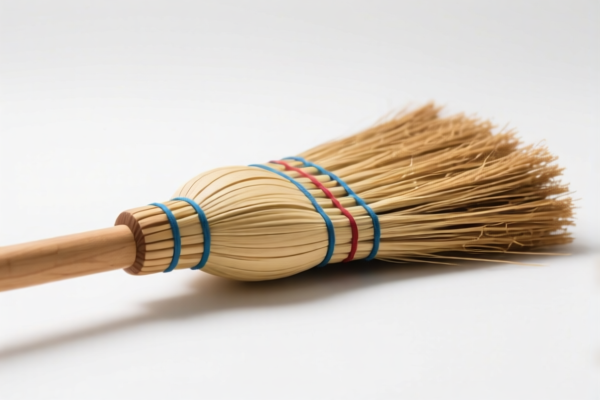
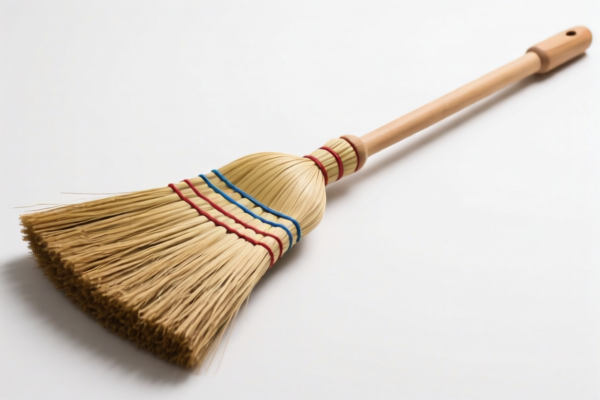
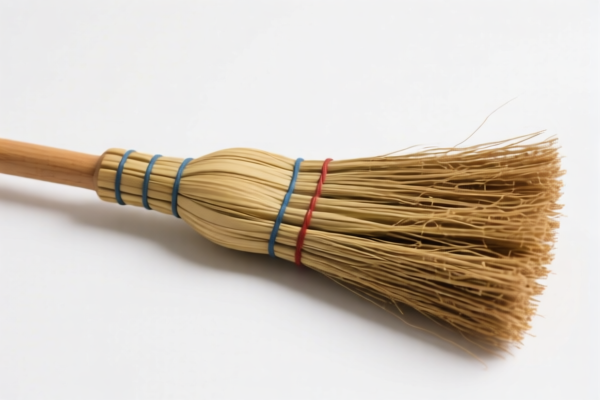
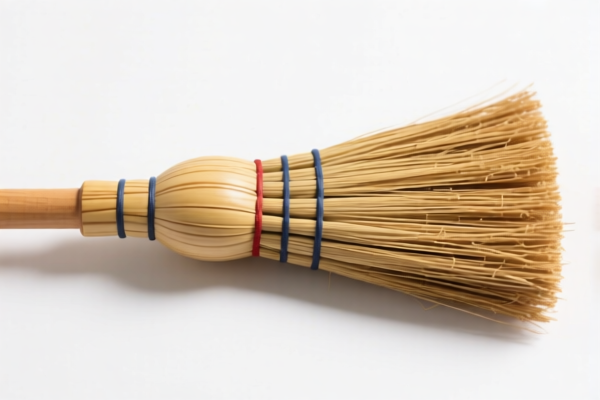
AI Analysis
🧵 Loom Handle (Knitting Machine Handle)
🌐 HS Code Reference & Customs Clearance Guide | 2026 Latest Tariff Analysis | Professional Customs Strategy
📌 I. Product Definition & Classification: Do You Really Understand "Loom Handles"?
A Loom Handle (specifically for knitting machines) is a critical operational component used to control the movement of needles or yarn in textile machinery. In international trade, classification depends heavily on whether it is viewed as a generic plastic handle or a specialized machine part.
Key Distinction Points: - Generic/Plastic Handle: If made primarily of plastic and used for general mechanical gripping, it may fall under general plastic articles or general machine parts. - Specialized Knitting Machine Part: If specifically designed for use with knitting machines (HS Code 8447/8448), it is classified as a part/accessory of that specific machine. - Power Tool Accessory: If it belongs to a power tool handle assembly, it may fall under different subheadings.
⚠️ Critical Note:
- Misclassification can lead to massive tax differences (from 17% to 35%+).
- Material matters: Plastic vs. Metal vs. Composite.
- Purpose matters: Is it for a knitting machine? A power drill? A generic box?
📦 II. HS Code Classification Details (2026 Latest Tariff Authority Comparison)
| HS Code | Product Description | Application Scenario | Tax Rate (CN→US) |
|---|---|---|---|
| 3926.30.10.00 | Other articles of plastics: Handles, Knobs | Generic plastic handles, knobs for furniture/general use | 24.0% |
| 8448.59.10.00 | Parts suitable for use solely or principally with machines of heading 8447: Other parts | Knitting Machine Parts, specifically handles for looms/knitters | 17.5% |
| 3926.90.25.00 | Other articles of plastic: Other, Other, Other | Generic plastic articles (fallback category) | 24.0% |
| 8467.99.01.90 | Parts of machinery for working materials in the form of sheets... or for surface working: Other | Generic machine parts (fallback for power tools/general machinery) | 35.0% |
| 8448.59.50.00 | Parts suitable for use solely or principally with machines of heading 8447: Other parts | Knitting Machine Accessories/Parts (alternative subheading) | 17.0% |
🔍 Key Takeaway:
- Best Rate:8448.59.50.00(17.0%) for dedicated knitting machine parts.
- Worst Rate:8467.99.01.90(35.0%) if misclassified as a generic power tool part.
- Middle Rate:3926.30.10.00(24.0%) if classified as a plastic article.
💰 III. 2026 Latest Tariff Rate Breakdown (Including Surtaxes & Policy Surcharges)
✅ Applicable Country: United States (US)
✅ Origin: China (CN)
✅ Effective Date: November 10, 2025 (and subsequent imports)
🎯 1. 3926.30.10.00 – Plastic Handles, Knobs
| Item | Detail |
|---|---|
| Base Tariff | 6.5% (ad valorem) |
| Section 301 Surtax | +7.5% (from USITC Footnote 9903.88.01) |
| IEEPA Surtax | +10% (針對中國/香港產品,自2025年11月10日起) |
| Total Tariff | 24.0% |
| Tax Calculation | CIF Value × 24% |
| De Minimis Eligibility | ❌ No (deny_de_minimis) |
| Legal Basis Path | IEEPA:9903.01.25 → IEEPA:9903.01.24 → USITC:3926.30.10.00 → FOOTNOTE:9903.88.01 |
📌 Explanation:
- This code is used if the handle is considered a plastic article rather than a machine part.
- High tariff due to Section 301 and IEEPA surcharges.
🎯 2. 8448.59.10.00 – Knitting Machine Parts
| Item | Detail |
|---|---|
| Base Tariff | 0.0% |
| Section 301 Surtax | +7.5% |
| IEEPA Surtax | +10% |
| Total Tariff | 17.5% |
| Tax Calculation | CIF Value × 17.5% |
| De Minimis Eligibility | ❌ No |
| Legal Basis Path | IEEPA:9903.01.25 → IEEPA:9903.01.24 → USITC:8448.59.10.00 → FOOTNOTE:9903.88.01 |
📌 Explanation:
- Preferred classification if the handle is specifically for knitting machines (HS 8447).
- Lower base tariff (0%) makes it more cost-effective than plastic articles.
🎯 3. 3926.90.25.00 – Other Plastic Articles
| Item | Detail |
|---|---|
| Base Tariff | 6.5% |
| Section 301 Surtax | +7.5% |
| IEEPA Surtax | +10% |
| Total Tariff | 24.0% |
| Tax Calculation | CIF Value × 24% |
| De Minimis Eligibility | ❌ No |
| Legal Basis Path | IEEPA:9903.01.25 → IEEPA:9903.01.24 → USITC:3926.90.25.00 → FOOTNOTE:9903.88.01 |
📌 Explanation:
- Fallback category for plastic goods not specifically named.
- Same high tariff as3926.30.10.00.
🎯 4. 8467.99.01.90 – Parts of Machinery for Surface Working
| Item | Detail |
|---|---|
| Base Tariff | 0.0% |
| Section 301 Surtax | +25.0% |
| IEEPA Surtax | +10% |
| Total Tariff | 35.0% |
| Tax Calculation | CIF Value × 35% |
| De Minimis Eligibility | ❌ No |
| Legal Basis Path | IEEPA:9903.01.25 → IEEPA:9903.01.24 → USITC:8467.99.01.90 → FOOTNOTE:9903.88.01 |
📌 Explanation:
- Highest Risk Code. If customs believes the handle is for a power tool (HS 8467) rather than a knitting machine, this 35% rate applies.
- Avoid this classification if possible.
🎯 5. 8448.59.50.00 – Knitting Machine Accessories/Parts
| Item | Detail |
|---|---|
| Base Tariff | 0.0% |
| Section 301 Surtax | +7.0% |
| IEEPA Surtax | +10% |
| Total Tariff | 17.0% |
| Tax Calculation | CIF Value × 17.0% |
| De Minimis Eligibility | ❌ No |
| Legal Basis Path | IEEPA:9903.01.25 → IEEPA:9903.01.24 → USITC:8448.59.50.00 → FOOTNOTE:9903.88.01 |
📌 Explanation:
- Best Rate Available (17.0%).
- Ideal for handles specifically designed for knitting machines (HS 8447).
- Requires strong documentation proving the part is for a knitting machine.
🛠️ IV. Customs Clearance Practical Advice (Pitfall Avoidance Guide)
✅ 1. Required Documents Checklist (Mandatory)
| Document | Mandatory | Explanation |
|---|---|---|
| ✅ Product Specification Sheet | ✔️ | Must clearly state: "Handle for Knitting Machine Model XYZ" |
| ✅ Machine Manual/Picture | ✔️ | Proof that the handle fits into a knitting machine (HS 8447) |
| ✅ Product Photos (with Label) | ✔️ | Show the handle in context or with identifying marks |
| ✅ Commercial Invoice | ✔️ | Describe as "Knitting Machine Part: Handle, Model ABC" |
| ✅ Packing List | ✔️ | List handles as "Parts", not "Plastic Goods" |
| ✅ Origin Certificate (CO) | ✔️ | If not from China, may qualify for lower rates |
✅ 2. Declaration Tips (Key Mnemonic)
🔥 "Know the Machine, Not Just the Material!"
| Scenario | Correct Declaration | Wrong Practice |
|---|---|---|
| Handle for Knitting Machine | 8448.59.50.00 (17.0%) |
Misclassified as "Plastic Handle" → 24.0% |
| Handle for Power Tool | 8467.99.01.90 (35.0%) |
Misclassified as "Knitting Part" → 17.0% (Risk of Audit) |
| Generic Plastic Knob | 3926.30.10.00 (24.0%) |
Misclassified as "Machine Part" → 17.0% (Risk of Audit) |
| Handle with Metal Core | Verify Material | If 50%+ plastic, still 3926.xx; if 50%+ metal, check 8448 |
✅ 3. Special Situations
| Situation | Advice |
|---|---|
| OEM Custom Handles | Provide customer PO + design drawings to prove specific use |
| Mixed Packaging (Handle + Machine) | Declare as one unit if sold together; avoid splitting |
| Material Ambiguity | If unsure if plastic or metal, provide material test report |
| Used Parts | Declare as "Used Knitting Machine Parts"; same HS code, but may require extra cleaning cert |
🌍 V. Global Market Comparison (2026 Latest)
| Country/Region | Recommended HS Code | Tariff (CN Origin) | Certification Required | Notes |
|---|---|---|---|---|
| 🇺🇸 USA | 8448.59.50.00 |
17.0% | None specific | 35% if misclassified as power tool part |
| 🇨🇳 China | 8448.59.50.00 |
0% | None | No additional surtaxes |
| 🇪🇺 EU | 8448.59.50.00 |
0% | CE (if applicable) | No additional surtaxes |
| 🇦🇺 Australia | 8448.59.50.00 |
5% | RCM | No surtaxes |
| 🇯🇵 Japan | 8448.59.50.00 |
0% | PSE (if electrical) | No surtaxes |
📌 Conclusion:
- USA is the only market with high surtaxes for Chinese goods.
- China is the most expensive market for imports due to Section 301 + IEEPA.
- EU, China, Japan, Australia have no such surtaxes, making them easier to clear.
📌 VI. Common Mistakes & Pitfall Guide (Lessons Learned)
❌ Mistake 1: Declaring "Plastic Handle" for a knitting machine part
👉 Result: 24.0% tariff instead of 17.0% → Extra 7% cost!
❌ Mistake 2: Declaring "Knitting Machine Part" for a power tool handle
👉 Result: Customs audit → Delayed release + potential penalties for false declaration.
❌ Mistake 3: Ignoring material composition
👉 Result: If 50%+ metal, may fall under different HS code → 17.0% or 35.0% depending on use.
✅ Correct Approach:
"Knitting Machine Handle, Part No. XYZ, Compatible with Model ABC, Plastic Body"
🎯 VII. Conclusion: Professional Declaration Saves Money!
🎯 Remember Mnemonic:
🔹 "Knitting Machine Part, 17% is Great! Plastic Handle, 24% is Flat! Power Tool Part, 35% is Rat!"
🔹 "HS Code determines cost, 7% difference is huge, wrong declaration is costly!"
📌 Pro Tip:
If your handle is originally from Vietnam, Mexico, Thailand, or Malaysia, you may apply for IEEPA exemption, reducing the tariff to 0%~5%.
Suggest Advance Ruling (Pre-classification) to avoid clearance risks.
📣 Immediate Action:
📞 Contact a professional customs broker + Provide product photos + Apply for HS Code Advance Ruling
🚀 Let your Loom Handle clear customs smoothly, export efficiently, and maximize profits!
✨ Professional Customs Clearance Starts with Accurate Classification!
💼 Every Cent of Cost Deserves Precise Calculation!
Customer Reviews
About HS Code Classification
The Harmonized System (HS) is an internationally standardized nomenclature developed by the World Customs Organization (WCO) to classify traded products. Over 200 countries use the HS system as the basis for customs tariffs, trade statistics, and import/export regulations.
Each HS code follows a hierarchical structure:
- Chapter (2 digits) — Broad category of goods (e.g., Chapter 84: Machinery and Mechanical Appliances)
- Heading (4 digits) — More specific grouping within the chapter
- Subheading (6 digits) — Internationally standardized breakdown, used by all WCO member countries
- National subdivisions (8-10 digits) — Country-specific extensions for further classification, such as US HTSUS 10-digit codes
Correct HS code classification is essential for smooth customs clearance, accurate duty payment, and compliance with trade regulations. Misclassification can lead to customs delays, overpayment of duties, or penalties.
When importing from CN to US, the applicable tariff rates may include:
- Most-Favored-Nation (MFN) rate — The standard duty rate applied to WTO members
- General rate — Applied to countries without trade agreements
- Trade remedy duties — Additional tariffs such as Section 301 (anti-dumping), Section 232 (national security), or countervailing duties
The information provided on this page is for reference purposes only. For official classification, please consult with your local customs authority or a licensed customs broker.