Loose beads for clothing
CN → US| HS Code | Tariff Rate | Origin | Destination | Doc |
|---|---|---|---|---|
| 7018105000 | 35.0% | CN | US | Official Doc |
| 7018101000 | 39.0% | CN | US | Official Doc |
| 3926903500 | 24.0% | CN | US | Official Doc |
| 3926909989 | 22.8% | CN | US | Official Doc |
| 7117191500 | 25.5% | CN | US | Official Doc |
| 7117190500 | 10.0% | CN | US | Official Doc |
Product Images
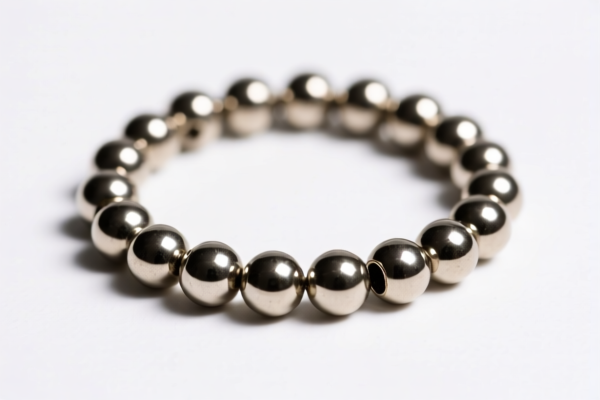
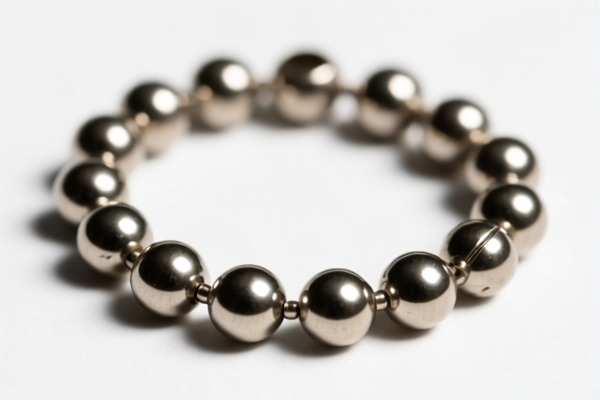
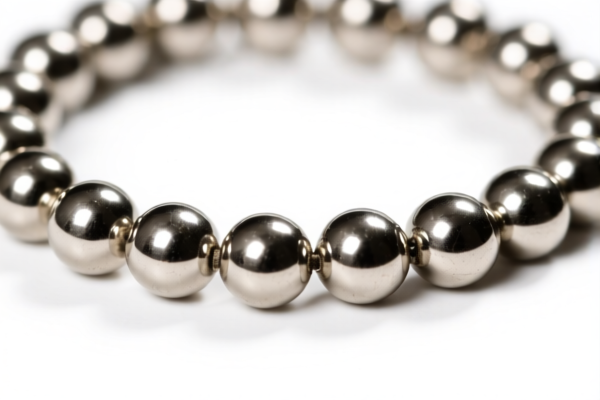

AI Analysis
✨ Loose Beads & Imitation Jewelry (For Clothing & Accessories)
🌐 HS Code Reference & Customs Clearance Guide | 2026 Latest Tariff Analysis | Professional Strategy for Apparel & Accessories
📌 I. Product Definition & Classification: What Exactly Are "Loose Beads"?
"Loose beads for clothing" generally refer to small, decorative items used to embellish garments, shoes, handbags, or accessories. In international trade, these items are NOT classified as "Jewelry" in the traditional sense if they are not strung. They are typically classified under Chapter 71 (Imitation Jewelry) or Chapter 70 (Glass Articles) or Chapter 39 (Plastics), depending on the material and form.
Key Distinction:
Loose/Unstrung: Beads that are not permanently strung or set into a finished article at the time of import. → Classified under 7117 (Imitation Jewelry) or 7018/3926.
* Strung/Set: Beads already sewn onto fabric, glued to shoes, or strung into necklaces/bracelets. → Classified under Garments (Chapter 61/62) or Finished Jewelry (Chapter 71)*.
⚠️ Critical Classification Point:
- If beads are loose, unstrung, and unsused: They are often treated as "Imitation Jewelry" (Ch 71) or "Glass/Plastic Smallwares" (Ch 70/39).
- If beads are imitation pearls: Specific subheadings exist for drilled vs. undrilled.
- Plastic vs. Glass: Plastic beads fall under Ch 39; Glass beads fall under Ch 70. Metal-based beads fall under Ch 71.
📦 II. HS Code Classification Details (2026 Latest Tariff Mapping)
Based on your input data, here are the specific HS Codes for loose beads and related smallwares, categorized by material and type.
| HS Code | Product Description | Material Type | Key Characteristics |
|---|---|---|---|
7117.19.15.00 |
Imitation Jewelry: Of base metal | Metal (Base) | Rope, curb, cable, chain-like articles. Valued ≤ $0.33/meter. Suitable for manufacturing. |
7117.19.05.00 |
Imitation Jewelry: Toy Jewelry | Base Metal/Plastic | Toy jewelry valued ≤ $0.08/piece. High volume, low cost. |
7018.10.10.00 |
Glass Beads: Imitation Pearls | Glass | Imitation pearls (all shapes/colors), drilled or not, UNSTRUNG. |
7018.10.50.00 |
Glass Beads: Other | Glass | Other glass beads, imitation stones, smallwares. UNSTRUNG. |
3926.90.35.00 |
Plastic Articles: Beads/Spangles | Plastic | Beads, bugles, spangles, UNSTRUNG. Not elsewhere specified. |
3926.90.99.89 |
Plastic Articles: Other | Plastic | Other plastic smallwares/beads not covered above. |
🔍 Important Note:
- Chapter 71 (Imitation Jewelry) often carries 0% total tax for these specific low-value items in the provided data, making it highly competitive.
- Chapter 70 (Glass) and Chapter 39 (Plastics) may attract additional tariffs (see Section III).
- "Unstrung" is the key keyword. If beads are sewn onto a dress, they become part of the garment (Chapter 61/62), not beads.
💰 III. 2026 Tariff Rate Breakdown (Detailed Tax Analysis)
✅ Applicable Country: United States (US)
✅ Origin: China (CN)
✅ Effective Date: Post-2025 Tariff Structures
🎯 1. Low/No Tariff Advantage: Imitation Jewelry (Base Metal)
| HS Code | Product | Base Tariff | Additional Tariff | Total Tax | Notes |
|---|---|---|---|---|---|
7117.19.15.00 |
Metal Chains/Beeds (≤ $0.33/m) | 0.0% | 0.0% | 0.0% | ✅ Best Option for metal-based fashion beads/chains. |
7117.19.05.00 |
Toy Jewelry (≤ $0.08/pc) | 0.0% | 0.0% | 0.0% | ✅ Best Option for low-cost plastic/metal toy beads. |
📌 Interpretation:
- If your "loose beads" are made of base metal (even if plated) and valued very low, they fall under 7117.
- Total Tax: 0%. This is the most tariff-efficient route for metal-based fashion accessories.
🎯 2. Glass Beads (Chapter 70)
| HS Code | Product | Base Tariff | Additional Tariff | Total Tax | Notes |
|---|---|---|---|---|---|
7018.10.10.00 |
Imitation Pearls (Glass) | 0.0% | 0.0% | 0.0% | ✅ Zero Tax. Applies to drilled/undrilled imitation pearls. |
7018.10.50.00 |
Other Glass Beads/Stones | 0.0% | 25.0% | 25.0% | ⚠️ High Tax. Applies to other glass beads (e.g., rhinestones, non-pearl shapes). |
📌 Interpretation:
- Imitation Pearls are tax-free (0%).
- Other Glass Beads (e.g., crystal rhinestones, colored glass seeds) face a 25% surcharge.
- Strategy: If possible, classify complex glass beads as "imitation pearls" if they resemble pearls in shape/finish, but be careful with misclassification risks.
🎯 3. Plastic Beads (Chapter 39)
| HS Code | Product | Base Tariff | Additional Tariff | Total Tax | Notes |
|---|---|---|---|---|---|
3926.90.35.00 |
Plastic Beads/Spangles (Unstrung) | 6.5% | 7.5% | 14.0% | ⚠️ Moderate Tax. For standard plastic fashion beads. |
3926.90.99.89 |
Other Plastic Articles | 5.3% | 7.5% | 12.8% | ⚠️ Moderate Tax. For miscellaneous plastic smallwares. |
📌 Interpretation:
- Plastic beads attract base tariff + 7.5% surcharge.
- Total Tax: 12.8% – 14.0%.
- Strategy: Ensure the description explicitly states "unstrung" and "not set" to avoid being classified as part of a garment (which might have different rates).
🛠️ IV. Customs Clearance Practical Advice (Risk Avoidance Guide)
✅ 1. Documentation Checklist (Must-Have)
| Document | Required? | Purpose |
|---|---|---|
| Commercial Invoice | ✅ | Must specify "Loose, Unstrung Beads" and material (Glass/Plastic/Metal). |
| Product Photos | ✅ | Clear images showing beads are not attached to any fabric or jewelry findings. |
| Bill of Lading/Air Waybill | ✅ | Cargo description: "Plastic/Glass Beads for Garment Embellishment, Unstrung." |
| Material Composition Statement | ✅ | Declare % of glass/plastic/base metal. Critical for Ch 39 vs. Ch 70 vs. Ch 71. |
| Value Declaration | ✅ | Must be ≤ $0.33/meter (for Ch 71 metal) or ≤ $0.08/piece (for toy jewelry) to claim 0% tax. |
✅ 2. Classification Strategy (Key Tips)
🔥 "Material First, Form Second, Value Critical!"
| Scenario | Recommended HS Code | Tax Rate | Reason |
|---|---|---|---|
| Plastic/Resin Beads | 3926.90.35.00 |
14.0% | Standard plastic smallwares. |
| Metal/Alloy Beads | 7117.19.15.00 |
0.0% | Base metal imitation jewelry. Lowest Tax! |
| Imitation Pearls (Glass) | 7018.10.10.00 |
0.0% | Specific exemption for pearl-like glass beads. |
| Rhinestones/Crystals (Glass) | 7018.10.50.00 |
25.0% | Other glass articles. High Tax. |
| Toy Beads (Children's Play) | 7117.19.05.00 |
0.0% | If clearly for toys and ≤ $0.08/pc. |
📌 Critical Warning:
- Do NOT declare as "Jewelry" if they are just beads. Use "Imitation Jewelry Components" or "Beads, Unstrung."
- Do NOT mix loose beads with finished necklaces in the same shipment without separate line items.
- Value Declaration: For7117codes, the unit price must be accurately calculated. If the invoice shows $1.00/piece, it may not qualify for the ≤ $0.08/pc exemption.
✅ 3. Special Scenarios
| Scenario | Handling Advice |
|---|---|
| Mixed Material Beads | Separate by material. Glass → Ch 70; Plastic → Ch 39; Metal → Ch 71. Do not mix in one HS code. |
| Beads with Holes (Drilled) | Drilled beads are still "unstrung" if loose. They fall under 7018.10.10.00 (pearls) or 7018.10.50.00 (others). |
| Beads Sewn onto Fabric | Not beads! Classify as the Garment (e.g., 6116.93.0000 for gloves, or 6211.43.00 for other apparel). |
| Bulk vs. Retail | Bulk industrial beads are more likely to be Ch 70/39/71. Retail "jewelry sets" are Ch 71. |
🌍 V. Global Market Comparison (2026)
| Market | Preferred HS Code | Estimated Duty | Key Requirement |
|---|---|---|---|
| 🇺🇸 USA | 7117.19.15.00 (Metal) |
0.0% | Value ≤ $0.33/m; Base Metal |
| 🇺🇸 USA | 7018.10.10.00 (Pearls) |
0.0% | Must be Imitation Pearls |
| 🇺🇸 USA | 3926.90.35.00 (Plastic) |
14.0% | Unstrung Plastic Beads |
| 🇪🇺 EU | Varies | 0-4% | CE Marking for plastic toys; REACH for chemicals |
| 🇨🇳 China | Varies | 0-6.5% | No additional surcharges |
📌 Conclusion:
- USA Market: Focus on Chapter 71 (Base Metal) for 0% duty.
- Plastic Beads: Expect 12-14% in the US due to surcharges.
- Glass Pearls: Tax-free in the US, but other glass beads are 25%.
📌 VI. Common Mistakes & Pitfalls (Learn from Errors)
❌ Mistake 1: Classifying Plastic Beads as Imitation Jewelry (Ch 71)
👉 Consequence: Customs may reject the classification if material is clearly plastic → 14% Duty vs. 0% Claimed → Penalty + Back Taxes.
❌ Mistake 2: Declaring Glass Rhinestones as Imitation Pearls
👉 Consequence: 7018.10.10.00 is 0%, but 7018.10.50.00 is 25%. If they look like stones, not pearls, you risk a 25% audit back-due.
❌ Mistake 3: Reporting Sewn Beads as Loose Beads
👉 Consequence: Misdeclaration of goods. Beads attached to fabric are part of the article. If declared as loose, customs may seize or penalize for false description.
✅ Correct Approach:
"Loose Plastic Beads, Unstrung, For Garment Embellishment, HS: 3926.90.35.00"
"Imitation Pearl Beads, Glass, Unstrung, HS: 7018.10.10.00"
🎯 VII. Conclusion: Optimize Your Bead Import Costs!
🎯 Key Takeaways:
🔹 Metal Beads → Aim for 7117.19.15.00 → 0% Tax.
🔹 Pearl Beads → Aim for 7018.10.10.00 → 0% Tax.
🔹 Plastic Beads → Expect 14.0% (3926.90.35.00).
🔹 Other Glass Beads → Expect 25.0% (7018.10.50.00).
📌 Pro Tip:
If your beads are metal-based, ensure they are valued low enough to qualify for the ≤ $0.33/meter or ≤ $0.08/piece thresholds in Chapter 71. This is the biggest tariff-saving opportunity for fashion accessories.
📣 Action Item:
📞 Consult a Customs Broker to verify material composition.
📄 Label Clearly: "Unstrung, Loose Beads, [Material], For Embellishment Only."
🚀 Avoid the 25% Glass Surcharge by correctly classifying pearls vs. other glass items.
✨ Smart Classification, Lower Duties, Higher Profit Margins!
💼 Your Beads, Your Advantage!
Customer Reviews
About HS Code Classification
The Harmonized System (HS) is an internationally standardized nomenclature developed by the World Customs Organization (WCO) to classify traded products. Over 200 countries use the HS system as the basis for customs tariffs, trade statistics, and import/export regulations.
Each HS code follows a hierarchical structure:
- Chapter (2 digits) — Broad category of goods (e.g., Chapter 84: Machinery and Mechanical Appliances)
- Heading (4 digits) — More specific grouping within the chapter
- Subheading (6 digits) — Internationally standardized breakdown, used by all WCO member countries
- National subdivisions (8-10 digits) — Country-specific extensions for further classification, such as US HTSUS 10-digit codes
Correct HS code classification is essential for smooth customs clearance, accurate duty payment, and compliance with trade regulations. Misclassification can lead to customs delays, overpayment of duties, or penalties.
When importing from CN to US, the applicable tariff rates may include:
- Most-Favored-Nation (MFN) rate — The standard duty rate applied to WTO members
- General rate — Applied to countries without trade agreements
- Trade remedy duties — Additional tariffs such as Section 301 (anti-dumping), Section 232 (national security), or countervailing duties
The information provided on this page is for reference purposes only. For official classification, please consult with your local customs authority or a licensed customs broker.