Loose leaf binder clip
CN → US| HS Code | Tariff Rate | Origin | Destination | Doc |
|---|---|---|---|---|
| 3926909989 | 22.8% | CN | US | Official Doc |
| 3926908700 | 40.3% | CN | US | Official Doc |
| 4820300020 | 35.0% | CN | US | Official Doc |
| 3926909989 | 22.8% | CN | US | Official Doc |
| 3926908700 | 40.3% | CN | US | Official Doc |
Product Images
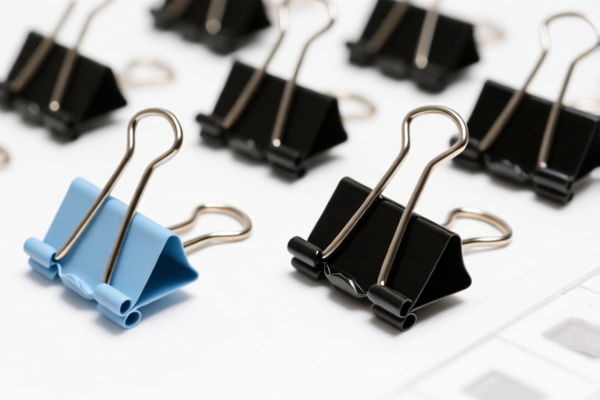
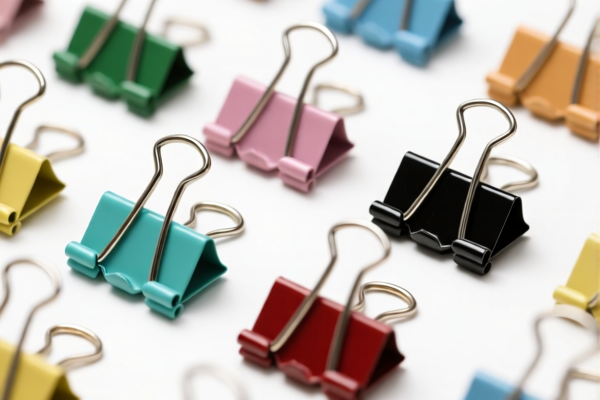
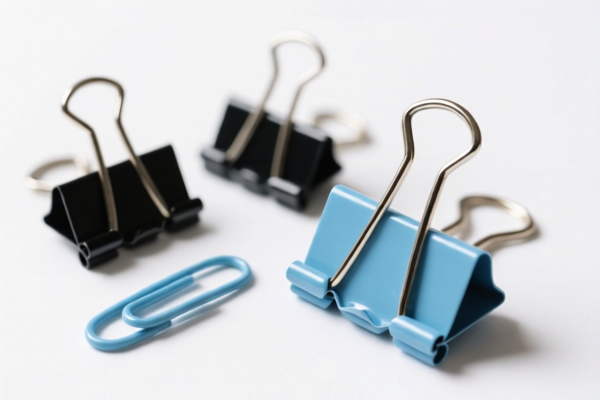
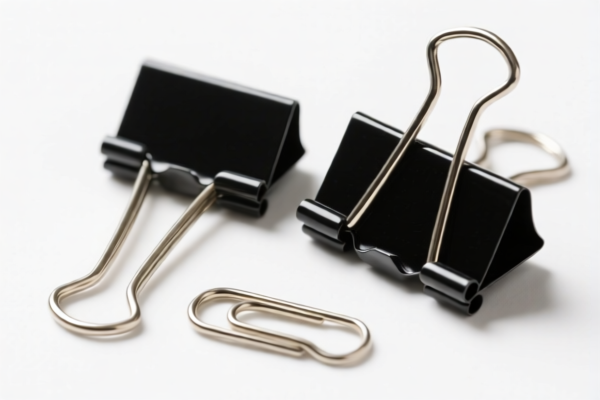
AI Analysis
📎 Loose Leaf Binder Clip (Plastic/Paper)
🌐 HS Code Reference & Customs Clearance Guide | 2026 Latest Tariff Analysis | Professional Clearance Strategy
📌 I. Product Definition & Classification: What Exactly is a "Loose Leaf Binder Clip"?
Loose leaf binder clips are essential office stationery items used to hold sheets of paper together. In international trade, their classification depends heavily on material and form. The provided data identifies two primary material categories: Plastic and Paper/Cardboard.
⚠️ Key Distinction:
- Plastic Binders: If made of plastic, they fall under Chapter 39 (Articles of Plastic).
- Paper Binders: If made of paper or cardboard, they fall under Chapter 48 (Paper and Paperboard).
- "Loose Leaf" Specifics: The term "loose leaf binder" often refers to ring binders, but "clip" implies a clamping mechanism. The data highlights specific codes for flat-file binders and other plastic articles.
📦 II. HS Code Classification Details (Based on Provided Data)
| HS Code | Product Description | Material | Tax Rate (Total) | Tax Breakdown |
|---|---|---|---|---|
3926.90.99.89 |
Plastic stationery; other plastic articles (catch-all for plastic binders) | Plastic | 22.8% | Base: 5.3% Add. Tariff: 7.5% Section 122: 10% |
3926.90.87.00 |
Plastic material, flat-file binder shape | Plastic | 40.3% | Base: 5.3% Add. Tariff: 25.0% Section 122: 10% |
4820.30.00.20 |
Paper/Cardboard loose-leaf binder (perfect match for use) | Paper/Cardboard | 35.0% | Base: 0.0% Add. Tariff: 25.0% Section 122: 10% |
🔍 Analysis:
-3926.90.87.00is specific to plastic flat-file binders. If your binder is plastic AND shaped like a flat file, it incurs the highest tariff (40.3%).
-3926.90.99.89is a "catch-all" for plastic stationery. If the binder is plastic but not a "flat-file" type, or if it doesn't fit the specific definition of3926.90.87.00, it may fall here with a lower tariff (22.8%).
-4820.30.00.20is for paper/cardboard loose-leaf binders. It has a 0% base tariff but still incurs the 25% Additional Tariff and 10% Section 122 Tariff, totaling 35.0%.
💰 III. Detailed Tariff Explanation (Including Additional Taxes)
✅ Applicable Country: United States (US)
✅ Origin: China (CN)
✅ Effective Date: 2025-11-10 onwards (includes subsequent imports)
🎯 1. 3926.90.87.00 – Plastic Flat-File Binder (Highest Tax Scenario)
| Item | Content |
|---|---|
| Base Tariff | 5.3% (Ad Valorem) |
| USITC Additional Tariff | +25.0% (From USITC Footnote 9903.88.01 / Section 301) |
| Section 122 Tariff | +10% (Specific to this category) |
| Total Tariff | 40.3% |
| Tax Calculation | CIF Value × 40.3% |
| De Minimis Exemption | ❌ Not Eligible |
| Legal Basis | USITC:3926.90.87.00 → FOOTNOTE:9903.88.01 → Section 122 |
📌 Explanation:
- This code attracts the highest combined tariff (40.3%).
- The 25% USITC tariff is a significant penalty for Chinese-origin goods in this category.
- The 10% Section 122 tariff is an additional layer on top of the base and USITC rates.
🎯 2. 3926.90.99.89 – Plastic Stationery (Other Articles) (Lower Tax Scenario for Plastic)
| Item | Content |
|---|---|
| Base Tariff | 5.3% (Ad Valorem) |
| USITC Additional Tariff | +7.5% (Lower than flat-file binders) |
| Section 122 Tariff | +10% |
| Total Tariff | 22.8% |
| Tax Calculation | CIF Value × 22.8% |
| De Minimis Exemption | ❌ Not Eligible |
| Legal Basis | USITC:3926.90.99.89 → Section 122 |
📌 Explanation:
- This code is for plastic articles that do not fit the specific "flat-file binder" definition.
- The USITC additional tariff is only 7.5%, making it significantly cheaper than3926.90.87.00.
- Strategy: If your plastic binder is not a "flat-file" type, argue for this classification to save 17.5% in tariffs.
🎯 3. 4820.30.00.20 – Paper/Cardboard Loose-Leaf Binder (Best Base Tariff)
| Item | Content |
|---|---|
| Base Tariff | 0.0% |
| USITC Additional Tariff | +25.0% |
| Section 122 Tariff | +10% |
| Total Tariff | 35.0% |
| Tax Calculation | CIF Value × 35.0% |
| De Minimis Exemption | ❌ Not Eligible |
| Legal Basis | USITC:4820.30.00.20 → USITC Footnote 9903.88.01 → Section 122 |
📌 Explanation:
- The base tariff is 0%, which is attractive.
- However, the 25% USITC tariff and 10% Section 122 tariff still apply, bringing the total to 35.0%.
- Comparison: This is 5.3% cheaper than the high-end plastic flat-file binder (3926.90.87.00) and 12.2% cheaper than the standard plastic stationery (3926.90.99.89is 22.8%? Wait, 35% > 22.8%. Correction: Plastic Stationery (22.8%) is the cheapest among all options listed. Paper binder (35%) is more expensive than plastic stationery (22.8%) but cheaper than plastic flat-file (40.3%).)📌 Revised Cost Comparison:
1.3926.90.99.89(Plastic, Other): 22.8% 🏆 Lowest Tariff
2.4820.30.00.20(Paper/Cardboard): 35.0%
3.3926.90.87.00(Plastic, Flat-File): 40.3% ❌ Highest Tariff
🛠️ IV. Customs Clearance Practical Advice (Avoid Pitfalls)
✅ 1. Prepare Documentation (Must-Haves)
| Document | Required | Note |
|---|---|---|
| ✅ Product Description | ✔️ | Clearly state material (Plastic vs. Paper) and form (Binder vs. Clip vs. Flat-File). |
| ✅ Material Specification | ✔️ | Confirm if it's purely plastic, paper, or mixed. |
| ✅ Product Photos | ✔️ | Show shape and structure to distinguish between "flat-file binder" and "other plastic article." |
| ✅ Commercial Invoice | ✔️ | Must match HS Code description. |
| ✅ Packing List | ✔️ | List quantities and weights accurately. |
✅ 2. Classification Strategy (Key Tips)
🔥 “Material Matters, Shape Defines the Rate!”
| Scenario | Recommended HS Code | Total Tariff | Why? |
|---|---|---|---|
| Plastic Binder, NOT Flat-File | 3926.90.99.89 |
22.8% | Lower USITC tariff (7.5%). Best for standard ring binders. |
| Plastic Binder, IS Flat-File | 3926.90.87.00 |
40.3% | Specific code for flat-file plastics. High penalty. |
| Paper/Cardboard Binder | 4820.30.00.20 |
35.0% | 0% base, but high additional tariffs. |
📌 Critical Advice:
- If your product is plastic, try to argue that it is not a "flat-file binder" to qualify for3926.90.99.89(22.8%) instead of3926.90.87.00(40.3%).
- Documentation is Key: Provide clear photos and descriptions to support the "not flat-file" argument for plastic binders.
✅ 3. Special Cases
| Case | Handling Advice |
|---|---|
| Mixed Materials | If partially plastic and partially paper, classify based on essential character (usually the main structural material). |
| Small Clips vs. Full Binders | Ensure the product is a "binder" and not just a "clip." If it's a simple clip, different codes may apply (not in this data set). |
| Origin | This analysis assumes Chinese Origin. Non-Chinese origin may have different tariffs. |
🌍 V. Global Market Comparison (2026)
| Country/Region | Recommended HS Code | Tariff (China Origin) | Notes |
|---|---|---|---|
| 🇺🇸 USA | 3926.90.99.89 |
22.8% | Lowest tariff among options. Use for standard plastic binders. |
| 🇺🇸 USA | 3926.90.87.00 |
40.3% | Avoid if possible. High penalty for flat-file plastics. |
| 🇺🇸 USA | 4820.30.00.20 |
35.0% | Higher than plastic stationery. |
| 🇪🇺 EU | N/A | Varies | EU may have different classifications and lower tariffs for stationery. |
| 🇨🇳 China | N/A | Varies | Domestic tariffs may differ. |
📌 Conclusion:
- For US imports, plastic stationery (3926.90.99.89) is the most tariff-efficient choice if the product is not a "flat-file binder."
- Paper binders (4820.30.00.20) are more expensive than plastic stationery due to high additional tariffs.
- Plastic flat-file binders (3926.90.87.00) are the most expensive due to the 25% USITC tariff.
📌 VI. Common Mistakes & Pitfalls (Lessons Learned)
❌ Mistake 1: Classifying all plastic binders under 3926.90.87.00
👉 Result: Pay 40.3% tariff when you could pay 22.8% by using 3926.90.99.89.
❌ Mistake 2: Ignoring the "Flat-File" definition
👉 Result: Customs may reclassify your plastic binder as a "flat-file binder" if the shape resembles one, leading to back taxes and penalties.
❌ Mistake 3: Assuming Paper Binders are Cheaper
👉 Result: Paper binders (4820.30.00.20) have a 0% base rate but 35% total due to additional tariffs. Plastic stationery (3926.90.99.89) is 22.8% total, making it cheaper.
✅ Correct Approach:
"Plastic Loose-Leaf Binder, Not a Flat-File Binder, Model XYZ, 22.8% Tariff Rate"
🎯 VII. Conclusion: Smart Classification, Lower Costs!
🎯 Remember the Golden Rule:
🔹 “Plastic, Not Flat-File: 22.8%!”
🔹 “Plastic, Flat-File: 40.3%!”
🔹 “Paper Binder: 35.0%!”
📌 Tip:
If your product is a plastic binder, ensure your documentation clearly states it is not a "flat-file binder" to qualify for the 22.8% tariff rate.
For paper binders, accept the 35.0% rate as it is the standard for this material.
📣 Take Action:
📞 Consult with a customs broker to confirm the "flat-file" definition for your specific product.
🚀 Optimize your supply chain by choosing the most tariff-efficient classification.
✨ Professional Clearance Starts with Accurate Classification!
💼 Save Every Penny by Choosing the Right HS Code!
Customer Reviews
About HS Code Classification
The Harmonized System (HS) is an internationally standardized nomenclature developed by the World Customs Organization (WCO) to classify traded products. Over 200 countries use the HS system as the basis for customs tariffs, trade statistics, and import/export regulations.
Each HS code follows a hierarchical structure:
- Chapter (2 digits) — Broad category of goods (e.g., Chapter 84: Machinery and Mechanical Appliances)
- Heading (4 digits) — More specific grouping within the chapter
- Subheading (6 digits) — Internationally standardized breakdown, used by all WCO member countries
- National subdivisions (8-10 digits) — Country-specific extensions for further classification, such as US HTSUS 10-digit codes
Correct HS code classification is essential for smooth customs clearance, accurate duty payment, and compliance with trade regulations. Misclassification can lead to customs delays, overpayment of duties, or penalties.
When importing from CN to US, the applicable tariff rates may include:
- Most-Favored-Nation (MFN) rate — The standard duty rate applied to WTO members
- General rate — Applied to countries without trade agreements
- Trade remedy duties — Additional tariffs such as Section 301 (anti-dumping), Section 232 (national security), or countervailing duties
The information provided on this page is for reference purposes only. For official classification, please consult with your local customs authority or a licensed customs broker.