Louver Vent
CN → US| HS Code | Tariff Rate | Origin | Destination | Doc |
|---|---|---|---|---|
| 7419800900 | 88.0% | CN | US | Official Doc |
| 3925305000 | 22.8% | CN | US | Official Doc |
| 7616995140 | 87.5% | CN | US | Official Doc |
| 7616995130 | 87.5% | CN | US | Official Doc |
Product Images
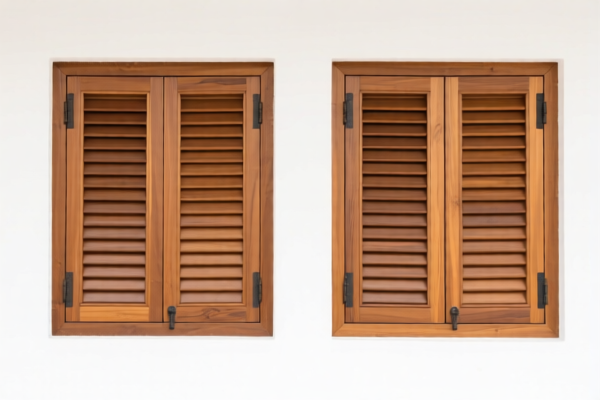
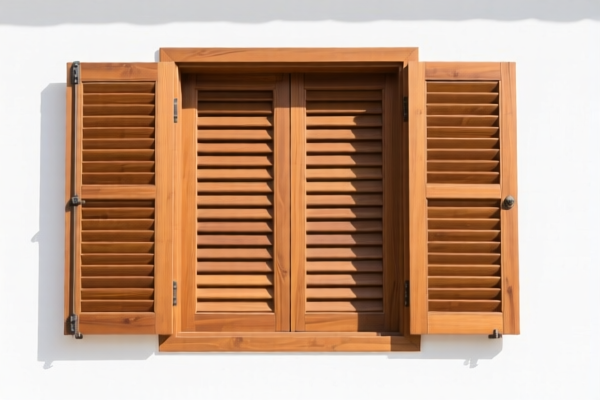
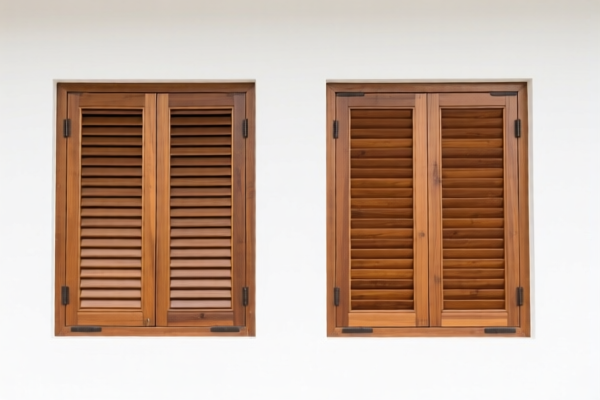
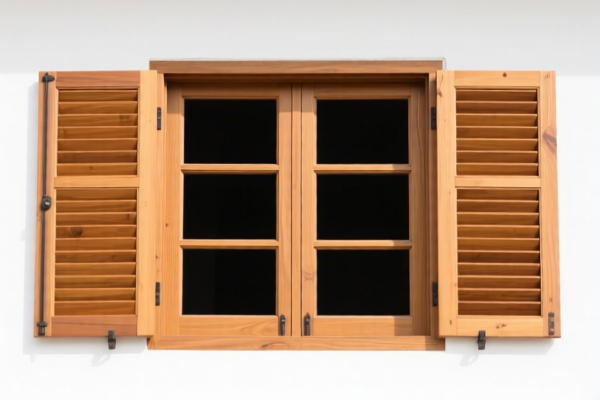
AI Analysis
🌬️ Louver Vent (百叶通风口)
🌐 HS Code Reference & Customs Clearance Guide | 2026 Latest Tariff Analysis | Professional Clearance Strategy
📌 I. Product Definition & Classification: What Exactly is a "Louver Vent"?
A Louver Vent is a passive air circulation device consisting of fixed angled blades (louvers) that allow airflow while preventing rain, debris, or direct sunlight from entering. In international trade, the material composition is the primary determinant for HS Code classification. The function (ventilation) is secondary to the material when no specific machinery category applies.
⚠️ Key Distinction:
- Metal Louvers (Copper/Aluminum/Steel): Classified under Chapter 74 or 76 as general articles of metal.
- Plastic Louvers: Classified under Chapter 39 as articles of plastics.
- Crucial Point: The classification changes drastically based on whether the product is Copper, Aluminum/Aluminum Alloy, or Plastic, leading to vastly different tariff liabilities due to Section 232 and Section 301 tariffs.
📦 II. HS Code Classification Details (2026 Latest Tariff Authority Match)
Based on the provided data, here are the three most likely classifications based on material inference:
| HS Code | Material Inference | Product Description & Summary | Matching Logic |
|---|---|---|---|
7419.80.09.00 |
Copper (铜) | Other articles of copper; Louver vents belong to grilles/mesh/metal components, matching "Other Copper Articles". | Matches "Grilles, meshes, and metal structural components" under Chapter 74. |
7616.99.51.40 |
Aluminum (铝) | Other articles of aluminum; Louver form matches "Louver Shades" category, classified as "Other Aluminum Articles". | Form factor aligns with louver shades; falls under general aluminum goods. |
7616.99.51.30 |
Aluminum Alloy (铝合金) | Other articles of aluminum alloy; Falls under "Other Categories" within Aluminum Articles; No conflict in form or use. | Specific sub-category for aluminum alloys under Chapter 76. |
3925.30.50.00 |
Plastic (塑料) | Articles of plastics for windows, blinds, etc.; Matches "Louver/Blind/Shade" usage. | Functionality matches window/blind accessories under Chapter 39. |
🔍 Critical Insight:
- Copper (7419.80.09.00) and Aluminum/Alloy (7616.99.51.xx) codes trigger the highest tariffs due to Section 232 (Steel/Aluminum/Copper) duties.
- Plastic (3925.30.50.00) has significantly lower tariffs but must be strictly verified as 100% plastic (no metal mesh/core).
💰 III. 2026 Latest Tariff Rate Breakdown (Including Surcharges & Policy Add-ons)
✅ Applicable Country: USA (US)
✅ Origin: China (CN)
✅ Effective Time: 2025 onwards (Including subsequent imports)
🎯 1. 7419.80.09.00 —— Copper Articles (Copper Louver Vents)
| Item | Content |
|---|---|
| Base Duty | 3.0% (Ad Valorem) |
| Section 301 Duty | +25.0% (USITC Footnote under Section 301) |
| Section 232 Duty | +50.0% (Specific to Steel, Aluminum, and Copper products under 122 Clause) |
| Total Tax Rate | 88.0% |
| Tax Calculation | CIF Value × 88% |
| De Minimis Exemption | ❌ NOT Available (Deny de minimis) |
| Legal Basis Path | Base: 3.0% → Sec 301: 25.0% → Sec 232 (Copper): 50.0% |
📌 Explanation:
- The 50% Section 232 duty applies because Copper is explicitly listed alongside Steel and Aluminum in certain trade remedies.
- Combined with the 25% Section 301 duty, the total burden is nearly 90%, making copper vents extremely expensive to import into the US.
🎯 2. 7616.99.51.40 / 7616.99.51.30 —— Aluminum & Aluminum Alloy Articles
| Item | Content |
|---|---|
| Base Duty | 2.5% (Ad Valorem) |
| Section 301 Duty | +25.0% |
| Section 232 Duty | +50.0% (Specific to Steel, Aluminum, and Copper products under 122 Clause) |
| Total Tax Rate | 87.5% |
| Tax Calculation | CIF Value × 87.5% |
| De Minimis Exemption | ❌ NOT Available (Deny de minimis) |
| Legal Basis Path | Base: 2.5% → Sec 301: 25.0% → Sec 232 (Aluminum): 50.0% |
📌 Explanation:
- Aluminum falls squarely under the Section 232 National Security Tariffs.
- The 50% surcharge is applied to "Other articles of aluminum" that are not specifically exempted.
- Result: Whether it is pure Aluminum (...51.40) or Aluminum Alloy (...51.30), the tariff impact is nearly identical (87.5%).
🎯 3. 3925.30.50.00 —— Plastic Articles (Plastic Louver Vents)
| Item | Content |
|---|---|
| Base Duty | 5.3% (Ad Valorem) |
| Section 301 Duty | +7.5% (Note: Data indicates 7.5% surcharge, possibly reduced or specific to this sub-category vs. standard 25%) |
| Section 122/Other | +10.0% (Specific clause mention in data) |
| Total Tax Rate | 22.8% |
| Tax Calculation | CIF Value × 22.8% |
| De Minimis Exemption | ❓ Check Specifics (Generally lower risk, but must verify if subject to Section 301) |
| Legal Basis Path | Base: 5.3% → Surcharge: 7.5% → Clause: 10.0% |
📌 Explanation:
- Plastic components are NOT subject to the 50% Section 232 tariffs (which apply to Steel/Aluminum/Copper).
- The total rate is significantly lower (22.8%), making plastic louvers a cost-effective alternative for US market entry.
- ⚠️ Caution: Ensure the product contains no metal reinforcement that might trigger a material change.
🛠️ IV. Customs Clearance Practical Advice (Battle-Tested Pitfall Avoidance)
✅ 1. Document Preparation Checklist (Mandatory)
| Document | Mandatory | Description |
|---|---|---|
| ✅ Product Specifications | ✔️ | Must clearly state Material Composition (e.g., "100% PVC", "Aluminum Alloy 6063", "Copper"). |
| ✅ Product Photos | ✔️ | Clear images of the louver blades, frame, and any mounting hardware. |
| ✅ Bill of Lading / Invoice | ✔️ | Commercial Invoice must list the HS Code and Material explicitly. |
| ✅ Origin Certificate (CO) | ✔️ | To prove origin is China (or other, if applicable) and claim preferential rates if any. |
| ✅ Material Declaration | ✔️ | A signed declaration stating the exact percentage of Copper/Aluminum/Plastic to avoid misclassification. |
✅ 2. Declaration Strategy (Key Mantras)
🔥 "Material Defines Code, Metal Triggers High Tax, Plastic Saves Cash!"
| Scenario | Correct Declaration | Consequence of Error |
|---|---|---|
| Aluminum Louver | 7616.99.51.40 + "Aluminum Alloy" |
If misdeclared as Plastic → High Risk of Audit/Rejection |
| Copper Louver | 7419.80.09.00 + "Copper" |
If misdeclared as Steel → Potential penalty, though tax is similar. |
| Plastic Louver | 3925.30.50.00 + "Plastic" |
If misdeclared as Aluminum → Unnecessary 64.7% extra tax! |
| Mixed Material | Consult Customs | If frame is Aluminum and blades are Plastic → Likely classified under Metal (Chapter 76), incurring high taxes. |
✅ 3. Special Handling for Mixed Materials
| Situation | Handling Advice |
|---|---|
| Aluminum Frame + Plastic Blades | ⚠️ High Risk: Customs may classify under Chapter 76 (Aluminum) due to the frame, applying the 87.5% tariff. |
| Steel Screws/Mounts | If metal parts constitute <5-7%, they may be ignored, but if structural, they may shift classification to Steel/Aluminum. |
| Paint/Coating | Ensure coatings are not considered "plated steel" if the substrate is metal. |
🌍 V. Global Market Comparison (2026 Latest)
| Country/Region | Recommended HS Code | Tariff (China Origin) | Certification Requirements | Remarks |
|---|---|---|---|---|
| 🇺🇸 USA | 3925.30.50.00 (Plastic) |
22.8% | No specific US certification for generic vents | Best Option for Low Tariff |
| 🇺🇸 USA | 7616.99.51.40 (Aluminum) |
87.5% | N/A | High tariff due to Sec 232 |
| 🇨🇳 China | 7616.99.51.40 |
~2.5-3% | N/A | Domestic trade low tariff |
| 🇪🇺 EU | 7610.10.00 (Aluminum) |
Varies (often 0-4%) | CE (if construction product) | No US-style 232 tariffs |
| 🇬🇧 UK | 7610.10.00 |
Varies | UKCA | Post-Brexit rules apply |
📌 Conclusion:
- The USA imposes the highest tariffs on Metal (Aluminum/Copper) Louvers due to Section 232 and 301.
- Plastic Louvers offer a cost advantage with ~22.8% total tax vs. ~87.5% for metal.
- For other markets (EU, UK, Asia), material matters less for tariffs, but construction product regulations (CE/UKCA) may apply.
📌 VI. Common Errors & Pitfall Guide (Lessons Learned)
❌ Error 1: Declaring Aluminum Louvers as "Building Parts" generally without specifying material.
👉 Consequence: Customs may assign a generic high tariff code or request manual review, causing delays.
❌ Error 2: Mixing materials (e.g., Aluminum frame with Plastic inserts) and declaring as "Plastic".
👉 Consequence: Customs inspection will reveal the metal frame, reclassifying under Chapter 76, and charging 87.5% instead of 22.8%, resulting in back taxes and fines.
❌ Error 3: Ignoring Section 232 for Copper.
👉 Consequence: Many importers forget Copper is included in metal tariffs. Under-declaring tax by ~50% leads to severe penalties.
✅ Correct Practice:
"Aluminum Louver Vent, Anodized, 12x12 inch, Model XYZ, Origin China"
"Plastic Louver Vent, PVC, White, 12x12 inch, Model ABC, Origin China"
🎯 VII. Conclusion: Professional Declaration, Cost Efficiency!
🎯 Remember Mantras:
🔹 "Metal Louvers = 87-88% Tax (Sec 232 + 301)"
🔹 "Plastic Louvers = 22.8% Tax (Much Cheaper)"
🔹 "Mixed Materials = High Risk, Check Frame Material First!"
📌 Tips:
- If cost is a primary concern for the US market, consider shifting supply chain to non-China origins (e.g., Vietnam, Thailand) for Aluminum/Copper, or switch product design to All-Plastic constructions.
- Always apply for a Binding Tariff Ruling (BTR) from US CBP if the product has mixed materials to avoid surprise audits.
📣 Immediate Action:
📞 Verify Material Composition → Select Correct HS Code → Calculate Total Landed Cost
🚀 Optimize for Tariff Efficiency: Plastic Wins in USA!
✨ Professional Clearance Starts with Precise Classification!
💼 Every Percent of Tax Saved is Pure Profit!
Customer Reviews
About HS Code Classification
The Harmonized System (HS) is an internationally standardized nomenclature developed by the World Customs Organization (WCO) to classify traded products. Over 200 countries use the HS system as the basis for customs tariffs, trade statistics, and import/export regulations.
Each HS code follows a hierarchical structure:
- Chapter (2 digits) — Broad category of goods (e.g., Chapter 84: Machinery and Mechanical Appliances)
- Heading (4 digits) — More specific grouping within the chapter
- Subheading (6 digits) — Internationally standardized breakdown, used by all WCO member countries
- National subdivisions (8-10 digits) — Country-specific extensions for further classification, such as US HTSUS 10-digit codes
Correct HS code classification is essential for smooth customs clearance, accurate duty payment, and compliance with trade regulations. Misclassification can lead to customs delays, overpayment of duties, or penalties.
When importing from CN to US, the applicable tariff rates may include:
- Most-Favored-Nation (MFN) rate — The standard duty rate applied to WTO members
- General rate — Applied to countries without trade agreements
- Trade remedy duties — Additional tariffs such as Section 301 (anti-dumping), Section 232 (national security), or countervailing duties
The information provided on this page is for reference purposes only. For official classification, please consult with your local customs authority or a licensed customs broker.