Low Density Polyethylene (LLDPE) Injection Molding Material
CN → US| HS Code | Tariff Rate | Origin | Destination | Doc |
|---|---|---|---|---|
| 3902100000 | 41.5% | CN | US | Official Doc |
| 3916100000 | 40.8% | CN | US | Official Doc |
| 3901105010 | 41.5% | CN | US | Official Doc |
| 3902900050 | 41.5% | CN | US | Official Doc |
| 3916905000 | 40.8% | CN | US | Official Doc |
Product Images
AI Analysis
🧪 Low Density Polyethylene (LLDPE) Injection Molding Material
🌐 HS Code Reference & Customs Clearance Guide | 2026 Latest Tariff Analysis | Professional Clearance Strategy
📌 I. Product Definition & Classification: What is LLDPE?
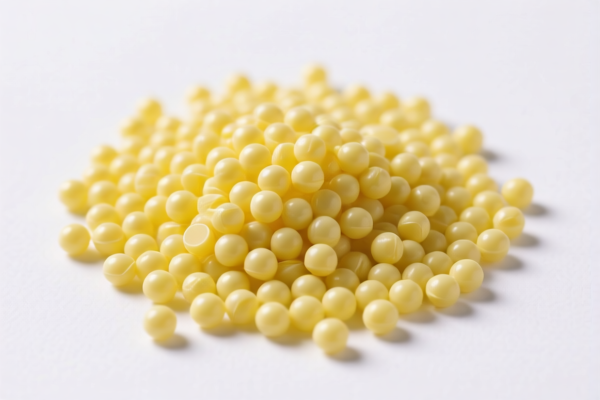
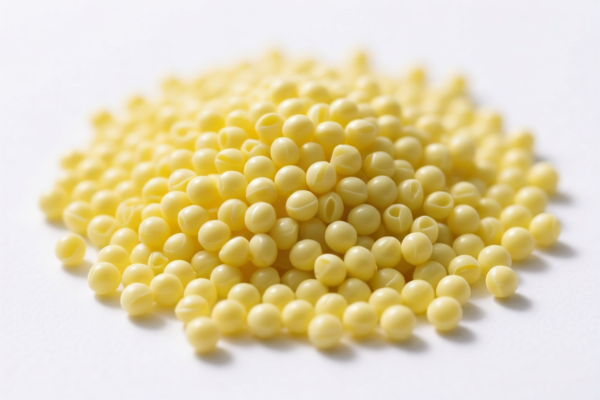
Linear Low-Density Polyethylene (LLDPE) is a type of polyolefin produced by copolymerizing ethylene with short-chain alpha-olefins (such as 1-butene, 1-hexene, or 1-octene). In its raw form for injection molding, it is considered a primary form polymer.
Key Characteristics: * Material: Polyolefin (Ethylene-based). * Form: Primary shape (pellets, granules, or powders) intended for molding. * Application: Used to manufacture plastic products via injection molding, extrusion, or blow molding.
⚠️ Critical Classification Distinction:
- If the material is classified under Chapter 39 (Plastics), it must be categorized based on the specific polymer type (e.g., Ethylene vs. Propylene) and physical form. - LLDPE is primarily an Ethylene Polymer. Therefore, it generally falls under heading 3901. - Misclassification under 3902 (Propylene polymers) or 3916 (Monofilament/Wire/Profile shapes) is a common error that leads to incorrect tariff assessments.
📦 II. HS Code Classification Details (Based on Provided Data)
The following table lists the five specific HS Codes derived from the provided dataset, along with their summaries and total tax rates. Please note that while all codes refer to LLDPE, the base tariff differs slightly between categories (3901/3902 vs. 3916).
| HS Code | Summary Logic | Total Tax Rate |
|---|---|---|
3901.10.50.10 |
LLDPE is a linear low-density polyethylene. The injection molding material is in primary form, matching the material and characteristics of the code exactly. | 41.5% |
3902.90.00.50 |
LLDPE belongs to olefin polymers. Injection material fits the "primary form" characteristic and is classified under "other olefin polymers." | 41.5% |
3902.10.00.00 |
LLDPE belongs to polyolefin polymers. The injection molding material fits the "primary form" characteristic. | 41.5% |
3916.90.50.00 |
LLDPE is a plastic material. Injection raw material belongs to primary shape plastic products. Based on material consistency principle. | 40.8% |
3916.10.00.00 |
LLDPE is an ethylene polymer material. Injection raw material belongs to primary shape polymers, consistent with classification logic. | 40.8% |
🔍 Analysis of Differences:
- Codes 3901.10.50.10, 3902.90.00.50, and 3902.10.00.00 carry a 41.5% total tax rate.
- Codes 3916.90.50.00 and 3916.10.00.00 carry a 40.8% total tax rate.
- Why the difference? The base tariff for Chapter 3901/3902 is 6.5%, while for Chapter 3916 it is 5.8%. This 0.7% difference is added to the mandatory surcharges.
💰 III. Detailed Tariff Breakdown (2026 Latest Rates)
✅ Applicable Country: United States (US)
✅ Country of Origin: China (CN)
✅ Effective Date: Post-2025 (Based on current surcharge structures)
🎯 1. Codes with 41.5% Total Tax Rate
Applies to:
- 3901.10.50.10 (Primary Ethylene Polymer)
- 3902.90.00.50 (Other Olefin Polymers)
- 3902.10.00.00 (Polyolefin Polymers)
| Item | Content |
|---|---|
| Base Tariff | 6.5% (Ad valorem) |
| Section 301 Surcharge | +25.0% (Additional tariff imposed under Section 301 of the Trade Act of 1974) |
| Section 122 Tariff | +10.0% (Specific tariff clause applicable to certain Chinese goods) |
| Total Tax Rate | 41.5% |
| Tax Calculation | CIF Value × 41.5% |
| De Minimis Exemption | ❌ Not Eligible (Deny De Minimis) |
| Legal Basis Path | Base Tariff: 6.5% → Section 301: +25% → Section 122: +10% |
📌 Explanation:
- The 6.5% is the standard Most Favored Nation (MFN) rate for these polymer headings. - The 25% is the standard Section 301 tariff for Chinese chemical products. - The 10% is the additional Section 122 tariff. - Total: 41.5%. This is a high-cost entry point for manufacturers.
🎯 2. Codes with 40.8% Total Tax Rate
Applies to:
- 3916.90.50.00 (Other Plastic Monofilament/Sheet/Strip)
- 3916.10.00.00 (Other Plastic Monofilament/Sheet/Strip)
| Item | Content |
|---|---|
| Base Tariff | 5.8% (Ad valorem) |
| Section 301 Surcharge | +25.0% (Additional tariff imposed under Section 301) |
| Section 122 Tariff | +10.0% (Specific tariff clause applicable to certain Chinese goods) |
| Total Tax Rate | 40.8% |
| Tax Calculation | CIF Value × 40.8% |
| De Minimis Exemption | ❌ Not Eligible (Deny De Minimis) |
| Legal Basis Path | Base Tariff: 5.8% → Section 301: +25% → Section 122: +10% |
📌 Note:
- Although 40.8% is slightly lower than 41.5%, it is still prohibitive. - Warning: Classification under 3916 (Plastic monofilaments, rods, tubes, etc.) is often incorrect for raw injection molding pellets unless they are specifically shaped into these forms. If you are shipping pellets, 3901 is the more technically accurate code despite the slightly higher base rate, due to the "Primary Form" description in the dataset.
🛠️ IV. Customs Clearance Practical Advice (Avoiding Pitfalls)
✅ 1. Required Documentation Checklist
| Document | Must Provide? | Explanation |
|---|---|---|
| ✅ Product Specification Sheet | ✔️ | Must state: "Linear Low-Density Polyethylene (LLDPE)," "Injection Molding Grade," "Primary Form (Pellets/Granules)." |
| ✅ Technical Data Sheet (TDS) | ✔️ | Shows density, melt flow index (MFI), and monomer type (ethylene/alpha-olefin). |
| ✅ Commercial Invoice | ✔️ | Must clearly describe the product as "LLDPE Resin/Pellets" and not just "Plastic." |
| ✅ Certificate of Origin | ✔️ | Essential for proving origin to apply surcharges accurately. |
| ✅ Packaging List | ✔️ | Detail weight per bag/ton to facilitate customs inspection. |
✅ 2. Declaration Tips (Key Mnemonic)
🔥 "Primary Form, Ethylene Base, 3901 is Best, Avoid 3916 if Pellet!"
| Scenario | Correct Declaration | Error to Avoid |
|---|---|---|
| LLDPE Pellets/Granules | 3901.10.50.10 (Primary Ethylene Polymer) | ❌ Do NOT use 3916 (Profile/Monofilament). |
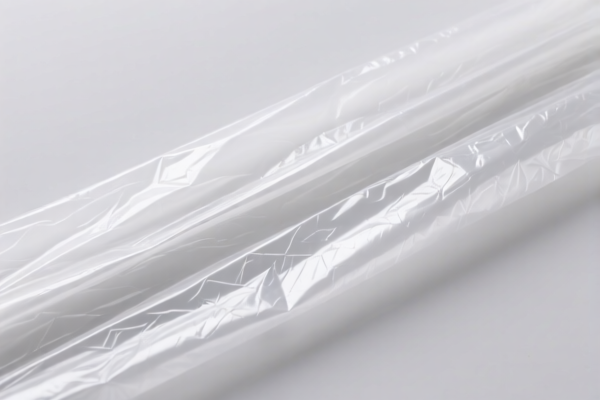
| LLDPE Film Rolls (Raw) | Check 3920 or 3921 (if processed) | ❌ Do not use 3901 if it's a finished film product. |
| LLDPE Injection Parts | Check 3926 (Plastic Articles) | ❌ Do not use 3901 if it's a finished molded part. |
📌 Key Point: The dataset emphasizes "Primary Form". If the LLDPE is in pellet form, it is not a finished article. It is a raw material. Therefore, Chapter 3901 (Plastics in primary forms) is the most logical choice, despite the 41.5% rate. Using 3916 might save 0.7% but carries a high risk of customs rejection or reclassification penalties if the goods are clearly pellets.
✅ 3. Special Circumstances
| Situation | Handling Advice |
|---|---|
| Mixed Shipments | If shipping LLDPE with other plastics, declare each type separately. Mixed classification can delay clearance. |
| OEM/Contract Manufacturing | Provide contract details to prove the goods are for industrial use, not consumer goods (though tax rate remains the same). |
| Origin Marking | Ensure all packaging is marked "Made in China" to avoid additional penalties for misdeclaration. |
🌍 V. Global Market Comparison (2026 Snapshot)
| Country/Region | Recommended HS Code | Estimated Total Tax | Notes |
|---|---|---|---|
| 🇺🇸 USA | 3901.10.50.10 |
41.5% | Includes 25% (301) + 10% (122) + 6.5% (Base). |
| 🇨🇳 China | 3901.10.50.10 |
~5-8% | Low base duty, no Section 301/122. |
| 🇪🇺 EU | 3901.10.00 |
~0-1.5% | Often duty-free for raw polymers, no major surcharges. |
| 🇲🇽 Mexico | 3901.10.50 |
~5-8% | USMCA may apply if rules of origin are met. |
📌 Conclusion:
The USA is the highest-cost market for LLDPE imports from China due to multiple layers of surcharges.
- 41.5% is a significant cost barrier.
- Consider supply chain diversification (e.g., sourcing from non-China origins) if possible, as other countries may have 0%~5% duties.
📌 VI. Common Errors & Pitfalls (Lessons Learned)
❌ Error 1: Classifying LLDPE Pellets under 3916
👉 Consequence: Customs may reject the code because 3916 refers to "Monofilaments, Rods, Tubes," not pellets. Even if the tax is 0.7% lower, the risk of reclassification and penalties is high.
❌ Error 2: Ignoring Section 122 Tariff
👉 Consequence: If the 10% Section 122 tariff is not declared, customs will assess additional duties + penalties upon audit.
❌ Error 3: Misidentifying Primary Form
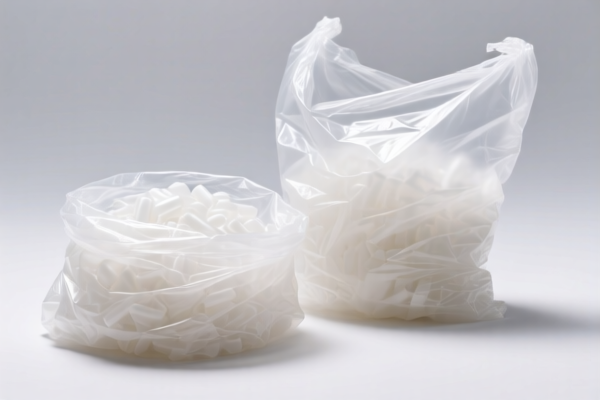
👉 Consequence: If LLDPE is mixed with other materials or is a finished product (e.g., LLDPE bags), it falls under a different chapter (e.g., 3926). Declaring finished goods as raw material is fraud.
✅ Correct Practice:
"Linear Low-Density Polyethylene (LLDPE), Injection Molding Grade, Primary Form, Pellets, 100% Virgin, Made in China"
🎯 VII. Conclusion: Professional Clearance, Cost Efficiency!
🎯 Remember the Formula:
🔹 LLDPE Pellets = 3901.10.50.10
🔹 Total Tax = 6.5% (Base) + 25% (301) + 10% (122) = 41.5%
🔹 3916 Codes = 40.8% (Riskier classification)
📌 Strategic Tip:
Given the 41.5% tax rate, it is crucial to:
1. Pre-clearance: Apply for an Advance Ruling from CBP if the product type is ambiguous.
2. Cost Calculation: Factor the full 41.5% into your landed cost, not just the base rate.
3. Alternative Sourcing: Explore sourcing from countries with USMCA or FTA benefits (e.g., Mexico, Canada) if the product can be sufficiently transformed there.
📣 Immediate Action:
📞 Contact a licensed Customs Broker
📄 Prepare TDS and Spec Sheets
🚀 Ensure Accurate HS Code Declaration to Avoid Delays and Penalties!
✨ Professional Clearance Starts with Accurate Classification!
💼 Your Cost Margin Depends on Precision!
Customer Reviews
About HS Code Classification
The Harmonized System (HS) is an internationally standardized nomenclature developed by the World Customs Organization (WCO) to classify traded products. Over 200 countries use the HS system as the basis for customs tariffs, trade statistics, and import/export regulations.
Each HS code follows a hierarchical structure:
- Chapter (2 digits) — Broad category of goods (e.g., Chapter 84: Machinery and Mechanical Appliances)
- Heading (4 digits) — More specific grouping within the chapter
- Subheading (6 digits) — Internationally standardized breakdown, used by all WCO member countries
- National subdivisions (8-10 digits) — Country-specific extensions for further classification, such as US HTSUS 10-digit codes
Correct HS code classification is essential for smooth customs clearance, accurate duty payment, and compliance with trade regulations. Misclassification can lead to customs delays, overpayment of duties, or penalties.
When importing from CN to US, the applicable tariff rates may include:
- Most-Favored-Nation (MFN) rate — The standard duty rate applied to WTO members
- General rate — Applied to countries without trade agreements
- Trade remedy duties — Additional tariffs such as Section 301 (anti-dumping), Section 232 (national security), or countervailing duties
The information provided on this page is for reference purposes only. For official classification, please consult with your local customs authority or a licensed customs broker.