Low Density Polyethylene LDPE Greenhouse Film
CN → US| HS Code | Tariff Rate | Origin | Destination | Doc |
|---|---|---|---|---|
| 3920100000 | 39.2% | CN | US | Official Doc |
| 3901105020 | 41.5% | CN | US | Official Doc |
| 3901101000 | 41.5% | CN | US | Official Doc |
| 3919905040 | 40.8% | CN | US | Official Doc |
| 3901105010 | 41.5% | CN | US | Official Doc |
Product Images


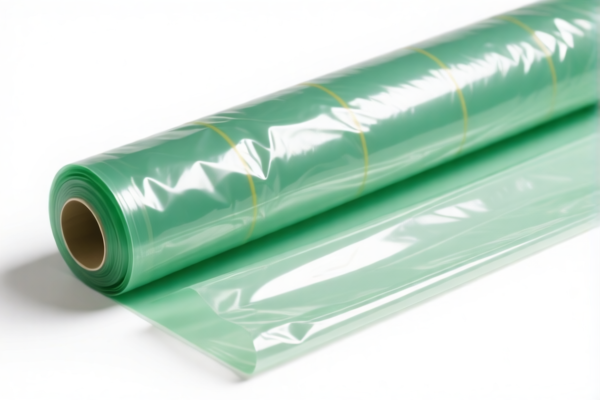
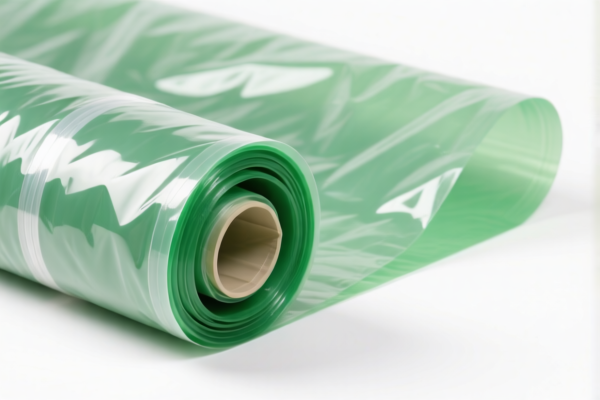
AI Analysis
🌿 Low Density Polyethylene (LDPE) Greenhouse Film
🌐 HS Code Reference & Customs Clearance Guide | 2026 Latest Tariff Analysis | Professional Clearance Strategy
📌 I. Product Definition & Classification: Do You Really Understand "LDPE Greenhouse Film"?
LDPE Greenhouse Film is a critical agricultural material, widely used for covering greenhouses, tunnels, and soil mulching. In international trade, its classification depends heavily on its form (finished vs. semi-finished) and specific chemical composition (resin vs. film).
Key Distinctions: * Raw Resin (Granules/Pellets): If the product is in its primary form (before being extruded into film), it falls under Chapter 39.01. * Finished Film/Sheet: If the product is already formed into a thin plastic film/sheet, it may fall under Chapter 39.20 or 39.19. * Material Specifics: LDPE has a specific gravity < 0.94, which is a key identifier for sub-classification in Chapter 39.01.
⚠️ Critical Classification Point:
- If you are importing LDPE Resin/Granules (raw material to make film) →归类 3901.10.xxxx
- If you are importing Finished LDPE Film (already extruded, ready for use) →归类 3920.10.00.00 or 3919.90.50.40
- Misclassification Risk: Declaring finished film as resin (or vice versa) can lead to significant tariff discrepancies and customs delays.
📦 II. HS Code Classification Details (2026 Latest Tariff Authority对照)
Based on the provided data, here are the potential HS Codes and their corresponding logic:
| HS Code | Product Description | Logic/Summary | Form Type |
|---|---|---|---|
3920.10.00.00 |
LDPE Film | Made of ethylene polymers, in film form. Matches requirements for plates, sheets, films, foil of polymers. | ✅ Finished Film |
3901.10.50.20 |
LDPE Resin/Film | Material is Low Density Polyethylene (LDPE), gravity < 0.94. Matches polyethylene classification. | ⚠️ Ambiguous (Often Resin) |
3901.10.10.00 |
LDPE Resin | LDPE is an ethylene polymer, gravity < 0.94. Film is a semi-finished form, fits polymer raw shape category. | ✅ Raw Material/Semi-finished |
3919.90.50.40 |
Plastic Film/Sheet | LDPE is plastic; film matches "plate, sheet, foil" description. Fits material & form requirements. | ✅ Finished Film |
3901.10.50.10 |
LDPE Resin | Low Density Polyethylene fully matches ethylene polymer, gravity < 0.94, primary shape/material requirements. | ✅ Raw Material |
🔍 Important Note:
- 3920.10.00.00 is typically the most accurate for finished plastic films (like greenhouse film) made from ethylene polymers. - 3901.10.xxxx codes are generally for primary forms (granules, pellets, powders). If your "greenhouse film" is actually raw LDPE resin, use these. - 3919.90.50.40 is a broader category for plastic films/sheets, but specific polymer codes (like 3920) are often preferred for clarity.
💰 III. 2026 Latest Tariff Rate Breakdown (Including Additional Taxes, Policy Add-ons)
✅ Applicable Country: United States (US)
✅ Origin: China (CN)
✅ Effective Time: 2025/2026 (Current Trade War Rates)
🎯 1. 3920.10.00.00 —— LDPE Film (Finished)
| Item | Content |
|---|---|
| Base Tariff | 4.2% (Ad Valorem) |
| Section 301 Tariff | +25.0% (Retaliatory Tariff on Chinese Goods) |
| Section 122 Tariff | +10.0% (Specific Trade Measure) |
| Total Tariff | 41.5% |
| Tax Calculation | CIF Value × 41.5% |
| De Minimis Exemption | ❌ Not Eligible (Section 301 and 122 tariffs generally deny de minimis for Chinese goods) |
| Legal Basis Path | USITC:3920.10.00.00 → Section 301: Footnote 9903.88.01 → Section 122: 19 USC 1677j |
📌 Explanation:
- The 4.2% is the standard MFN (Most Favored Nation) duty. - The 25% is the major Section 301 tariff affecting almost all Chinese plastics and films. - The 10% is an additional Section 122 tariff, often applied to specific goods to protect domestic industries. - Total 41.5% is a high burden. Clear communication with customs broker is essential.
🎯 2. 3901.10.50.20 & 3901.10.10.00 & 3901.10.50.10 —— LDPE Resin/Primary Form
| Item | Content |
|---|---|
| Base Tariff | 6.5% |
| Section 301 Tariff | +25.0% |
| Section 122 Tariff | +10.0% |
| Total Tariff | 41.5% |
| Tax Calculation | CIF Value × 41.5% |
| De Minimis Exemption | ❌ Not Eligible |
| Legal Basis Path | USITC:3901.10.xxxx → Section 301 → Section 122 |
📌 Note:
- Even if declared as raw resin (3901), the total tariff is 41.5%, identical to the film code in this dataset. - The base rate (6.5%) is slightly higher than the film base rate (4.2%), but the additional tariffs remain the same.
🎯 3. 3919.90.50.40 —— Plastic Film/Sheet (General)
| Item | Content |
|---|---|
| Base Tariff | 5.8% |
| Section 301 Tariff | +25.0% |
| Section 122 Tariff | +10.0% |
| Total Tariff | 40.8% |
| Tax Calculation | CIF Value × 40.8% |
| De Minimis Exemption | ❌ Not Eligible |
| Legal Basis Path | USITC:3919.90.50.40 → Section 301 → Section 122 |
📌 Comparison:
- This code has the lowest total tariff at 40.8% (saving $0.007 per $100 compared to 3920/3901 codes). - However, ensure your product strictly meets the "plastic film/foil" description without being more specifically classified under 3920. Misclassification here can lead to penalties.
🛠️ IV. Customs Clearance Practical Advice (Battle-Tested Pitfall Guide)
✅ 1. Required Documentation Checklist (Non-negotiable)
| Document | Must Provide | Notes |
|---|---|---|
| ✅ Product Specification Sheet | ✔️ | Must clearly state: Material (LDPE), Thickness, Width, Length, Usage (Greenhouse). |
| ✅ Composition Analysis | ✔️ | Confirm it is Low Density Polyethylene (not HDPE or LLDPE if claiming specific codes). |
| ✅ Commercial Invoice | ✔️ | Clearly describe as "LDPE Greenhouse Film" or "LDPE Resin Granules". Do not use vague terms like "Plastic Sheets". |
| ✅ Packing List | ✔️ | Detail gross/net weight, dimensions, and packaging type. |
| ✅ Certificate of Origin | ✔️ | Essential for verifying Chinese origin (triggers Section 301/122). |
| ✅ Photos | ✔️ | Show the product, labels, and packaging. For film, show thickness measurement. |
| ✅ Declaration Letter | ✔️ | If using 3920 vs 3901, declare whether it is a finished good or raw material. |
✅ 2. Declaration Tips (Key Mantras)
🔥 “Material First, Form Second, Tariff Logic Clear!”
| Situation | Correct Declaration | Wrong Approach |
|---|---|---|
| Finished Greenhouse Film | HS Code 3920.10.00.00 (or 3919.90.50.40 if advised) |
Declaring as 3901 (Resin) → False Declaration Risk |
| LDPE Resin Granules | HS Code 3901.10.xxxx |
Declaring as Film → Wrong Form Classification |
| Mixed Shipment (Film + Accessories) | Separate HTS codes for film and accessories | Bundling under one code → Undervaluation Risk |
| Vague Description "Plastic Film" | Specific: "LDPE, <0.94 SG, Greenhouse Cover" | Generic: "Plastic Film" → Customs Hold for Review |
✅ 3. Special Handling Cases
| Case | Handling Advice |
|---|---|
| OEM Greenhouse Film | Provide customer contract and design specs. Ensure material is clearly labeled as LDPE. |
| Recycled LDPE | If using recycled content, additional environmental regulations may apply. Disclose clearly. |
| Treated Film (Anti-UV/Additives) | If additives change the primary characteristic, the code might shift. Provide ingredient list. |
| Small Sample Shipments | Still subject to full tariff assessment. De minimis (Section 321) does not apply to Chinese goods under 301/122. |
🌍 V. Global Market Clearance Comparison (2026 Latest)
| Country/Region | Recommended HS Code | Tariff Rate | Certification | Notes |
|---|---|---|---|---|
| 🇺🇸 USA | 3920.10.00.00 |
41.5% | None specific | High tariff burden. Section 301 & 122 apply. |
| 🇨🇳 China | 3920.10.00.00 |
~6-8% | N/A | No 301/122 tariffs. Lower entry barrier. |
| 🇪🇺 EU | 3920.10.00.00 |
6.5% | REACH Compliant | No Section 301. Standard EU duty. |
| 🇯🇵 Japan | 3920.10.00.00 |
5.0% | JIS Standard | Favorable tariffs under EPA. |
| 🇦🇺 Australia | 3920.10.00.00 |
5.0% | AS/NZS Standards | CEPT Agreement may reduce duty. |
📌 Conclusion:
- The US market is the most challenging due to the cumulative 41.5% tariff. - Consider supply chain diversification: Sourcing LDPE film from Vietnam, Thailand, or India may avoid US Section 301/122 tariffs (though rules of origin must be strictly met). - EU and Asia offer more favorable duty rates but may have stricter environmental/chemical regulations (REACH, etc.).
📌 VI. Common Errors & Pitfalls Guide (Blood and Tears Lessons)
❌ Error 1: Declaring finished film as Resin to confuse customs
👉 Consequence: Customs inspection reveals film form → Penalty + Back Taxes + Demurrage
❌ Error 2: Ignoring Section 122 Tariff
👉 Consequence: Only paying 301 (25%) + Base (4.2%) = 29.2%. Actual is 41.5%. Underpayment discovered later.
❌ Error 3: Vague description "Plastic Wrap"
👉 Consequence: Customs may assign a worse HS Code with higher duty or require extensive testing to determine material.
❌ Error 4: Assuming De Minimis applies
👉 Consequence: Small samples or shipments under $800 are NOT exempt from Section 301/122 tariffs for Chinese origin. Full tax applies.
✅ Correct Practice:
"LDPE Greenhouse Film, 0.05mm thick, 10m wide, UV stabilized, made in China. HS: 3920.10.00.00."
🎯 VII. Conclusion: Professional Declaration Saves Money!
🎯 Remember the Mantras:
🔹 “Form Determines Code, Origin Determines Tax.”
🔹 “41.5% is the Real Cost for China-to-US LDPE Film.”
🔹 “Don’t Guess HS Code, Verify with Broker!”
📌 Pro Tip:
If your LDPE film is sourced from Vietnam, Mexico, or Thailand, you may qualify for exemptions from Section 301/122 tariffs, reducing the total duty to 0%-6.5%.
Recommend Applying for Advance Rulings before shipping large volumes to mitigate clearance risks.
📣 Take Action Now:
📞 Contact a licensed US Customs Broker + Provide Product Specs + Apply for HS Code Pre-Ruling
🚀 Ensure your Greenhouse Film clears customs smoothly, quickly, and cost-effectively!
✨ Professional Clearance Starts with Accurate Classification!
💼 Every Percent of Tariff Saved is Pure Profit!
Customer Reviews
About HS Code Classification
The Harmonized System (HS) is an internationally standardized nomenclature developed by the World Customs Organization (WCO) to classify traded products. Over 200 countries use the HS system as the basis for customs tariffs, trade statistics, and import/export regulations.
Each HS code follows a hierarchical structure:
- Chapter (2 digits) — Broad category of goods (e.g., Chapter 84: Machinery and Mechanical Appliances)
- Heading (4 digits) — More specific grouping within the chapter
- Subheading (6 digits) — Internationally standardized breakdown, used by all WCO member countries
- National subdivisions (8-10 digits) — Country-specific extensions for further classification, such as US HTSUS 10-digit codes
Correct HS code classification is essential for smooth customs clearance, accurate duty payment, and compliance with trade regulations. Misclassification can lead to customs delays, overpayment of duties, or penalties.
When importing from CN to US, the applicable tariff rates may include:
- Most-Favored-Nation (MFN) rate — The standard duty rate applied to WTO members
- General rate — Applied to countries without trade agreements
- Trade remedy duties — Additional tariffs such as Section 301 (anti-dumping), Section 232 (national security), or countervailing duties
The information provided on this page is for reference purposes only. For official classification, please consult with your local customs authority or a licensed customs broker.