Low Density Polyethylene Waste
CN → US| HS Code | Tariff Rate | Origin | Destination | Doc |
|---|---|---|---|---|
| 3902900050 | 41.5% | CN | US | Official Doc |
| 3902100000 | 41.5% | CN | US | Official Doc |
| 3902300000 | 41.5% | CN | US | Official Doc |
| 3915900090 | 35.0% | CN | US | Official Doc |
| 3903110000 | 41.5% | CN | US | Official Doc |
Product Images
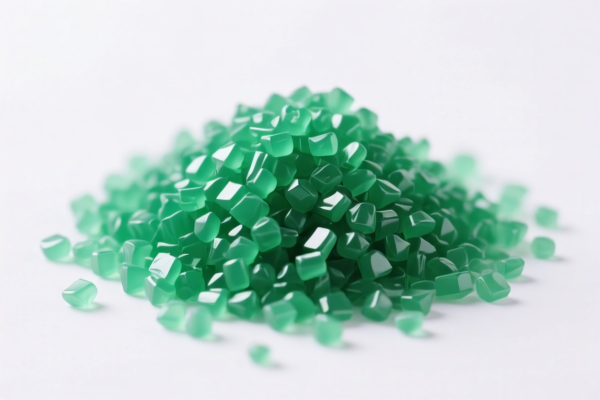
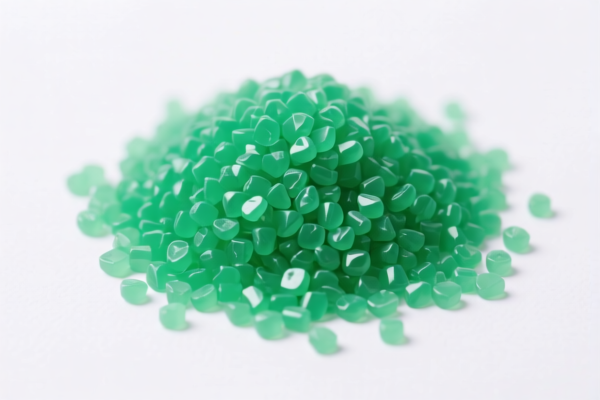

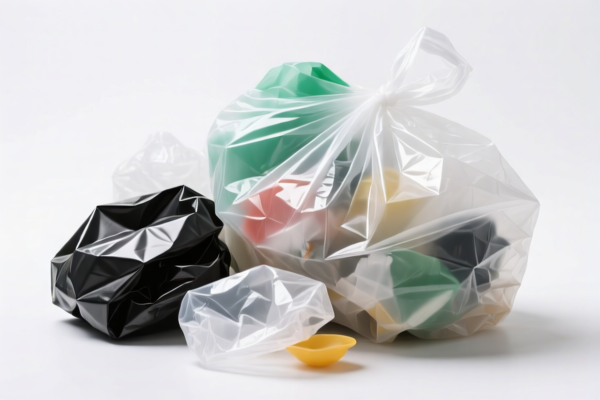
AI Analysis
🧪 Low Density Polyethylene Waste (LDPE Scrap)
🌐 HS Code Reference & Clearance Guide | 2026 Latest Tariff Analysis | Professional Customs Strategy
📌 I. Product Definition & Classification: Do You Really Understand "LDPE Waste"?
Low-Density Polyethylene (LDPE) Waste refers to discarded, recycled, or off-specification polyethylene materials with a density typically ranging from 0.910 to 0.940 g/cm³. In international trade, the classification heavily depends on the material composition and physical state (waste vs. primary shape).
Key Distinction Logic: * Linear vs. Low Density: If the material is chemically "Linear" (LLDPE), it falls under 3902.90. If it is strictly "Low Density" (LDPE), it falls under 3902.10. * Waste vs. Primary Shape: While both may look like plastic flakes or granules, "Waste" implies post-industrial or post-consumer scrap, whereas "Primary Shape" implies virgin material or material processed to a standard initial form for manufacturing. Misclassifying waste as primary shape can lead to severe penalties.
⚠️ Critical Differentiator:
- If the material is Linear Low-Density Polyethylene (LLDPE) waste →归入 3902.90.00.50
- If the material is strictly Low-Density Polyethylene (LDPE) waste → 归入 3902.10.00.00
- If the material is Polypropylene (PP) raw material (misidentified as PE) → 归入 3902.30.00.00
📦 II. HS Code Classification Details (2026 Latest Tariff Authority Comparison)
| HS Code | Product Description | Applicable Scenario | Material/State Definition |
|---|---|---|---|
3902.90.00.50 |
Linear Low-Density Polyethylene Waste Material: Olefin Polymer Form: Waste Classification: Other Primary Shapes |
Post-industrial LLDPE scrap, recycling feedstock | ✅ LLDPE Waste (Olefin Polymer) |
3902.10.00.00 |
Low-Density Polyethylene Waste Material: Low-Density Polyethylene Form: Waste Classification: Polyolefin Polymer, Primary Shape |
Standard LDPE flakes, film scrap, recycling raw material | ✅ LDPE Waste (Polyolefin) |
3902.30.00.00 |
Low-Density Polypropylene Raw Material Material: Polypropylene Form: Raw Material Classification: Propylene Copolymer/Polymer |
Note: Often confused with PE. If material is PP, not PE. | ⚠️ PP Raw Material (Not PE) |
3915.90.00.90 |
Polystyrene Waste Material: Polystyrene (PS) Form: Waste Classification: Other Plastics |
Note: If material is PS, not PE. | ❌ PS Waste (Different Polymer) |
3903.11.00.00 |
Polystyrene Waste (Primary Shape) Material: Polystyrene Form: Primary Shape/Raw Classification: Matches Material Definition |
Note: If material is PS, not PE. | ❌ PS Primary Shape (Different Polymer) |
🔍 Key Reminder:
- LLDPE vs. LDPE: Although both are polyethylenes, they have different HS codes under Chapter 39. LLDPE waste goes to 3902.90, while LDPE waste goes to 3902.10.
- Material Identification: Do not mislabel Polypropylene (PP) or Polystyrene (PS) as Polyethylene (PE). Customs may request lab tests (FTIR) to verify polymer type.
- Waste Status: Ensure documentation clearly states "Waste" or "Scrap" for 3902.10/3902.90. If declared as "Primary Shape" but physically shows signs of use/contamination, it will be reclassified, leading to tax discrepancies.
💰 III. 2026 Latest Tariff Rate Breakdown (Including Surtaxes & Policy Add-ons)
✅ Applicable Country: USA (US)
✅ Country of Origin: China (CN)
✅ Effective Date: 2025-11-10 onwards (including subsequent imports)
🎯 1. 3902.90.00.50 —— Linear Low-Density Polyethylene Waste (LLDPE Scrap)
| Item | Content |
|---|---|
| Base Tariff | 6.5% |
| Section 301 Surtax | +25.0% (Added Tariff) |
| Section 122 Tariff | +10.0% (Additional Surtax) |
| Total Tax Rate | 41.5% |
| Tax Calculation | CIF Value × 41.5% |
| De Minimis Eligibility | ❌ Not Eligible |
| Legal Basis Path | Base: 6.5% → Sec301: 25.0% → Sec122: 10.0% |
📌 Explanation:
- Base 6.5%: Standard MFN rate for olefin polymers.
- Section 301 (25%): The primary trade war surtax on Chinese goods.
- Section 122 (10%): Additional surtax applied to specific industrial materials.
- Total 41.5%: This is a high-cost entry. Importers must budget for nearly half the value in taxes.
🎯 2. 3902.10.00.00 —— Low-Density Polyethylene Waste (LDPE Scrap)
| Item | Content |
|---|---|
| Base Tariff | 6.5% |
| Section 301 Surtax | +25.0% |
| Section 122 Tariff | +10.0% |
| Total Tax Rate | 41.5% |
| Tax Calculation | CIF Value × 41.5% |
| De Minimis Eligibility | ❌ Not Eligible |
| Legal Basis Path | Base: 6.5% → Sec301: 25.0% → Sec122: 10.0% |
📌 Note:
- Identical tax burden to LLDPE waste.
- Despite being "waste," it is classified under Chapter 39 (Plastics) rather than Chapter 37 (Recycling/Scrap) due to its polymer structure and potential for reprocessing.
- Ensure the "Waste" status is well-documented to avoid being taxed as virgin resin (which might have different base rates, though currently similar due to surtaxes).
🎯 3. 3902.30.00.00 —— Polypropylene Raw Material (If Misidentified)
| Item | Content |
|---|---|
| Base Tariff | 6.5% |
| Section 301 Surtax | +25.0% |
| Section 122 Tariff | +10.0% |
| Total Tax Rate | 41.5% |
| Note | Applies to Polypropylene (PP), not Polyethylene. |
⚠️ Warning:
- If your shipment is labeled "LDPE" but is actually Polypropylene (PP), it should still be taxed at 41.5%. However, misdeclaration is a serious violation.
- PP and PE have different chemical properties. Customs labs can easily distinguish them.
🎯 4. 3915.90.00.90 —— Polystyrene Waste (If Misidentified)
| Item | Content |
|---|---|
| Base Tariff | 0.0% |
| Section 301 Surtax | +25.0% |
| Section 122 Tariff | +10.0% |
| Total Tax Rate | 35.0% |
| Note | Applies to Polystyrene (PS), not Polyethylene. |
⚠️ Warning:
- If you declare "LDPE Waste" but the shipment is Polystyrene (PS) waste, the correct rate is 35.0% (not 41.5%).
- However, if you intentionally misdeclare PS as LDPE to avoid scrutiny, you risk fraud penalties.
- Conversely, if you declare LDPE but it is PS, you might underpay taxes initially, but customs will likely audit and demand the difference plus interest.
🎯 5. 3903.11.00.00 —— Polystyrene Primary Shape (If Misidentified)
| Item | Content |
|---|---|
| Base Tariff | 6.5% |
| Section 301 Surtax | +25.0% |
| Section 122 Tariff | +10.0% |
| Total Tax Rate | 41.5% |
| Note | Applies to Polystyrene (PS) in primary shape. |
⚠️ Warning:
- Same high tax rate as PE waste.
- Do not confuse "Waste" with "Primary Shape" for any polymer. The distinction affects customs inspection priority and potential environmental fees.
🛠️ IV. Customs Clearance Practical Advice (Battle-Tested Pitfall Guide)
✅ 1. Required Documentation Checklist (All Mandatory)
| Document | Must Provide | Description |
|---|---|---|
| ✅ Material Safety Data Sheet (MSDS) | ✔️ | Must specify polymer type (LDPE vs. LLDPE vs. PP vs. PS). |
| ✅ Product Specification Sheet | ✔️ | Include density, melt flow index, and form (flakes, pellets, loose). |
| ✅ Certificate of Origin (CO) | ✔️ | Crucial for verifying Country of Origin (China) for surtax calculation. |
| ✅ Commercial Invoice | ✔️ | Clearly state: "LDPE Waste" or "LLDPE Waste" – do NOT use generic "Plastic Scrap." |
| ✅ Packing List | ✔️ | Detail net/gross weight. Ensure packaging is sealed to prevent contamination. |
| ✅ Lab Test Report (FTIR) | ✔️ | Recommended to prove polymer composition if HS code is disputed. |
| ✅ Declaration of No Contamination | ✔️ | State that waste is free from hazardous substances (heavy metals, etc.). |
✅ 2. Declaration Tips (Key Mantras)
🔥 “Polymer Type First, Waste State Clear, Code Precise, Tax Avoided!”
| Scenario | Correct Declaration | Error to Avoid |
|---|---|---|
| LLDPE Waste | 3902.90.00.50 - "LLDPE Waste" |
Declare as "PE Waste" (ambiguous) → Inspection delay |
| LDPE Waste | 3902.10.00.00 - "LDPE Waste" |
Declare as "Recycled Pellets" (implies virgin) → Misclassification |
| PP Material | 3902.30.00.00 - "PP Raw Material" |
Declare as "PE Waste" → Fraud risk, 41.5% tax still applies, plus penalties |
| PS Waste | 3915.90.00.90 - "PS Waste" |
Declare as "PE Waste" → Tax difference (35% vs 41.5%) + Audit risk |
✅ 3. Special Case Handling
| Situation | Handling Advice |
|---|---|
| Mixed Polymer Waste | If the shipment contains both PE and PP, it must be declared separately or classified under the most restrictive code. Mixed waste may trigger higher inspection rates. |
| Contaminated Plastic | If waste contains labels, glue, or other non-plastic contaminants, declare as "Waste." If cleaned to >95% purity, it might be reclassified as "Primary Shape," but ensure documentation supports this. |
| Origin Denial | If the product is re-packaged in a third country (e.g., Vietnam) but originates from China, Section 301 and Section 122 tariffs still apply. Customs checks supply chain transparency. |
| Environmental Compliance | Ensure waste meets EPA standards for import. Some states have additional restrictions on plastic waste imports. |
🌍 V. Global Market Clearance Comparison (2026 Latest)
| Country/Region | Recommended HS Code | Tariff (China Origin) | Certification | Notes |
|---|---|---|---|---|
| 🇺🇸 USA | 3902.10.00.00 / 3902.90.00.50 |
41.5% | EPA Compliance | High tariff due to Sec 301 + Sec 122. |
| 🇨🇳 China | 3902.10.00.00 |
0% (Recycled Waste) | CNCA Certificate | China encourages import of recycled plastic waste. |
| 🇪🇺 EU | 3915.90.00.00 |
6.5% | REACH, CE | EU has stricter waste import regulations (Basel Convention). |
| 🇬🇧 UK | 3915.90.00.00 |
6.5% | UKCA | Post-Brexit tariffs apply. |
| 🇯🇵 Japan | 3915.90.00.00 |
0-6% | JIS Standard | Lower barriers for recycling materials. |
📌 Conclusion:
- USA is the most expensive market for LDPE/LLDPE waste due to combined surtaxes (41.5%).
- EU and UK have lower base tariffs but stricter environmental controls.
- China remains a major importer of recycled plastics with favorable policies for high-quality waste streams.
📌 VI. Common Mistakes & Pitfalls (Lessons Learned)
❌ Mistake 1: Using "Plastic Waste" as the product name
👉 Consequence: Customs cannot determine polymer type → Inspection delay + Potential reclassification to highest tariff rate.
❌ Mistake 2: Confusing LLDPE and LDPE codes
👉 Consequence: Both are taxed at 41.5% currently, but incorrect coding leads to manual review and potential fines. Always be specific.
❌ Mistake 3: Declaring "Primary Shape" for Waste
👉 Consequence: If found to be waste, you may face penalties for misdeclaration. If found to be primary shape, you might pay less, but the risk of fraud allegation is high.
❌ Mistake 4: Ignoring Section 122 Tariff
👉 Consequence: Many importers forget the additional 10% Surtax. Total tax is 41.5%, not 31.5%. Budget accordingly.
✅ Correct Practice:
"Low-Density Polyethylene (LDPE) Waste, Flakes, For Recycling, Made in China, HS Code 3902.10.00.00, Subject to Sec 301 & Sec 122 Tariffs"
🎯 VII. Conclusion: Professional Declaration, Cost Optimization, Risk Mitigation
🎯 Remember the Mantra:
🔹 "Polymer ID is Key, Waste State is Clear, Code Specific, Tax Accurate."
🔹 "41.5% Total Tax for PE Waste in US, 35% for PS, Plan Your Margin!"
🔹 "Don't Guess the HS Code, Test the Polymer!"
📌 Pro Tip:
If you are importing large volumes, consider applying for an Exclusion under Section 301 if available for specific grades of plastic waste.
Also, ensure your supplier provides accurate polymer data sheets to support your declaration.
📣 Immediate Action:
📞 Contact your customs broker + Provide Product Photos + Verify Polymer Type via Lab Test
🚀 Ensure smooth customs clearance, accurate tax calculation, and efficient supply chain flow!
✨ Professional Clearance Starts with Accurate Classification!
💼 Every Percentage Point of Tax Matters!
Customer Reviews
About HS Code Classification
The Harmonized System (HS) is an internationally standardized nomenclature developed by the World Customs Organization (WCO) to classify traded products. Over 200 countries use the HS system as the basis for customs tariffs, trade statistics, and import/export regulations.
Each HS code follows a hierarchical structure:
- Chapter (2 digits) — Broad category of goods (e.g., Chapter 84: Machinery and Mechanical Appliances)
- Heading (4 digits) — More specific grouping within the chapter
- Subheading (6 digits) — Internationally standardized breakdown, used by all WCO member countries
- National subdivisions (8-10 digits) — Country-specific extensions for further classification, such as US HTSUS 10-digit codes
Correct HS code classification is essential for smooth customs clearance, accurate duty payment, and compliance with trade regulations. Misclassification can lead to customs delays, overpayment of duties, or penalties.
When importing from CN to US, the applicable tariff rates may include:
- Most-Favored-Nation (MFN) rate — The standard duty rate applied to WTO members
- General rate — Applied to countries without trade agreements
- Trade remedy duties — Additional tariffs such as Section 301 (anti-dumping), Section 232 (national security), or countervailing duties
The information provided on this page is for reference purposes only. For official classification, please consult with your local customs authority or a licensed customs broker.