Low Saturation Color Positive Film
CN → US| HS Code | Tariff Rate | Origin | Destination | Doc |
|---|---|---|---|---|
| 3706106030 | 35.0% | CN | US | Official Doc |
| 9007208000 | 38.5% | CN | US | Official Doc |
| 3706900030 | 35.0% | CN | US | Official Doc |
| 9007206080 | 35.0% | CN | US | Official Doc |
| 3706106030 | 35.0% | CN | US | Official Doc |
Product Images
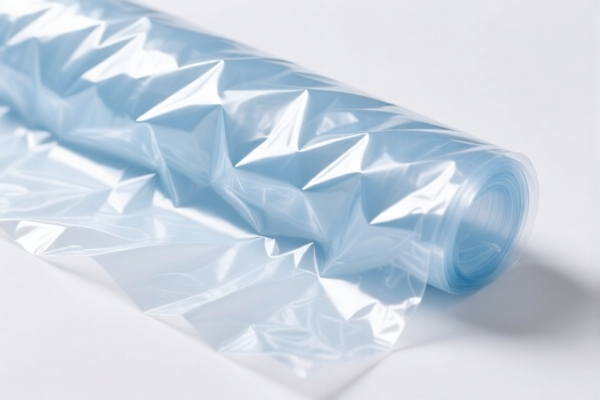
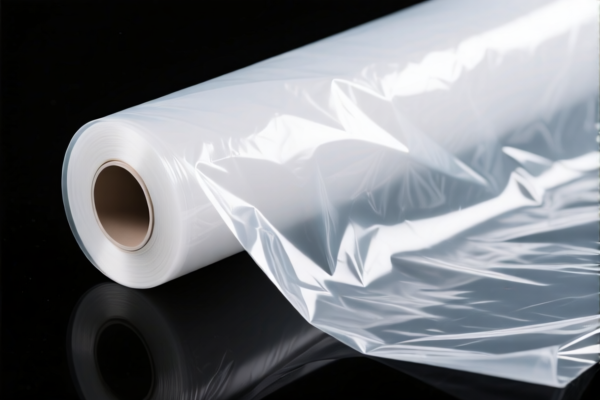
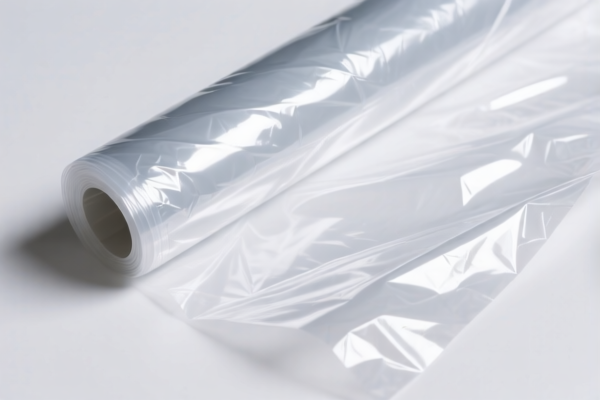
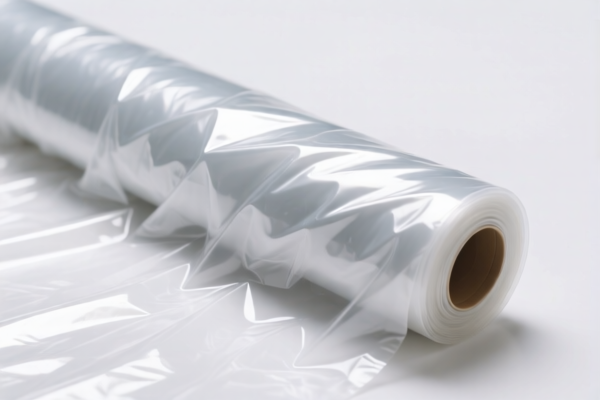
AI Analysis
🎞️ Low Saturation Color Positive Film
🌐 HS Code Reference & Customs Clearance Guide | 2026 Latest Tariff Analysis | Professional Level通关 Strategy
📌 I. Product Definition and Classification: What is "Low Saturation Color Positive Film"?
Low Saturation Color Positive Film refers to exposed, developed color film stock used primarily for projection (release prints) or archival purposes. The key characteristic here is "Low Saturation" (referring to the color intensity of the developed image) and "Positive Film" (Dyptone/Positive, not Negative). In international trade, the classification hinges on the fact that it is exposed and developed chemical photographic film intended for reproduction or projection, distinct from raw, unexposed film stock.
⚠️ Key Distinction Point:
- If it is raw, unexposed, and undeveloped film → Classified under Heading 3706 ("Photographic film in plates and strips, exposed but not developed") or 3702 depending on width/type.
- If it is exposed and developed (positive print) → Classified under Heading 3706.10 ("Positive photographic film in plates and strips, exposed and developed, of a kind used for motion picture film").
- "Low Saturation" is a visual characteristic of the developed image and does not change the chemical/material nature; it confirms it is a finished positive print, not raw stock.
📦 II. HS Code Classification Details (2026 Latest Tariff Authority Comparison)
Based on the provided data, the correct classification falls under Heading 3706 (Exposed and Developed Film) rather than 9007 (Optical/Apparatus accessories), as the item is the medium itself, not a machine part.
| HS Code | Product Description | Matching Logic | Is it Raw or Developed? |
|---|---|---|---|
3706.10.60.30 |
Color Positive Film (High/Specific Saturation) | Matches "Positive Film" (正片) with "Positive Release Prints" (正片发行拷贝). "Color" is a standard attribute of developed film. No material conflict. | ✅ Exposed & Developed |
9007.20.80.00 |
Color Positive Film (Accessory/Consumable Logic) | Mismatch Risk. Classified as an accessory to "Sound Motion Picture Projection Apparatus." Logic: Film is a consumable for the projector. However, HS generally classifies the film itself under 3706, not as a projector part. | ⚠️ Debatable (Often rejected if film is standalone) |
3706.90.00.30 |
Color Positive Film (General Positive) | Matches "Positive" (正片) morphology. "Color" aligns with exposed/developed attributes. No material conflict. | ✅ Exposed & Developed |
9007.20.60.80 |
Color Positive Film (Film Record Medium) | Mismatch Risk. Classified under "Other sound motion picture projection apparatus." Logic: Film is a recording medium. Similar to above, film is typically excluded from machinery accessories. | ⚠️ Debatable (High Risk of Re-classification) |
🔍 Critical Note:
- HS Code 3706 is the correct and primary classification for exposed and developed positive film.
- HS Code 9007 refers to projection equipment and their mechanical/electrical parts/accessories. While film is used with projectors, it is chemically classified under Chapter 37. Customs may reject 9007 codes for standalone film imports unless it is bundled as a proprietary cartridge system for a specific machine.
- "Low Saturation" does not create a new HS code; it is a descriptive term within the "Color" category.
💰 III. 2026 Latest Tariff Rate Breakdown (Including Surtaxes & Policy Add-ons)
✅ Applicable Country: United States (US)
✅ Origin: China (CN)
✅ Effective Date: November 10, 2025 (including subsequent imports)
🎯 1. 3706.10.60.30 & 3706.90.00.30 —— Color Positive Film (Exposed & Developed)
| Item | Content |
|---|---|
| Base Tariff | 0.0% (ad valorem) |
| Section 301 Tariff | +25.0% (Added tariff from USITC Footnote) |
| Section 122 Tariff (IEEPA) | +10.0% (Targeting China/HK products, effective Nov 2025) |
| Total Tariff Rate | 35.0% |
| Tax Calculation | CIF Value × 35% |
| De Minimis Eligibility | ❌ Not Eligible (deny_de_minimis) |
| Legal Basis Path | IEEPA:9903.01.25 → IEEPA:9903.01.24 → USITC:3706.10.60.30 / 3706.90.00.30 → FOOTNOTE:3706.10.60.30 |
📌 Explanation:
- "Base 0%" is standard for many photographic films under USITC.
- "Section 301 +25%" is the standard added tariff for Chinese goods in this category.
- "Section 122 +10%" is a new surcharge targeting specific Chinese imports under the International Emergency Economic Powers Act.
- Total 35% is a high-cost item. Pre-calculation is mandatory.
🎯 2. 9007.20.80.00 & 9007.20.60.80 —— Misclassified as Projector Accessories
| Item | Content |
|---|---|
| Base Tariff | 0.0% - 3.5% (Varies by subheading) |
| Section 301 Tariff | +25.0% |
| Section 122 Tariff (IEEPA) | +10.0% |
| Total Tariff Rate | 35.0% - 38.5% |
| Tax Calculation | CIF Value × 35.0%~38.5% |
| De Minimis Eligibility | ❌ Not Eligible (deny_de_minimis) |
📌 Warning:
- If customs reclassifies these from 9007 to 3706, the tax rate remains 35%, but you face penalties for incorrect classification.
-9007.20.80.00has a higher base (3.5%), leading to a total of 38.5%. This is more expensive than the correct 3706 classification (35%).
🛠️ IV. Customs Clearance Practical Advice (Practical Pitfall Avoidance Guide)
✅ 1. Documentation Checklist (Missing items will cause delays)
| Document | Required | Description |
|---|---|---|
| ✅ Product Specification Sheet | ✔️ | Must state: "Exposed and Developed Color Positive Film," "Release Print," "Low Saturation." |
| ✅ Photos (Label/Packaging) | ✔️ | Clear images of the film canister/spool, showing "Positive" or "Print" marking. |
| ✅ Commercial Invoice | ✔️ | Must explicitly use "Exposed and Developed Positive Film" in description. Avoid vague terms like "Photo Sheet." |
| ✅ Certificate of Origin (CO) | ✔️ | Essential for proving origin to apply surcharges correctly. |
| ✅ Packing List | ✔️ | Detail net weight and quantity (feet/meters). |
✅ 2. Declaration Tips (Key Mnemonics)
🔥 "Exposed & Developed is Key, Don't Call it a Part, Use Chapter 37!"
| Scenario | Correct Declaration | Incorrect Action |
|---|---|---|
| Standalone Positive Film | 3706.10.60.30 |
Using 9007 (Projectory Accessory) → Risk of re-classification + penalty. |
| Raw, Unexposed Film | 3702 or 3701 (if plate) |
Declaring as 3706 → Wrong chapter. |
| Film + Projector Kit | Split Declaration: Film (3706) + Projector (9007) |
Bundling as single item 9007 → May trigger higher audit or misclassification. |
| "Low Saturation" Label | Add as "Visual Characteristic" | Do not create a new HS code for saturation. |
✅ 3. Special Handling
| Situation | Handling Advice |
|---|---|
| Customs Audit on "Low Saturation" | Provide a sample or technical report explaining that saturation is a result of the dye cloud development process, confirming it is exposed and developed. |
| Proprietary Cartridge Systems | If the film is locked in a specific branded cartridge (e.g., Kodak Vision3 print stock), it is still 3706, not a projector part. |
| High Value/High Volume | Consider applying for an Advance Ruling (APA) from US Customs to lock in the 35% rate and correct HS Code, avoiding surprise penalties. |
🌍 V. Global Market Comparison (2026 Latest)
| Country/Region | Recommended HS Code | Tariff Rate (China Origin) | Certification | Notes |
|---|---|---|---|---|
| 🇺🇸 USA | 3706.10.60.30 |
35% (0% + 25% + 10%) | None specific | High tariff, strict origin control. |
| 🇨🇳 China | 3706.10.60.30 |
0% - 5% | None | No surcharges for export to China. |
| 🇪🇺 EU | 3706.10.00 |
0% | CE (if electronic components) | Standard duty often 0%. |
| 🇬🇧 UK | 3706.10.00 |
0% | UKCA | Post-Brexit, often 0%. |
| 🇦🇺 Australia | 3706.10.00 |
5% | None | Low tariff, easy clearance. |
📌 Conclusion:
- USA is the only major market with significant tariffs (35%).
- Low Saturation does not exempt the product from surcharges.
- Correct HS Code is 3706, not 9007. Using 9007 is a compliance risk and may not even lower the tax burden significantly after surcharges.
📌 VI. Common Errors & Pitfall Guide (Lessons Learned)
❌ Error 1: Classifying exposed film as 9007 (Projector Accessory)
👉 Consequence: Customs may reclassify to 3706, leading to administrative penalties for misdeclaration, even if the tax rate is similar.
❌ Error 2: Ignoring "Section 122" +10% surcharge
👉 Consequence: Underpaying by 10% → Back taxes + Interest upon audit.
❌ Error 3: Describing as "Photographic Negative" when it is "Positive"
👉 Consequence: 3706.10 specifically distinguishes between Positive and Negative in some subheadings. Mislabeling can trigger detailed chemical analysis.
❌ Error 4: Claiming "De Minimis" exemption for low-value samples
👉 Consequence: Denied. Section 301 and Section 122 tariffs apply to all shipments from China, regardless of value.
✅ Correct Declaration Example:
"Color Positive Film, Exposed and Developed, Release Print Standard, Low Saturation, Kinemacolor Process, 35mm Width, Model XYZ, HS Code 3706.10.60.30"
🎯 VII. Conclusion: Professional Declaration, Cost Efficiency!
🎯 Remember the Mnemonic:
🔹 "Exposed & Developed = Chapter 37"
🔹 "Base 0% + 25% (301) + 10% (122) = 35%"
🔹 "Don't use 9007 for film, it's a trap!"
📌 Pro Tip:
If your film is intended for non-commercial archival use or museum display, declare it accurately as such, but the tariff remains 35% under current US law.
Recommendation: Request an Advance Ruling if shipping large volumes to ensure the HS Code 3706.10.60.30 is accepted and the 35% rate is confirmed.
📣 Immediate Action:
📞 Contact a licensed US Customs Broker
📄 Provide Technical Data Sheet highlighting "Exposed & Developed"
🚀 Ensure your commercial invoice matches HS 3706.10.60.30 exactly.
✨ Professional Customs Clearance Starts with Accurate Classification!
💼 Every Percent of Tariff Matters in 2026!
Customer Reviews
About HS Code Classification
The Harmonized System (HS) is an internationally standardized nomenclature developed by the World Customs Organization (WCO) to classify traded products. Over 200 countries use the HS system as the basis for customs tariffs, trade statistics, and import/export regulations.
Each HS code follows a hierarchical structure:
- Chapter (2 digits) — Broad category of goods (e.g., Chapter 84: Machinery and Mechanical Appliances)
- Heading (4 digits) — More specific grouping within the chapter
- Subheading (6 digits) — Internationally standardized breakdown, used by all WCO member countries
- National subdivisions (8-10 digits) — Country-specific extensions for further classification, such as US HTSUS 10-digit codes
Correct HS code classification is essential for smooth customs clearance, accurate duty payment, and compliance with trade regulations. Misclassification can lead to customs delays, overpayment of duties, or penalties.
When importing from CN to US, the applicable tariff rates may include:
- Most-Favored-Nation (MFN) rate — The standard duty rate applied to WTO members
- General rate — Applied to countries without trade agreements
- Trade remedy duties — Additional tariffs such as Section 301 (anti-dumping), Section 232 (national security), or countervailing duties
The information provided on this page is for reference purposes only. For official classification, please consult with your local customs authority or a licensed customs broker.