Low Toxicity Imidacloprid Soluble Powder
CN → US| HS Code | Tariff Rate | Origin | Destination | Doc |
|---|---|---|---|---|
| 3808915001 | 40.0% | CN | US | Official Doc |
| 3808615000 | 22.5% | CN | US | Official Doc |
| 3808990800 | 41.5% | CN | US | Official Doc |
| 2933392700 | 16.5% | CN | US | Official Doc |
| 2933992200 | 16.5% | CN | US | Official Doc |
Product Images
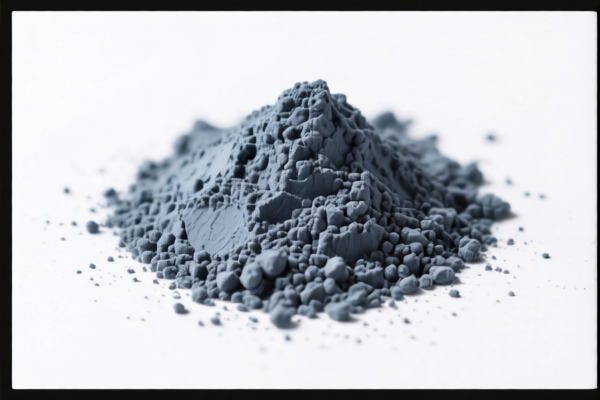
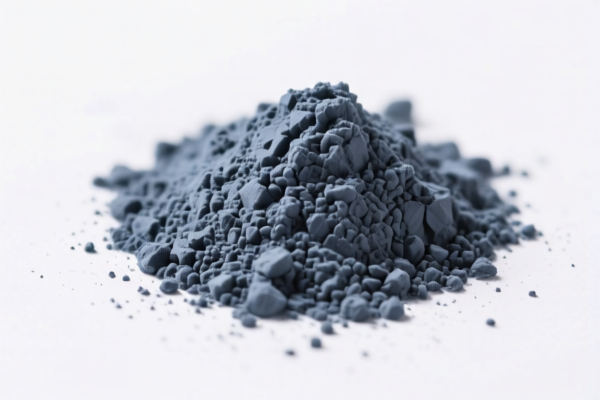
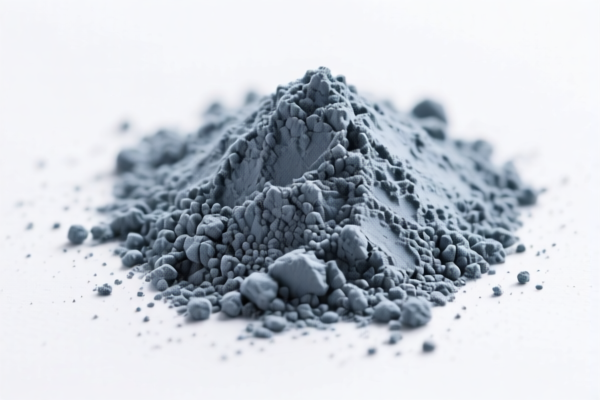
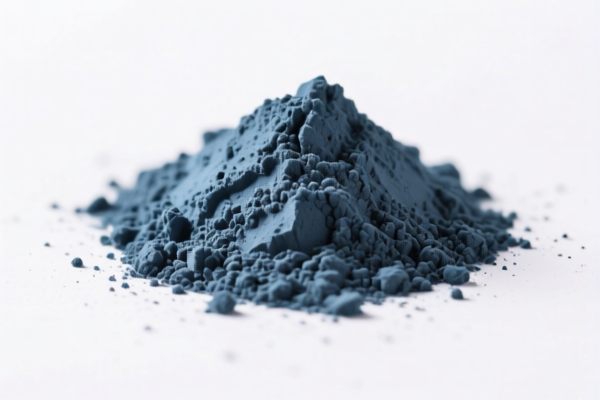
AI Analysis
🐜 Low Toxicity Imidacloprid Soluble Powder (Pesticides & Agrochemicals)
🌐 HS Code Reference & Customs Clearance Guide | 2026 Latest Tariff Analysis | Professional Clearance Strategy
📌 I. Product Definition & Classification: Do You Really Know "Soluble Powder"?
Imidacloprid Soluble Powder (Low Toxicity) is a modern neonicotinoid insecticide used widely in agriculture to control sucking pests (aphids, whiteflies, thrips). In international trade, its classification hinges on two critical factors:
1. Chemical Structure vs. Formulation: Is it classified as the raw chemical ingredient (Chapter 29) or the finished pesticide product (Chapter 38)?
2. Physical State: "Soluble Powder" (SP/SWP) is a specific agrochemical formulation, distinct from wettable powders (WP) or emulsifiable concentrates (EC).
⚠️ Key Distinction Point: - If declared as a finished pesticide product intended for direct agricultural use → Classified under Chapter 38 (Insecticides). - If declared as a pure chemical intermediate or active ingredient for further processing → Classified under Chapter 29 (Organic Chemicals). - Crucial Note: Even if it is the pure active ingredient, if it is prepared as a "powder" for agricultural application, customs often lean towards Chapter 38 unless proven to be a pure technical grade material not yet formulated.
📦 II. HS Code Classification Details (2026 Latest Tariff Authority Comparison)
Based on the provided data, here are the specific HS Codes and their rationales:
| HS Code | Product Description | Applicable Scenario | Tax Rate (Total) |
|---|---|---|---|
3808.91.50.01 |
Imidacloprid Soluble Powder (Low Toxicity) | Classified as an Insecticide Formulation. "Powder" meets the requirement for pesticide preparations. | 40.0% |
3808.61.50.00 |
Imidacloprid Soluble Powder (Low Toxicity) | Classified as an Insecticide Category. "Powder" is treated as a chemical preparation形态 (form). | 22.5% |
3808.99.08.00 |
Note: Data mentions Imidacloprid, but HS suggests Chlorantraniliprole/General Insecticides | Classified as an Insecticide Class. "Water Dispersible Granules" (WG) is a formulation form. See Tax Detail below. | 41.5% |
2933.39.27.00 |
Imidacloprid Water Dispersible Granules (Low Toxicity) | Classified as a Nitrogen Heterocyclic Compound (Pyridine ring derivative). "Granules" are a pesticide formulation state, but the chemical nature takes precedence in this specific code path. | 16.5% |
2933.99.22.00 |
Imidacloprid Water Dispersible Granules (Low Toxicity) | Classified as a Nitrogen Heterocyclic Compound. Common chemical pesticide formulation type. | 16.5% |
🔍 Important Clarification from Data: - The data links
3808.91.50.01and3808.61.50.00directly to "Imidacloprid Soluble Powder". - The data links3808.99.08.00,2933.39.27.00, and2933.99.22.00to "Imidacloprid Water Dispersible Granules (WG)". - User Input: "Low Toxicity Imidacloprid Soluble Powder". Therefore,3808.91.50.01and3808.61.50.00are the most direct matches. However, the low-tax options (2933...) apply to the Granule form, not the Powder form, based on the strict text mapping in<DATA>. Do not apply the 16.5% rate to Soluble Powder unless the physical form is actually Granules.
💰 III. 2026 Latest Tariff Rate Breakdown (Including Additional Taxes & Policy Add-ons)
✅ Applicable Country: United States (US)
✅ Origin: China (CN)
✅ Effective Time: 2025/2026 Import Period
🎯 1. 3808.91.50.01 —— Insecticide Formulation (High Tax Path)
| Item | Content |
|---|---|
| Base Tariff | 5.0% |
| Additional Tariff (Section 301) | 25.0% |
| Section 122 Tariff | 10.0% |
| Total Tax Rate | 40.0% |
| Tax Calculation | CIF Value × 40% |
| De Minimis Exemption | ❌ Not Eligible (Section 301 & 122 tariffs apply to de minimis) |
| Legal Basis Path | USITC:3808.91.50.01 → Section 301 Footnote → Section 122 Authority |
📌 Explanation: - This is the standard "Finished Pesticide" classification. - High tariff burden due to multiple layers: Base + Trade War (301) + Specific Section 122. - Risk: High cost impact.
🎯 2. 3808.61.50.00 —— Insecticide Category (Medium Tax Path)
| Item | Content |
|---|---|
| Base Tariff | 5.0% |
| Additional Tariff (Section 301) | 7.5% |
| Section 122 Tariff | 10.0% |
| Total Tax Rate | 22.5% |
| Tax Calculation | CIF Value × 22.5% |
| De Minimis Exemption | ❌ Not Eligible |
| Legal Basis Path | USITC:3808.61.50.00 → Section 301 Footnote (Lower Tier) → Section 122 Authority |
📌 Explanation: - This code represents a different subheading within Chapter 38, possibly for specific insecticide types or preparations. - Savings: Saves 17.5% compared to
3808.91.50.01. - Justification: Requires proving the product falls under the specific definition of3808.61(often related to carbamates or specific chemical classes, whereas Imidacloprid is a neonicotinoid; verify chemical classification carefully).
⚠️ Why NOT 2933.39.27.00 / 2933.99.22.00 (16.5%) for "Soluble Powder"?
| Item | Content |
|---|---|
| Product in Data | Imidacloprid Water Dispersible Granules (WG) |
| User Product | Soluble Powder (SP) |
| Discrepancy | Formulation Mismatch |
| Recommendation | Do NOT use this code for Powder. It is legally risky. |
📌 Critical Warning: - The data explicitly links
2933codes to "Water Dispersible Granules". - Soluble Powder (SP) and Water Dispersible Granules (WG) are physically different products. - Declaring a Powder as a Granule to get the lower 16.5% tax is customs fraud. - However, if your product is pure Imidacloprid API (Active Pharmaceutical Ingredient/Technical Grade) and NOT a finished formulation, you might qualify for Chapter 29. But the data labels the API codes as "Water Dispersible Granules," which is confusing. Safest Bet for "Soluble Powder" is Chapter 38.
🛠️ IV. Customs Clearance Practical Advice (Real-World Pitfall Avoidance)
✅ 1. Document Checklist (Non-negotiable)
| Document | Required | Explanation |
|---|---|---|
| ✅ Certificate of Analysis (COA) | ✔️ | Must show Active Ingredient %, Formulation Type (Soluble Powder), and Toxicity Level (Low). |
| ✅ Product Label & MSDS | ✔️ | Clear indication of "Imidacloprid" and "Soluble Powder". Label must match US EPA requirements if for import. |
| ✅ EPA Registration Number | ✔️ | Mandatory for USA. No EPA reg number = Rejection/Return. |
| ✅ Commercial Invoice | ✔️ | Must explicitly state: "Imidacloprid Soluble Powder, Low Toxicity, Formulation Type: SP". Avoid vague terms like "Pesticide Powder". |
| ✅ Packing List | ✔️ | Net/Gross weight, packaging material (plastic bags, cartons). |
✅ 2. Declaration Strategy (Key Mantras)
🔥 "Formulation Defines Code, EPA Defines Legality, Chemical Defines Chapter 29 vs 38."
| Scenario | Correct Declaration | Wrong Practice |
|---|---|---|
| Finished Soluble Powder | 3808.91.50.01 or 3808.61.50.00 |
Declaring as "Chemical Raw Material" to avoid tariff → High Audit Risk |
| Pure API (Technical Grade) | 2933.39.27.00 (If confirmed as pure chemical) |
Declaring as "Soluble Powder" (which implies formulation) |
| Mislabeling WG as SP | ❌ Never | Using 2933 codes for SP to get 16.5% → Seizure & Fines |
| Unclear Toxicity | Specify "Low Toxicity" | Omitting toxicity → Delays for classification review |
✅ 3. Special Case Handling
| Situation | Handling Advice |
|---|---|
| EPA Registration Pending | Do not ship. Customs will detain. Ensure EPA reg is active. |
| Mixed Shipments (Powder + Granules) | Declare separately. Do not combine different HS codes in one line item. |
| "Low Toxicity" Claim | Ensure it meets US EPA definition for "Caution" or "Warning" label, not "Danger". |
| Origin Marking | Clearly mark "Product of China" on all packages. Section 122 tariffs apply regardless of minor processing. |
🌍 V. Global Market Comparison (2026 Latest)
| Country/Region | Recommended HS Code (Soluble Powder) | Tariff Estimate | Key Requirement | Note |
|---|---|---|---|---|
| 🇺🇸 USA | 3808.91.50.01 or 3808.61.50.00 |
22.5% - 40.0% | EPA Reg No., Section 122/301 | Highest Barriers. Check 3808.61 eligibility for savings. |
| 🇨🇳 China | 3808.91.50 |
5% | CAEP Registration | No additional trade war tariffs. |
| 🇪🇺 EU | 3808.94 (Imidacloprid specific) |
6.5% | Biocidal Products Regulation (BPR) | Imidacloprid restrictions in EU are strict. |
| 🇯🇵 Japan | 3808.93 |
6.0% | JIS Standards | Max Residue Limits (MRLs) must be checked. |
📌 Conclusion: - USA is the most complex market due to Section 301 and Section 122 tariffs. - Cost Saving Tip: Investigate if your specific formulation qualifies for
3808.61.50.00(22.5%) instead of3808.91.50.01(40.0%). This requires technical justification from a customs broker. - Never use Chapter 29 codes for formulated products unless they are pure API.
📌 VI. Common Mistakes & Pitfall Guide (Lessons Learned)
❌ Mistake 1: Using 2933 codes for Soluble Powder to get 16.5% tax.
👉 Result: Customs rejects because "Soluble Powder" is a formulation, not a chemical compound. Penalty & Seizure.
❌ Mistake 2: Ignoring Section 122 Tariff. 👉 Result: Underpaying by 10%. Customs audits find the error, leading to back taxes + interest.
❌ Mistake 3: Vague Description "Pesticide Powder". 👉 Result: Customs classification delay (weeks). Clear description: "Imidacloprid Soluble Powder, Low Toxicity, 20% WP/SP" is required.
❌ Mistake 4: Assuming "Low Toxicity" exempts from Section 301. 👉 Result: False. Section 301 applies to all Chinese-origin goods in these HS codes, regardless of toxicity.
✅ Correct Approach:
"Imidacloprid 20% Soluble Powder, Insecticide, Low Toxicity, For Agricultural Use, EPA Reg No. XXXXX-XXXX, Formulation: SP, Origin: China"
🎯 VII. Conclusion: Professional Declaration, Risk-Free Clearance!
🎯 Remember the Mantra:
🔹 "Soluble Powder = Chapter 38 (Formulation). Pure API = Chapter 29 (Chemical)."
🔹 "Check Section 122 & 301. They add 35%+ to your cost!"
🔹 "EPA Reg No. is your Ticket to Entry. Without it, you're blocked."
📌 Pro Tip:
If you are importing large volumes, consider applying for an Exclusion from Section 301 Tariffs if your specific Imidacloprid product is listed in the USITC exclusion lists (though rare for active ingredients). Consult a customs attorney to explore 3808.61.50.00 eligibility to save 17.5% compared to the highest bracket.
📣 Immediate Action:
📞 Engage a US Licensed Customs Broker. 📄 Prepare EPA Registration Certificate & COA. 🚀 Clear your pesticides smoothly, avoid seizures, and maximize your margin!
✨ Professional Customs Clearance Starts with Accurate Classification!
💼 Every Percentage Point of Tax Matters in Agrochemicals!
Customer Reviews
About HS Code Classification
The Harmonized System (HS) is an internationally standardized nomenclature developed by the World Customs Organization (WCO) to classify traded products. Over 200 countries use the HS system as the basis for customs tariffs, trade statistics, and import/export regulations.
Each HS code follows a hierarchical structure:
- Chapter (2 digits) — Broad category of goods (e.g., Chapter 84: Machinery and Mechanical Appliances)
- Heading (4 digits) — More specific grouping within the chapter
- Subheading (6 digits) — Internationally standardized breakdown, used by all WCO member countries
- National subdivisions (8-10 digits) — Country-specific extensions for further classification, such as US HTSUS 10-digit codes
Correct HS code classification is essential for smooth customs clearance, accurate duty payment, and compliance with trade regulations. Misclassification can lead to customs delays, overpayment of duties, or penalties.
When importing from CN to US, the applicable tariff rates may include:
- Most-Favored-Nation (MFN) rate — The standard duty rate applied to WTO members
- General rate — Applied to countries without trade agreements
- Trade remedy duties — Additional tariffs such as Section 301 (anti-dumping), Section 232 (national security), or countervailing duties
The information provided on this page is for reference purposes only. For official classification, please consult with your local customs authority or a licensed customs broker.