Low density shoe covers
CN → US| HS Code | Tariff Rate | Origin | Destination | Doc |
|---|---|---|---|---|
| 6307909891 | 24.5% | CN | US | Official Doc |
| 6307909875 | 24.5% | CN | US | Official Doc |
| 6405902000 | 21.3% | CN | US | Official Doc |
| 6405209080 | 22.5% | CN | US | Official Doc |
| 3926204010 | 16.5% | CN | US | Official Doc |
Product Images
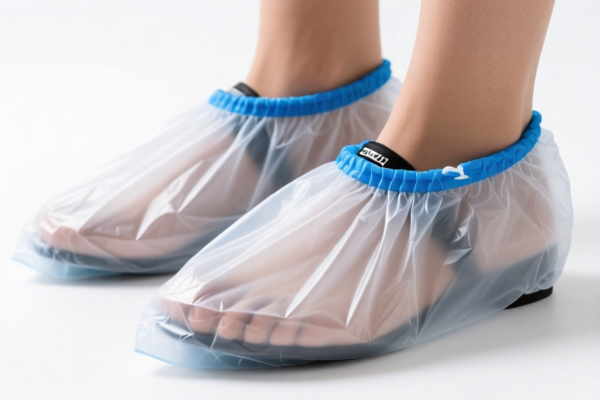
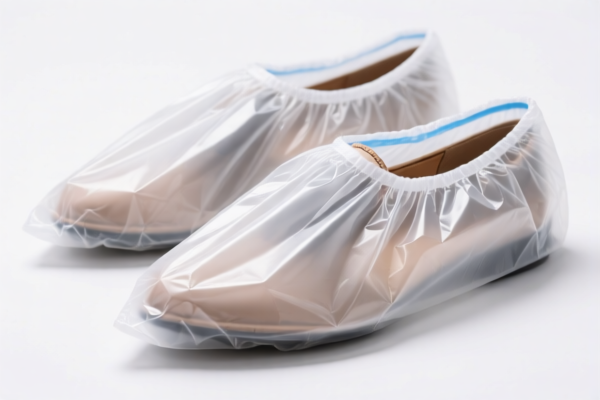
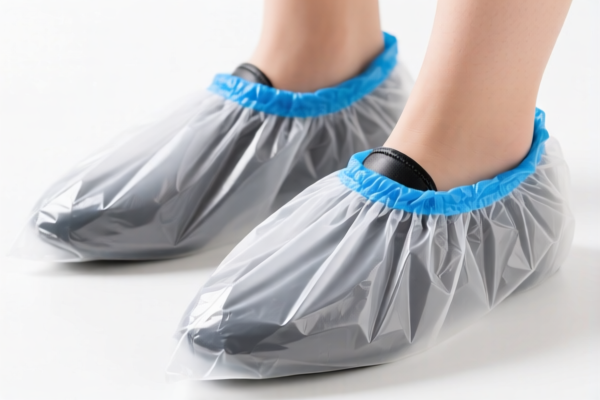
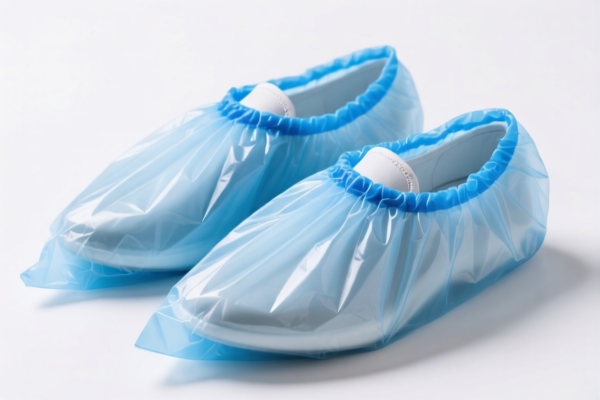
AI Analysis
👟 Low Density Shoe Covers (Protective Footwear Accessories)
🌐 HS Code Reference & Clearance Guide | 2026 Latest Tariff Analysis | Strategic Clearance Strategy
📌 Part 1: Product Definition & Classification: What Are "Low Density Shoe Covers"?
"Low Density Shoe Covers" are protective disposable or semi-disposable footwear accessories made from Low-Density Polyethylene (LDPE) or similar flexible plastic materials. They are designed to prevent contamination, protect shoes from dirt/moisture, or provide hygiene barriers in industrial, medical, or cleanroom environments.
In international trade, these products fall into a gray area between Plastic Articles and Footwear Accessories, leading to significant tariff differences depending on the classification logic used by customs authorities.
⚠️ Key Distinction:
- If viewed as generic plastic articles (no specific footwear function beyond covering): → 3926.20.40.10
- If viewed as specific protective headgear/face masks (misclassification risk, but seen in data): → 6307.90.98.75
- If viewed as other made-up textile/plastic articles: → 6307.90.98.91
- If viewed as shoe accessories/attachments: → 6405.20.90.80
- If viewed as one-time-use shoe extensions: → 6405.90.20.00
📦 Part 2: HS Code Classification Matrix (Based on Provided Data)
| HS Code | Product Description (Inferred) | Primary Logic | Total Tax Rate (US/CN) |
|---|---|---|---|
3926.20.40.10 |
Plastic Articles – Gloves & Similar | Material: Low-Density Plastic (PE). Usage: Disposable/One-time. Note: Logic interprets "covers" as general plastic articles. | 16.5% |
6307.90.98.91 |
Other Made-Up Articles | Material: Plastic/Synthetic. Form: Finished Good. Category: Catch-all for non-specific made-up items. | 24.5% |
6307.90.98.75 |
Protective Articles (Face/Mask Logic) | Material: Low-Density Plastic. Category: Protective Made-Up Articles. Note: Data implies a protective classification. | 24.5% |
6405.90.20.00 |
Other Footwear – Accessories/Extensions | Usage: One-time shoe extension. Material: Non-textile plastic. Category: Disposable footwear accessories. | 21.3% |
6405.20.90.80 |
Footwear – Other Materials | Material: Low-Density Synthetic (PE/PP). Category: Shoe attachments/attachments. | 22.5% |
🔍 Critical Insight:
- The lowest tax rate (16.5%) is achieved by classifying under Chapter 39 (Plastics), specifically as a general plastic article.
- Classifying under Chapter 64 (Footwear) or Chapter 63 (Other Textile/Plastic Articles) results in higher duties (21.3%–24.5%).
- Customs officers often challenge Chapter 39 classifications for shoe covers, arguing they are "footwear accessories" (Chapter 64), leading to potential reclassification and higher taxes.
💰 Part 3: Detailed Tariff Breakdown (US Import from China)
✅ Applicable Country: United States (US)
✅ Origin: China (CN)
✅ Effective Date: Post-2025 Trade Policies (Including Section 301 & IEEPA Add-ons)
🎯 1. 3926.20.40.10 – Lowest Risk & Cost Option
| Item | Details |
|---|---|
| Base Duty | 6.5% |
| Section 301 / Additional Duty | 0.0% (No additional 7.5% listed in source data for this specific code) |
| IEEPA 122-Clause Tariff | 10.0% |
| Total Effective Tax | 16.5% |
| Calculation | CIF Value × 16.5% |
| De Minimis Exemption | ❌ Not Eligible (High tax rate typically disqualifies from $800 de minimis if duty exceeds threshold or if specifically listed) |
| Legal Basis | IEEPA:9903.01.25 → USITC:3926.20.40.10 |
📌 Why 16.5%?
- This code leverages the "Plastic Article" classification to avoid the higher "Footwear" base rates.
- Crucially, the provided data shows 0.0% additional duty for this code, unlike others. This makes it the most cost-effective choice.
- Risk: Customs may argue shoe covers are "footwear," not "plastic articles," leading to disputes. However, if accepted, it saves 8%–12% compared to other codes.
🎯 2. 6405.90.20.00 – Disposable Shoe Extension
| Item | Details |
|---|---|
| Base Duty | 3.8% |
| Additional Duty | 7.5% |
| IEEPA 122-Clause Tariff | 10.0% |
| Total Effective Tax | 21.3% |
| Calculation | CIF Value × 21.3% |
| De Minimis Exemption | ❌ Not Eligible |
| Legal Basis | IEEPA:9903.01.25 → USITC:6405.90.20.00 |
📌 Why 21.3%?
- Although the base duty is low (3.8%), the 7.5% Section 301 add-on pushes the total up.
- Suitable if the product is explicitly marketed as a "disposable shoe cover" with a specific foot-shaped morphology.
🎯 3. 6405.20.90.80 – Shoe Attachments/Accessories
| Item | Details |
|---|---|
| Base Duty | 12.5% |
| Additional Duty | 0.0% |
| IEEPA 122-Clause Tariff | 10.0% |
| Total Effective Tax | 22.5% |
| Calculation | CIF Value × 22.5% |
| De Minimis Exemption | ❌ Not Eligible |
| Legal Basis | IEEPA:9903.01.25 → USITC:6405.20.90.80 |
📌 Why 22.5%?
- High base duty (12.5%) due to "Other Footwear" classification.
- No additional Section 301 duty, but IEEPA 122-Clause still applies.
- Better than 6307 codes, but worse than 3926.
🎯 4. 6307.90.98.75 & 6307.90.98.91 – Protective/Other Made-Up Articles
| Item | Details |
|---|---|
| Base Duty | 7.0% |
| Additional Duty | 7.5% |
| IEEPA 122-Clause Tariff | 10.0% |
| Total Effective Tax | 24.5% |
| Calculation | CIF Value × 24.5% |
| De Minimis Exemption | ❌ Not Eligible |
| Legal Basis | IEEPA:9903.01.25 → USITC:6307.90.98.75/91 |
📌 Why 24.5%?
- Highest tax rate in the provided dataset.
- Classification as "Other Made-Up Articles" or "Protective Articles" attracts the full Section 301 add-on (7.5%).
- Recommendation: Avoid this classification for shoe covers unless no other option exists.
🛠️ Part 4: Practical Clearance Advice (Avoiding Pitfalls)
✅ 1. Documentation Checklist (Mandatory)
| Document | Required? | Notes |
|---|---|---|
| ✅ Product Specifications | ✔️ | Must specify: Material (LDPE/PE), Thickness, One-time use vs. Reusable |
| ✅ Material Composition Statement | ✔️ | Explicitly state "100% Low-Density Polyethylene" to support 3926 classification |
| ✅ Product Photos | ✔️ | Show flat lay (to highlight plastic nature) and worn state (to show protective function) |
| ✅ Commercial Invoice | ✔️ | Use neutral terms like "Plastic Protective Covers" rather than "Footwear" if aiming for 3926 |
| ✅ Certificate of Origin | ✔️ | Required for IEEPA 122-Clause enforcement |
| ✅ Customs Binding Ruling | ✔️ | Strongly Recommended |
✅ 2. Strategic Declaration Tips (The "Golden Rules")
🔥 Rule #1: Emphasize Material, Not Form
- When declaring, focus on "Plastic Article" attributes.
- Avoid words like "Shoe," "Foot," "Boot" in the generic description if using 3926.20.40.10.
- Use: "Disposable Plastic Protective Covers for Hygiene Purposes."🔥 Rule #2: Morphology Matters
- If the cover is molded into a foot shape, customs may insist on Chapter 64 (Footwear).
- If it is a simple sleeve/slip-on, Chapter 39 (Plastics) is more defensible.🔥 Rule #3: One-Time Use is Key
- Highlighting "Disposable" or "One-Time Use" supports the 3926 (Plastic Goods) classification, as footwear is typically expected to be durable.
| Scenario | Recommended HS Code | Risk Level | Cost Efficiency |
|---|---|---|---|
| Simple Plastic Sleeve | 3926.20.40.10 |
Medium (Dispute Risk) | ⭐⭐⭐⭐⭐ (Lowest Tax) |
| Foot-Shaped Molded Cover | 6405.90.20.00 |
Low (Clear Intent) | ⭐⭐⭐⭐ (Medium Tax) |
| Reinforced/Non-Disposable | 6405.20.90.80 |
Low | ⭐⭐⭐ (Higher Tax) |
| Vague/General Protection | 6307.90.98.91 |
High (Over-Taxed) | ⭐ (Highest Tax) |
✅ 3. Special Cases & Handling
| Situation | Strategy |
|---|---|
| Customs Challenges 3926 | Have engineering drawings ready to prove it’s a "plastic article" not a "footwear accessory." Cite USITC Ruling if available. |
| Bulk Import vs. Retail | Bulk imports are more likely to be scrutinized for misclassification. Ensure invoice matches packing list exactly. |
| Hygiene/Medical Use | If marketed as "Medical Grade," ensure compliance with FDA (if applicable) to avoid delays, but this doesn’t change HS Code significantly unless it’s a specific medical device. |
| Reusable vs. Disposable | Disposable = Stronger case for 3926. Reusable = Stronger case for 6405 (Footwear/Accessories). |
🌍 Part 5: Global Market Comparison (2026 Context)
| Market | Recommended HS Code | Est. Tax (US/CN) | Key Requirement |
|---|---|---|---|
| 🇺🇸 USA | 3926.20.40.10 |
16.5% | Strict IEEPA 122-Clause enforcement. Provenance critical. |
| 🇺🇸 USA | 6405.90.20.00 |
21.3% | Safer if product is distinctly foot-shaped. |
| 🇪🇺 EU | 3926.20.40.10 |
~0-5% (VAT extra) | No Section 301. Focus on CE/REACH compliance. |
| 🇨🇳 China | 3926.20.40.10 |
~5-10% (Import Duty) | Lower tariffs. No IEEPA impact. |
📌 Conclusion for US Importers:
- 3926.20.40.10 is the financial sweet spot (16.5%).
- 6405.90.20.00 is the compliance sweet spot (21.3%) if the product is clearly footwear-related.
- Avoid 6307 codes unless necessary, as they offer no tax advantage and carry high scrutiny.
📌 Part 6: Common Mistakes & Pitfalls (Learn from Others' Errors)
❌ Mistake 1: Using "Shoe Covers" in the description but declaring under 3926.
👉 Consequence: Customs audit → Potential reclassification to 6405 → 5.8%–8.0% back taxes + penalties.
👉 Fix: Use "Plastic Protective Covers" or "Disposable Plastic Sheaths."
❌ Mistake 2: Assuming all plastic items are 3926.
👉 Consequence: If the item has a distinct foot shape and is intended for repeated wear, it may be deemed 6405.
👉 Fix: Analyze the primary function and design.
❌ Mistake 3: Ignoring the IEEPA 122-Clause.
👉 Consequence: Even if base duty is low, the 10% IEEPA surcharge applies to all Chinese-origin goods in these categories.
👉 Fix: Factor in the 10% IEEPA cost in all pricing models.
✅ Correct Approach:
"Disposable LDPE Plastic Protective Covers for Industrial Hygiene. Not Footwear. One-Time Use."
🎯 Part 7: Conclusion: Smart Classification Saves Money
🎯 Key Takeaway:
- Lowest Tax:
3926.20.40.10(16.5%)- Safest Footwear Tax:
6405.90.20.00(21.3%)- Avoid:
6307codes (24.5%) unless no other option exists.
📌 Pro Tip:
If you are importing large volumes, apply for an Advance Ruling from U.S. Customs and Border Protection (CBP) for 3926.20.40.10 to lock in the 16.5% rate. This provides legal certainty and protects against future audits.
📣 Immediate Action:
📞 Consult a customs broker with product images.
📝 Draft invoice descriptions to emphasize "Plastic Article" over "Footwear."
📋 Verify IEEPA 122-Clause exclusions if applicable (rare for plastics).
✨ Precision in Classification = Precision in Profit!
💼 Don’t let ambiguous declarations cost you 8% in unnecessary duties!
Customer Reviews
About HS Code Classification
The Harmonized System (HS) is an internationally standardized nomenclature developed by the World Customs Organization (WCO) to classify traded products. Over 200 countries use the HS system as the basis for customs tariffs, trade statistics, and import/export regulations.
Each HS code follows a hierarchical structure:
- Chapter (2 digits) — Broad category of goods (e.g., Chapter 84: Machinery and Mechanical Appliances)
- Heading (4 digits) — More specific grouping within the chapter
- Subheading (6 digits) — Internationally standardized breakdown, used by all WCO member countries
- National subdivisions (8-10 digits) — Country-specific extensions for further classification, such as US HTSUS 10-digit codes
Correct HS code classification is essential for smooth customs clearance, accurate duty payment, and compliance with trade regulations. Misclassification can lead to customs delays, overpayment of duties, or penalties.
When importing from CN to US, the applicable tariff rates may include:
- Most-Favored-Nation (MFN) rate — The standard duty rate applied to WTO members
- General rate — Applied to countries without trade agreements
- Trade remedy duties — Additional tariffs such as Section 301 (anti-dumping), Section 232 (national security), or countervailing duties
The information provided on this page is for reference purposes only. For official classification, please consult with your local customs authority or a licensed customs broker.