Lubricating Preparations
CN → US| HS Code | Tariff Rate | Origin | Destination | Doc |
|---|---|---|---|---|
| 3403191000 | 35.2% | CN | US | Official Doc |
| 3811290000 | 41.5% | CN | US | Official Doc |
| 3403112000 | 35.2% | CN | US | Official Doc |
| 8413309060 | 37.5% | CN | US | Official Doc |
| 3403191000 | 35.2% | CN | US | Official Doc |
Product Images
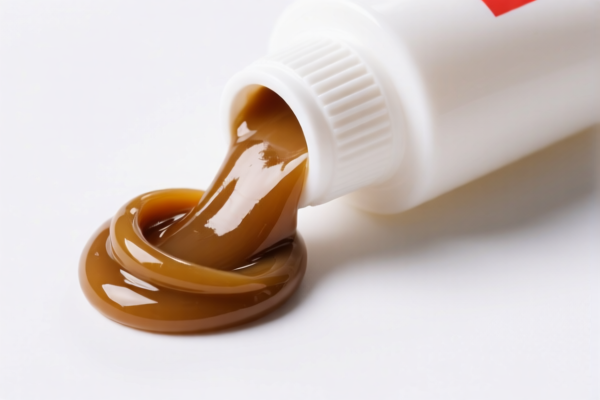
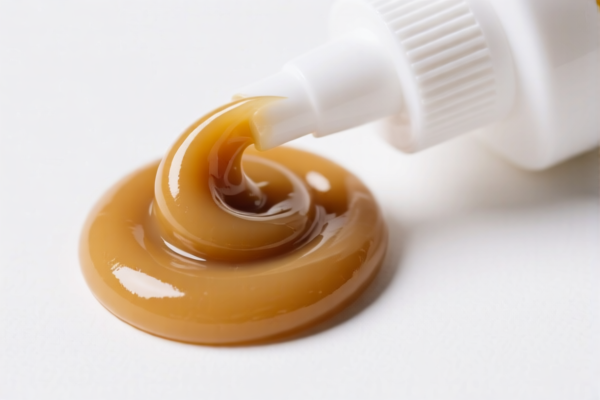


AI Analysis
⛽ Lubricating Preparations (Lubricants & Anti-Corrosion Agents)
🌐 HS Code Reference & Customs Clearance Guide | 2026 Latest Tariff Analysis | Professional Entry Strategy
📌 I. Product Definition & Classification: Do You Really Know “Lubricating Preparations”?
Lubricating preparations are chemical substances designed to reduce friction between moving surfaces, dissipate heat, prevent corrosion, and clean machinery. In international trade, these products are typically classified based on their primary function (lubrication vs. additives) and composition (petroleum-based vs. other bases).
⚠️ Critical Distinction:
- If the product is a finished lubricant (e.g., engine oil, grease, anti-rust oil) intended for direct application → Usually Chapter 34 (3403).
- If the product is an additive (e.g., corrosion inhibitors, viscosity index improvers) added to base oils → Usually Chapter 38 (3811).
- If the product is a pump or mechanical device → Chapter 84.
📦 II. HS Code Classification Details (2026 Latest Tariff Authority Reference)
Based on the provided data, here is the precise breakdown for "Lubricating Preparations" and related items:
| HS Code | Product Description | Application Scenario | Key Matching Criteria |
|---|---|---|---|
3403.19.10.00 |
Lubricating preparations, containing petroleum oils or bituminous minerals, other | General lubricants with anti-corrosion properties | Contains petroleum oil; explicit "lubrication & anti-corrosion" function |
3811.29.00.00 |
Anti-corrosion preparations (Additives) | Additives for lubricating oils | Explicitly named as "Anti-Corrosion Agent" (Corrosion Inhibitor) |
3403.11.20.00 |
Lubricating preparations, containing petroleum oils, for textiles | Textile machinery lubricants | Petroleum-based; implied use for lubrication (inferred match) |
8413.30.90.60 |
Pumps for liquids, other (Spares/Parts) | Lubricating pumps or pumps using oil as medium | Functional component; default inclination for "parts" or "pumps" |
🔍 Key Insight:
-3403covers the finished lubricant itself.
-3811covers the additive (like a corrosion inhibitor) sold separately to be mixed with base oil.
-8413covers the mechanical equipment (pump) if the product is not the fluid itself but the device delivering it.
- Do not confuse "Lubricating Oil" (3403) with "Anti-Corrosion Agent" (3811) if the product is sold as a standalone chemical additive rather than a ready-to-use lubricant.
💰 III. 2026 Latest Tariff Rate Breakdown (Including Surtaxes & Policy Add-ons)
✅ Applicable Country: USA (US)
✅ Origin: China (CN)
✅ Effective Date: November 10, 2025 onwards (for subsequent imports)
🎯 1. 3403.19.10.00 & 3403.11.20.00 —— Lubricating Preparations (Petroleum-Based)
These codes cover finished lubricants containing petroleum oils.
| Item | Content |
|---|---|
| Base Duty Rate | 0.2% (Ad Valorem) |
| USITC Surcharge (Section 301) | +25.0% |
| IEEPA Surcharge (Section 122/EO) | +10.0% |
| Total Tax Rate | 35.2% |
| Tax Calculation | CIF Value × 35.2% |
| De Minimis Eligibility | ❌ Not Eligible (High tax rates deny de minimis benefits) |
| Legal Basis Path | IEEPA:9903.01.24 → USITC:3403.xxxxxxxx → FOOTNOTE:301 |
📌 Explanation:
- The base tariff is very low (0.2%), but the 25% Section 301 tariff and 10% IEEPA surcharge drive the total cost to 35.2%.
- This applies to most petroleum-based lubricants and anti-corrosion fluids classified under 3403.
- High Tax Warning: This is a significant cost factor for importing bulk lubricants.
🎯 2. 3811.29.00.00 —— Anti-Corrosion Agents (Chemical Additives)
This code is for specific corrosion inhibitors or additives.
| Item | Content |
|---|---|
| Base Duty Rate | 6.5% (Ad Valorem) |
| USITC Surcharge (Section 301) | +25.0% |
| IEEPA Surcharge (Section 122/EO) | +10.0% |
| Total Tax Rate | 41.5% |
| Tax Calculation | CIF Value × 41.5% |
| De Minimis Eligibility | ❌ Not Eligible |
| Legal Basis Path | IEEPA:9903.01.24 → USITC:3811.29.00.00 → FOOTNOTE:301 |
📌 Explanation:
- Unlike general lubricants (3403), anti-corrosion additives (3811) have a higher base duty of 6.5%.
- Adding the 25% and 10% surcharges results in a higher total rate of 41.5%.
- Cost Impact: If your product is marketed as a standalone "Anti-Corrosion Agent" rather than a "Lubricant," expect a 6.3% higher total tax rate.
🎯 3. 8413.30.90.60 —— Pumps for Liquids (Other)
This applies if the "lubricating preparation" includes a pump or is classified as a lubricating pump system.
| Item | Content |
|---|---|
| Base Duty Rate | 2.5% (Ad Valorem) |
| USITC Surcharge (Section 301) | +25.0% |
| IEEPA Surcharge (Section 122/EO) | +10.0% |
| Total Tax Rate | 37.5% |
| Tax Calculation | CIF Value × 37.5% |
| De Minimis Eligibility | ❌ Not Eligible |
| Legal Basis Path | IEEPA:9903.01.24 → USITC:8413.30.90.60 → FOOTNOTE:301 |
📌 Explanation:
- If the item is a lubricating pump (mechanical device), the base duty is 2.5%.
- Total tax is 37.5%, which is lower than the chemical additive (41.5%) but higher than the general lubricant (35.2%).
- Note: This classification is less common for pure fluids but applies if the product is a pump system or heavily associated with pumping machinery.
🛠️ IV. Customs Clearance Practical Advice (Battle-Tested Pitfall Guide)
✅ 1. Required Documentation Checklist (Non-Negotiable)
| Document | Mandatory? | Description |
|---|---|---|
| ✅ Product Specification Sheet | ✔️ | Must detail chemical composition, viscosity, flash point, and base oil type (e.g., "Petroleum-based"). |
| ✅ Safety Data Sheet (SDS) | ✔️ | Critical for chemicals. Must identify if it’s hazardous, flammable, or contains restricted substances. |
| ✅ Commercial Invoice | ✔️ | Must clearly state "Lubricating Preparation" or "Anti-Corrosion Agent" — Do not use vague terms like "Oil". |
| ✅ Certificate of Origin (CO) | ✔️ | To determine eligibility for any preferential treatments (though limited for China-origin goods under current tariffs). |
| ✅ Packaging List | ✔️ | Detail volume, weight, and container type (e.g., "55-gallon drum" vs. "1L bottle"). |
| ✅ Usage Declaration | ✔️ | Explicitly state end-use (e.g., "For use in textile machinery lubrication" or "As an additive for engine oil"). |
✅ 2. Declaration Techniques (Key Mantras)
🔥 “Function First, Content Second, Name Specific, Tax Optimized!”
| Scenario | Correct Declaration | Wrong Practice |
|---|---|---|
| Finished Lubricant Oil | 3403.19.10.00 - "Lubricating Oil, Petroleum-based, for General Machinery" |
Calling it "Chemical Additive" → Misclassification risk |
| Standalone Anti-Corrosion Additive | 3811.29.00.00 - "Anti-Corrosion Agent, Chemical Formulation, for Base Oil Blending" |
Calling it "Lubricating Oil" → Higher base duty risk |
| Lubricating Pump System | 8413.30.90.60 - "Gear Pump for Lubricating Oil, Mechanical Device" |
Shipping pump as "Oil" → Customs seizure for mismatch |
| Mixed Package (Oil + Pump) | Split Declaration or Main Item Rule | Declaring as one lump sum → High penalty risk |
✅ 3. Special Circumstances Handling
| Situation | Handling Advice |
|---|---|
| OEM Custom Lubricants | Provide client contract + formula sheet. If the formula is proprietary, disclose base composition (e.g., "Mineral Oil Base") to justify 3403. |
| "Biodegradable" or "Synthetic" Claims | If NOT petroleum-based, it may fall under 3403.90 or 3824 with different base rates. Verify composition carefully. |
| Corrosion Inhibitor vs. Cleaner | If the product cleans AND protects, declare based on principal function. If primarily cleaning, 3808 might apply (but surcharges still apply). |
| Small Samples (De Minimis) | ❌ Avoid: Due to >35% tax rates, shipments under $800 (de minimis) will likely be assessed taxes or rejected. Plan bulk shipments properly. |
🌍 V. Global Customs Clearance Comparison (2026 Latest)
| Country/Region | Recommended HS Code | Duty Rate (China Origin) | Certification Requirements | Remarks |
|---|---|---|---|---|
| 🇺🇸 USA | 3403.19.10.00 / 3811.29.00.00 |
35.2% - 41.5% | EPA Registration (if pesticidal), SDS | Highest Tax Burden due to 301 & IEEPA |
| 🇨🇳 China | 3403.19.10.00 |
~5% - 9% | None | Low duty, simple clearance |
| 🇪🇺 EU | 3403.11.00 |
~2.7% + VAT | REACH Compliance, CLP Labeling | No retaliatory tariffs |
| 🇲🇽 Mexico | 3403.11.00 |
0% (under USMCA if qualified) | NOM Standards | Check Rules of Origin |
| 🇯🇵 Japan | 3403.11.00 |
~3.5% | JIS Standards | Moderate duty |
📌 Conclusion:
- The USA remains the most expensive market for Chinese-origin lubricants due to Section 301 (25%) and IEEPA (10%) surcharges.
- EU, Japan, and other markets do not apply these retaliatory tariffs, making them more cost-effective for export if supply chain allows.
- Strategy: If exporting to the US, consider value engineering or re-labeling (if legally compliant) to optimize HS Code selection (e.g., distinguishing between3403and3811).
📌 VI. Common Errors & Pitfall Guide (Lessons Learned the Hard Way)
❌ Error 1: Declaring a Petroleum-Based Lubricant as "Chemical Mixture" under 3824
👉 Consequence: Customs may reclassify to 3403 with higher scrutiny, leading to delayed clearance and penalties.
❌ Error 2: Failing to declare Base Oil Content
👉 Consequence: If "petroleum oil" is not declared, customs may assume a higher default duty or demand chemical analysis reports, causing weeks of delay.
❌ Error 3: Using "Anti-Rust" as the sole description for a Lubricant
👉 Consequence: If the product is primarily for lubrication, 3403 is correct. If misclassified as 3811, you pay 6.3% more in base duties. Always be precise.
❌ Error 4: Ignoring SDS Requirements
👉 Consequence: Chemical shipments without proper SDS will be rejected by CBP or face environmental fines.
✅ Correct Approach:
"Mineral Oil-Based Lubricating Preparation, Viscosity 100cSt, Flash Point 180°C, For Industrial Gearboxes, Model XYZ, SDS Available"
🎯 VII. Conclusion: Precision Classification, Cost Savings, Smooth Clearance!
🎯 Remember the Mantra:
🔹 "Function Determines Chapter, Content Determines Subheading, Name Determines Accuracy."
🔹 "3403 for Oil, 3811 for Additives, 8413 for Pumps. Get it wrong, pay it wrong."
🔹 "35% to 41% Tax in the US, Plan Ahead, Don't Get Caught."
📌 Pro Tip:
If your lubricant contains non-petroleum bases (e.g., synthetic esters, vegetable oils), the HS Code may differ (3403.90 or 3824), potentially altering the base duty. Always verify composition before filing.
📣 Immediate Action:
📞 Contact a licensed customs broker + Provide SDS + Request HS Code Ruling from CBP if uncertain.
🚀 Ensure your lubricants clear customs efficiently, minimize tax leakage, and maximize profit margins!
✨ Professional Clearance Starts with Accurate Classification!
💼 Every percentage point of duty matters in the chemical trade!
Customer Reviews
About HS Code Classification
The Harmonized System (HS) is an internationally standardized nomenclature developed by the World Customs Organization (WCO) to classify traded products. Over 200 countries use the HS system as the basis for customs tariffs, trade statistics, and import/export regulations.
Each HS code follows a hierarchical structure:
- Chapter (2 digits) — Broad category of goods (e.g., Chapter 84: Machinery and Mechanical Appliances)
- Heading (4 digits) — More specific grouping within the chapter
- Subheading (6 digits) — Internationally standardized breakdown, used by all WCO member countries
- National subdivisions (8-10 digits) — Country-specific extensions for further classification, such as US HTSUS 10-digit codes
Correct HS code classification is essential for smooth customs clearance, accurate duty payment, and compliance with trade regulations. Misclassification can lead to customs delays, overpayment of duties, or penalties.
When importing from CN to US, the applicable tariff rates may include:
- Most-Favored-Nation (MFN) rate — The standard duty rate applied to WTO members
- General rate — Applied to countries without trade agreements
- Trade remedy duties — Additional tariffs such as Section 301 (anti-dumping), Section 232 (national security), or countervailing duties
The information provided on this page is for reference purposes only. For official classification, please consult with your local customs authority or a licensed customs broker.