Luggage Fabric (per square meter)
CN → US| HS Code | Tariff Rate | Origin | Destination | Doc |
|---|---|---|---|---|
| 5903202000 | 35.0% | CN | US | Official Doc |
| 5111196060 | 60.0% | CN | US | Official Doc |
| 5111113000 | 45.0% | CN | US | Official Doc |
Product Images
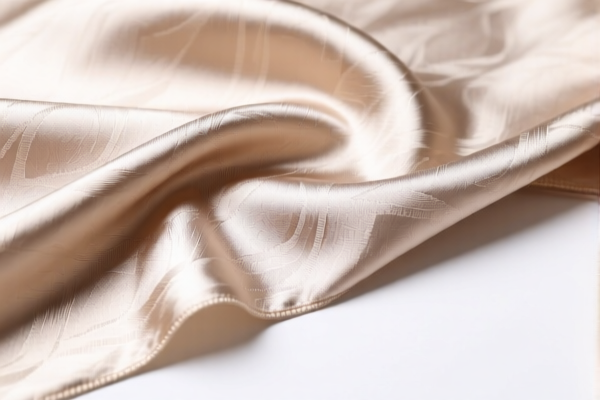
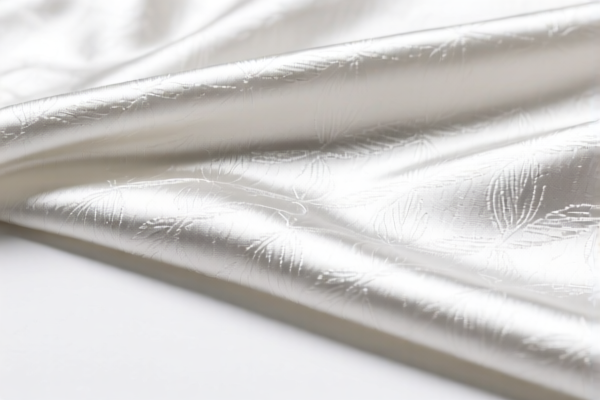
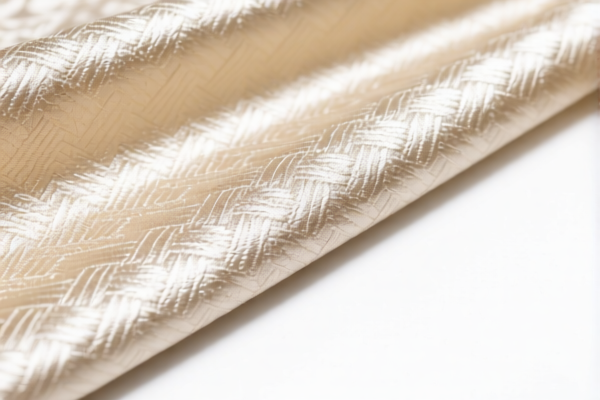
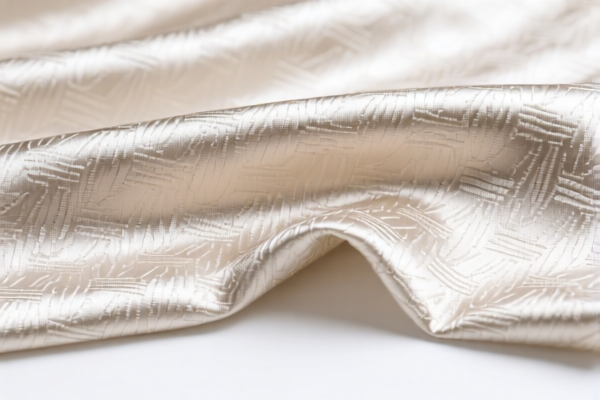
AI Analysis
🎒 Luggage Fabric (per square meter)
🌐 HS Code Reference & Clearance Guide | 2026 Latest Tariff Breakdown | Professional Entry Strategy
📌 I. Product Definition & Classification: Do You Really Understand "Luggage Fabric"?
Luggage fabric is the foundational material for suitcases, backpacks, duffel bags, and travel accessories. In international trade, its classification hinges entirely on its material composition and surface treatment. It is not a single entity but falls into distinct categories based on whether it is synthetic (like polyester/nylon with coatings) or natural fiber (like wool).
Key Distinction Points: * Synthetic Coated Fabric: Often involves Polyurethane (PU) coatings for water resistance. This typically falls under Chapter 59 (Impregnated, Coated, Covered, or Laminate Textile Fabrics). * Natural Fiber Woven Fabric: Such as woolen cloth used for high-end garment linings or heavy-duty luggage covers. This falls under Chapter 51 (Wool, Fine or Coarse Animal Hair).
⚠️ Critical Classification Logic:
- If the fabric is a synthetic base (e.g., polyester/nylon) coated with PU for outdoor/luggage use → It is classified under 5903.20.
- If the fabric is pure wool woven cloth → It is classified under 5111.19 or 5111.11, depending on the weaving process (combed vs. carded).
📦 II. HS Code Classification Details (2026 Latest Tariff Authority Comparison)
Based on the provided data, the luggage fabric is classified into three specific codes depending on the material variant.
| HS Code | Product Description | Summary/Application | Material Logic |
|---|---|---|---|
5903.20.20.00 |
Luggage Fabric (PU Coated) | Outdoor fabrics, often involving Polyurethane coating | ✅ Synthetic Base + Coating |
5111.19.60.60 |
Woolen Fabric | Woolen textiles fitting the classification definition for wool fabrics | ✅ 100% Wool Woven |
5111.11.30.00 |
Carded Woolen Fabric | Combed woolen machine-made fabrics, fitting core characteristics | ✅ Combed Wool Woven |
🔍 Key Reminder:
- Code5903.20.20.00is for synthetic luggage fabric (most common for durable, water-resistant suitcases).
- Codes5111.xxxxxxare for wool-based luggage fabrics (niche, high-end, or specific textile applications).
- Misclassifying a PU-coated synthetic fabric as wool (or vice versa) will lead to severe customs penalties.
💰 III. 2026 Latest Tariff Rate Breakdown (Including Surtaxes & Policy Additions)
✅ Applicable Country: United States (US)
✅ Country of Origin: China (CN)
✅ Effective Time: Current rates apply (2025-2026 period)
🎯 1. 5903.20.20.00 —— Luggage Fabric (Polyurethane Coated)
| Item | Content |
|---|---|
| Base Tariff | 0.0% (ad valorem) |
| Section 301 Surtax | +25.0% (USITC Footnote) |
| Section 122 Tariff | +10.0% (Targeted surcharge on specific Chinese imports) |
| Total Tax Rate | 35.0% |
| Tax Calculation | CIF Value × 35% |
| De Minimis Eligibility | ❌ Not Eligible (High tariff goods are generally excluded from 800/804 exemptions) |
| Legal Basis Path | USITC:5903.20.20.00 → Section 301: +25% → Section 122: +10% |
📌 Explanation:
- Although the base tariff for many textiles is 0%, this specific PU-coated fabric attracts Section 301 (25%) and Section 122 (10%) duties due to its origin and material type.
- Total Cost Impact: 35% is a significant margin erosion. Importers must factor this into landed cost calculations.
🎯 2. 5111.19.60.60 —— Woolen Fabric (General)
| Item | Content |
|---|---|
| Base Tariff | 25.0% |
| Section 301 Surtax | +25.0% |
| Section 122 Tariff | +10.0% |
| Total Tax Rate | 60.0% |
| Tax Calculation | CIF Value × 60% |
| De Minimis Eligibility | ❌ Not Eligible |
| Legal Basis Path | USITC:5111.19.60.60 → Section 301: +25% → Section 122: +10% |
📌 Warning:
- This is the highest tax bracket among the three codes.
- Woolen fabrics from China face a heavy 60% total duty load. This makes high-end wool luggage components extremely costly to import duty-free or low-duty.
🎯 3. 5111.11.30.00 —— Carded/Combed Woolen Fabric
| Item | Content |
|---|---|
| Base Tariff | 10.0% |
| Section 301 Surtax | +25.0% |
| Section 122 Tariff | +10.0% |
| Total Tax Rate | 45.0% |
| Tax Calculation | CIF Value × 45% |
| De Minimis Eligibility | ❌ Not Eligible |
| Legal Basis Path | USITC:5111.11.30.00 → Section 301: +25% → Section 122: +10% |
📌 Note:
- While the base tariff is lower (10%) than the general woolen fabric (25%), the addition of Section 301 and 122 tariffs brings the total to 45%.
- This code applies to combed woolen fabrics, which are smoother and higher quality than carded wool, but still subject to heavy protectionist tariffs.
🛠️ IV. Clearance Practical Advice (实战避坑指南)
✅ 1. Document Checklist (Must-Haves)
| Document | Mandatory? | Description |
|---|---|---|
| ✅ Product Specification Sheet | ✔️ | Must clearly state: Material (e.g., 100% Wool, or Polyester + PU), Weight (gsm), and Coating Type. |
| ✅ Material Composition Certificate | ✔️ | Crucial for distinguishing between 5903 (Synthetic/Coated) and 5111 (Wool). |
| ✅ Commercial Invoice | ✔️ | Must specify "Luggage Fabric per Square Meter" and unit price accurately. |
| ✅ Packing List | ✔️ | Include roll dimensions, weight, and number of rolls. |
| ✅ Photos of Product & Labels | ✔️ | Show the fabric texture, coating side, and any manufacturer labels. |
✅ 2. Declaration Tips (Key Mnemonics)
🔥 "Material First, Coating Clear, Wool vs. Synth, Choose the Right!"
| Scenario | Correct HS Code | Incorrect Action | Consequence |
|---|---|---|---|
| PU-Coated Synthetic Fabric | 5903.20.20.00 |
Declare as "Textile" generally | Misclassification risk, delay |
| 100% Woolen Cloth | 5111.19.60.60 or 5111.11.30.00 |
Declare as "Polyester" | 60% vs 35% tax discrepancy → Audit & Penalty |
| Mixed Material Fabric | Determine main component | Split invoice incorrectly | Customs may reclassify to highest tax rate |
| Fabric Rolls (per meter/sqm) | Use linear/sq meter unit | Declare by weight only | May lead to valuation disputes |
✅ 3. Special Cases Handling
| Situation | Handling Advice |
|---|---|
| OEM Luggage Fabric | Provide OEM contracts to prove origin and specific use. |
| Recycled Polyester Fabric | Even if recycled, if coated with PU, it falls under 5903.20. Still subject to 35% tax. |
| Wool Blend | If wool content is >50%, it likely falls under Chapter 51. Exact percentage must be stated. |
| Pre-Clearance Ruling | Highly Recommended for woolen fabrics due to the 60% tax rate. Secure an Advance Ruling to avoid surprise costs. |
🌍 V. Global Market Comparison (2026 Latest)
| Country/Region | Recommended HS Code | Tariff (China Origin) | Certification Requirements | Notes |
|---|---|---|---|---|
| 🇺🇸 USA | 5903.20.20.00 / 5111.xxxx |
35% (Synth) / 45-60% (Wool) | None specific, but COO required | Highest tariffs globally for these goods |
| 🇨🇳 China | Same HS Codes | 5-10% (Import Duty) | No surtaxes | Domestic trade benefits from lower rates |
| 🇪🇺 EU | 5903.20 / 5111 |
4-12% (Standard MFN) | REACH, OEKO-TEX | No Section 301/122 equivalent |
| 🇦🇺 Australia | 5903.20 / 5111 |
5% | None | Free Trade Agreement may apply |
| 🇯🇵 Japan | 5903.20 / 5111 |
0-8% | FSC (if applicable) | JETRO guidelines apply |
📌 Conclusion:
- The USA imposes punitive tariffs on both synthetic (35%) and woolen (45-60%) luggage fabrics from China.
- EU and other markets are significantly more favorable. Consider supply chain diversification if targeting the US market heavily.
📌 VI. Common Errors & Pitfalls (Blood & Tears Lessons)
❌ Error 1: Declaring PU-coated fabric as "Textile" without specifying material
👉 Result: Customs may assign the highest default rate or audit the shipment.
❌ Error 2: Confusing "Woolen" (5111) with "Synthetic" (5903)
👉 Result: Tax difference of 25-60%. Huge financial loss.
❌ Error 3: Not declaring "Coating" for 5903
👉 Result: If it’s coated, it MUST be 5903. If declared as plain fabric, it may be rejected for non-compliance.
❌ Error 4: Ignoring Section 122 Tariff
👉 Result: Unexpected 10% additional charge at customs entry.
✅ Correct Practice:
"PU-Coated Polyester Luggage Fabric, 600D, Water-Resistant, 100 Rolls, 50m/Roll, HS 5903.20.20.00, Origin China"
🎯 VII. Conclusion: Precision in Classification Saves Money!
🎯 Remember the Mantra:
🔹 "Synth + PU = 5903 (35%) | Wool = 5111 (45-60%) | Always Declare Material!"
🔹 "HS Code Determines Cost, Misclassification Means Penalty!"
📌 Pro Tip:
For woolen fabrics, consider applying for an Advance Ruling to confirm the exact subheading (5111.11 vs 5111.19) as the tax impact is significant (45% vs 60%).
📣 Immediate Action:
📞 Contact a licensed customs broker
📄 Provide detailed material specs & coating details
🚀 Ensure smooth clearance, accurate taxation, and protected margins!
✨ Professional Customs Clearance Starts with Precise Classification!
💼 Every percent of tax matters!
Customer Reviews
About HS Code Classification
The Harmonized System (HS) is an internationally standardized nomenclature developed by the World Customs Organization (WCO) to classify traded products. Over 200 countries use the HS system as the basis for customs tariffs, trade statistics, and import/export regulations.
Each HS code follows a hierarchical structure:
- Chapter (2 digits) — Broad category of goods (e.g., Chapter 84: Machinery and Mechanical Appliances)
- Heading (4 digits) — More specific grouping within the chapter
- Subheading (6 digits) — Internationally standardized breakdown, used by all WCO member countries
- National subdivisions (8-10 digits) — Country-specific extensions for further classification, such as US HTSUS 10-digit codes
Correct HS code classification is essential for smooth customs clearance, accurate duty payment, and compliance with trade regulations. Misclassification can lead to customs delays, overpayment of duties, or penalties.
When importing from CN to US, the applicable tariff rates may include:
- Most-Favored-Nation (MFN) rate — The standard duty rate applied to WTO members
- General rate — Applied to countries without trade agreements
- Trade remedy duties — Additional tariffs such as Section 301 (anti-dumping), Section 232 (national security), or countervailing duties
The information provided on this page is for reference purposes only. For official classification, please consult with your local customs authority or a licensed customs broker.