Lumbar Support Safety Belt
CN → US| HS Code | Tariff Rate | Origin | Destination | Doc |
|---|---|---|---|---|
| 6212200010 | 37.5% | CN | US | Official Doc |
| 6117809570 | 32.1% | CN | US | Official Doc |
| 6117808500 | 32.1% | CN | US | Official Doc |
| 9506996080 | 21.5% | CN | US | Official Doc |
| 9506910030 | 22.1% | CN | US | Official Doc |
Product Images
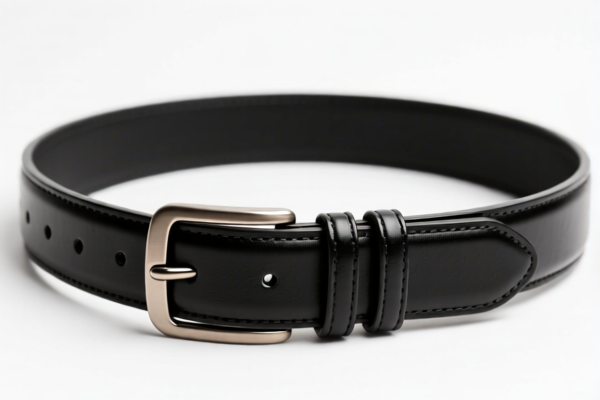
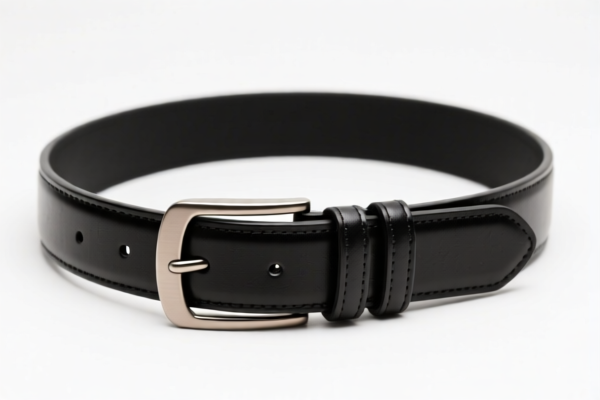
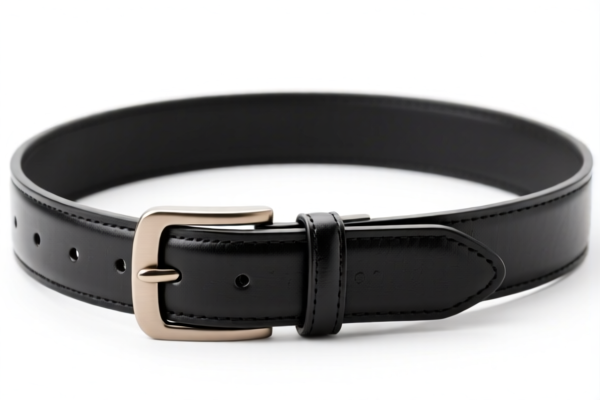
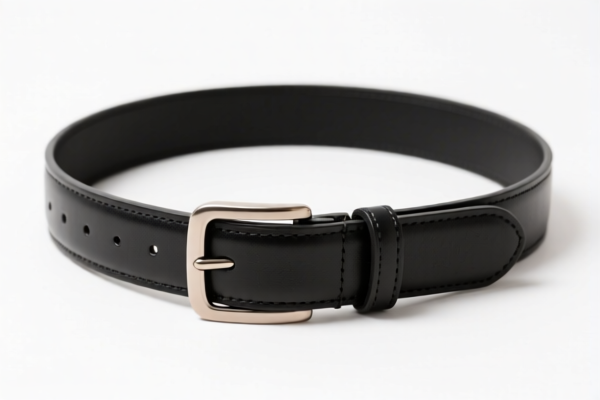
AI Analysis
🛡️ Lumbar Support Safety Belt – HS Code & Tariff Guide | 2026 Comprehensive Customs Clearance Strategy
🌐 HS Code Reference & Customs Clearance Blueprint | 2026 Updated Tariff Rules | Expert-Level Import Planning
📌 One: Product Definition & Classification – What Exactly Is a “Lumbar Support Safety Belt”?
A Lumbar Support Safety Belt is a wearable, form-fitting support device designed to stabilize the lower back during physical activity, lifting, or prolonged standing. It is not a general-purpose belt but a functional support system with biomechanical intent — often used in industrial, fitness, or medical settings.
⚠️ Critical Distinction:
- If the item is primarily designed for back support and fits the body like a brace → Not a general belt, but a supportive medical/industrial device
- If it's just a belt with a lumbar pad and no structural support → May still fall under clothing accessories or sporting goods✅ Key Insight:
The primary function determines the HS code — not the material or appearance.
📦 Two: HS Code Classification Breakdown (2026 Official Tariff Matrix)
| HS Code | Product Description | Classification Logic | Material/Use Case |
|---|---|---|---|
6212.20.00.10 |
Lumbar support safety belt, shaped and used for back stabilization, may be cotton or other fabric | Apparel with functional design – not just a belt, but a support garment | Likely cotton or synthetic blend, worn like a waistband |
6117.80.95.70 |
Belt accessories, not made of cotton, wool, or silk – part of clothing systems | Accessory component – not a standalone item, but part of a larger apparel system | Plastic, elastic, metal hardware, non-cotton materials |
6117.80.85.00 |
Knitted or crocheted clothing accessories, used as waistbands or support belts | Textile-based accessory, knitted structure confirms classification | Knit or crocheted fabric, flexible, stretchable |
9506.99.60.80 |
Sports equipment and devices, for physical training or outdoor use, may be fabric or rubber | Functional fitness equipment – used in workouts, training, or outdoor activities | Fabric, rubber, elastic, designed for movement support |
9506.91.00.30 |
General fitness or exercise training aids, made of fabric or synthetic materials | Supportive training tool, not clothing, but used during workouts | Designed to assist posture, balance, or core stability |
🔍 Why These Codes?
-6212.20.00.10applies when the belt has a defined anatomical function (lumbar support) and is worn like apparel
-6117.80.95.70and6117.80.85.00apply when it's a component or accessory (e.g., a detachable pad, strap, or frame)
-9506.99.60.80and9506.91.00.30apply when the item is used in sports, fitness, or training, not as clothing
💰 Three: 2026 Updated Tariff Breakdown (With Full Legal Justification)
✅ Applicable Country: United States (US)
✅ Origin: China (CN)
✅ Effective Date: November 10, 2025 (including future imports)
🎯 1. 6212.20.00.10 – Lumbar Support Safety Belt (Apparel with Functional Design)
| Item | Detail |
|---|---|
| Base Duty | 20.0% (ad valorem) |
| Section 301 (USITC) Additional Duty | +7.5% |
| Section 122 (Trade Act) Additional Duty | +10.0% |
| Total Effective Tariff | 37.5% |
| Tax Calculation | CIF Value × 37.5% |
| De Minimis Exemption | ❌ Not eligible (denied under U.S. de minimis rule) |
| Legal Basis Path | USITC: 301 Tariff → Section 122: 19 U.S.C. § 122 → HS: 6212.20.00.10 |
📌 Explanation:
- The 20% base duty applies to apparel items under Chapter 62
- +7.5% from Section 301 (USTR) – targeting Chinese-origin goods under trade dispute measures
- +10% from Section 122 of the Trade Act – a punitive tariff on specific goods from China, including “supportive wear” and “functional apparel”
- Total: 37.5% – extremely high for a wearable item
🎯 2. 6117.80.95.70 – Belt Accessories (Non-Cotton, Non-Wool, Non-Silk)
| Item | Detail |
|---|---|
| Base Duty | 14.6% |
| Section 301 (USITC) Additional Duty | +7.5% |
| Section 122 (Trade Act) Additional Duty | +10.0% |
| Total Effective Tariff | 32.1% |
| Tax Calculation | CIF Value × 32.1% |
| De Minimis Exemption | ❌ Not eligible |
| Legal Basis Path | USITC: 301 Tariff → Section 122: 19 U.S.C. § 122 → HS: 6117.80.95.70 |
📌 Explanation:
- This code applies to accessories that are not made of cotton, wool, or silk
- Even if the belt is part of a support system, if it's a detachable component (e.g., a metal buckle, elastic strap, or pad), it may fall here
- Lower base duty than apparel, but same附加 taxes → still 32.1%
🎯 3. 6117.80.85.00 – Knitted or Crocheted Clothing Accessories (e.g., Waistbands)
| Item | Detail |
|---|---|
| Base Duty | 14.6% |
| Section 301 (USITC) Additional Duty | +7.5% |
| Section 122 (Trade Act) Additional Duty | +10.0% |
| Total Effective Tariff | 32.1% |
| Tax Calculation | CIF Value × 32.1% |
| De Minimis Exemption | ❌ Not eligible |
| Legal Basis Path | USITC: 301 Tariff → Section 122: 19 U.S.C. § 122 → HS: 6117.80.85.00 |
📌 Explanation:
- Applies when the accessory is knitted or crocheted (e.g., stretchable waistband, elastic support band)
- Even if used for lumbar support, if it’s textile-based and not full apparel, this code applies
- Same 32.1% rate as6117.80.95.70
🎯 4. 9506.99.60.80 – Sports Equipment & Devices (for Training or Outdoor Use)
| Item | Detail |
|---|---|
| Base Duty | 4.0% |
| Section 301 (USITC) Additional Duty | +7.5% |
| Section 122 (Trade Act) Additional Duty | +10.0% |
| Steel/Aluminum/Copper Add-on | +50% (if metal components present) |
| Total Effective Tariff | 21.5% (if no metal) or 71.5% (if metal components) |
| Tax Calculation | CIF Value × (4.0% + 7.5% + 10.0% + 50% if applicable) |
| De Minimis Exemption | ❌ Not eligible |
| Legal Basis Path | USITC: 301 Tariff → Section 122: 19 U.S.C. § 122 → HS: 9506.99.60.80 |
📌 Explanation:
- If the belt is marketed for fitness, training, or outdoor use, and not as clothing, it may be classified here
- Low base duty (4%), but same +7.5% +10% from Section 301 and 122
- Critical Risk: If the belt has metal buckles, frames, or supports, the +50% steel/aluminum/copper tariff applies → Total: 71.5%
- This is a major trap – many "support belts" are misclassified here
🎯 5. 9506.91.00.30 – General Fitness or Exercise Training Aids
| Item | Detail |
|---|---|
| Base Duty | 4.6% |
| Section 301 (USITC) Additional Duty | +7.5% |
| Section 122 (Trade Act) Additional Duty | +10.0% |
| Steel/Aluminum/Copper Add-on | +50% (if applicable) |
| Total Effective Tariff | 22.1% (no metal) or 72.1% (with metal) |
| Tax Calculation | CIF Value × (4.6% + 7.5% + 10.0% + 50% if applicable) |
| De Minimis Exemption | ❌ Not eligible |
| Legal Basis Path | USITC: 301 Tariff → Section 122: 19 U.S.C. § 122 → HS: 9506.91.00.30 |
📌 Explanation:
- Applies to general fitness aids used in workouts, training, or rehabilitation
- If the belt is sold as a training tool (e.g., "core stabilizer", "posture trainer"), this code applies
- Same risk as above: +50% metal tariff if any metal parts are present → 72.1% total
🛠️ Four: Customs Clearance Best Practices (Pro Tips to Avoid Penalties)
✅ 1. Required Documentation (Must-Have Checklist)
| Document | Required? | Purpose |
|---|---|---|
| ✅ Product Specifications | ✔️ | Include: material, structure, function, intended use |
| ✅ Technical Drawings / 3D Models | ✔️ | Show design, support structure, attachment points |
| ✅ Product Photos (with label & close-up) | ✔️ | Show buckle, padding, stitching, material |
| ✅ Third-Party Certification | ✔️ | FDA (if medical), CE, ISO 13485 (if medical device) |
| ✅ Commercial Invoice | ✔️ | Must state exact product name, e.g., “Lumbar Support Safety Belt, Knitted, for Industrial Use” |
| ✅ Certificate of Origin (CO) | ✔️ | If from Vietnam, Mexico, or Thailand, may qualify for lower tariffs |
| ✅ Packing List | ✔️ | Show if components are bundled or sold separately |
✅ 2.申报技巧 (Key Rules to Remember)
🔥 “Function Over Form, Structure Over Name!”
| Scenario | Correct HS Code | Common Mistake |
|---|---|---|
| Full belt with lumbar pad, worn like apparel | 6212.20.00.10 |
Misclassified as 9506.99.60.80 → +50% metal tariff |
| Detachable pad or strap | 6117.80.95.70 or 6117.80.85.00 |
Misclassified as apparel → 37.5% vs 32.1% |
| Marketed for gym, fitness, or training | 9506.99.60.80 or 9506.91.00.30 |
Misclassified as clothing → 45%+ tax |
| Metal frame or buckle present | Avoid 9506 codes if possible |
Leads to +50% metal tariff → 71.5%+ |
✅ 3. Special Cases & Risk Mitigation
| Situation | Recommended Action |
|---|---|
| Metal components (buckles, frames) | Avoid 9506 codes – use 6212.20.00.10 if it's apparel-like |
| Medical device claim | Apply for FDA clearance and medical device classification – may qualify for lower duty |
| OEM/White Label | Provide customer design specs to prove function |
| Multi-part kit (belt + pad + straps) | Do NOT split – declare as one unit under 6212.20.00.10 |
| Sold in fitness store | Use 9506.91.00.30 – but check metal content |
🌍 Five: Global Market Comparison (2026)
| Country | Recommended HS Code | Tariff | Certification | Notes |
|---|---|---|---|---|
| 🇺🇸 USA | 6212.20.00.10 |
37.5% | FDA, CE, RoHS | High risk – no de minimis |
| 🇨🇳 China | 6212.20.00.10 |
5% | CCC | No additional tariffs |
| 🇪🇺 EU | 6212.20.00.10 |
0% | CE, RoHS | No Section 301/122 |
| 🇦🇺 Australia | 6212.20.00.10 |
5% | RCM | No附加 taxes |
| 🇯🇵 Japan | 6212.20.00.10 |
0% | PSE | No附加 taxes |
📌 Key Insight:
- Only the U.S. applies the 301 + 122 tariffs
- China-origin goods face the highest cost in the U.S.
- Vietnam/Mexico origin may qualify for lower tariffs – consider shifting production
📌 Six: Common Mistakes & Risk Warnings (Avoid These!)
❌ Mistake 1: Splitting a belt into “belt + pad + buckle” for lower tariff
👉 Result: Each part taxed at 32.1% or 71.5% → Total: 135%+!
❌ Mistake 2: Calling it a “fitness belt” but using it as a support garment
👉 Result: Misclassified under 9506 → +50% metal tariff if metal parts exist
❌ Mistake 3: Not providing technical drawings
👉 Result: Customs cannot verify function → delay, rejection, or audit
❌ Mistake 4: Using “support belt” as name without function proof
👉 Result: Classified as apparel → 37.5%, but if it’s actually a fitness aid → 72.1%
✅ Correct Labeling Example:
"Lumbar Support Safety Belt, Knitted, with Foam Pad, for Industrial Use, Non-Metal Frame, Model XYZ, CE & RoHS Certified"
🎯 Seven: Conclusion – Precision Matters, Cost Depends on Classification
🎯 Remember the Golden Rule:
🔹 "Function defines code, structure defines tax, metal defines risk!"
🔹 "One wrong HS code = 37.5% vs 72.1% — a 34.6% difference!"
📌 Pro Tip:
✅ Apply for an Advance Ruling (Pre-Ruling) from U.S. Customs before shipment
✅ Use Vietnam/Mexico origin if possible to avoid Section 301/122 tariffs
✅ Avoid metal components in design if shipping to U.S.
📣 Take Action Now:
📞 Contact a U.S. Customs Broker + Trade Compliance Expert
🚀 Get HS Code Pre-Ruling + Tariff Estimation
💼 Avoid surprise fees, delays, or seizures
✨ Your Success Starts with the Right HS Code!
💼 Every dollar saved begins with accurate classification.
Customer Reviews
About HS Code Classification
The Harmonized System (HS) is an internationally standardized nomenclature developed by the World Customs Organization (WCO) to classify traded products. Over 200 countries use the HS system as the basis for customs tariffs, trade statistics, and import/export regulations.
Each HS code follows a hierarchical structure:
- Chapter (2 digits) — Broad category of goods (e.g., Chapter 84: Machinery and Mechanical Appliances)
- Heading (4 digits) — More specific grouping within the chapter
- Subheading (6 digits) — Internationally standardized breakdown, used by all WCO member countries
- National subdivisions (8-10 digits) — Country-specific extensions for further classification, such as US HTSUS 10-digit codes
Correct HS code classification is essential for smooth customs clearance, accurate duty payment, and compliance with trade regulations. Misclassification can lead to customs delays, overpayment of duties, or penalties.
When importing from CN to US, the applicable tariff rates may include:
- Most-Favored-Nation (MFN) rate — The standard duty rate applied to WTO members
- General rate — Applied to countries without trade agreements
- Trade remedy duties — Additional tariffs such as Section 301 (anti-dumping), Section 232 (national security), or countervailing duties
The information provided on this page is for reference purposes only. For official classification, please consult with your local customs authority or a licensed customs broker.