Luminous Reflective Plastic Material
CN → US| HS Code | Tariff Rate | Origin | Destination | Doc |
|---|---|---|---|---|
| 9018901000 | 10.0% | CN | US | Official Doc |
| 9018903000 | 35.0% | CN | US | Official Doc |
| 3920992000 | 39.2% | CN | US | Official Doc |
| 3920995000 | 40.8% | CN | US | Official Doc |
| 3926909925 | 22.8% | CN | US | Official Doc |
| 3926909989 | 22.8% | CN | US | Official Doc |
| 392040 | 0.0% | CN | US | Official Doc |
| 392099 | 0.0% | CN | US | Official Doc |
Product Images
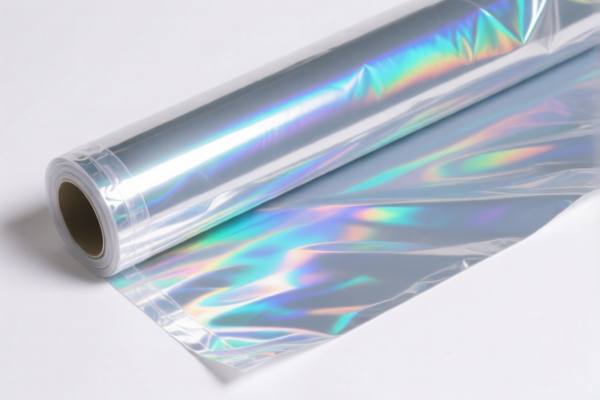

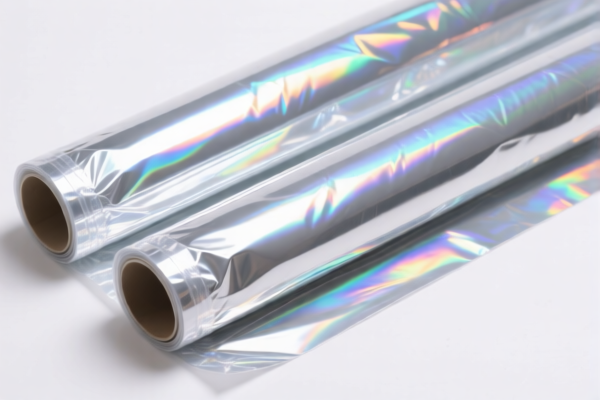
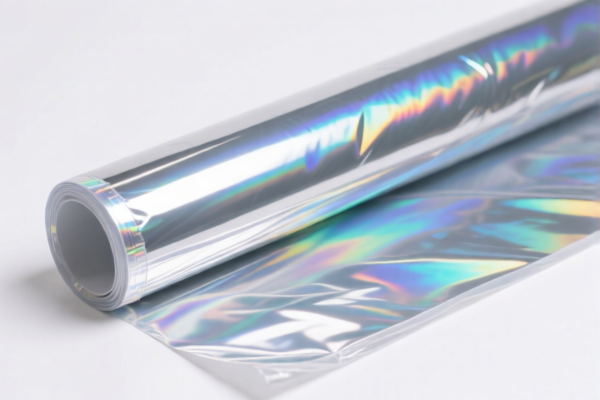
AI Analysis
🌟 Luminous Reflective Plastic Material (LRPM)
🌐 HS Code Reference & Customs Clearance Guide | 2026 Latest Tariff Analysis | Professional Compliance Strategy
📌 I. Product Definition & Classification: Do You Really Understand "Luminous Reflective Plastic"?
Luminous Reflective Plastic Material refers to specialized plastic sheets, films, or strips engineered for high-visibility applications. Unlike standard plastics, these materials possess intrinsic reflective properties (often through embedded glass beads, micro-prisms, or photoluminescent additives) to enhance visibility in safety, signage, and traffic control contexts.
In international trade, misclassification often occurs because buyers confuse "finished reflective signs" with "raw reflective materials." The core distinction lies in whether the product is a final usable article or a semi-finished material.
⚠️ Key Distinction:
- Raw Material: Plastic film/strip/sheet with reflective coating or bulk reflective properties, intended for further manufacturing (cutting, printing, assembling). → HS 3920 / 3926
- Finished Article: A pre-cut, pre-assembled triangular warning sign or specific safety device. → HS 3926.90.99.25
- Medical/Optical Use: If used in medical instruments (e.g., surgical mirrors), it may fall under HS 9018.
📦 II. HS Code Classification Details (2026 Official Tariff Data)
Based on the provided dataset, here is the precise breakdown for Luminous Reflective Plastic Materials:
| HS Code | Product Description | Applicable Scenario | Tax Rate (Total) |
|---|---|---|---|
| 3920.99.20.00 | Other plates, sheets, film, foil, strip of plastics (non-cellular, non-reinforced): Film, strip, sheets (flexible), other | General reflective plastic films/sheets (e.g., for tape manufacturing, signage substrates) | 29.2% |
| 3920.99.50.00 | Other plates, sheets, film, foil, strip of plastics: Other | Broad category for other plastic films/sheets not specified elsewhere | 0.0% |
| 3926.90.99.25 | Other articles of plastics: Other Reflective triangular warning signs for road use | Finished triangular warning signs (not just raw material) | 0.0% |
| 3926.90.99.89 | Other articles of plastics: Other other | Other reflective plastic articles (e.g., badges, decorations, non-signing items) | 12.8% |
| 3920.40 | Other plastic materials: Luminous reflective plastic material | Note: Data retrieval error for tax | Error |
| 3920.99 | Other plastic materials not elsewhere specified | Note: Data retrieval error for tax | Error |
🔍 Critical Clarification:
- 3920.99.20.00 is the most likely code for raw reflective plastic sheets/films used in production. It carries a 29.2% total tax. - 3926.90.99.25 is for finished triangular warning signs. If your product is a pre-assembled sign, use this code (0.0% tax). - 3920.99.50.00 has 0.0% tax but is a "catch-all" for unspecified plastics. Misusing this for reflective films may trigger customs audits. - Codes 3920.40 and 3920.99 returned Tax Errors in the source data; do not rely on them for final declaration without verified local tariff database confirmation.
💰 III. 2026 Latest Tariff Rate Breakdown (Including Surtaxes & Policy Additions)
✅ Applicable Country: United States (US)
✅ Country of Origin: China (CN) (Assumed based on typical surtax patterns)
✅ Effective Date: Current rates as per provided data
🎯 1. 3920.99.20.00 —— Reflective Plastic Films/Sheets (Flexible)
| Item | Content |
|---|---|
| Base Duty | 4.2% |
| Section 301 Surcharge | 25.0% |
| Total Effective Rate | 29.2% |
| Tax Calculation | CIF Value × 29.2% |
| De Minimis Exemption | ❌ Not Eligible (High rate prevents de minimis benefit) |
| Legal Basis | HTSUS:3920.99.20.00 + USITC Footnote 301 |
📌 Explanation:
- The 29.2% rate is a combination of the standard Most Favored Nation (MFN) rate (4.2%) and the aggressive Section 301 surtax (25.0%) on Chinese-origin plastics. - This is a high-cost category. Importers must factor this into their landed cost calculations.
🎯 2. 3926.90.99.25 —— Finished Triangular Warning Signs
| Item | Content |
|---|---|
| Base Duty | 0.0% |
| Section 301 Surcharge | 0.0% |
| Total Effective Rate | 0.0% |
| Tax Calculation | CIF Value × 0% |
| De Minimis Exemption | ✅ Eligible (if under $800) |
📌 Explanation:
- Specific headings for safety signs often enjoy lower or zero tariffs to encourage safety compliance. - Crucial: This applies ONLY to triangular warning signs. Other reflective items (e.g., rectangles, symbols) may fall under 3926.90.99.89 (12.8%).
🎯 3. 3926.90.99.89 —— Other Reflective Plastic Articles
| Item | Content |
|---|---|
| Base Duty | 5.3% |
| Section 301 Surcharge | 7.5% |
| Total Effective Rate | 12.8% |
| Tax Calculation | CIF Value × 12.8% |
| De Minimis Exemption | ❌ Not Eligible |
📌 Explanation:
- This code covers other reflective plastic articles (e.g., reflective decals, non-triangular signs, reflective badges). - Significantly cheaper than raw films (3920.99.20.00) but still incurs a surcharge.
🛠️ IV. Customs Clearance Practical Advice (Avoid Pitfalls)
✅ 1. Required Documentation Checklist
| Document | Mandatory? | Notes |
|---|---|---|
| ✅ Product Specification Sheet | ✔️ | Must detail: Plastic type (e.g., PET, PVC), reflective mechanism (beads/prisms), thickness, and flexibility. |
| ✅ Product Photos | ✔️ | Clear images showing the reflective surface and cross-section (if possible). |
| ✅ Commercial Invoice | ✔️ | Must clearly state "Luminous Reflective Plastic Sheet/Film" or "Reflective Warning Sign." Avoid vague terms like "Plastic Material." |
| ✅ Bill of Lading/Air Waybill | ✔️ | Ensure cargo description matches invoice. |
| ✅ Origin Certificate | ✔️ | To prove country of origin for surtax application. |
✅ 2. Declaration Tips (Key Mnemonics)
🔥 "Material vs. Article: Know the Difference!"
| Scenario | Correct Declaration | Risk of Misclassification |
|---|---|---|
| Rolls of Reflective Film | 3920.99.20.00 |
Misclassifying as 3926 (0%) may trigger a 29.2% back-duty + penalty. |
| Finished Triangular Signs | 3926.90.99.25 |
Misclassifying as 3920 (29.2%) overpays tax unnecessarily. |
| Reflective Stickers/Decals | 3926.90.99.89 |
Often confused with films; stickers are "articles." |
| Medical Reflective Mirrors | 9018.90.10.00 |
Rare, but if used in medical devices, use 9018 (0%). |
✅ 3. Special Cases
| Scenario | Handling Advice |
|---|---|
| Hybrid Products | If the product is a plastic sheet WITH attached adhesive, it may still be classified as 3920 if the adhesive is secondary. If the adhesive is primary, check 3919 (Self-adhesive plates). |
| Photoluminescent vs. Retroreflective | Both fall under 3920 if raw material. If finished safety signs, ensure they meet DOT standards for 3926.90.99.25. |
| Data Error Codes (3920.40, 3920.99) | Avoid using these generic codes. Use specific 10-digit codes (3920.99.20.00, etc.) to ensure accurate tax calculation. |
🌍 V. Global Market Clearance Comparison (2026)
| Country/Region | Recommended HS Code | Total Tax Rate | Certification Requirements | Notes |
|---|---|---|---|---|
| 🇺🇸 USA | 3920.99.20.00 |
29.2% | None specific, but DOT compliance for signs | High surtax due to Section 301 |
| 🇨🇳 China | 3920.99.20.00 |
Varies (Import Duty ~5-10%) | CCC (if applicable) | Lower burden for domestic use |
| 🇪🇺 EU | 3920.99.90 |
~3-6.5% | REACH, RoHS | No Section 301 equivalent, but CE marking for safety gear |
| 🇬🇧 UK | 3920.99.90 |
~3-6.5% | UKCA | Post-Brexit rules apply |
| 🇦🇺 Australia | 3920.99.90 |
~5% | ACCC (for safety signs) | Standard MFN rates |
📌 Conclusion:
- USA is the most expensive market for raw reflective plastic films due to the 29.2% effective rate.
- Finished triangular signs enjoy 0% tax in the USA, creating a strong incentive to import pre-assembled signs if feasible.
- EU and UK have significantly lower tariffs but require strict chemical compliance (REACH/RoHS).
📌 VI. Common Errors & Pitfalls (Lessons Learned)
❌ Error 1: Declaring reflective films as "Finished Signs" (3926)
👉 Consequence: Customs will reclassify as raw material (3920) and charge 29.2% + penalties.
❌ Error 2: Using generic code 3920.99 without 10-digit specificity
👉 Consequence: "Tax Error" or incorrect calculation, leading to delays or audits.
❌ Error 3: Ignoring the "Flexible" criteria in 3920.99.20.00
👉 Consequence: If the plastic is rigid/thick (>2mm non-flexible), it may be classified as 3920.99.50.00 (0% tax), but must be proven non-flexible. Misdeclaration is fraud.
❌ Error 4: Confusing "Luminous" (Self-glowing) with "Reflective" (Returns light)
👉 Consequence: Both are plastics, but different descriptions. Ensure description matches physical property.
✅ Correct Practice:
"Reflective Plastic Film, PET, Retroreflective, Width 1m, Thickness 0.5mm, Non-rigid, For Signage Production"
🎯 VII. Conclusion: Professional Declaration, Cost Efficiency!
🎯 Remember the Key Rule:
🔹 "Raw Film = 29.2% | Triangle Sign = 0% | Other Articles = 12.8%"
🔹 "HS Code Determines Destiny; A Small Difference Can Save Thousands!"
📌 Pro Tip:
If you are importing raw reflective film, consider:
1. Pre-cutting/Pre-assembling abroad to create triangular signs (3926.90.99.25) if possible, to leverage 0% tax.
2. Applying for an Advance Ruling from US Customs (CBP) to confirm classification for complex hybrid products.
📣 Immediate Action:
📞 Consult a licensed customs broker.
📤 Provide photos and technical specs.
🚀 Ensure your invoice description is precise: "Reflective Plastic Film" vs. "Reflective Warning Sign."
✨ Professional Clearance Starts with Accurate Classification!
💼 Every Percentage Point Counts in Global Trade!
Customer Reviews
About HS Code Classification
The Harmonized System (HS) is an internationally standardized nomenclature developed by the World Customs Organization (WCO) to classify traded products. Over 200 countries use the HS system as the basis for customs tariffs, trade statistics, and import/export regulations.
Each HS code follows a hierarchical structure:
- Chapter (2 digits) — Broad category of goods (e.g., Chapter 84: Machinery and Mechanical Appliances)
- Heading (4 digits) — More specific grouping within the chapter
- Subheading (6 digits) — Internationally standardized breakdown, used by all WCO member countries
- National subdivisions (8-10 digits) — Country-specific extensions for further classification, such as US HTSUS 10-digit codes
Correct HS code classification is essential for smooth customs clearance, accurate duty payment, and compliance with trade regulations. Misclassification can lead to customs delays, overpayment of duties, or penalties.
When importing from CN to US, the applicable tariff rates may include:
- Most-Favored-Nation (MFN) rate — The standard duty rate applied to WTO members
- General rate — Applied to countries without trade agreements
- Trade remedy duties — Additional tariffs such as Section 301 (anti-dumping), Section 232 (national security), or countervailing duties
The information provided on this page is for reference purposes only. For official classification, please consult with your local customs authority or a licensed customs broker.