Luminous Reflective Self Adhesive Roll
CN → US| HS Code | Tariff Rate | Origin | Destination | Doc |
|---|---|---|---|---|
| 5907008090 | 35.0% | CN | US | Official Doc |
| 3926909989 | 22.8% | CN | US | Official Doc |
| 5907001500 | 43.0% | CN | US | Official Doc |
| 3926909925 | 22.8% | CN | US | Official Doc |
| 5907003500 | 43.0% | CN | US | Official Doc |
Product Images

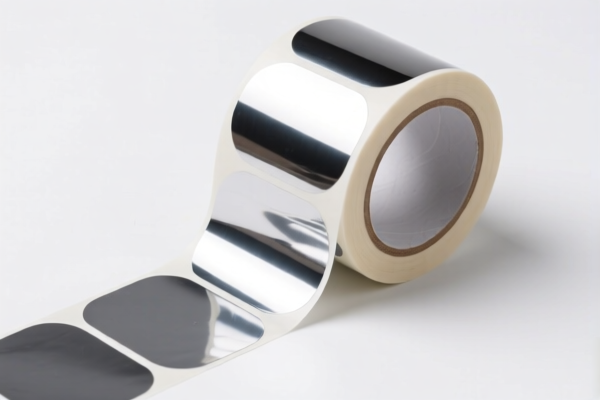
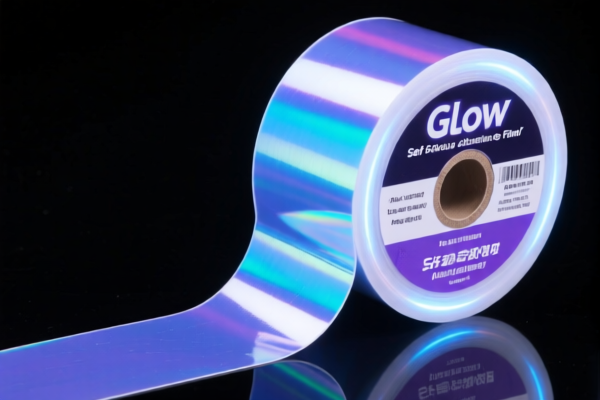
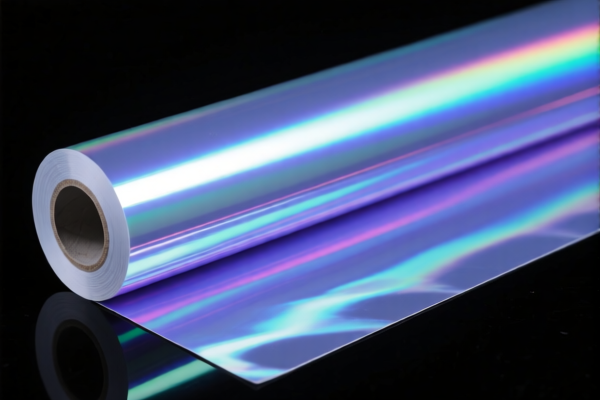
AI Analysis
🌀 Luminous Reflective Self-Adhesive Roll (夜光反光自粘卷材)
🌐 HS Code Reference & Customs Clearance Guide | 2026 Latest Tariff Analysis | Professional Clearance Strategy 📌 I. Product Definition & Classification: What Exactly Is This "Luminous Roll"?
"Luminous Reflective Self-Adhesive Roll" is a composite material used primarily for safety markings, traffic signage, and industrial warning labels. It is not a simple plastic sheet, nor is it a basic fabric. It is a multi-functional laminated product.
In international trade, its classification hinges on the base material and the coating process:
- Textile-Based (Fabric/Mesh): If the core is a woven or non-woven fabric coated with reflective/glowing chemicals.
- Plastic/Polymer-Based: If the core is a PET, PVC, or PE film/roll coated with reflective layers.
⚠️ Key Distinction Point: * If it is a coated textile (fabric base) → It falls under Chapter 59 (Textiles impregnated, coated, covered or laminated). * If it is a coated plastic film (plastic base) → It falls under Chapter 39 (Plastics and articles thereof).
📦 II. HS Code Classification Details (2026 Latest Tariff Authority Comparison)
| HS Code | Product Description | Applicable Scenario | Material/Function Logic |
|---|---|---|---|
5907.00.80.90 |
Other textiles impregnated, coated, covered or laminated with plastics or rubber (Luminous/Reflective) | Textile-based self-adhesive rolls; fabric mesh with night-glow coating. | ✅ Textile Base + Coating Function. No material conflict. |
3926.90.99.89 |
Other articles of plastics and articles of other materials of heading 3901 to 3914 (Luminous Plastic Sheets) | Plastic/Polymer-based rolls; PET/PE films with reflective properties. | ✅ Plastic Base. Fits "Other plastic articles" category. |
5907.00.15.00 |
Textiles impregnated/coated with man-made fibers, for vehicle tires, etc. (Note: Generic "Coated Fabric" Category) | General coated synthetic fabrics where specific tire use doesn't apply. | ✅ Synthetic Coated Fabric. Broad category for polymer-coated textiles. |
3926.90.99.25 |
Other articles of plastics, for safety/warning signs (Reflective Warning Signs) | Plastic rolls specifically marketed as reflective warning signage materials. | ✅ Plastic + Safety Function. Matches reference entry for warning signs. |
5907.00.35.00 |
Textiles impregnated/coated with synthetic materials, other than those of 5907.10 or 5907.90 | Self-adhesive coated fabrics with functional layers (glow/reflect). | ✅ Functional Coated Textile. Aligns with logic for layered/coated fabrics. |
🔍 Key Insight: * The term "Roll" (卷材) implies a continuous sheet form. * The "Self-Adhesive" (自粘) feature often triggers scrutiny on whether the adhesive is the primary feature or a secondary backing. However, the Reflective/Luminous property dictates the functional classification. * If the base is Fabric → Chapter 59 (Higher Tax). * If the base is Plastic → Chapter 39 (Lower Tax).
💰 III. 2026 Latest Tariff Rate Breakdown (Including Additional Duties & Policy Surcharges)
✅ Applicable Country: USA (US) ✅ Origin: China (CN) ✅ Effective Date: 2025/2026 Import Period
🎯 1. 5907.00.80.90 — Textiles Impregnated/Coated (Luminous/Reflective)
| Item | Details |
|---|---|
| Base Duty | 0.0% (Ad Valorem) |
| USITC Additional Duty (Section 301) | +25.0% |
| IEEPA Additional Duty | +10.0% (For CN/HK products) |
| Total Effective Rate | 35.0% |
| Tax Calculation | CIF Value × 35% |
| De Minimis Eligibility | ❌ No (deny_de_minimis) |
| Legal Basis Path | IEEPA:9903.01.25 → USITC:5907.00.80.90 → FOOTNOTE:9903.88.01 |
📌 Explanation: * Although the base duty is 0%, the 35% total burden is significant. * This classification applies if customs determines the product is primarily a textile (even if coated).
🎯 2. 3926.90.99.89 — Other Plastic Articles (Luminous Rolls)
| Item | Details |
|---|---|
| Base Duty | 5.3% |
| USITC Additional Duty (Section 301) | +7.5% |
| IEEPA Additional Duty | +10.0% |
| Total Effective Rate | 22.8% |
| Tax Calculation | CIF Value × 22.8% |
| De Minimis Eligibility | ❌ No (deny_de_minimis) |
| Legal Basis Path | IEEPA:9903.01.24 → USITC:3926.90.99.89 → FOOTNOTE:9903.88.01 |
📌 Note: * This is the most cost-effective classification for plastic-based reflective rolls. * Applicable if the base material is clearly PET, PVC, PE, or similar polymers.
🎯 3. 5907.00.15.00 — Coated Textiles (Man-Made Fibers)
| Item | Details |
|---|---|
| Base Duty | 8.0% |
| USITC Additional Duty (Section 301) | +25.0% |
| IEEPA Additional Duty | +10.0% |
| Total Effective Rate | 43.0% |
| Tax Calculation | CIF Value × 43.0% |
| De Minimis Eligibility | ❌ No (deny_de_minimis) |
| Legal Basis Path | IEEPA:9903.01.25 → USITC:5907.00.15.00 |
📌 Warning: * This is the highest tax bracket (43%). * Only use if the product is a synthetic coated fabric and
5907.00.80.90is not applicable or risky.
🎯 4. 3926.90.99.25 — Plastic Articles for Warning Signs
| Item | Details |
|---|---|
| Base Duty | 5.3% |
| USITC Additional Duty (Section 301) | +7.5% |
| IEEPA Additional Duty | +10.0% |
| Total Effective Rate | 22.8% |
| Tax Calculation | CIF Value × 22.8% |
| De Minimis Eligibility | ❌ No (deny_de_minimis) |
| Legal Basis Path | IEEPA:9903.01.24 → USITC:3926.90.99.25 |
📌 Note: * Similar tax rate to
3926.90.99.89(22.8%). * Specific to reflective warning signs. If your roll is explicitly marketed as "Safety Signage Material," this is a strong candidate.
🎯 5. 5907.00.35.00 — Other Coated Textiles (Self-Adhesive/Functional)
| Item | Details |
|---|---|
| Base Duty | 8.0% |
| USITC Additional Duty (Section 301) | +25.0% |
| IEEPA Additional Duty | +10.0% |
| Total Effective Rate | 43.0% |
| Tax Calculation | CIF Value × 43.0% |
| De Minimis Eligibility | ❌ No (deny_de_minimis) |
| Legal Basis Path | IEEPA:9903.01.25 → USITC:5907.00.35.00 |
📌 Warning: * Also 43%. Avoid unless the product is definitely a textile and
5907.00.80.90is rejected by customs.
🛠️ IV. Customs Clearance Practical Advice (Real-World Pitfall Guide)
✅ 1. Essential Document Checklist (Non-Negotiable)
| Document | Required | Explanation |
|---|---|---|
| ✅ Product Specification Sheet | ✔️ | Must detail: Base Material (Plastic vs. Textile), Coating Type (Reflective/Glow), Adhesive Type. |
| ✅ Material Composition Report | ✔️ | Critical. Lab test proving % of plastic vs. fabric. |
| ✅ Product Photos (Cross-Section) | ✔️ | Show the layers: Backing → Adhesive → Reflective Layer → Top Coat. |
| ✅ Commercial Invoice | ✔️ | Description: "Luminous Reflective Self-Adhesive Roll, Plastic Base, for Traffic Safety." |
| ✅ Usage Declaration | ✔️ | State intended use: "For manufacturing warning signs, not for end-user signage." |
✅ 2. Declaration Strategy (Key Mantra)
🔥 “Base Material Determines HS, Function Clarifies Intent!”
| Scenario | Correct HS Code | Wrong Approach |
|---|---|---|
| Plastic Base (PET/PE/PVC) | 3926.90.99.89 or 3926.90.99.25 (22.8%) |
Declaring as Textile → 35-43% |
| Fabric Base (Mesh/Non-Woven) | 5907.00.80.90 (35%) |
Declaring as Plastic → Misclassification |
| Explicitly "Safety Signage Material" | 3926.90.99.25 (22.8%) |
Vague name "Reflective Tape" → Customs Discretion |
| High-End Coated Fabric | 5907.00.35.00 or 5907.00.15.00 (43%) |
Trying to force Plastic classification → Audit Risk |
✅ 3. Special Handling
| Situation | Recommendation |
|---|---|
| OEM Custom Rolls | Provide design files showing layer structure. Emphasize plastic backing if possible. |
| Mixed Shipments (Plastic + Textile) | Split Declaration. Do not mix. Plastic rolls under 3926, Textile rolls under 5907. |
| Small Quantities (De Minimis) | ❌ Not Eligible. Even under $800, these HS codes are deny_de_minimis. Pay full duty. |
| Glow-in-the-Dark vs. Reflective | Both are considered "Coated Textiles" or "Plastic Articles." The base still drives the HS. |
🌍 V. Global Market Comparison (2026 Latest)
| Country/Region | Recommended HS Code | Tariff Rate | Certification | Notes |
|---|---|---|---|---|
| 🇺🇸 USA | 3926.90.99.89 |
22.8% (Plastic) / 35-43% (Textile) | None specific | High Additional Duties. Choose Plastic HS if possible. |
| 🇨🇳 China | 5907.00.80.90 / 3926.90.99.89 |
~5-10% | RoHS | No Section 301/IEEPA surcharges. |
| 🇪🇺 EU | 5907.00.90 / 3926.90.99 |
4-6.5% | CE (if applicable) | Lower base duties, no US-style surcharges. |
| 🇦🇺 Australia | 3926.90.99.90 |
5% | ACCC | Competitive. |
| 🇯🇵 Japan | 5907.90.900 / 3926.90.900 |
4-8% | PSE | Moderate duties. |
📌 Conclusion: * The USA is the most expensive market due to Section 301 (25%) + IEEPA (10%). * Optimization Strategy: If your roll is Plastic-based, aim for
3926.90.99.89(22.8%). If it is Textile-based, you must accept5907(35%+). * Do NOT attempt to misdeclare Textile as Plastic. Customs labs can strip the coating to test the base fiber.
📌 VI. Common Errors & Pitfalls (Lessons Learned)
❌ Error 1: Declaring "Reflective Tape" generically without specifying base material. 👉 Consequence: Customs assigns the highest tax bracket (43%) or issues a Request for Information (RFI) delay.
❌ Error 2: Trying to use De Minimis ($800) for small samples. 👉 Consequence: Shipment held at border, duties + storage fees charged. These HS codes are excluded from de minimis.
❌ Error 3: Ignoring the "Self-Adhesive" aspect. 👉 Consequence: If the adhesive is the dominant feature, it might be argued as a "Self-Adhesive Product" (Chapter 39/59 specific subheadings), but Reflective/Luminous function usually overrides, pushing it to Chapter 39 or 59 general provisions.
❌ Error 4: Mixing Plastic and Textile rolls in one B/L (Bill of Lading). 👉 Consequence: Customs may audit the entire shipment. Split your HS Codes clearly in the entry summary.
✅ Correct Practice:
"Reflective Luminous Self-Adhesive Roll, Polyester (PET) Base, with Silver Reflective & Phosphorescent Coating, for Traffic Safety Signage Manufacturing."
🎯 VII. Conclusion: Smart Classification, Lower Costs!
🎯 Remember the Mantra:
🔹 "Plastic Base = 22.8% (Chapter 39)" 🔹 "Textile Base = 35-43% (Chapter 59)" 🔹 "No De Minimis for China-Origin US Imports" 🔹 "Specify Base Material in Invoice to Save Taxes!"
📌 Pro Tip: If you can modify your production to use a Plastic/Polymer backing instead of Fabric, you can save ~10-20% in duties. For high-value shipments, consider applying for an Exclusion under Section 301 if available, or use Advance Rulings to lock in the 22.8% rate.
📣 Take Action Now:
📞 Contact your freight forwarder: "Is the base Plastic or Textile?" 📄 Update your Invoice: "PET/PE Base, Reflective Roll" 🚀 Clear your goods faster and cheaper with precise classification!
✨ Professional Clearance Starts with Precise Classification! 💼 Every Percentage Point of Duty Saves You Profit!
Customer Reviews
About HS Code Classification
The Harmonized System (HS) is an internationally standardized nomenclature developed by the World Customs Organization (WCO) to classify traded products. Over 200 countries use the HS system as the basis for customs tariffs, trade statistics, and import/export regulations.
Each HS code follows a hierarchical structure:
- Chapter (2 digits) — Broad category of goods (e.g., Chapter 84: Machinery and Mechanical Appliances)
- Heading (4 digits) — More specific grouping within the chapter
- Subheading (6 digits) — Internationally standardized breakdown, used by all WCO member countries
- National subdivisions (8-10 digits) — Country-specific extensions for further classification, such as US HTSUS 10-digit codes
Correct HS code classification is essential for smooth customs clearance, accurate duty payment, and compliance with trade regulations. Misclassification can lead to customs delays, overpayment of duties, or penalties.
When importing from CN to US, the applicable tariff rates may include:
- Most-Favored-Nation (MFN) rate — The standard duty rate applied to WTO members
- General rate — Applied to countries without trade agreements
- Trade remedy duties — Additional tariffs such as Section 301 (anti-dumping), Section 232 (national security), or countervailing duties
The information provided on this page is for reference purposes only. For official classification, please consult with your local customs authority or a licensed customs broker.