Luxury Fur Clothing
CN → US| HS Code | Tariff Rate | Origin | Destination | Doc |
|---|---|---|---|---|
| 4303100060 | 39.0% | CN | US | Official Doc |
| 4303100030 | 39.0% | CN | US | Official Doc |
| 6104290510 | 0.0% | CN | US | Official Doc |
Product Images
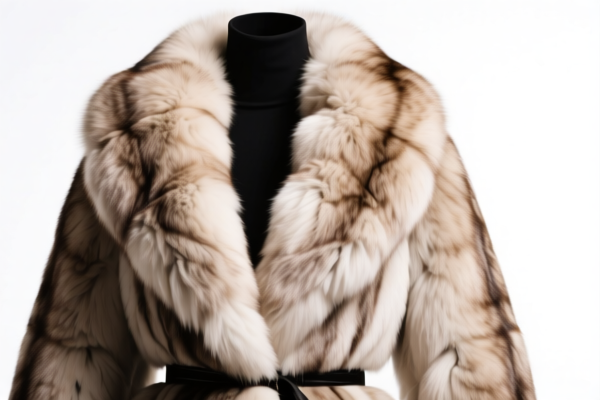
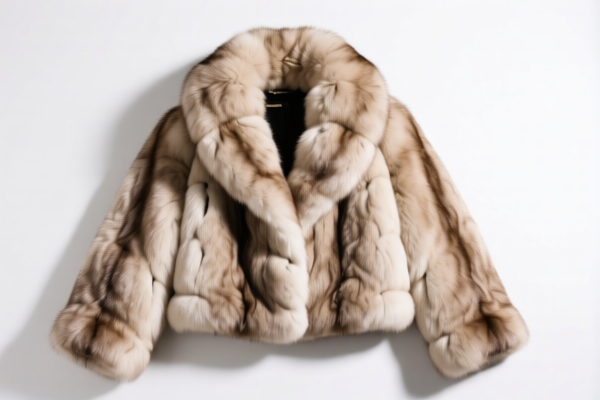
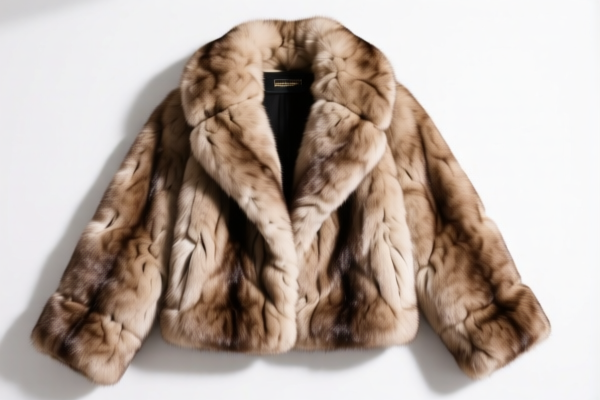
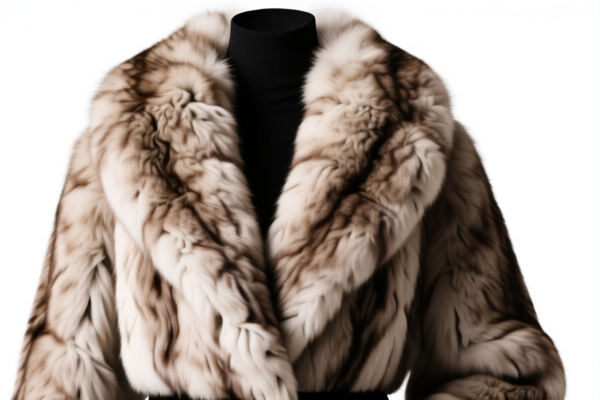
AI Analysis
🧥 Luxury Fur Clothing (High-End Peltry Apparel)
🌐 HS Code Reference & Customs Clearance Guide | 2026 Latest Tariff Analysis | Professional Clearance Strategy
📌 I. Product Definition & Classification: Do You Really Know "Luxury Fur"?
Luxury fur clothing represents the pinnacle of high-end fashion, characterized by the use of premium animal pelts (such as mink, fox, or chinchilla) or other fur materials. In international trade, classification depends heavily on the manufacturing stage (ready-to-wear vs. pieces), material composition, and construction method (knitted vs. woven).
There are two primary classification paths: 1. Chapter 43 (Animal Fur): Specifically for garments made primarily of animal fur. 2. Chapter 61/62 (Textiles): For garments where fur is combined with textile materials, or for knitted/hooked items containing leather/fur components.
⚠️ Key Distinction Point:
- If the item is a finished garment made of animal fur →归入 Chapter 43 (e.g.,4303.10.00).
- If the item is a knitted/hooked garment containing leather/fur components → 归入 Chapter 61 (e.g.,6104.29,6102.30).
- If the item is a woven garment containing animal hair/fur → 归入 Chapter 62 (e.g.,6201.20).
📦 II. HS Code Classification Details (2026 Latest Tariff Authority Comparison)
| HS Code | Product Description | Applicable Scenario | Material/Structure |
|---|---|---|---|
4303.10.00.30 |
Luxury fur clothing, classified as fur制品, fitting the form of apparel. | Ready-to-wear fur coats, vests. | Pure animal fur or high-grade pelts. |
6104.29.05.10 |
Luxury fur clothing, material is fur, fits ensemble/outwear characteristics. | Knitted fur blends, ensemble suits. | Knitted/Hooked fur mix. |
4303.10.00.60 |
Luxury fur clothing, non-mink fur products. | Fur garments made from fox, raccoon, etc. (Non-mink). | Other animal furs (Non-mink). |
6102.30.05.00 |
Fur clothing, form is coat/outwear, knitted/hooked with leather components. | Winter coats with fur lining/trim, knitted structure. | Knitted + Leather/Fur components. |
6201.20.11.20 |
Fur clothing, form is apparel, material is animal hair/fur, fits outerwear category. | Woven outerwear with fur/hair materials. | Woven + Animal Hair/Fur. |
🔍 Key Reminder:
- Chapter 43 items (4303) are generally subject to the highest surcharges (25% Section 301 + 10% Section 122). - Chapter 61/62 items may have slightly different base rates but are still heavily impacted by Section 122 tariffs. - "Luxury" implies high value, triggering strict scrutiny on valuation and origin.
💰 III. 2026 Latest Tariff Rate Details (Including Surcharges & Policy Add-ons)
✅ Applicable Country: USA (US)
✅ Origin: China (CN)
✅ Effective Time: Ongoing (Post-2024 Trade Measures)
🎯 1. 4303.10.00.30 & 4303.10.00.60 —— Animal Fur Garments (Chapter 43)
| Item | Content |
|---|---|
| Base Tariff | 4.0% (Ad Valorem) |
| Section 301 Surcharge | +25.0% (Add-on Tariff) |
| Section 122 Tariff | +10.0% (Specific Trade Measure) |
| Total Rate | 39.0% |
| Tax Calculation | CIF Value × 39% |
| De Minimis Eligibility | ❌ NO (High value goods excluded from $800 exemption) |
| Legal Basis Path | USITC:4303.10.00.30 → FOOTNOTE:301 → EO:122 |
📌 Explanation:
- Base 4%: Standard MFN rate for fur garments.
- Section 301 (+25%): Imposed on Chinese goods under Trade Act Section 301.
- Section 122 (+10%): Additional tariff under specific trade enforcement provisions.
- Total 39%: This is a significant cost burden. Must be factored into pricing.
🎯 2. 6104.29.05.10 —— Knitted Fur Ensembles/Outwear (Chapter 61)
| Item | Content |
|---|---|
| Base Tariff | Rate applicable to each garment in the ensemble if separately classified. |
| Section 301 Surcharge | +7.5% (Note: Variability based on specific textile rule) |
| Section 122 Tariff | +10.0% |
| Total Rate | Variable + 17.5% (Effective) |
| Tax Calculation | CIF × (Base Rate + 17.5%) |
| De Minimis Eligibility | ❌ NO |
| Legal Basis Path | USITC:6104.29.05.10 → FOOTNOTE:301 → EO:122 |
📌 Note:
- This code applies to knitted/hooked fur garments.
- The base rate varies depending on the specific textile content within the ensemble.
- Surcharge Total: 7.5% (Section 301 partial) + 10% (Section 122) = 17.5% add-on to the base rate.
🎯 3. 6102.30.05.00 —— Knitted Fur Coats/Outwear (Chapter 61)
| Item | Content |
|---|---|
| Base Tariff | 5.3% (Ad Valorem) |
| Section 301 Surcharge | +7.5% |
| Section 122 Tariff | +10.0% |
| Total Rate | 22.8% |
| Tax Calculation | CIF Value × 22.8% |
| De Minimis Eligibility | ❌ NO |
| Legal Basis Path | USITC:6102.30.05.00 → FOOTNOTE:301 → EO:122 |
📌 Explanation:
- Lower total rate than Chapter 43 (39.0%) due to lower Section 301 surcharge on this specific textile/fur blend.
- Ideal for knitted fur blends.
🎯 4. 6201.20.11.20 —— Woven Fur Outerwear (Chapter 62)
| Item | Content |
|---|---|
| Base Tariff | 41¢/kg + 16.3% (Ad Valorem) |
| Section 301 Surcharge | +7.5% |
| Section 122 Tariff | +10.0% |
| Total Rate | 41¢/kg + 16.3% + 17.5% |
| Tax Calculation | (Weight × 41¢) + (CIF × (16.3% + 17.5%)) |
| De Minimis Eligibility | ❌ NO |
| Legal Basis Path | USITC:6201.20.11.20 → FOOTNOTE:301 → EO:122 |
📌 Explanation:
- This code uses a mixed duty (Specific + Ad Valorem).
- Heavy items may incur high specific duties ($0.41/kg).
- Ad valorem surcharge total: 7.5% + 10% = 17.5%.
🛠️ IV. Customs Clearance Practical Advice (Real-World Pitfall Guide)
✅ 1. Required Documentation Checklist (Missing items = Delays)
| Document | Required | Notes |
|---|---|---|
| ✅ Product Specification Sheet | ✔️ | Must detail fur type (Mink? Fox?), lining material, knitting/woven status. |
| ✅ Composition Breakdown | ✔️ | % of animal fur vs. textile vs. leather. Critical for Chapter 43 vs 61/62. |
| ✅ Product Photos (Labeled) | ✔️ | Front/back view, close-up of fur texture, label showing origin. |
| ✅ Commercial Invoice | ✔️ | Must state "Luxury Fur Garment" and accurate HS Code. |
| ✅ Certificate of Origin (CO) | ✔️ | If shipped from China, expect high tariffs. If from other origin, check FTAs. |
| ✅ CITES Permit (If Applicable) | ✔️ | For endangered species (e.g., certain chinchilla, crocodile). Most luxury furs are farmed, but verify! |
✅ 2. Declaration Tips (Critical Keywords)
🔥 "Clarify Structure: Fur Type, Knit or Woven, Name Accurate, Tariff Clear!"
| Scenario | Correct Declaration | Wrong Practice |
|---|---|---|
| Pure Animal Fur Coat | 4303.10.00.30 (Mink) or 4303.10.00.60 (Non-mink) |
Mislabeling as "Textile Coat" → 45% penalty risk |
| Knitted Fur Blend Jacket | 6104.29.05.10 or 6102.30.05.00 |
Using Chapter 43 code → Over/Under payment |
| Woven Fur Outerwear | 6201.20.11.20 |
Ignoring specific duty component → Underpayment |
| Fur Trim on Textile Garment | Chapter 61/62 | Classifying as 100% fur → Wrong chapter |
✅ 3. Special Situations
| Situation | Handling Advice |
|---|---|
| Mixed Materials | If fur is <50%, may still fall under Chapter 43 if it defines the character. Consult tariff notes. |
| Fur Trim Only | If the main material is wool/silk, but has fur trim, it may still be Chapter 43 if fur is essential. |
| CITES Compliance | Ensure all fur is farmed (CITES Appendix II). Wild-caught fur requires special permits and is often banned. |
| High Value | For items >$800, De Minimis (Section 321) does NOT apply. Full duties apply. |
🌍 V. Global Market Clearance Comparison (2026 Latest)
| Country/Region | Recommended HS Code | Tariff (China Origin) | Certification | Notes |
|---|---|---|---|---|
| 🇺🇸 USA | 4303.10.00 / 6104 |
22.8% - 39.0% | FCC (if electronic), CITES | High surcharges; strict fur origin checks. |
| 🇨🇳 China | 4303.10 / 6104 |
5% - 10% | CCC (if applicable) | Lower base rates; no Section 301. |
| 🇪🇺 EU | 4303.10 / 6104 |
0% - 12% | REACH, CITES | No Section 301; strict animal welfare laws. |
| 🇨🇦 Canada | 4303.10 / 6104 |
0% - 5% | CITES | CUSMA benefits if origin is Canada/Mexico. |
| 🇬🇧 UK | 4303.10 / 6104 |
0% - 12% | CITES | Post-Brexit rules; check UK Global Tariff. |
📌 Conclusion:
- USA is the most expensive market due to Section 301 (25%) and Section 122 (10%) surcharges.
- Total cost in US: Up to 39% for pure fur, 22.8% for knitted blends.
- Strategy: Consider origin diversification (e.g., manufacture in EU or Canada) to avoid US surcharges.
📌 VI. Common Errors & Pitfall Guide (Lessons Learned)
❌ Error 1: Declaring "Fur Coat" as "Wool Coat" (6202.99)
👉 Consequence: Underpayment of duties + fraud penalties. Customs will inspect and reclassify.
❌ Error 2: Ignoring Section 122 Tariff (+10%)
👉 Consequence: Unexpected cost increase at border. This is a newer surcharge often missed.
❌ Error 3: Assuming De Minimis ($800) applies
👉 Consequence: Luxury fur items are high-value. If >$800, Section 321 exemption does NOT apply. Full duties apply.
❌ Error 4: Incorrect Fur Species Identification
👉 Consequence: 4303.10.00.30 (Mink) vs 4303.10.00.60 (Non-mink) have different regulatory scrutiny. Mislabeling triggers CITES audits.
✅ Correct Practice:
"Luxury Mink Fur Coat, Knitted Lining, Made in China, HS 4303.10.00.30, Subject to Section 301 & 122 Tariffs"
🎯 VII. Conclusion: Professional Declaration, Cost Efficiency!
🎯 Remember the Mantra:
🔹 "Fur is Chapter 43, Knit is Chapter 61, Woven is Chapter 62."
🔹 "USA Tariff: 39% for Fur, 22.8% for Knit, 17.5% Surcharge on Base."
🔹 "No De Minimis for Luxury, CITES Compliance is Key!"
📌 Tips:
- If your fur clothing is originating from Vietnam, Mexico, or Canada, you may avoid Section 301/122 surcharges under USMCA/other FTAs.
- Apply for an Advance Ruling (CBP Ruling) if your product is a novel blend of fur and textile.
- Verify CITES Status: Ensure all fur is from certified farms to avoid seizure.
📣 Immediate Action:
📞 Contact a Licensed Customs Broker + Provide Material Breakdown + Verify CITES Compliance
🚀 Clear Your Luxury Fur Goods Smoothly, Avoid 39% Penalties, Maximize Profit!
✨ Professional Clearance Starts with Accurate Classification!
💼 Every Dollar Saved is a Dollar Earned!
Customer Reviews
About HS Code Classification
The Harmonized System (HS) is an internationally standardized nomenclature developed by the World Customs Organization (WCO) to classify traded products. Over 200 countries use the HS system as the basis for customs tariffs, trade statistics, and import/export regulations.
Each HS code follows a hierarchical structure:
- Chapter (2 digits) — Broad category of goods (e.g., Chapter 84: Machinery and Mechanical Appliances)
- Heading (4 digits) — More specific grouping within the chapter
- Subheading (6 digits) — Internationally standardized breakdown, used by all WCO member countries
- National subdivisions (8-10 digits) — Country-specific extensions for further classification, such as US HTSUS 10-digit codes
Correct HS code classification is essential for smooth customs clearance, accurate duty payment, and compliance with trade regulations. Misclassification can lead to customs delays, overpayment of duties, or penalties.
When importing from CN to US, the applicable tariff rates may include:
- Most-Favored-Nation (MFN) rate — The standard duty rate applied to WTO members
- General rate — Applied to countries without trade agreements
- Trade remedy duties — Additional tariffs such as Section 301 (anti-dumping), Section 232 (national security), or countervailing duties
The information provided on this page is for reference purposes only. For official classification, please consult with your local customs authority or a licensed customs broker.