Lynx Fur
CN → US| HS Code | Tariff Rate | Origin | Destination | Doc |
|---|---|---|---|---|
| 4301800220 | 17.5% | CN | US | Official Doc |
| 4103901190 | 17.5% | CN | US | Official Doc |
| 4103902000 | 20.8% | CN | US | Official Doc |
Product Images
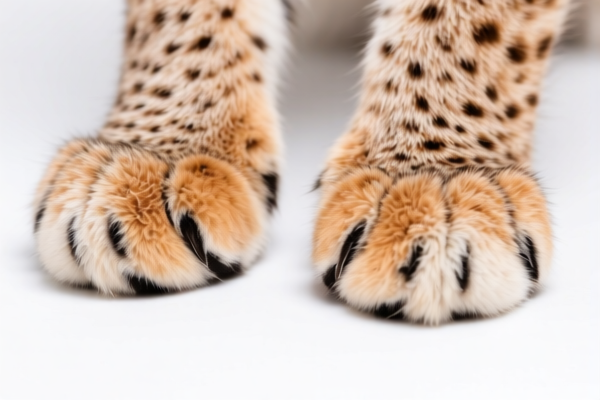
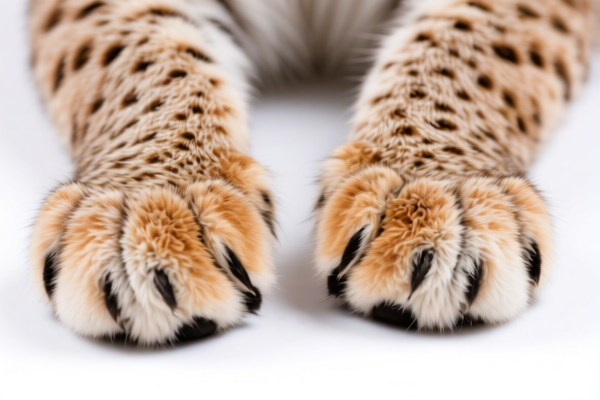
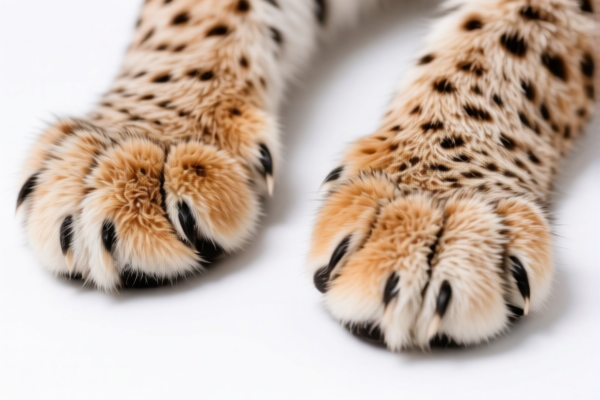
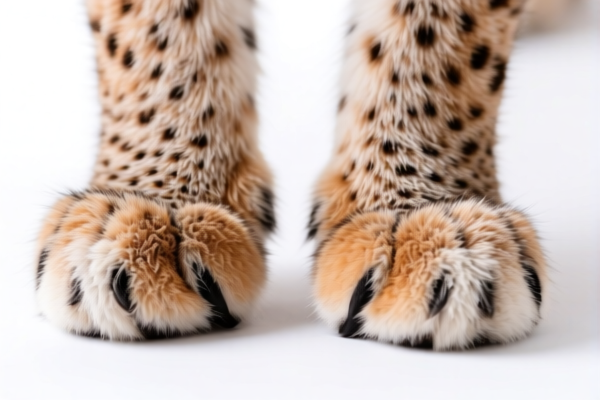
AI Analysis
🦁 Lynx Fur (Raw Skins)
🌐 HS Code Reference & Customs Clearance Guide | 2026 Latest Tariff Analysis | Professional Clearance Strategy
📌 I. Product Definition & Classification: Do You Truly Understand "Lynx Fur"?
Lynx Fur, specifically in its raw or unprocessed state, is a high-value natural material used in luxury fashion, fur trimming, and decorative arts. In international trade, it is strictly regulated under the Harmonized System (HS) codes pertaining to Animal Skins and Pelts.
Crucially, the classification depends entirely on the state of preservation and the processing level of the skin. "Lynx Fur" imported for manufacturing is typically considered a Raw Skin (生皮) rather than finished leather or tanned fur.
⚠️ Key Distinction:
- If the skin is untanned, uncrusted, or merely salted/dried (Raw State) → Classified under Chapter 41 (Leather) as "Raw Skins of Bovine..." or generally under 4103 for "Other Animal Skins, Raw".
- Note: While Chapter 43 covers "Fur Skins and Furskins," raw skins of wild animals like Lynx are often directed to Chapter 41 unless specifically prepared for fur wearing purposes. However, based on the provided data, specific sub-headings in 4103 and 4301 are relevant.
- If the skin is tanned or further prepared (Finished/Leather) → It would fall under different codes (not listed in the current scope, which focuses on Raw).
- Critical Warning: Misclassifying a raw skin as a finished fur skin (or vice versa) can lead to significant duty discrepancies and customs delays.
📦 II. HS Code Classification Details (2026 Latest Tariff Authority Cross-Reference)
Based on the provided dataset, here are the three specific HS Codes associated with Raw Lynx Skins:
| HS Code | Product Description | Application Scenario | State of Material |
|---|---|---|---|
4301.80.02.20 |
Raw Lynx Skins | Matching Lynx raw fur material and category definition | ✅ Raw / Unprocessed (Specific Lynx Classification) |
4103.90.11.90 |
Raw Lynx Skins | Un-tanned original skins, Raw Skin Morphology | ✅ Raw / Un-tanned (General "Other" Raw Skin) |
4103.90.20.00 |
Raw Lynx Skins | Un-tanned raw skin material requirements | ✅ Raw / Un-tanned (General "Other" Raw Skin) |
🔍 Key Insight:
- 4301.80.02.20 is a specific designation for Lynx within the Fur Skins chapter, likely implying a higher specificity or specific trade agreement treatment.
- 4103.90.xxxx codes classify Lynx skins under "Other Animal Skins, Raw" in the Leather chapter. This is common for skins that are not yet prepared for fur garments but are raw animal hides.
- Do Not Confuse: These codes are for RAW skins. Finished tanned fur or leather would have different HS codes (e.g., 4302 or 4113/4114).
💰 III. 2026 Latest Tariff Rate Details (Including Surtaxes & Policy Add-ons)
✅ Applicable Country: United States (US)
✅ Country of Origin: China (CN)
✅ Effective Date: 2025/2026 Tariff Schedule
🎯 1. 4301.80.02.20 —— Raw Lynx Skins (Specific Category)
| Item | Content |
|---|---|
| Base Tariff | 0.0% (ad valorem) |
| Section 301 / Additional Tariff | +7.5% |
| Section 122 Tariff | +10.0% |
| Total Tariff Rate | 17.5% |
| Tax Calculation | CIF Value × 17.5% |
| De Minimis Exemption | ❌ Not Applicable (High-value raw materials usually excluded from 800.02(a)(1) or 321.2 relief) |
| Legal Path | Base Rate 0% → Section 301: +7.5% → Section 122: +10% |
📌 Explanation:
- This code has a 0% base duty, but attracts two significant additional tariffs.
- Section 301 (7.5%): Standard US-China trade war tariff on many animal products.
- Section 122 (10%): A separate statutory tariff provision (often related to national security or specific trade relief acts).
- Total Impact: Despite 0% base, the 17.5% effective duty is substantial for high-value luxury raw materials.
🎯 2. 4103.90.11.90 —— Raw Lynx Skins (Un-tanned Original)
| Item | Content |
|---|---|
| Base Tariff | 0.0% |
| Section 301 / Additional Tariff | +7.5% |
| Section 122 Tariff | +10.0% |
| Total Tariff Rate | 17.5% |
| Tax Calculation | CIF Value × 17.5% |
| De Minimis Exemption | ❌ Not Applicable |
| Legal Path | Base Rate 0% → Section 301: +7.5% → Section 122: +10% |
📌 Note:
- Identical tax structure to4301.80.02.20.
- Classification here is based on the morphology (Raw Skin) rather than the specific animal family in Chapter 43.
- Risk: If customs determines the skin is better described under Chapter 43, this classification might be challenged, though the tax outcome is similar.
🎯 3. 4103.90.20.00 —— Raw Lynx Skins (Un-tanned Material Requirement)
| Item | Content |
|---|---|
| Base Tariff | 3.3% |
| Section 301 / Additional Tariff | +7.5% |
| Section 122 Tariff | +10.0% |
| Total Tariff Rate | 20.8% |
| Tax Calculation | CIF Value × 20.8% |
| De Minimis Exemption | ❌ Not Applicable |
| Legal Path | Base Rate 3.3% → Section 301: +7.5% → Section 122: +10% |
📌 Warning:
- This is the highest tax bracket among the three options.
- The 3.3% base tariff is significantly higher than the 0% base for the other two codes.
- Strategy: Unless specific regulatory requirements force this classification,4301.80.02.20or4103.90.11.90are more cost-effective due to the 0% base duty.
🛠️ IV. Customs Clearance Practical Advice (Battle-Tested Pitfall Guide)
✅ 1. Documentation Checklist (Non-Negotiable)
| Document | Must Provide | Explanation |
|---|---|---|
| ✅ Commercial Invoice | ✔️ | Must clearly state "Raw Lynx Skins (Untanned)" and specify quantity/weight. |
| ✅ Packing List | ✔️ | Detail the number of skins, dimensions, and gross/net weight. |
| ✅ Certificate of Origin | ✔️ | Proof of origin is critical for calculating Section 301 and 122 duties. |
| ✅ Furbearer License / CITES Permit | ✔️ | CRITICAL: Lynx is a protected species. Import requires CITES Appendix II permits. Without this, goods will be seized. |
| ✅ Detailed Product Description | ✔️ | "Raw, salted/dried Lynx fur skins, un-tanned, for manufacturing purposes." |
| ✅ Customs Bond | ✔️ | Required for commercial imports over $2,500. |
🚨 CITES Warning:
Lynx (Lynx lynx and other species) is listed in CITES Appendix II.
- You MUST provide an Export Permit from the country of origin and an Import Permit from the US (USFWS).
- Failure to provide CITES documentation results in immediate seizure, fines, and potential criminal liability.
✅ 2. Classification Strategy (Key Mantra)
🔥 "Raw State First, Specific Code Next, CITES Always, Tax Saved!"
| Scenario | Correct HS Code | Incorrect Code | Consequence |
|---|---|---|---|
| Raw, Untanned Skins | 4301.80.02.20 or 4103.90.11.90 |
4103.90.20.00 |
Saves 3.3% on base duty. |
| Tanned/Finished Fur | Not in Data (Likely 4302) | 4301.80.02.20 |
Major Misclassification: Penalties + Back Taxes. |
| Smuggling Risk | None (Legal Trade) | N/A | No CITES Permit = Seizure. |
📌 Tip:
- Aim for4301.80.02.20if your supplier can classify the skins as specific "Lynx Fur Skins" under Chapter 43. It has the same tax rate as4103.90.11.90but is more specific, reducing audit risk.
- Avoid4103.90.20.00unless necessary, as it carries a higher base duty.
✅ 3. Special Case Handling
| Situation | Handling Advice |
|---|---|
| CITES Compliance | Apply for CITES permits 3-6 months in advance. USFWS processing times are long. |
| Value Declaration | Declare the actual CIF value. Lynx fur is high-value; undervaluation triggers automatic audits. |
| Packaging | Ensure skins are packed in breathable materials to prevent mold during transit. Provide photos of packaging for customs inspection. |
| USDA/APHIS | Check if any animal health certificates are required, though fur skins are often exempt, verification is key. |
🌍 V. Global Market Clearance Comparison (2026 Latest)
| Country/Region | Recommended HS Code | Tariff (China Origin) | Certification Required | Notes |
|---|---|---|---|---|
| 🇺🇸 USA | 4301.80.02.20 |
17.5% | CITES + USFWS | High additional tariffs (301 + 122). |
| 🇨🇳 China | 4301.80.02.20 |
Varies (Check Latest) | CITES + China Forestry | Import of wild animal parts is strictly controlled. |
| 🇪🇺 EU | 4301.80.02.20 |
~1.7% - 3% + Duty | CITES + EU Regulation | EU has strict CITES enforcement. No Section 301. |
| 🇬🇧 UK | 4301.80.02.20 |
~1.7% - 3% + Duty | CITES + UK HMG | Post-Brexit rules apply. |
📌 Conclusion:
- USA has the most complex and costly tariff structure for Lynx fur due to Section 301 and 122.
- CITES is the universal barrier. No matter the country, legal documentation is more important than tariff rate optimization.
📌 VI. Common Errors & Pitfall Guide (Lessons Learned from Tears)
❌ Error 1: Failing to obtain CITES Permits
👉 Consequence: Goods seized by USFWS or CBP. Fines up to $10,000+ per violation. Potential criminal charges.
❌ Error 2: Misclassifying Raw Skins as Finished Fur
👉 Consequence: If declared as finished fur but found raw, or vice versa, customs may reclassify, leading to penalties and delayed release.
❌ Error 3: Using 4103.90.20.00 without justification
👉 Consequence: Paying an extra 3.3% base duty unnecessarily. Always check if 4301.80.02.20 or 4103.90.11.90 applies.
❌ Error 4: Undervaluing High-Value Skins
👉 Consequence: CBP audits luxury raw materials aggressively. Incorrect valuation leads to back duties + interest + penalties.
✅ Correct Approach:
"Raw Lynx Fur Skins (Lynx lynx), Untanned, Salted, CITES Appendix II, Origin: [Country], for Manufacturing"
Attach: CITES Import/Export Permits, Commercial Invoice, Packing List.
🎯 VII. Conclusion: Professional Clearance, Save Time, Reduce Costs!
🎯 Remember the Mantra:
🔹 "CITES First, Then HS Code, Then Duty!"
🔹 "Raw Skins: 17.5% Tax (USA), Finished: Different Code!"
🔹 "No Permit? No Entry!"
📌 Pro Tip:
- For US imports, the 17.5% effective duty is manageable compared to the risk of seizure.
- Pre-classification Ruling: Consider applying for an Advance Ruling (CBP Ruling) to confirm if 4301.80.02.20 is the most accurate code for your specific batch of Lynx skins. This provides legal certainty.
📣 Immediate Action:
📞 Contact a licensed customs broker specializing in wildlife products.
📄 Secure CITES Permits before shipping.
🚀 Ensure your Lynx fur clears smoothly, legally, and efficiently.
✨ Professional Clearance Starts with Precise Classification!
💼 Your luxury materials deserve expert handling!
Customer Reviews
About HS Code Classification
The Harmonized System (HS) is an internationally standardized nomenclature developed by the World Customs Organization (WCO) to classify traded products. Over 200 countries use the HS system as the basis for customs tariffs, trade statistics, and import/export regulations.
Each HS code follows a hierarchical structure:
- Chapter (2 digits) — Broad category of goods (e.g., Chapter 84: Machinery and Mechanical Appliances)
- Heading (4 digits) — More specific grouping within the chapter
- Subheading (6 digits) — Internationally standardized breakdown, used by all WCO member countries
- National subdivisions (8-10 digits) — Country-specific extensions for further classification, such as US HTSUS 10-digit codes
Correct HS code classification is essential for smooth customs clearance, accurate duty payment, and compliance with trade regulations. Misclassification can lead to customs delays, overpayment of duties, or penalties.
When importing from CN to US, the applicable tariff rates may include:
- Most-Favored-Nation (MFN) rate — The standard duty rate applied to WTO members
- General rate — Applied to countries without trade agreements
- Trade remedy duties — Additional tariffs such as Section 301 (anti-dumping), Section 232 (national security), or countervailing duties
The information provided on this page is for reference purposes only. For official classification, please consult with your local customs authority or a licensed customs broker.