Lynx fur with tail
CN → US| HS Code | Tariff Rate | Origin | Destination | Doc |
|---|---|---|---|---|
| 4301800220 | 17.5% | CN | US | Official Doc |
| 4103901190 | 17.5% | CN | US | Official Doc |
| 4103902000 | 20.8% | CN | US | Official Doc |
Product Images
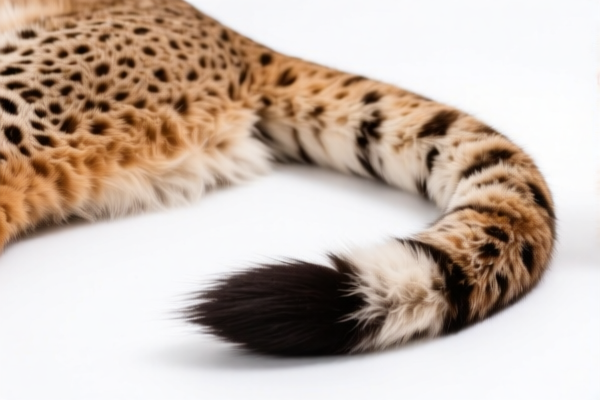
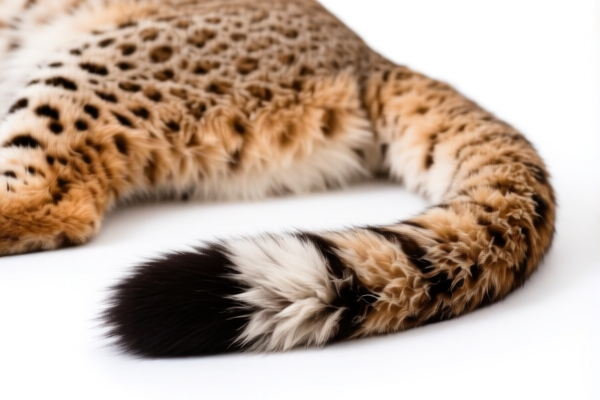
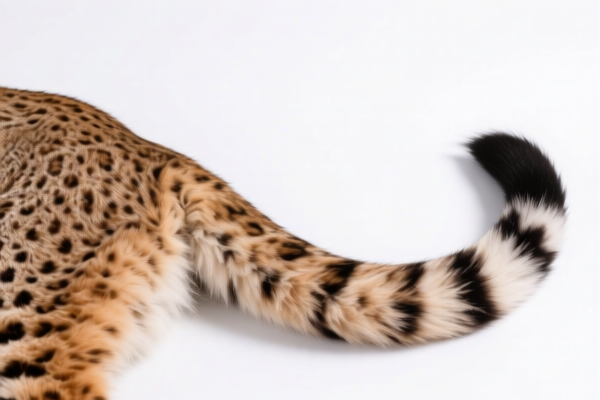

AI Analysis
🦁 Lynx Fur with Tail (Raw Skin)
🌐 HS Code Reference & Customs Clearance Guide | 2026 Latest Tariff Analysis | Professional Clearance Strategy
📌 I. Product Definition & Classification: Do You Really Understand "Raw Lynx Skin"?
Lynx fur, especially raw skins with tails intact, is a high-value commodity in the luxury fashion and fur trade. In international trade, it is strictly regulated under Chapter 41 (Leather) or Chapter 43 (Furskins), depending on its preparation state and specific customs interpretations.
Key Distinction:
- Raw Skin (生皮): Un-tanned, preserved only by salting or drying. It retains its natural shape, including the tail.
- Tanned/Cured Fur (鞣制皮毛): Processed with chemicals, usually ready for manufacturing.
⚠️ Critical Classification Point:
- If the skin is un-tanned (raw) and includes the tail, customs authorities may classify it under Chapter 43 (Furskins) due to its aesthetic value and specific biological classification, OR under Chapter 41 (Raw Hides/Skins) depending on the specific national tariff book's explanatory notes. - US Customs (CBP) has historically shown variability. Some rulings place raw lynx skins in 4301 (Furskins, not sewn), while others may accept 4103 (Other raw hides) if deemed purely as a raw material without specific "fur" intent declared. However, 4301 is often safer for high-value furs.
📦 II. HS Code Classification Details (2026 Latest Tariff Reference)
Based on the provided data, here are the three possible HS Codes for Raw Lynx Skin with Tail:
| HS Code | Product Description | Application Scenario | Tail Included? |
|---|---|---|---|
4301.80.02.20 |
Raw lynx skin, shape is raw skin, matches the material and category definition of raw lynx fur | Luxury fur goods, high-end fashion | ✅ Yes |
4103.90.11.90 |
Raw lynx skin, belongs to un-tanned raw hides, shape is raw skin, matches description of pre-tanned | Industrial leather use, generic raw hides | ✅ Yes (but classified as "hide") |
4103.90.20.00 |
Raw lynx skin, explicitly includes raw skin material, matches un-tanned raw skin requirement, no species conflict | Standard raw hide declaration | ✅ Yes (but classified as "hide") |
🔍 Key Reminder:
- Chapter 43 (4301.80.02.20) is typically used when the product is recognized as fur due to its aesthetic value and specific species (lynx). - Chapter 41 (4103.90.xxxx) is used when the product is treated as a raw animal hide for leather manufacturing, regardless of the species. - Do NOT confuse with tanned furs! Tanned lynx fur would fall under different subheadings (e.g., 4302).
💰 III. 2026 Latest Tariff Rate Breakdown (Including Surtaxes & Policy Add-ons)
✅ Applicable Country: United States (US)
✅ Origin: China (CN)
✅ Effective Date: From November 10, 2025 (including subsequent imports)
🎯 1. 4301.80.02.20 —— Raw Lynx Skin (Chapter 43 - Furskins)
| Item | Content |
|---|---|
| Base Duty Rate | 0% (ad valorem) |
| Section 301 Surcharge | +7.5% (from USITC Footnote 9903.88.01) |
| Section 122 Tariff | +10% (Targeted import restrictions) |
| Total Duty Rate | 17.5% |
| Tax Calculation | CIF Value × 17.5% |
| De Minimis Eligible? | ❌ No (denied_de_minimis) |
| Legal Path | Base: 0% → Section 301: 7.5% → Section 122: 10% |
📌 Explanation:
- Base Rate 0%: Raw furskins often enjoy low base duties under WTO schedules. - Section 301 (7.5%): Additional tariff on Chinese goods under Trade Act Section 301. - Section 122 (10%): Specific tariff for certain agricultural/fur products, often used to protect domestic industries or for political leverage. - Total 17.5%: This is the standard high-risk rate for raw furs from China.
🎯 2. 4103.90.11.90 —— Raw Lynx Skin (Chapter 41 - Other Raw Hides)
| Item | Content |
|---|---|
| Base Duty Rate | 0.0% |
| Section 301 Surcharge | +7.5% |
| Section 122 Tariff | +10% |
| Total Duty Rate | 17.5% |
| Tax Calculation | CIF Value × 17.5% |
| De Minimis Eligible? | ❌ No |
| Legal Path | Base: 0.0% → Section 301: 7.5% → Section 122: 10% |
📌 Note:
- Same total rate as 4301, but classified under Hides. - Risk: If customs determines it is a fur (not just a hide), they may reassess to 4301 or impose penalties for misclassification.
🎯 3. 4103.90.20.00 —— Raw Lynx Skin (Chapter 41 - Specific Raw Hides)
| Item | Content |
|---|---|
| Base Duty Rate | 3.3% |
| Section 301 Surcharge | +7.5% |
| Section 122 Tariff | +10% |
| Total Duty Rate | 20.8% |
| Tax Calculation | CIF Value × 20.8% |
| De Minimis Eligible? | ❌ No |
| Legal Path | Base: 3.3% → Section 301: 7.5% → Section 122: 10% |
📌 Warning:
- This code has a higher base rate (3.3%), leading to a higher total duty (20.8%). - Avoid this classification unless specifically required by customs rulings for your specific shipment type.
🛠️ IV. Customs Clearance Practical Advice (Real-World Pitfall Guide)
✅ 1. Required Documentation Checklist (Missing items will cause delays)
| Document | Mandatory? | Notes |
|---|---|---|
| ✅ Commercial Invoice | ✔️ | Must clearly state: "Raw Lynx Skin with Tail," weight, species (Lynx lynx), and value. |
| ✅ Packing List | ✔️ | Detail each skin, including dimensions and tail length. |
| ✅ Species Certification | ✔️ | Proof of species is critical. Lynx is a protected species in many contexts (CITES). |
| ✅ CITES Permit | ✔️ | CRITICAL: Lynx is often listed under CITES Appendix II. Import/export permits are mandatory. No permit = seizure. |
| ✅ Raw Skin Declaration | ✔️ | State clearly: "Un-tanned, uncrustied, raw skin." |
| ✅ Origin Certificate | ✔️ | To determine applicability of US-China tariffs. |
✅ 2. Declaration Tips (Key Mantras)
🔥 “Species Clear, Tail Present, CITES Ready, Code Precise!”
| Scenario | Correct Declaration | Incorrect Practice |
|---|---|---|
| Raw Lynx Skin with Tail | 4301.80.02.20 or 4103.90.11.90 |
Misclassifying as "Tanned Fur" → Higher duties, CITES violation |
| Without Tail | Same HS codes, but note "Tailless" | Hiding tail presence → Misrepresentation |
| Tanned Lynx Fur | Different HS Code (e.g., 4302.xx) | Using raw skin codes for tanned fur → Penalty |
| Fake "Other Animal Skin" | Never use generic "skin" without species | Customs will demand species ID → Delay/Fine |
✅ 3. Special Cases & Handling
| Scenario | Handling Advice |
|---|---|
| CITES Restrictions | Lynx (Lynx lynx) may be protected. Ensure you have CITES Export Permit from origin country and Import Permit from US. |
| Salting vs. Drying | Specify preservation method (salted/dried). Salted skins may have weight issues (water content). |
| High-Value Shipment | Consider Advance Ruling from US CBP to confirm HS code and duty rate. |
| Multiple Species | If shipment contains lynx + other furs, separate declarations are required. |
🌍 V. Global Market Comparison (2026 Latest)
| Country/Region | Recommended HS Code | Duty Rate (China Origin) | Certification Requirements | Notes |
|---|---|---|---|---|
| 🇺🇸 USA | 4301.80.02.20 or 4103.90.11.90 |
17.5% | CITES + Country of Origin | High scrutiny on species |
| 🇨🇳 China | 4301.80.02 |
Varies (Low Base) | CITES | Export controls may apply |
| 🇪🇺 EU | 4301.80 |
Varies (Often Low) | CITES + EU Wildlife Trade Regs | Strict CITES enforcement |
| 🇬🇧 UK | 4301.80 |
Varies | CITES + UK Wildlife Trade | Post-Brexit rules apply |
📌 Conclusion:
- USA imposes a 17.5% total duty (0% base + 7.5% Section 301 + 10% Section 122). - CITES compliance is non-negotiable for lynx fur. - Misclassification is risky: Using wrong HS code can lead to audits, fines, and shipment seizure.
📌 VI. Common Errors & Pitfall Guide (Lessons from Blood)
❌ Error 1: Missing CITES Permit
👉 Consequence: Shipment Seized & Destroyed. Lynx is a protected species.
❌ Error 2: Declaring as "Tanned Fur" when Raw
👉 Consequence: Misclassification Penalty, incorrect duty assessment, potential fraud charges.
❌ Error 3: Ignoring the Tail
👉 Consequence: Undervaluation. Tails add value; declaring "tailless" when present is false declaration.
❌ Error 4: Using 4103.90.20.00 Unnecessarily
👉 Consequence: Higher Duty (20.8% vs 17.5%). Always check if 4103.90.11.90 or 4301 is more appropriate.
✅ Correct Practice:
"Raw Lynx Skin (Lynx lynx), with Tail, Salted Preserved, Un-tanned, CITES Permit Attached, HS Code: 4301.80.02.20"
🎯 VII. Conclusion: Professional Declaration, Save Time, Cut Costs!
🎯 Remember the Mantra:
🔹 "Species, CITES, Tail, Code – All Four Must Match!"
🔹 "17.5% is the Target Rate, 20.8% is the Penalty Rate for Wrong Code!"
📌 Pro Tip:
If your raw lynx skins are originating from countries with FTAs (e.g., Canada, if applicable and species allows), you may avoid US tariffs, but CITES still applies.
Always apply for a Pre-Ruling (US CBP) for high-value fur shipments to avoid customs delays.
📣 Take Action Now:
📞 Contact a licensed fur customs broker + Provide CITES Permits + Apply for HS Code Pre-Ruling
🚀 Ensure your Lynx Fur clears customs smoothly, legally, and profitably!
✨ Professional Clearance Starts with Accurate Classification!
💼 Every Penny Saved in Duty is Pure Profit!
Customer Reviews
About HS Code Classification
The Harmonized System (HS) is an internationally standardized nomenclature developed by the World Customs Organization (WCO) to classify traded products. Over 200 countries use the HS system as the basis for customs tariffs, trade statistics, and import/export regulations.
Each HS code follows a hierarchical structure:
- Chapter (2 digits) — Broad category of goods (e.g., Chapter 84: Machinery and Mechanical Appliances)
- Heading (4 digits) — More specific grouping within the chapter
- Subheading (6 digits) — Internationally standardized breakdown, used by all WCO member countries
- National subdivisions (8-10 digits) — Country-specific extensions for further classification, such as US HTSUS 10-digit codes
Correct HS code classification is essential for smooth customs clearance, accurate duty payment, and compliance with trade regulations. Misclassification can lead to customs delays, overpayment of duties, or penalties.
When importing from CN to US, the applicable tariff rates may include:
- Most-Favored-Nation (MFN) rate — The standard duty rate applied to WTO members
- General rate — Applied to countries without trade agreements
- Trade remedy duties — Additional tariffs such as Section 301 (anti-dumping), Section 232 (national security), or countervailing duties
The information provided on this page is for reference purposes only. For official classification, please consult with your local customs authority or a licensed customs broker.