MENS T SHIRTS
CN → US| HS Code | Tariff Rate | Origin | Destination | Doc |
|---|---|---|---|---|
| 6109901007 | 49.5% | CN | US | Official Doc |
| 6114301010 | 45.7% | CN | US | Official Doc |
| 6109901049 | 49.5% | CN | US | Official Doc |
| 6114909010 | 15.6% | CN | US | Official Doc |
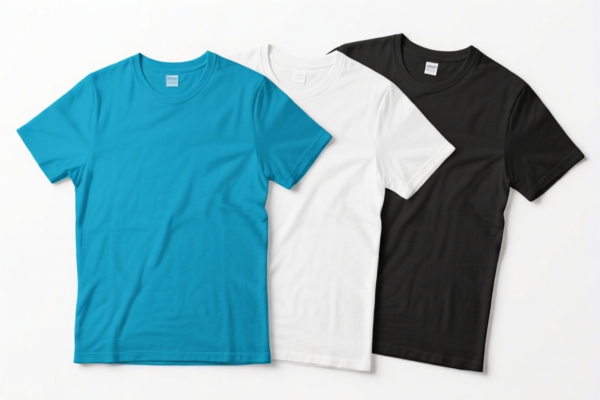
Product Images



AI Analysis
👕 MENS T-SHIRTS (Men's Knitted Shirts & Tops)
🌐 HS Code Reference & Clearance Guide | 2026 Latest Tariff Analysis | Strategic Customs Strategy
📌 I. Product Definition & Classification: Do You Really Know "Men's T-Shirts"?
Men's T-shirts, in international trade, are classified primarily under Chapter 61 (Articles of Apparel and Clothing Accessories, Knitted or Crocheted). The specific HS Code depends heavily on: 1. Material Composition: Is it "Mixed" (Mixed with man-made fibers)? Or "Pure Man-Made"? Or "Other Textile Materials"? 2. Garment Type: Is it a classic "T-Shirt" (6109), a "T-shirt/Polo" style (6114), or a generic "Top" (6114)? 3. Weave/Knit: Knitted vs. Crocheted (All T-shirts in this dataset are Knitted).
⚠️ Critical Distinction:
- Standard Men's T-Shirt (Cotton/Synthetic blend): Usually falls under 6109 (T-shirts, singlets, and other vests). - Other Men's Knitted Tops (e.g., Polo shirts, sweatshirts, loose tops): Falls under 6114 (Other garments). - Material Nuance: "Mixed" implies a blend (e.g., Cotton + Polyester). The tax treatment varies significantly if the "Mixed" classification falls under specific "Man-Made Fiber" vs. "Other Textile Materials" subheadings.
📦 II. HS Code Classification Details (2026 Latest Tariff Data)
Based on the provided dataset, here are the four specific classifications for Men's T-shirts:
| HS Code | Product Description | Material Specifics | Application Scenario |
|---|---|---|---|
| 6109.90.10.07 | Men's T-Shirt (Mixed Fabric) | Mixed fabric (containing Man-made fibers) | Standard cotton/polyester blend T-shirts for men. |
| 6114.30.10.10 | Men's T-Shirt (Mixed Fabric) | Mixed fabric (containing Man-made fibers) | Used as "Men's Tops" (broader category, e.g., Polo/Work tops). |
| 6109.90.10.49 | Men's T-Shirt (Man-Made Fiber Category) | Mixed fabric (belonging to Man-made fiber category) | Knitted garments where the fiber composition is strictly defined as "Man-made". |
| 6114.90.90.10 | Men's T-Shirt (Other Textile) | Mixed fabric (belonging to Other Textile Materials) | Knitted/Crocheted tops using materials other than standard man-made/cotton blends. |
🔍 Key Insight:
- Codes 6109 and 6114 both cover "T-shirts" but differ in specific design/application (6109 is strictly T-shirts/vests; 6114 covers other tops). - The tax burden varies wildly: 15.6% for "Other Textile Materials" vs. 49.5% for standard "Mixed Man-Made" blends. - Misclassification Risk: Declaring a "Polo shirt" as a standard "T-shirt" (6109) when it belongs to 6114 could lead to disputes or delayed clearance.
💰 III. 2026 Tariff Rate Breakdown (Detailed Tax Analysis)
✅ Applicable Country: United States (US)
✅ Origin: China (CN)
✅ Effective Date: 2025/2026 (Includes Section 301, Additional Section 122, and General Rate adjustments)
🎯 Category A: High-Tax T-Shirts (49.5% & 45.7%)
Applies to: 6109.90.10.07, 6109.90.10.49, 6114.30.10.10
| Component | Rate | Legal Basis / Description |
|---|---|---|
| Base Tariff | 28.2% ~ 32.0% | Standard MFN (Most Favored Nation) rate for men's knitted tops. |
| Section 301 "Added" Tariff | +7.5% | Additional duty imposed on Chinese goods (Section 301 List 3/4). |
| Section 122 Tariff | +10.0% | Section 122 Duty: Specific additional tariff targeting China (often linked to textile/cotton policies). |
| Total Tax Rate | 45.7% ~ 49.5% | High Cost: Requires careful supply chain planning. |
📌 Interpretation:
- If your T-shirt is a "Mixed" blend (e.g., Cotton/Poly) and falls under 6109 or 6114.30, you face the highest tax. - The Section 122 (10%) is a critical "add-on" that specifically targets textile imports from China. - No De Minimis Exemption: These items cannot be shipped via "De Minimis" (Section 321) to avoid taxes.
🎯 Category B: Low-Tax T-Shirts (15.6%)
Applies to: 6114.90.90.10
| Component | Rate | Legal Basis / Description |
|---|---|---|
| Base Tariff | 5.6% | Standard rate for "Other Textile Materials" not covered by specific synthetic categories. |
| Section 301 "Added" Tariff | 0.0% | Exempt from Section 301 additional duties in this specific subheading. |
| Section 122 Tariff | +10.0% | Still subject to Section 122 (10%) textile-specific tariff. |
| Total Tax Rate | 15.6% | Optimization Opportunity: This is the "Golden Code" for Men's T-shirts. |
📌 Interpretation:
- 15.6% is 30-40 percentage points lower than the standard blend codes. - This code requires the material to be classified under "Other Textile Materials" (not standard Man-Made fibers). This often applies to specific blends, recycled materials, or natural fiber blends that don't fit the "Man-Made" definition. - Strategy: If your fabric composition allows, try to qualify under this code to save massive costs.
🛠️ IV. Customs Clearance Operational Advice (Avoid Pitfalls)
✅ 1. Material Declaration is KING
| Action | Requirement | Reason |
|---|---|---|
| Detailed Fabric Composition | Must state exact % (e.g., "60% Cotton, 40% Polyester") | Determines if it falls under "Man-Made" (High Tax) or "Other" (Low Tax). |
| Fabric Type Definition | Specify "Knitted" vs "Woven" (T-shirts are Knitted = Chapter 61) | Knitted items have different HS rules than Woven (Chapter 62). |
| Product Function | "T-shirt" vs "Polo" vs "Casual Top" | Dictates 6109 (T-shirt) vs 6114 (Other Top). |
⚠️ Risk: Mislabeling a "Polo Shirt" as a "T-shirt" (6109) might work, but if the fabric is different, the tax calculation changes drastically.
✅ 2. The "Section 122" Trap
- What is it? A 10% tariff specifically added to many Chinese textile imports.
- Impact: Even if you find a low base tariff (5.6%), the 10% Section 122 applies to most codes in this dataset.
- Exception: Code
6114.30.10.10has 0% added tariff but has a higher base (28.2%), resulting in 45.7%. - Strategy: Only
6114.90.90.10avoids the Section 301 "Added" tariff, making it the cheapest option (15.6%).
✅ 3. Documentation Checklist for Smooth Clearance
| Document | Key Requirement |
|---|---|
| Commercial Invoice | Must clearly state: "Men's Knitted T-shirt, Mixed Fabric, [Material %]", HS Code, Origin. |
| Bill of Materials (BOM) | Breakdown of fibers (Cotton, Polyester, Rayon, etc.) to prove "Other Textile" status if targeting 15.6%. |
| Packaging List | Indicate quantity by size/color (Customs may audit for over/under declaration). |
| Labeling | Must include fiber content labels (USFTC/FTC requirements). |
| Origin Certificate | Essential for China origin to apply Section 122/301 correctly. |
🛡️ V. Clearance Strategy Summary
| Target HS Code | Total Tax | Strategy | Recommendation |
|---|---|---|---|
| 6109.90.10.07 | 49.5% | Avoid if possible. Standard high-cost route. | Only use if product is strictly "Men's T-shirt" and material is standard mixed fiber. |
| 6114.30.10.10 | 45.7% | High Cost. "Men's Tops" category. | Use only if the garment is not a standard T-shirt (e.g., Polo, Work Shirt). |
| 6109.90.10.49 | 49.5% | High Cost. "Man-Made Fiber" category. | Strictly for synthetic blends. Highest risk of Section 301 + 122. |
| 6114.90.90.10 | 15.6% | OPTIMAL CHOICE. "Other Textile". | Priority: If your fabric composition allows (e.g., specific blends, recycled), use this code to save ~34% in taxes! |
📌 VI. Common Errors & How to Fix Them
❌ Error 1: Declaring "Mixed" as "100% Man-Made"
👉 Consequence: Tax jumps to 49.5% unnecessarily if the blend is actually "Other".
✅ Fix: Re-evaluate fabric blend. If it's not purely synthetic, investigate 6114.90.90.10.
❌ Error 2: Ignoring Section 122 (10%)
👉 Consequence: Customs demands back-payment + penalties for missing the 122 duty.
✅ Fix: Always check if the specific HS Code is subject to Section 122. (Most 6109/6114 are).
❌ Error 3: Mixing "T-Shirt" (6109) and "Other Tops" (6114)
👉 Consequence: Customs may seize goods for incorrect classification.
✅ Fix: Ensure the garment style matches the code (6109 = T-shirt shape; 6114 = Loose/Work/Polo shape).
🚀 VII. Final Verdict: How to Maximize Profit
- Audit Your Fabric: Check if your "Mixed" T-shirts can qualify under "Other Textile Materials" (6114.90.90.10).
- Target 15.6%: If possible, shift production or labeling to fit the low-tax code.
- Avoid 49.5%: If stuck with standard cotton/poly blends, expect to pay nearly 50% of the goods value in duties.
- Pre-Approval: Apply for a Binding Tariff Information (BTI) or Advance Ruling from US Customs (CBP) to lock in the 15.6% rate if your product qualifies.
🔥 Golden Rule:
"The tax is 15.6% or 49.5%. The difference is the fabric blend and the HS Code. Do not guess—prove it!"
📣 Call to Action:
📞 Contact your Compliance Team: Verify your fabric composition against the "Other Textile Materials" definition.
📝 Prepare Documentation: Have the fiber breakdown ready for customs.
🚢 Ship Smart: Choose the correct HS Code to save thousands in duties.
✨ Expert Customs Clearance from Precision Classification!
💼 Every Dollar Saved Starts with the Right HS Code!
Customer Reviews
About HS Code Classification
The Harmonized System (HS) is an internationally standardized nomenclature developed by the World Customs Organization (WCO) to classify traded products. Over 200 countries use the HS system as the basis for customs tariffs, trade statistics, and import/export regulations.
Each HS code follows a hierarchical structure:
- Chapter (2 digits) — Broad category of goods (e.g., Chapter 84: Machinery and Mechanical Appliances)
- Heading (4 digits) — More specific grouping within the chapter
- Subheading (6 digits) — Internationally standardized breakdown, used by all WCO member countries
- National subdivisions (8-10 digits) — Country-specific extensions for further classification, such as US HTSUS 10-digit codes
Correct HS code classification is essential for smooth customs clearance, accurate duty payment, and compliance with trade regulations. Misclassification can lead to customs delays, overpayment of duties, or penalties.
When importing from CN to US, the applicable tariff rates may include:
- Most-Favored-Nation (MFN) rate — The standard duty rate applied to WTO members
- General rate — Applied to countries without trade agreements
- Trade remedy duties — Additional tariffs such as Section 301 (anti-dumping), Section 232 (national security), or countervailing duties
The information provided on this page is for reference purposes only. For official classification, please consult with your local customs authority or a licensed customs broker.