Machine Cutting Blades
CN → US| HS Code | Tariff Rate | Origin | Destination | Doc |
|---|---|---|---|---|
| 8461504050 | 39.4% | CN | US | Official Doc |
| 8456500000 | 37.5% | CN | US | Official Doc |
| 8461508090 | 39.4% | CN | US | Official Doc |
Product Images
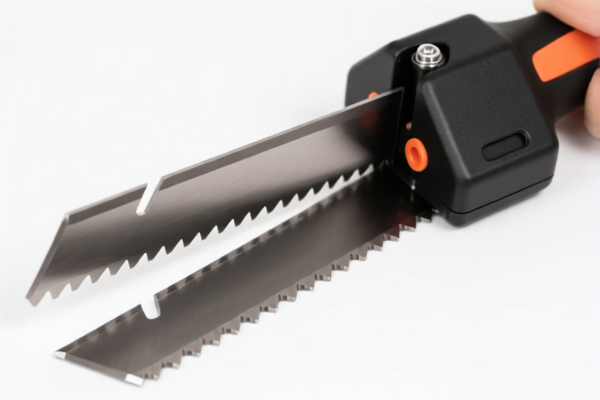
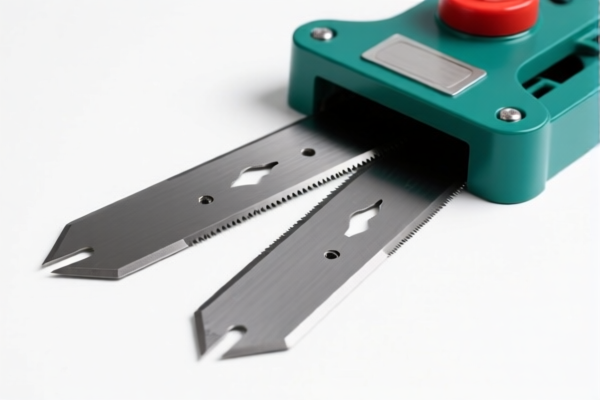
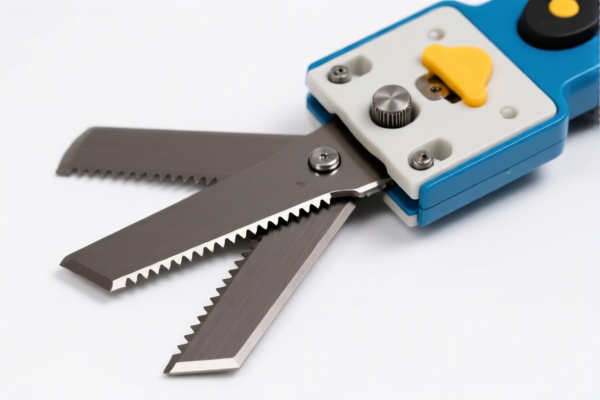
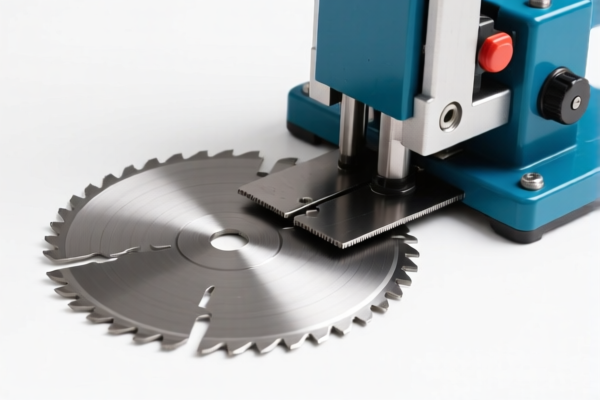
AI Analysis
⚙️ Machine Cutting Blades (Cutting Machinery Components)
🌐 HS Code Reference & Customs Clearance Guide | 2026 Latest Tariff Analysis | Professional Clearance Strategy
📌 I. Product Definition & Classification: Do You Really Understand "Machine Cutting Blades"?
"Machine Cutting Blades" is a generic term often used in trade, but in international customs classification, it is strictly categorized based on function, material, and operational method. In the provided data, these blades are classified under Chapter 84 (Nuclear reactors, boilers, machinery, and mechanical appliances), specifically relating to machinery for sawing, cutting, or shearing metals or other materials.
Key Classification Distinctions:
- Sawing/Shearing Machinery (Metal Processing): Blades used in machines designed to saw or cut metal are typically classified under 8461.50. This includes band saws, circular saws, and guillotine-style cutters.
- Laser/Electrical Discharge Cutting Machinery: Blades or heads used in laser or specialized non-contact cutting processes fall under 8456.50. This category covers machinery using laser beams, other light/photonic beams, ultrasonic waves, electron beams, or plasma for cutting.
⚠️ Critical Distinction Point:
- If the blade is part of a mechanical saw or shearing machine (physical contact, teeth or disc) → Classified under 8461.50
- If the blade is part of a laser or high-tech cutting system (non-contact, beam-based) → Classified under 8456.50
📦 II. HS Code Classification Details (2026 Latest Tariff Authority Comparison)
Based on the provided data, here are the three specific HS Codes identified for "Machine Cutting Blades" with their corresponding tax implications:
| HS Code | Product Description | Application Scenario | Inferred Machinery Type |
|---|---|---|---|
8461.50.40.50 |
Machinery for sawing, cutting, or shearing metal; parts thereof | Metal processing, industrial sawing, shearing | 🔩 Mechanical Metal Saw/Shear |
8456.50.00.00 |
Machinery using laser beams, other light/photonic beams, ultrasonic waves, electron beams, or plasma for working; parts thereof | High-precision laser cutting, plasma cutting | ⚡ Laser/Plasma Cutting System |
8461.50.80.90 |
Other sawing or cutting machinery; parts thereof (not elsewhere specified) | General metal cutting tools, industrial blades | 🔩 General Metal Cutting Tool |
🔍 Key Insight:
- 8461.50 codes imply physical, mechanical cutting (like a saw blade or guillotine blade).
- 8456.50 implies energy-based cutting (like a laser head or plasma torch).
- The tax rates differ significantly based on this distinction, with mechanical tools often facing slightly higher base tariffs in some contexts, though both face heavy附加 taxes.
💰 III. 2026 Latest Tariff Rate Breakdown (Including Surtaxes & Policy Add-ons)
✅ Applicable Country: United States (US)
✅ Country of Origin: China (CN)
✅ Effective Date: 2025/2026 (Current Trade Policy)
🎯 1. 8461.50.40.50 – Machinery for Sawing/Cutting Metal (Mechanical)
| Item | Detail |
|---|---|
| Base Tariff | 4.4% (ad valorem) |
| Section 301 Surtax | +25.0% |
| Section 122 Tariff | +10.0% |
| Total Tariff Rate | 39.4% |
| Tax Calculation | CIF Value × 39.4% |
| De Minimis Eligibility | ❌ Not Eligible (High tariff items excluded) |
| Legal Basis Path | USITC:8461.50.40.50 → SECTION301:301 → SECTION122:122 |
📌 Explanation:
- This code targets mechanical metal-cutting machinery.
- The 4.4% base rate is typical for general industrial machinery.
- The 35% combined surcharge (25% Section 301 + 10% Section 122) makes this a high-cost import.
- Note: Section 122 tariffs are often applied to specific strategic goods; ensure your product description matches "metal cutting machinery" exactly.
🎯 2. 8456.50.00.00 – Laser/Photonic/Electron Beam Cutting Machinery
| Item | Detail |
|---|---|
| Base Tariff | 2.5% (ad valorem) |
| Section 301 Surtax | +25.0% |
| Section 122 Tariff | +10.0% |
| Total Tariff Rate | 37.5% |
| Tax Calculation | CIF Value × 37.5% |
| De Minimis Eligibility | ❌ Not Eligible |
| Legal Basis Path | USITC:8456.50.00.00 → SECTION301:301 → SECTION122:122 |
📌 Explanation:
- This code is for high-tech cutting systems (Laser, Plasma, etc.).
- The base rate is lower (2.5%) compared to mechanical saws (4.4%), but the surcharges are identical.
- Total 37.5% is still very high.
- Key Match: The summary states this "fully matches the reference classification for cutting machines," making it a strong candidate if your "blade" is actually a laser emitter or plasma torch head.
🎯 3. 8461.50.80.90 – Other Sawing/Cutting Machinery (General Metal)
| Item | Detail |
|---|---|
| Base Tariff | 4.4% (ad valorem) |
| Section 301 Surtax | +25.0% |
| Section 122 Tariff | +10.0% |
| Total Tariff Rate | 39.4% |
| Tax Calculation | CIF Value × 39.4% |
| De Minimis Eligibility | ❌ Not Eligible |
| Legal Basis Path | USITC:8461.50.80.90 → SECTION301:301 → SECTION122:122 |
📌 Explanation:
- This is a "catch-all" code for metal cutting tools not specifically listed elsewhere.
- Same tax structure as8461.50.40.50(39.4% total).
- Use this if your blades are generic metal-cutting discs or saw blades that don’t fit into a more specific subheading.
🛠️ IV. Customs Clearance Practical Advice (Real-World Pitfall Guide)
✅ 1. Documentation Checklist (Non-Negotiable)
| Document | Mandatory? | Description |
|---|---|---|
| ✅ Product Specification Sheet | ✔️ | Must specify: Material (e.g., Carbide, Steel), Diameter, Teeth/Beam Type, Machine Model Compatibility |
| ✅ Technical Drawings | ✔️ | Crucial to prove if it’s a mechanical saw blade (8461) vs. laser head (8456) |
| ✅ Product Photos (Clear) | ✔️ | Show the blade/blade head, model number, and any branding |
| ✅ Commercial Invoice | ✔️ | Must explicitly state: "Cutting Blade for [Specific Machine Model]" – do not use generic "Tools" |
| ✅ Packing List | ✔️ | Detail weight, dimensions, and quantity |
| ✅ Certificate of Origin | ✔️ | Required to confirm China origin and apply surcharges |
✅ 2. Declaration Tips (Key Mantra)
🔥 "Mechanical = 8461, Laser = 8456, Be Specific!"
| Scenario | Correct HS Code | Incorrect Declaration | Risk |
|---|---|---|---|
| Circular Saw Blade (Physical teeth) | 8461.50.40.50 or 8461.50.80.90 |
"Metal Blade" | Misclassification → Audit/Delay |
| Laser Cutting Head (No physical blade) | 8456.50.00.00 |
"Saw Blade" | Wrong Chapter → 37.5% vs 39.4% (minor diff) but legal risk |
| Guillotine Shear Blade | 8461.50.40.50 |
"Part of Machine" | If declared as "Part," may still be classified under 8461, but description must match |
📌 Note: Even if declared as "Parts," if the part is specifically for sawing/cutting machinery, it often falls under the same tariff heading as the machine itself (General Note 2 to Section XVI).
✅ 3. Special Circumstances
| Situation | Handling Advice |
|---|---|
| Blades for Domestic Use Only | Still subject to tariffs if exported first. No exemption. |
| Rental/Lease Machinery Blades | Must declare as goods if ownership transfers, or as temporary import if not. |
| Replacement Parts | Clearly state "Replacement Blade for [Model]." If the machine is already in the US, this may affect duty-free entry if under previous shipment. |
| OEM Custom Blades | Provide client PO and design specs to prove specific use. |
🌍 V. Global Market Comparison (2026 Overview)
| Country/Region | Recommended HS Code | Tariff Rate (China Origin) | Notes |
|---|---|---|---|
| 🇺🇸 USA | 8461.50.xxxx / 8456.50.00.00 |
37.5% - 39.4% | High surcharges (301 + 122) apply. No de minimis. |
| 🇨🇳 China | 8461.50.40.50 / 8456.50.00.00 |
~5-13% | Lower base rates, no US surcharges. |
| 🇪🇺 EU | 8461.50 / 8456.50 |
~2.7-4.4% | No Section 301/122 equivalents. Standard MFN rates apply. |
| 🇻🇳 Vietnam | 8461.50 / 8456.50 |
~0-5% | Potential FTA benefits if origin rules met. |
📌 Conclusion:
- USA is the most expensive market for these items due to trade policy tariffs.
- EU and Vietnam offer significantly lower duties.
- Supply Chain Strategy: If exporting to the US, consider direct shipment from non-US suppliers to avoid intermediate handling costs, and ensure precise HS coding to avoid penalties.
📌 VI. Common Errors & Pitfall Guide (Lessons Learned)
❌ Mistake 1: Declaring "Laser Heads" as "Saw Blades"
👉 Consequence: Potential duty evasion claim if rates differ, or misclassification penalties.
✅ Fix: Use 8456.50.00.00 for laser/plasma heads.
❌ Mistake 2: Using Generic Terms like "Cutting Tools" or "Blades"
👉 Consequence: Customs may classify under a higher-default rate or demand detailed specs.
✅ Fix: Specify "Circular Saw Blade for Metal Cutting" or "Laser Cutting Head for Plate."
❌ Mistake 3: Ignoring Section 122 Tariffs
👉 Consequence: Unexpected 10% charge at clearance if not pre-calculated.
✅ Fix: Always budget for 37.5%-39.4% total landed cost for China-origin cutting machinery/heads.
🎯 VII. Conclusion: Precision in Classification Saves Money!
🎯 Remember the Mantra:
🔹 "Mechanical Saw = 8461 (39.4%), Laser Cut = 8456 (37.5%)"
🔹 "Base Tariff + 25% (301) + 10% (122) = Total Cost"
🔹 "Be Specific, Avoid Penalties!"
📌 Pro Tip:
If your "blades" are not made in China (e.g., made in Vietnam or Germany), the Section 301 and 122 tariffs may not apply, significantly reducing costs.
✅ Action:
1. Verify Origin Certificate.
2. Confirm HS Code with a licensed customs broker.
3. Calculate Landed Cost including all surcharges.
🚀 Clear the customs with confidence, optimize your supply chain, and boost profits!
✨ Professional Customs Clearance Starts with Accurate Classification!
💼 Every percent of duty matters—get it right the first time!
Customer Reviews
About HS Code Classification
The Harmonized System (HS) is an internationally standardized nomenclature developed by the World Customs Organization (WCO) to classify traded products. Over 200 countries use the HS system as the basis for customs tariffs, trade statistics, and import/export regulations.
Each HS code follows a hierarchical structure:
- Chapter (2 digits) — Broad category of goods (e.g., Chapter 84: Machinery and Mechanical Appliances)
- Heading (4 digits) — More specific grouping within the chapter
- Subheading (6 digits) — Internationally standardized breakdown, used by all WCO member countries
- National subdivisions (8-10 digits) — Country-specific extensions for further classification, such as US HTSUS 10-digit codes
Correct HS code classification is essential for smooth customs clearance, accurate duty payment, and compliance with trade regulations. Misclassification can lead to customs delays, overpayment of duties, or penalties.
When importing from CN to US, the applicable tariff rates may include:
- Most-Favored-Nation (MFN) rate — The standard duty rate applied to WTO members
- General rate — Applied to countries without trade agreements
- Trade remedy duties — Additional tariffs such as Section 301 (anti-dumping), Section 232 (national security), or countervailing duties
The information provided on this page is for reference purposes only. For official classification, please consult with your local customs authority or a licensed customs broker.