Machine Tool Cutting Inserts and Components
CN → US| HS Code | Tariff Rate | Origin | Destination | Doc |
|---|---|---|---|---|
| 8211945000 | 0.0% | CN | US | Official Doc |
| 8211941000 | 0.0% | CN | US | Official Doc |
| 8208100060 | 35.0% | CN | US | Official Doc |
| 8208906000 | 35.0% | CN | US | Official Doc |
| 8212900000 | 17.5% | CN | US | Official Doc |
Product Images
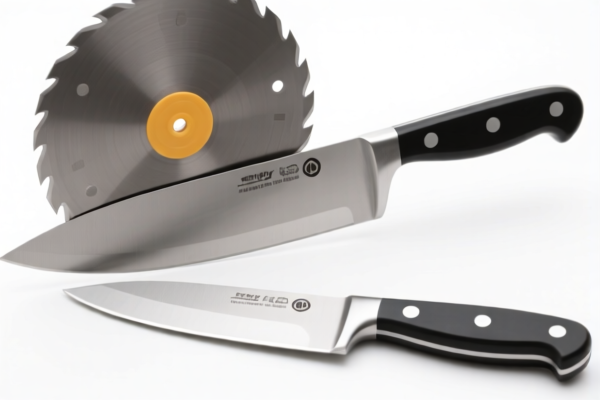
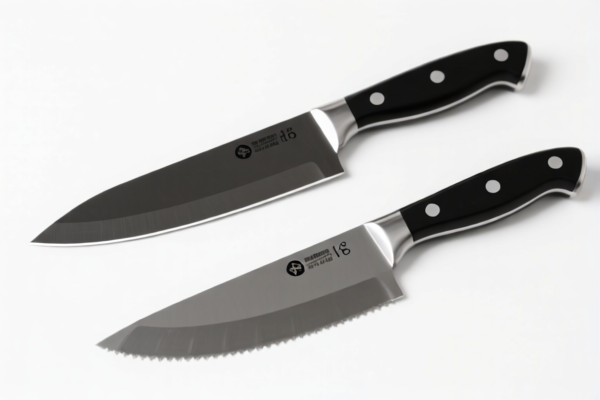
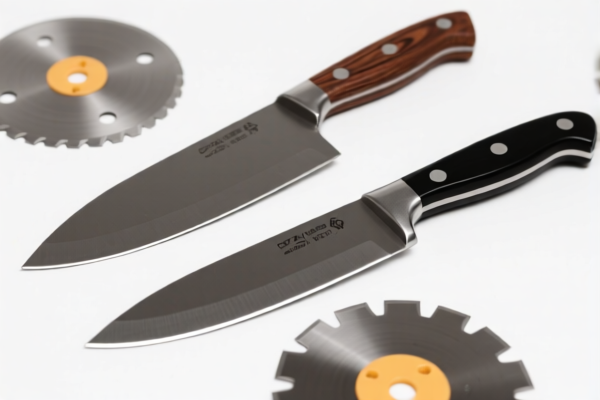
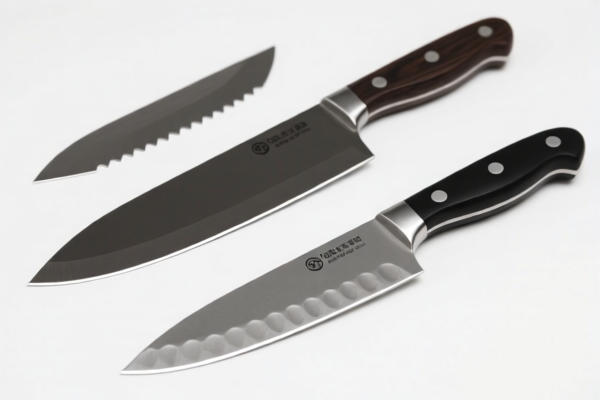
AI Analysis
🔪 Machine Tool Cutting Inserts & Components (Blades & Parts)
🌐 HS Code Reference & Customs Clearance Guide | 2026 Latest Tariff Analysis | Professional Clearance Strategy
📌 I. Product Definition & Classification: Do You Really Understand "Cutting Inserts"?
Machine tool cutting inserts and components are precision-engineered pieces used in lathes, milling machines, drills, and other metalworking equipment. In international trade, they are categorized based on their specific function and intended application.
Key Distinctions:
- Spare Parts for Knives/Tools: Classified as "parts" of specific knife types (e.g., razor blades, kitchen knives).
- Metalworking Blades: Classified as tools specifically designed for cutting metal.
- Other Blades: Classified for general-purpose or non-specified cutting applications.
⚠️ Critical Classification Point:
- If the insert is a spare part for a razor or specific handheld tool →归入 8211 or 8212.
- If the insert is for metal processing (lathe/mill inserts) →归入 8208.
- If the insert is for other unspecified cutting uses →归入 8211 or 8211 subheadings.
📦 II. HS Code Classification Details (2026 Latest Tariff Authority Comparison)
| HS Code | Product Description | Application Scenario | Tax Rate Summary |
|---|---|---|---|
8211.94.50.00 |
Parts and accessories of knives with fixed blades, other than knives of heading 8208 | General cutting assemblies, non-metal specific | 1¢ each + 5.4% + 35.0% |
8211.94.10.00 |
Parts and accessories of knives with fixed blades, other than knives of heading 8208 | Specific fixed-blade tool components | 0.16¢ each + 2.2% + 35.0% |
8208.10.00.60 |
Blades and blade parts, for metal working | Metal cutting inserts, lathe inserts, milling blades | 35.0% |
8208.90.60.00 |
Blades and blade parts, other | Other metalworking blade parts | 35.0% |
8212.90.00.00 |
Parts and accessories of razors or razor blade stubs | Razor blade components (if applicable) | 17.5% |
🔍 Key Reminder:
- Metalworking inserts must be classified under 8208 if they are specifically designed for metal cutting. Misclassifying them as "general knives" (8211) may lead to audits.
- Razor blade components fall under 8212, which has a significantly lower total tax rate compared to metalworking tools.
- All classifications below are for Imports into the USA from China.
💰 III. 2026 Latest Tariff Rate Breakdown (Including Additional Taxes & Policy Surcharges)
✅ Destination Country: United States (US)
✅ Origin: China (CN)
✅ Effective Time: Current rates apply as per 2025-2026 trade policies.
🎯 1. 8211.94.50.00 —— Blades Cutting Assemblies (General Fixed Blade Parts)
| Item | Details |
|---|---|
| Base Duty | 1¢ per unit + 5.4% (ad valorem) |
| Section 301 Duty | +25.0% (USITC Footnote for China origin) |
| Section 122 Duty | +10.0% (IEEPA surcharge for China) |
| Total Effective Tax | ~35.0% + 1¢ per unit |
| Calculation Method | (CIF Value × 5.4%) + (CIF Value × 25%) + (CIF Value × 10%) + (1¢ × Qty) |
| De Minimis Exemption | ❌ Not Eligible |
| Legal Basis Path | USITC:8211.94.50.00 → FOOTNOTE:301 → IEEPA:122 |
📌 Explanation:
- The 25% Section 301 duty is the primary surcharge for Chinese-origin goods in this category.
- The 10% Section 122 duty applies specifically to certain Chinese industrial components.
- Total burden is high: Over 35% on top of the small per-unit fee.
🎯 2. 8211.94.10.00 —— Blades Cutting Assemblies (Specific Fixed Blade Parts)
| Item | Details |
|---|---|
| Base Duty | 0.16¢ per unit + 2.2% (ad valorem) |
| Section 301 Duty | +25.0% |
| Section 122 Duty | +10.0% |
| Total Effective Tax | ~35.0% + 0.16¢ per unit |
| Calculation Method | (CIF Value × 2.2%) + (CIF Value × 25%) + (CIF Value × 10%) + (0.16¢ × Qty) |
| De Minimis Exemption | ❌ Not Eligible |
| Legal Basis Path | USITC:8211.94.10.00 → FOOTNOTE:301 → IEEPA:122 |
📌 Note:
- Similar to the above, but with a lower base percentage (2.2%) compared to 5.4%.
- The 25% + 10% surcharges remain the same, so the overall rate is still heavy.
- Use this code only if the product fits the specific "fixed blade" definition.
🎯 3. 8208.10.00.60 & 8208.90.60.00 —— Blades for Metal Working
| Item | Details |
|---|---|
| Base Duty | 0.0% |
| Section 301 Duty | +25.0% |
| Section 122 Duty | +10.0% |
| Total Effective Tax | 35.0% |
| Calculation Method | CIF Value × 35.0% |
| De Minimis Exemption | ❌ Not Eligible |
| Legal Basis Path | USITC:8208.10.00.60 / 8208.90.60.00 → FOOTNOTE:301 → IEEPA:122 |
📌 Important:
- Metalworking inserts are subject to a flat 35% effective rate.
- No per-unit fee, just percentage-based.
- This is the most common code for CNC inserts, lathe blades, and milling cutters.
🎯 4. 8212.90.00.00 —— Razor Blade Parts
| Item | Details |
|---|---|
| Base Duty | 0.0% |
| Section 301 Duty | +7.5% (Lower rate for personal care items) |
| Section 122 Duty | +10.0% |
| Total Effective Tax | 17.5% |
| Calculation Method | CIF Value × 17.5% |
| De Minimis Exemption | ❌ Not Eligible |
| Legal Basis Path | USITC:8212.90.00.00 → FOOTNOTE:301 → IEEPA:122 |
📌 Note:
- Only apply if the product is genuinely a razor blade component.
- Much lower tax rate (17.5%) compared to metalworking tools (35%).
- Misclassification here can lead to severe penalties.
🛠️ IV. Customs Clearance Practical Advice (Battle-Tested Pitfall Avoidance)
✅ 1. Documentation Checklist (Mandatory)
| Document | Required | Notes |
|---|---|---|
| ✅ Product Specification Sheet | ✔️ | Must specify material (carbide, steel), shape, and intended use (metal vs. non-metal) |
| ✅ Technical Drawing / Photo | ✔️ | Show cutting edges, shank type, and mounting mechanism |
| ✅ Commercial Invoice | ✔️ | Must clearly state "Cutting Inserts for Metal Working" or "Parts of Knives" |
| ✅ HS Code Justification Letter | ✔️ | Explain why the code was chosen (e.g., "Used for CNC Lathe, not for food cutting") |
| ✅ Certificate of Origin | ✔️ | For potential FTZ or exemption claims (if applicable) |
| ✅ Packing List | ✔️ | Itemize quantity and weight |
✅ 2. Declaration Tips (Key Mantra)
🔥 "Function Defines Code, Metal Means 35%, Razor Means 17.5%!"
| Scenario | Correct HS Code | Wrong Code | Consequence |
|---|---|---|---|
| CNC Insert for Steel | 8208.10.00.60 |
8211.94.50.00 |
Over/Underpayment, Audit Risk |
| Razor Blade Refill Part | 8212.90.00.00 |
8208.90.60.00 |
Penalty for Misclassification |
| General Utility Knife Blade | 8211.94.50.00 |
8208.10.00.60 |
Tax Mismatch (5.4% base vs 0%) |
| Part of a Specific Fixed Blade Tool | 8211.94.10.00 |
8211.94.50.00 |
Minor tax difference, but accuracy matters |
✅ 3. Special Cases
| Case | Handling Advice |
|---|---|
| Universal Insert | If it can be used for both wood and metal, classify as Metal Working (8208) to avoid ambiguity. |
| Kit with Holder | If sold with a holder, declare separately if possible. Holders may have different codes. |
| Used/Refurbished | Not eligible for certain exemptions. Declare as new unless explicitly used. |
| Custom Shape Inserts | Provide detailed CAD drawings to prove they are not standard kitchen knives. |
🌍 V. Global Market Clearance Comparison (2026)
| Country/Region | Recommended HS Code | Tariff Rate (China Origin) | Key Requirement | Notes |
|---|---|---|---|---|
| 🇺🇸 USA | 8208.10.00.60 |
35.0% | FCC/RoHS (if electronic) | High tax due to 301/122 |
| 🇨🇳 China | 8208.10.00.60 |
0% (Favorable) | CCC (if applicable) | No additional surcharges |
| 🇪🇺 EU | 8207.10 |
~6% | CE Marking | Lower base duty, no 301 equivalent |
| 🇬🇧 UK | 8207.10 |
~6% | UKCA Marking | Post-Brexit alignment with EU |
| 🇯🇵 Japan | 8207.10 |
~0-5% | PSE/JIS | Low tariff, high quality standards |
📌 Conclusion:
- USA is the highest-cost market for these items due to 35% effective duty.
- EU/UK/Japan offer significantly lower rates (~0-6%), making them more attractive for price-sensitive markets.
📌 VI. Common Mistakes & Pitfalls (Lessons Learned)
❌ Mistake 1: Calling "CNC Inserts" "Knife Blades" to avoid high taxes
👉 Result: Customs rejects, imposes penalties, or reclassifies with back taxes.
❌ Mistake 2: Using 8212 for metal cutting tools
👉 Result: Audit for fraud. Razor and metal tools are fundamentally different.
❌ Mistake 3: Ignoring the 1¢ or 0.16¢ per unit fee in 8211 codes
👉 Result: For large quantities, this per-unit fee adds up significantly compared to percentage-based 8208.
❌ Mistake 4: Not declaring Section 301/122 applicability
👉 Result: Delayed clearance, fines, or seizure.
✅ Best Practice:
"Carbide CNC Turning Insert, Grade CNMG, for Steel Machining, Model XYZ, Origin China"
🎯 VII. Conclusion: Precision Classification Saves Money
🎯 Remember:
🔹 "Metal Tools = 35% (USA)"
🔹 "Razor Parts = 17.5% (USA)"
🔹 "General Knife Parts = 35% + Per Unit Fee (USA)"
📌 Pro Tip:
If you are exporting to the USA, budget for 35% duty on metalworking inserts. Consider supply chain diversification to Vietnam or Mexico to avoid Section 301 tariffs if possible.
📣 Immediate Action:
📞 Consult a licensed customs broker.
📸 Provide CAD drawings and material specs.
🚀 Get a Binding Ruling from US Customs if volume is high.
✨ Accurate Classification = Lower Costs = Faster Clearance!
💼 Don't let tariff surprises eat your profits!
Customer Reviews
About HS Code Classification
The Harmonized System (HS) is an internationally standardized nomenclature developed by the World Customs Organization (WCO) to classify traded products. Over 200 countries use the HS system as the basis for customs tariffs, trade statistics, and import/export regulations.
Each HS code follows a hierarchical structure:
- Chapter (2 digits) — Broad category of goods (e.g., Chapter 84: Machinery and Mechanical Appliances)
- Heading (4 digits) — More specific grouping within the chapter
- Subheading (6 digits) — Internationally standardized breakdown, used by all WCO member countries
- National subdivisions (8-10 digits) — Country-specific extensions for further classification, such as US HTSUS 10-digit codes
Correct HS code classification is essential for smooth customs clearance, accurate duty payment, and compliance with trade regulations. Misclassification can lead to customs delays, overpayment of duties, or penalties.
When importing from CN to US, the applicable tariff rates may include:
- Most-Favored-Nation (MFN) rate — The standard duty rate applied to WTO members
- General rate — Applied to countries without trade agreements
- Trade remedy duties — Additional tariffs such as Section 301 (anti-dumping), Section 232 (national security), or countervailing duties
The information provided on this page is for reference purposes only. For official classification, please consult with your local customs authority or a licensed customs broker.