Machinery for preparing or making up paper pulp, paper or paperboard
CN → US| HS Code | Tariff Rate | Origin | Destination | Doc |
|---|---|---|---|---|
| 8439100010 | 35.0% | CN | US | Official Doc |
| 8439200010 | 35.0% | CN | US | Official Doc |
Product Images
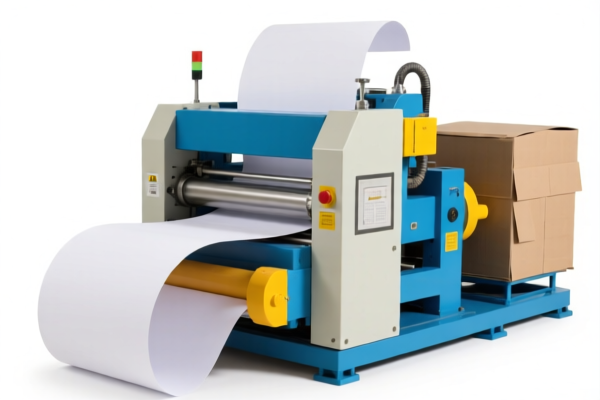
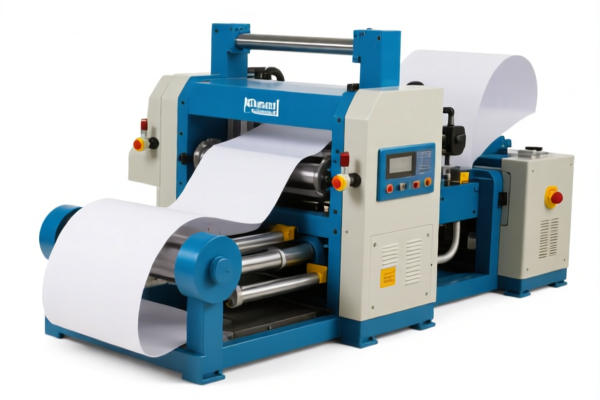
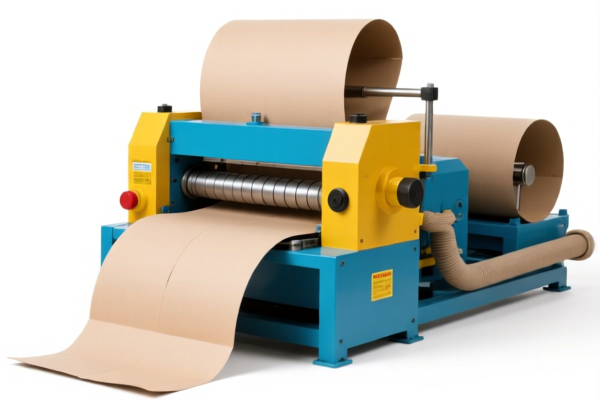
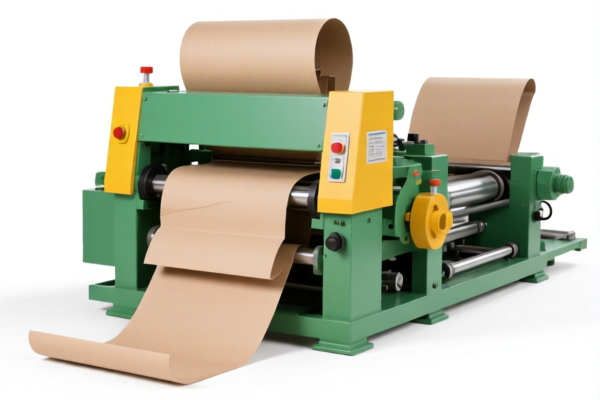
AI Analysis
🏭 Paper & Pulp Manufacturing Machinery: Global Compliance & US Customs Guide (2026)
🌐 HS Code Reference & Clearance Strategy | 2026 Latest Tariff Analysis | Professional Clearance Guide
📌 I. Product Definition & Classification: What Exactly Are We Importing?
Machinery for making pulp of fibrous cellulosic material or for making or finishing paper or paperboard is the backbone of the global packaging and printing industries. In international trade, this category is strictly divided based on functionality:
1. Pulp Making Machinery (Refiners, Cookers, Pulpers):
Equipment used to break down raw fibers (wood, recycled paper) into pulp. These machines focus on chemical/mechanical decomposition and cleaning.
2. Paper/Paperboard Making & Finishing Machinery (Paper Machines, Coaters, Calenders):
Equipment used to form sheets from pulp, dry them, press them, and finish the surface. These machines focus on sheet formation and texture.
⚠️ Critical Distinction:
- If the machine is exclusively for converting fibers into pulp (pre-treatment) → HS 8439.10
- If the machine is for forming, drying, or finishing the actual paper sheet (post-treatment) → HS 8439.20
- Note: Machinery of heading 8419 (for heat processing) is explicitly excluded from this chapter.
📦 II. HS Code Classification Details (2026 Official Tariff Schedule)
Based on the provided data, here are the precise classifications and associated tax implications for US imports from China.
| HS Code | Product Description | Applicable Scenario | Key Characteristics |
|---|---|---|---|
8439.10.00.10 |
Machinery for making pulp of fibrous cellulosic material | Pulpers, refiners, beaters, cleaning/bleaching equipment for pulp production | Primary Function: Converting raw fibers into pulp. Does not form sheets. |
8439.20.00.10 |
Machinery for making paper or paperboard | Paper machines, paper-making machines, paper board making machines, calenders, coaters | Primary Function: Forming, pressing, drying, or finishing paper/paperboard sheets. |
🔍 Key Reminder:
- No Hybrid Classification: You cannot split a single machine line into "pulp" and "paper" codes. The classification depends on the specific unit being imported.
- "New" Condition: The provided data specifies "New" machinery. Used machinery may have different valuation methods or restrictions.
- Parts: The heading includes "parts thereof," but specific parts are often classified under 8439.91. Ensure you declare complete machines vs. spare parts separately to avoid valuation errors.
💰 III. 2026 Latest Tariff Rate Breakdown (US-China Trade Context)
✅ Applicable Country: United States (US)
✅ Origin: China (CN)
✅ Effective Time: Current trade war tariffs are active (Section 301)
🎯 1. 8439.10.00.10 – Machinery for Making Pulp
| Item | Detail |
|---|---|
| Base Tariff Rate | 0.0% (Most Favored Nation rate for general machinery) |
| Section 301 Additional Tariff | +25.0% (List 3A Items) |
| Total Tax Rate | 25.0% |
| Tax Calculation Basis | CIF (Cost, Insurance, Freight) Value × 25% |
| De Minimis Exemption | ❌ Not Applicable |
| Legal Basis | HTSUS 8439.10.00.10 + Section 301 Footnote |
📌 Interpretation:
- Although the base duty is 0%, the 25% Section 301 tariff applies because this is a Chinese-origin capital good targeted in the trade dispute.
- Total Cost Impact: For every $100,000 of machinery, you pay $25,000 in additional tariffs.
🎯 2. 8439.20.00.10 – Machinery for Making Paper or Paperboard
| Item | Detail |
|---|---|
| Base Tariff Rate | 0.0% (Most Favored Nation rate for general machinery) |
| Section 301 Additional Tariff | +25.0% (List 3A Items) |
| Total Tax Rate | 25.0% |
| Tax Calculation Basis | CIF (Cost, Insurance, Freight) Value × 25% |
| De Minimis Exemption | ❌ Not Applicable |
| Legal Basis | HTSUS 8439.20.00.10 + Section 301 Footnote |
📌 Interpretation:
- Identical tax treatment to pulp machinery.
- High Capital Cost: Since these machines are expensive, the $25,000+ per $1M tariff burden is significant for ROI calculations.
🛠️ IV. Practical Customs Clearance Advice (Avoiding Pitfalls)
✅ 1. Documentation Checklist (Mandatory)
| Document | Required? | Purpose |
|---|---|---|
| Commercial Invoice | ✅ Yes | Must clearly state "New" condition and exact HS Code. |
| Packing List | ✅ Yes | Detail weights/dimensions. Separate parts from main units. |
| Product Specification Sheet | ✅ Yes | Crucial for proving function (Pulp vs. Paper formation). |
| Machine Photos | ✅ Yes | Show nameplates, control panels, and key operational parts. |
| Certificate of Origin | ✅ Yes | Required to confirm Chinese origin for Section 301 assessment. |
| Declaration of End-Use | ✅ Optional | Helps customs verify it’s not for prohibited dual-use (rare but possible). |
✅ 2. Critical Declaration Tips
🔥 "Function is King, Not Name!"
Just because it’s called "Paper Machine" doesn’t mean it’s HS 8439.20. If it’s a pulper, it’s 8439.10.
| Scenario | Correct HS Code | Risk of Incorrect Declaration |
|---|---|---|
| Refiner/Beater (turns wood to pulp) | 8439.10.00.10 |
Misclassifying as 8439.20 → Potential audit, penalty for under-declaring tariff if rates differed (though here both are 25%, accuracy matters for compliance). |
| Paper Machine (forms sheets) | 8439.20.00.10 |
Misclassifying as 8439.10 → May raise questions about machine function. |
| Spare Parts (rollers, screens) | 8439.91.00 (Not in provided data) |
Declaring parts as complete machines → Major Compliance Violation. Always separate parts. |
| Used Machinery | Varies (Depreciated Value) | Declaring used as "New" → Fraud. Customs will inspect for signs of wear, serial numbers, and maintenance logs. |
✅ 3. Special Considerations for Heavy Machinery
- Pre-Shipment Inspection (PSI): Some ports may require PSI for large industrial equipment.
- ASME/ANSI Standards: Ensure the machinery meets US safety and engineering standards. Customs may delay release for safety inspections if documentation is missing.
- Freight Classification: These are heavy, bulky items. Ensure your CIF value accurately includes freight and insurance to avoid under-valuation penalties.
🌍 V. Global Market Comparison (2026)
| Country/Region | Recommended HS Code | Estimated Total Tax (China Origin) | Notes |
|---|---|---|---|
| 🇺🇸 United States | 8439.10.00.10 / 8439.20.00.10 |
25.0% | Heavy Section 301 tariffs. No exemptions. |
| 🇨🇳 China (Export) | N/A | 0% (Export Duty) | China does not tax exports of these goods. |
| 🇪🇺 European Union | 8439.10 / 8439.20 | 0% - 1.7% | Generally low base duties. No US-style retaliation tariffs. |
| 🇨🇦 Canada | 8439.10 / 8439.20 | 0% | CUSMA agreement may apply for non-originating goods if rules met, but generally low for China. |
| 🇲🇽 Mexico | 8439.10 / 8439.20 | 5% - 10% | Higher base duties than US, but no Section 301. |
📌 Conclusion:
- USA is the most expensive market for this machinery due to the 25% additional tariff.
- EU and Canada offer much better tariff efficiency. Consider supply chain adjustments if shipping volumes are high.
📌 VI. Common Mistakes & How to Avoid Them
❌ Mistake 1: Combining Pulp and Paper machines into one line item.
👉 Fix: Declare separately. They have different HS codes.
❌ Mistake 2: Ignoring the "New" condition.
👉 Fix: If any component is used, declare it as "Used" and provide proof. Customs can seize "New" declared used goods.
❌ Mistake 3: Forgetting to include Parts.
👉 Fix: Spare parts should be declared under 8439.91 (not provided in data, but standard). Mixing them with main machinery can lead to valuation errors.
❌ Mistake 4: Underestimating Freight Costs.
👉 Fix: Tariffs are based on CIF. Ensure your invoice includes accurate freight and insurance values to avoid penalties for under-declaration.
✅ Correct Declaration Example:
"NEW MACHINERY FOR MAKING PULP OF FIBROUS CELLULOSIC MATERIAL, MODEL XYZ, HS 8439.10.00.10"
🎯 VII. Final Recommendations: Save Money, Speed Up Clearance
🎯 Strategic Advice:
🔹 "Check Origin Carefully": If your supplier has a factory in Vietnam, Malaysia, or Thailand, you may qualify for 0% Section 301 tariffs.
🔹 "Pre-Arrival Review": Submit your commercial invoice and specs to your customs broker before shipment for a pre-classification check.
🔹 "Bundle Spare Parts": Include spare parts in the same shipment but declare them separately under 8439.91 to keep the main machine declaration clean.
📣 Immediate Action Steps:
1. Verify Function: Is it for Pulp (8439.10) or Paper (8439.20)?
2. Calculate Cost: Add 25% to your CIF value for US duties.
3. Consult Broker: Engage a US customs broker experienced in industrial machinery.
4. Prepare Docs: Ensure all specs, photos, and origin certificates are ready.
✨ Professional Clearance Starts with Precise Classification!
💼 Your Machinery is Valuable – Don’t Let Tariffs or Errors Slow You Down!
Customer Reviews
About HS Code Classification
The Harmonized System (HS) is an internationally standardized nomenclature developed by the World Customs Organization (WCO) to classify traded products. Over 200 countries use the HS system as the basis for customs tariffs, trade statistics, and import/export regulations.
Each HS code follows a hierarchical structure:
- Chapter (2 digits) — Broad category of goods (e.g., Chapter 84: Machinery and Mechanical Appliances)
- Heading (4 digits) — More specific grouping within the chapter
- Subheading (6 digits) — Internationally standardized breakdown, used by all WCO member countries
- National subdivisions (8-10 digits) — Country-specific extensions for further classification, such as US HTSUS 10-digit codes
Correct HS code classification is essential for smooth customs clearance, accurate duty payment, and compliance with trade regulations. Misclassification can lead to customs delays, overpayment of duties, or penalties.
When importing from CN to US, the applicable tariff rates may include:
- Most-Favored-Nation (MFN) rate — The standard duty rate applied to WTO members
- General rate — Applied to countries without trade agreements
- Trade remedy duties — Additional tariffs such as Section 301 (anti-dumping), Section 232 (national security), or countervailing duties
The information provided on this page is for reference purposes only. For official classification, please consult with your local customs authority or a licensed customs broker.