Magic Wand
CN → US| HS Code | Tariff Rate | Origin | Destination | Doc |
|---|---|---|---|---|
| 9505902000 | 10.0% | CN | US | Official Doc |
| 9505906000 | 10.0% | CN | US | Official Doc |
| 6603908100 | 65.2% | CN | US | Official Doc |
| 6603904100 | 17.5% | CN | US | Official Doc |
| 9503000073 | 10.0% | CN | US | Official Doc |
| 9503000071 | 10.0% | CN | US | Official Doc |
Product Images

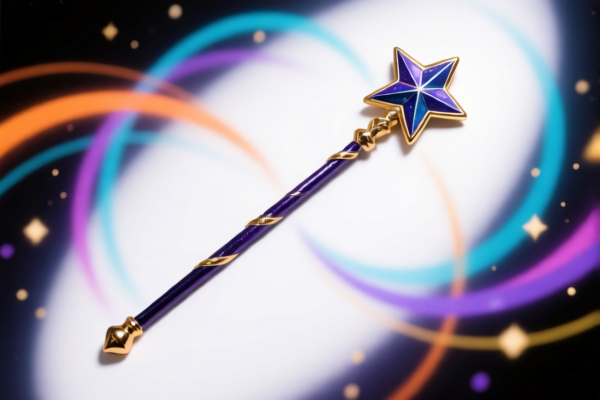


AI Analysis
✨ Magic Wand – The Enchanted Tool of Illusion & Fun
🌐 HS Code & Tariff Guide | 2026 Customs Classification & Duty Breakdown | Expert Compliance Tips
📌 One Magic Wand, One HS Code — But Many Tax Traps to Avoid!
🎩 一、Product Definition & Classification: What Exactly Is a "Magic Wand"?
A magic wand is a theatrical prop used in magic tricks, stage illusions, children’s entertainment, or practical jokes. It is not a functional tool but a symbolic object designed to create wonder, surprise, or humor.
⚠️ Key Classification Clue:
- If it’s used for magic tricks or practical jokes → HS Code 9505.90.20.00
- If it’s not for magic or jokes → may fall under 9505.90.60.00 (Other festive or entertainment articles)📌 Important Note:
- No functional electrical or electronic components (e.g., lights, motors) → Not classified as electronic toys.
- Simple wooden/plastic stick with a decorative tip → Still considered a magic trick accessory.
📦 二、HS Code Classification Details (2026 Official Tariff Reference)
| HS Code | Product Description | Applicable Use Case | Tax Status |
|---|---|---|---|
9505.90.20.00 |
Magic tricks and practical joke articles; parts and accessories thereof | Wands used in stage magic, kids' party tricks, joke gifts, illusion props | ✅ 0% Total Duty |
9505.90.60.00 |
Other festive, carnival, or entertainment articles; parts and accessories thereof | Non-magic decorative wands, themed party props, non-functional novelty items | ✅ 0% Total Duty |
6603.90.41.00 |
Umbrella handles, knobs, tips and caps | If the wand has a metal or plastic tip resembling an umbrella knob → May be misclassified | ❗ 7.5% Additional Duty |
6603.90.81.00 |
Other parts, trimmings and accessories of articles of heading 6601 or 6602 | If the wand is part of a larger item (e.g., a walking cane with a wand tip) or made of steel, aluminum, or copper | ❗ 50% Additional Duty |
🔍 Critical Insight:
- The material matters more than the function.
- A metal-tipped plastic wand might be reclassified under6603.90.41.00→ 7.5% extra tax.
- A steel or copper wand (even if used for magic) → 50% tariff under 6603.90.81.00!
💰 三、2026 Tariff Breakdown (U.S. Customs – China Origin)
✅ Applicable Country: United States (US)
✅ Origin: China (CN)
✅ Effective Date: 2025–2026 (ongoing trade policies)
🎯 1. 9505.90.20.00 — Magic Tricks & Practical Joke Articles
| Item | Detail |
|---|---|
| Base Duty | 0.0% |
| Additional Duty | 0.0% |
| Total Duty | 0.0% |
| Tax Calculation | CIF Value × 0% |
| De Minimis Threshold | ✅ Yes (800 USD) — No duty if value < $800 |
| Legal Basis | U.S. HTSUS 9505.90.20.00 — Exempt from Section 301 & IEEPA |
📌 Explanation:
- This is the correct and most favorable classification for real magic wands used in performances or jokes.
- No additional tariffs apply — ideal for toy suppliers, magicians, and party retailers.
🎯 2. 9505.90.60.00 — Other Entertainment Articles
| Item | Detail |
|---|---|
| Base Duty | 0.0% |
| Additional Duty | 0.0% |
| Total Duty | 0.0% |
| Tax Calculation | CIF × 0% |
| De Minimis | ✅ Yes |
| Legal Basis | HTSUS 9505.90.60.00 — General entertainment items, not magic-specific |
📌 When to Use This:
- A decorative wand with no magic function (e.g., a unicorn wand for kids' birthday).
- Still 0% duty, but must not be marketed as a magic tool.
🎯 3. 6603.90.41.00 — Umbrella Handles, Knobs, Tips & Caps
| Item | Detail |
|---|---|
| Base Duty | 0.0% |
| Additional Duty | 7.5% (Section 301 Tariff) |
| Total Duty | 7.5% |
| Tax Calculation | CIF × 7.5% |
| De Minimis | ❌ No — Applies even for low-value shipments |
| Legal Basis | HTSUS 6603.90.41.00 + USITC 9903.88.01 (Section 301) |
📌 Red Flag Alert:
- If your wand has a metal or plastic knob at the tip, customs may reclassify it as an umbrella accessory.
- Even if it's used in magic, this tariff applies — 7.5% extra cost!
🎯 4. 6603.90.81.00 — Other Parts & Accessories (Steel, Aluminum, Copper)
| Item | Detail |
|---|---|
| Base Duty | 0.0% |
| Additional Duty | 50% (Steel & Aluminum Tariff) |
| Total Duty | 50.0% |
| Tax Calculation | CIF × 50% |
| De Minimis | ❌ No — Applies to all shipments |
| Legal Basis | HTSUS 6603.90.81.00 + IEEPA 9903.01.25 (Steel & Aluminum Tariff) |
⚠️ Catastrophic Risk!
- If your magic wand is made of steel, aluminum, or copper (even if it’s just a thin rod), it will be classified here.
- 50% tariff — not a typo.
- Example: A metal wand with a plastic handle → Still 50% duty!
- This is the most expensive mistake a supplier can make.
🛠️ 四、Customs Clearance Best Practices (Pro Tips to Avoid 50% Tax!)
✅ 1. Required Documents (Must-Have Checklist)
| Document | Required? | Why It Matters |
|---|---|---|
| ✅ Product Photos (Front, Back, Tip, Handle) | ✔️ | Prove it's a magic wand, not a metal knob |
| ✅ Detailed Description (in invoice) | ✔️ | Must say: "Magic trick prop, used in stage illusions, not a functional tool" |
| ✅ Material Certificate | ✔️ | Prove non-metallic (e.g., wood, plastic, bamboo) |
| ✅ Commercial Invoice | ✔️ | Must include HS Code and intended use |
| ✅ Packing List | ✔️ | Show no metal components |
| ✅ Certificate of Origin (CO) | ✔️ | If from Vietnam/Mexico, may qualify for lower tariffs |
| ✅ Third-Party Test Report (if needed) | ✔️ | For safety (e.g., ASTM F963, CPSC) |
✅ 2.申报技巧(Pro申报 Strategy)
🔥 "No Metal, No Knob, No Problem!"
| Scenario | Correct HS Code | Wrong Code to Avoid |
|---|---|---|
| Wooden wand with plastic tip | 9505.90.20.00 |
6603.90.41.00 (if tip is metal) |
| Plastic wand with no metal | 9505.90.20.00 |
6603.90.81.00 (if made of aluminum) |
| Metal wand (steel/copper) | ❌ Avoid — High risk of 50% duty | 6603.90.81.00 → 50% tax |
| Wand with umbrella-style knob | ❌ High risk | 6603.90.41.00 → 7.5% tax |
📌 Golden Rule:
- If it’s made of metal, even slightly, do not classify as a magic wand.
- Reclassify as a decorative item →9505.90.60.00→ 0% duty, but must not be marketed as magic.
✅ 3. Special Cases & Workarounds
| Situation | Solution |
|---|---|
| Metal wand for stage magic | Use non-metallic version (e.g., painted wood) or export from Vietnam/Mexico to avoid 50% tariff |
| Wand with LED light | May fall under 9504.90.00.00 (electronic toys) → 25% tariff — avoid if possible |
| Bulk shipment of wands | Apply for Advance Ruling (Pre-Approval) — prevents surprise audits |
| Wand sold as part of a magic kit | Still classify as 9505.90.20.00 — only if the wand is the magic tool |
🌍 五、Global Customs Comparison (2026)
| Country | Recommended HS Code | Tariff | Certification | Notes |
|---|---|---|---|---|
| 🇺🇸 USA | 9505.90.20.00 |
0% (if non-metal) | CPSC, ASTM | 50% if metal |
| 🇨🇳 China | 9505.90.20.00 |
5% | CCC | No extra tariffs |
| 🇪🇺 EU | 9505.90.20.00 |
0% | CE | No additional duties |
| 🇦🇺 Australia | 9505.90.20.00 |
5% | RCM | No extra tax |
| 🇯🇵 Japan | 9505.90.20.00 |
0% | PSE | No extra duties |
📌 Insight:
- Only the U.S. applies high tariffs on metal wands (50%).
- China, EU, Australia, Japan are much more lenient — ideal for export.
📌 六、Common Mistakes & How to Avoid Them (Real-World Cases)
❌ Mistake 1:
Sending a steel wand from China to the U.S. → Classified as
6603.90.81.00→ 50% duty
💥 Result: $50,000 duty on $100,000 shipment!
✅ Fix: Use wooden or plastic wands → 9505.90.20.00 → 0% duty
❌ Mistake 2:
Labeling a metal-tipped wand as "magic wand" on invoice → Customs reclassifies as
6603.90.41.00→ 7.5% tax
✅ Fix: Add "non-functional, decorative tip" in description → Avoid reclassification.
❌ Mistake 3:
Selling a wand with a metal knob as part of a "magic kit" → Still 50% if metal
✅ Fix: Replace metal knob with plastic or rubber cap → Safe classification.
🎯 七、Final Verdict: How to Win the Magic Game
✨ "Wooden Wand = 0% Duty. Metal Wand = 50% Tax. One Word Can Change Everything."
🎯 Pro Tips to Succeed:
- ✅ Use non-metal materials (wood, bamboo, plastic)
- ✅ Avoid metal tips, knobs, or caps
- ✅ Label clearly as “magic trick prop”
- ✅ Apply for Advance Ruling if shipping large volumes
- ✅ Export from non-China countries (Vietnam, Mexico) to avoid 50% tariff
📣 Call to Action: Don’t Get Trapped by the Wand!
📞 Contact a U.S. Customs Broker + Provide product photos + Request HS Code Pre-Approval
🚀 Send your wands with confidence — no 50% surprise tax!
✨ Your Magic Starts with the Right HS Code!
💼 One mistake in classification = 50% more cost. One smart choice = 100% profit.
Customer Reviews
About HS Code Classification
The Harmonized System (HS) is an internationally standardized nomenclature developed by the World Customs Organization (WCO) to classify traded products. Over 200 countries use the HS system as the basis for customs tariffs, trade statistics, and import/export regulations.
Each HS code follows a hierarchical structure:
- Chapter (2 digits) — Broad category of goods (e.g., Chapter 84: Machinery and Mechanical Appliances)
- Heading (4 digits) — More specific grouping within the chapter
- Subheading (6 digits) — Internationally standardized breakdown, used by all WCO member countries
- National subdivisions (8-10 digits) — Country-specific extensions for further classification, such as US HTSUS 10-digit codes
Correct HS code classification is essential for smooth customs clearance, accurate duty payment, and compliance with trade regulations. Misclassification can lead to customs delays, overpayment of duties, or penalties.
When importing from CN to US, the applicable tariff rates may include:
- Most-Favored-Nation (MFN) rate — The standard duty rate applied to WTO members
- General rate — Applied to countries without trade agreements
- Trade remedy duties — Additional tariffs such as Section 301 (anti-dumping), Section 232 (national security), or countervailing duties
The information provided on this page is for reference purposes only. For official classification, please consult with your local customs authority or a licensed customs broker.