Magnesia Chrome Refractory Mortar
CN → US| HS Code | Tariff Rate | Origin | Destination | Doc |
|---|---|---|---|---|
| 6909195095 | 39.0% | CN | US | Official Doc |
| 6909120000 | 39.0% | CN | US | Official Doc |
Product Images
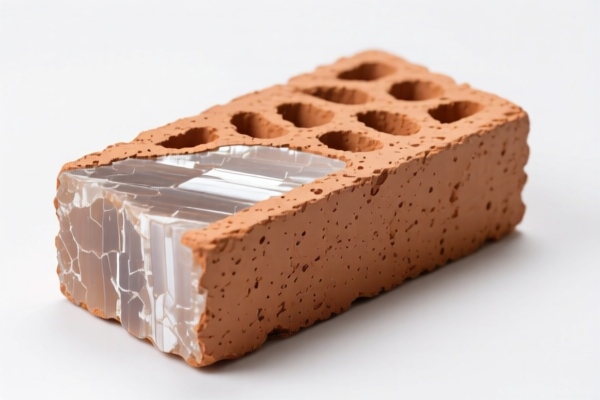
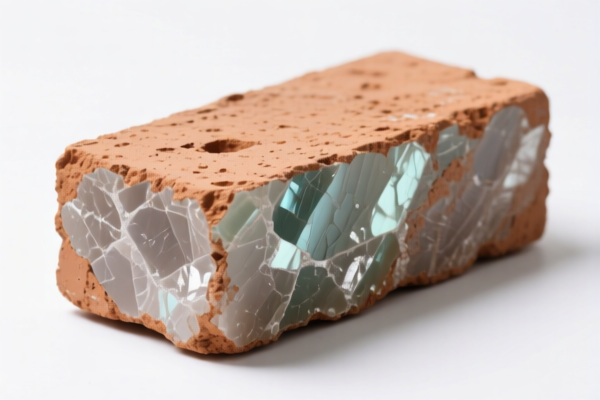
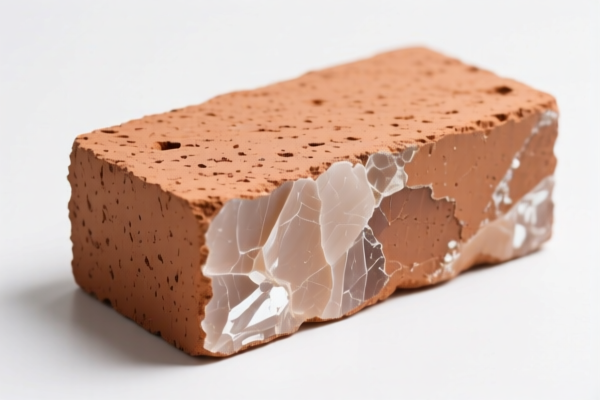
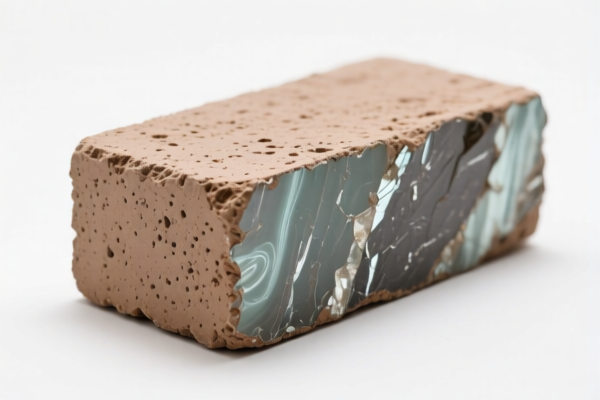
AI Analysis
🔥 Magnesia Chrome Refractory Mortar (Magnesia-Chrome Refractory Mortar)
🌐 HS Code Reference & Customs Clearance Guide | 2026 Latest Tariff Analysis | Professional Compliance Strategy
📌 I. Product Definition & Classification: What Exactly is "Magnesia Chrome Mortar"?
Magnesia Chrome Refractory Mortar is a specialized binding material used in the construction and maintenance of high-temperature industrial kilns, furnaces, and reactors. It consists primarily of Magnesia (MgO) and Chrome (Cr₂O₃) aggregates mixed with a binding agent (often clay or chemical binders).
In international trade, this product is strictly classified under Ceramic Wares. It is NOT considered a "Chemical Product" (Chapter 28 or 29) nor a "Metal" (Chapter 72-81), despite containing chrome and magnesia oxides. It is classified as a ceramic refractory material used for technical purposes.
⚠️ Critical Distinction:
- If it is a loose powder/bulk mix for lining kilns → Chapter 69 (Ceramics)
- If it is a ready-to-use paste in sealed containers for specific lab use → Chapter 69.09 (Laboratory/Ceramic Wares)
- Key Factor: The physical form (powder vs. paste) and intended use (industrial lining vs. lab ware) determine the exact subheading within 6909.
📦 II. HS Code Classification Details (2026 Latest Tariff Authority)
Based on the provided data, the product falls under Heading 69.09: Ceramic wares for laboratory, chemical or other technical uses.
| HS Code | Product Description | Application Context | Key Characteristics |
|---|---|---|---|
| 6909.19.50.95 | Ceramic wares for laboratory, chemical or other technical uses: Other: Other Other | Bulk refractory mortar, dry mix for kiln lining, industrial furnace repair | Bulk/Powder form; General technical use; Not hardness-specified. |
| 6909.12.00.00 | Ceramic wares for laboratory, chemical or other technical uses: Articles having a hardness equivalent to 9 or more on the Mohs scale | High-hardness refractory castables; Specialized lab crucibles/mortars with extreme wear resistance | High Hardness (Mohs ≥9); Requires specific physical testing to confirm. |
🔍 Important Note:
- 6909.19.50.95 is the standard classification for most magnesium-chrome refractory mortars supplied in bulk bags or drums for industrial furnace lining.
- 6909.12.00.00 applies ONLY if the final cured product or the specific ceramic article meets the Mohs hardness scale of 9 or higher (e.g., very dense chrome-magnesia bricks or specialized lab ware). Most standard mortars do not meet this threshold and should default to 6909.19.
- Do NOT classify under 2523 (Cement) or 2530 (Mineral Flours) – these are incorrect for refractory ceramic mortars.
💰 III. 2026 Latest Tariff Rate Details (Including Surtaxes & Policy Add-ons)
✅ Applicable Country: United States (US)
✅ Origin: China (CN)
✅ Effective Date: 2025 November 10 onwards (including subsequent imports)
🎯 1. 6909.19.50.95 —— Ceramic Wares for Technical Uses (Standard Mortar)
| Item | Content |
|---|---|
| Base Tariff Rate | 4.0% (Ad Valorem) |
| USITC Surtax (Section 301) | +25.0% (Applied to Chinese-origin ceramics in this subheading) |
| Total Tariff Rate | 29.0% |
| Tax Calculation | CIF Value × 29.0% |
| De Minimis Exemption Available? | ❌ No (Deny De Minimis) |
| Legal Basis Path | HTSUS:6909.19.50.95 → Section 301 Footnote → IEEPA:9903.01.25 (if applicable) |
📌 Explanation:
- The 4% base tariff is the standard Most Favored Nation (MFN) rate for ceramic technical ware.
- The 25% surtax is imposed under Section 301 of the Trade Act of 1974 against Chinese imports.
- Total 29% is a significant cost factor. No de minimis (de minimis exemption, e.g., $800) applies to this category from China.
🎯 2. 6909.12.00.00 —— High-Hardness Ceramic Wares (Mohs ≥9)
| Item | Content |
|---|---|
| Base Tariff Rate | 4.0% (Ad Valorem) |
| USITC Surtax (Section 301) | +25.0% |
| Total Tariff Rate | 29.0% |
| Tax Calculation | CIF Value × 29.0% |
| De Minimis Exemption Available? | ❌ No |
| Legal Basis Path | HTSUS:6909.12.00.00 → Section 301 Footnote → IEEPA:9903.01.25 |
📌 Note:
- Even though this is a "higher-spec" product, the total tax burden remains 29% under the current data.
- Ensure you have third-party certification proving Mohs hardness ≥9 if you claim this code, otherwise customs may reclassify to 6909.19.
🛠️ IV. Customs Clearance Practical Advice (Field Pitfall Avoidance Guide)
✅ 1. Document Checklist (Non-Negotiable)
| Document | Must Provide | Description |
|---|---|---|
| ✅ Product Specification Sheet | ✔️ | Must list chemical composition (MgO%, Cr₂O₃%), particle size, and intended use (e.g., "for steel industry kiln lining"). |
| ✅ Certificate of Origin (CO) | ✔️ | Essential for proving Chinese origin to apply (or confirm) the 25% surtax. |
| ✅ Commercial Invoice | ✔️ | Must clearly state: "Magnesia Chrome Refractory Mortar, Ceramic Wares for Technical Use" – Avoid vague terms like "Cement" or "Glue". |
| ✅ Packing List | ✔️ | Specify net/gross weight. Note: If sold in bulk bags, specify unit (e.g., 25kg/bag). |
| ✅ Photos of Product & Packaging | ✔️ | Show label, ingredients, and product form (powder/paste). |
| ✅ Third-Party Lab Report (Optional but Recommended) | ✔️ | If claiming 6909.12.00.00, provide Mohs hardness test results. |
✅ 2. Declaration Tips (Key Mnemonics)
🔥 "Say 'Ceramic', Not 'Cement'; Specify 'Technical Use', Not 'Building Material'!"
| Situation | Correct Declaration | Wrong Practice |
|---|---|---|
| Standard Refractory Mortar | 6909.19.50.95 |
Misdeclare as 2523 (Cement) → 25% base + 25% surtax + penalties |
| High-Hardness Lab Ware | 6909.12.00.00 |
Overdeclare hardness without proof → Reclassification + Seizure |
| Bulk Powder vs. Paste | Clearly state form | Vague "Mix" → Customs Query & Delay |
| Product Name | "Ceramic Refractory Mortar for Industrial Kilns" | "Magnesia Chrome Glue" → Misleading, likely rejected |
✅ 3. Special Handling for Refractory Materials
| Scenario | Handling Advice |
|---|---|
| OEM/Custom Mix | Provide formula sheet or MSDS (Material Safety Data Sheet) to prove it is not a hazardous chemical. |
| Chromium Content | Declare Cr₂O₃ content clearly. While refractory chrome is not typically classified as hazardous waste, transparency avoids CBP (Customs and Border Protection) scrutiny. |
| Packaging Type | If in sealed bags, ensure no liquid content. Liquid mortars may fall under different headings (e.g., 3824). |
| Usage Declaration | Always state: "For use in lining high-temperature industrial furnaces, not for structural building construction." This distinguishes it from construction ceramics (Chapter 69.04/69.07). |
🌍 V. Global Market Comparison (2026 Latest)
| Country/Region | Recommended HS Code | Tariff (China Origin) | Certification Requirements | Notes |
|---|---|---|---|---|
| 🇺🇸 USA | 6909.19.50.95 |
29.0% (4% + 25% surtax) | None specific (FDA not applicable) | High cost due to Section 301. |
| 🇨🇳 China | 6909.19.50.95 |
0% (Domestic) | GB Standards | N/A for export. |
| 🇪🇺 EU | 6909.19.00 |
6.5% (General) | REACH Compliance | No US-style surtax. |
| 🇬🇧 UK | 6909.19.00 |
6.5% | UKCA Mark (if applicable) | Post-Brexit tariff applies. |
| 🇯🇵 Japan | 6909.19.00 |
0% - 6.5% | JIS Standards | Often preferential under JETP. |
📌 Conclusion:
- The US is the most expensive market for this product due to the 25% Section 301 surtax.
- Total landed cost in the US will include 29% tariff plus freight, insurance, and brokerage fees.
- For EU/UK/Japan, the duty is significantly lower (0–6.5%), making non-US markets more attractive for cost-sensitive shipments.
📌 VI. Common Mistakes & Pitfall Guide (Lessons Learned)
❌ Mistake 1: Classifying as "Cement" (2523.90.00.00)
👉 Consequence: Customs may reject because Magnesia Chrome is not Portland cement. It is a ceramic refractory. Risk of reclassification and penalties.
❌ Mistake 2: Declaring as "Building Material" (6904.10.00.00)
👉 Consequence: Refractory mortars for industrial technical use belong in 69.09, not building ceramics (69.04). Misdeclaration leads to audit.
❌ Mistake 3: Omitting "Technical Use" in description
👉 Consequence: Customs may classify as general household ceramic ware, leading to duty disputes.
❌ Mistake 4: Ignoring the Mohs Hardness Specification
👉 Consequence: If you claim 6909.12.00.00 but cannot prove hardness ≥9, CBP will downgrade to 6909.19.50.95 (same rate, but you lose credibility and face delays).
✅ Correct Declaration Example:
"Ceramic Refractory Mortar, Magnesia-Chrome, for Industrial Kiln Lining, Mohs Hardness N/A, Bulk Pack, HS 6909.19.50.95"
🎯 VII. Conclusion: Precision in Classification Saves Costs!
🎯 Remember the Mnemonic:
🔹 "It’s Ceramic, Not Cement! Technical Use, Not Building! 29% Total Tax, Avoid the Pitfall!"
🔹 "HS 6909 is the key, 29% is the cost, declare it right, avoid the fault!"
📌 Pro Tip:
- If your supplier is not Chinese (e.g., Vietnam, India, Turkey), you may avoid the 25% Section 301 surtax, reducing total duty to just 4% (US Base Rate).
- Strategy: Consider sourcing from non-China origins if US market is primary destination.
- Pre-Ruling: Apply for a Binding Ruling from CBP if your product is borderline between "Lab Ware" and "Technical Ware" to ensure duty certainty.
📣 Immediate Action Required:
📞 Contact your Customs Broker: Provide technical data sheets.
📝 Double-check Invoice: Ensure "Ceramic Wares" is stated.
🚀 Plan for 29% Duty: Include this in your landed cost calculation for US imports.
✨ Professional Clearance, Starting with Accurate Classification!
💼 Every Percent of Tariff Counts in Refractory Trade!
Customer Reviews
About HS Code Classification
The Harmonized System (HS) is an internationally standardized nomenclature developed by the World Customs Organization (WCO) to classify traded products. Over 200 countries use the HS system as the basis for customs tariffs, trade statistics, and import/export regulations.
Each HS code follows a hierarchical structure:
- Chapter (2 digits) — Broad category of goods (e.g., Chapter 84: Machinery and Mechanical Appliances)
- Heading (4 digits) — More specific grouping within the chapter
- Subheading (6 digits) — Internationally standardized breakdown, used by all WCO member countries
- National subdivisions (8-10 digits) — Country-specific extensions for further classification, such as US HTSUS 10-digit codes
Correct HS code classification is essential for smooth customs clearance, accurate duty payment, and compliance with trade regulations. Misclassification can lead to customs delays, overpayment of duties, or penalties.
When importing from CN to US, the applicable tariff rates may include:
- Most-Favored-Nation (MFN) rate — The standard duty rate applied to WTO members
- General rate — Applied to countries without trade agreements
- Trade remedy duties — Additional tariffs such as Section 301 (anti-dumping), Section 232 (national security), or countervailing duties
The information provided on this page is for reference purposes only. For official classification, please consult with your local customs authority or a licensed customs broker.