Magnesia Refractory Concrete
CN → US| HS Code | Tariff Rate | Origin | Destination | Doc |
|---|---|---|---|---|
| 6902901010 | 35.0% | CN | US | Official Doc |
| 6810110070 | 38.2% | CN | US | Official Doc |
| 3816001000 | 35.0% | CN | US | Official Doc |
| 3816002050 | 38.0% | CN | US | Official Doc |
| 6902905010 | 35.0% | CN | US | Official Doc |
Product Images
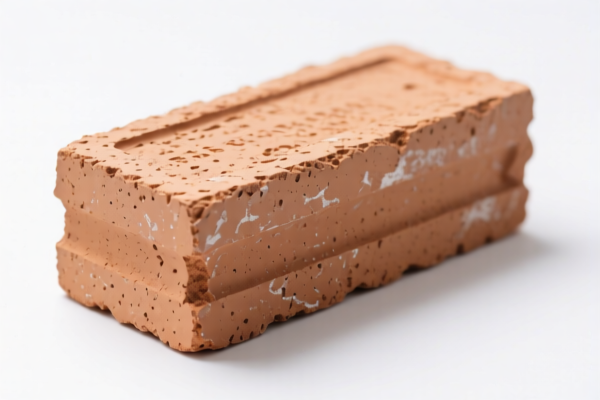
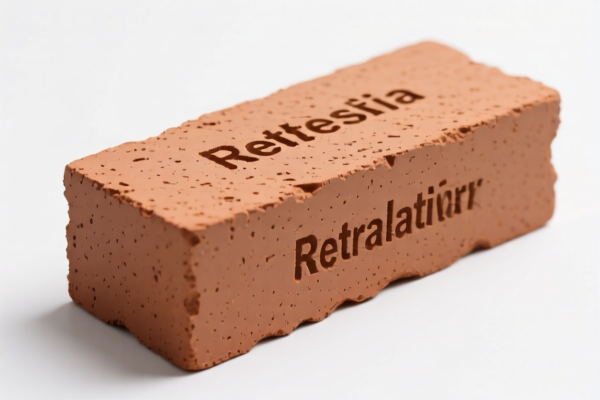
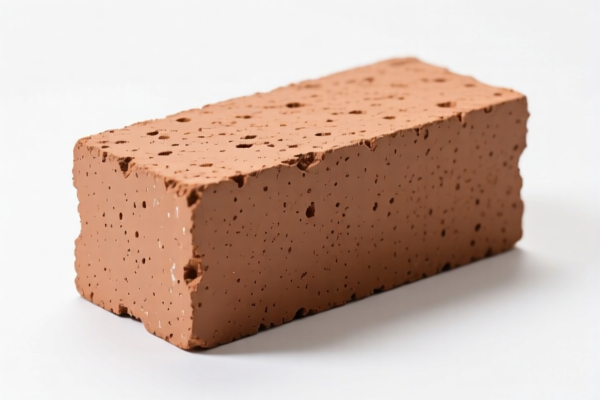

AI Analysis
🧱 Magnesia Refractory Concrete
🌐 HS Code Reference & Customs Clearance Guide | 2026 Latest Tariff Analysis | Professional Clearance Strategy
📌 I. Product Definition & Classification: Do You Really Understand "Magnesia Refractory Concrete"?
Magnesia Refractory Concrete is a high-performance, inorganic non-metallic material composed of magnesia aggregates/cement, refractory binders, and various additives. It is widely used in industrial kilns, furnaces, and high-temperature thermal equipment due to its excellent resistance to alkaline slag and high temperatures.
In international trade, classification is not straightforward because it falls into the intersection of "Refractory Materials" and "Cement/Concrete Products." The correct HS Code depends heavily on: 1. Primary Function: Is it classified as a "Refractory Construction Material" or a "Cement/Concrete Product"? 2. Composition: The specific type of binder (e.g., chemical, hydraulic) and aggregate. 3. Form: Monolithic shape vs. pre-formed blocks.
⚠️ Critical Distinction:
- If classified as a Refractory Construction Material (Chapter 69) → Lower Base Tariff (0%), but subject to Section 301 (25%) + Section 122 (10%).
- If classified as a Cement/Concrete Product (Chapter 68) → Higher Base Tariff (3.2%-3%), same Section 301 (25%) + Section 122 (10%).
- If classified under Chemical Products (Chapter 38) → Variable base tariff, often treated as "Other Refractory Preparations."
📦 II. HS Code Classification Details (2026 Latest Tariff Authority Comparison)
Based on the provided data, here are the five most likely HS Code classifications for Magnesia Refractory Concrete, along with their logical justification:
| HS Code | Product Description | Justification from Data | Application Scenario |
|---|---|---|---|
| 6902.90.10.10 | Other Refractory Brick, Tile, Block & Similar Refractory Constructional Goods | "Based on morphology and use, refractory concrete falls under refractory materials, aligning with logic for other categories of refractory construction goods." | Monolithic refractory lining for kilns/furnaces. |
| 6810.11.00.70 | Cement, Concrete or Artificial Stone Articles, Building/Construction Brick, Tile, Block & Similar | "Material is concrete, meeting requirements for cement/concrete/man-made stone articles. Morphology belongs to construction blocks, classified under other categories." | Pre-cast concrete blocks with refractory properties. |
| 3816.00.10.00 | Refractory Cements & Similar Refractory Cements; Other Refractory Compounds & Preparations | "Refractory concrete conforms to cement & similar product classification; use is refractory, consistent with target code product characteristics." | Liquid or powder form refractory binders/mixes. |
| 3816.00.20.50 | Refractory Compounds & Preparations (Other) | "Refractory characteristics correspond to classification; concrete corresponds to cement & similar products. Material & use fully comply." | Specialized chemical refractory mixtures. |
| 6902.90.50.10 | Other Refractory Brick, Tile, Block & Similar Refractory Constructional Goods | "Refractory attribute & refractory construction product use are consistent. Concrete is an inorganic material, inferring inclusion of clay or siliceous earth components, no material conflict." | General inorganic refractory monolithic materials. |
🔍 Key Reminder:
- 6902 Series is generally preferred for monolithic refractory concretes used directly in high-temperature environments, as it is explicitly for "Refractory Constructional Goods." - 6810 Series is for concrete products that may have some heat resistance but are primarily structural/constructional. - 3816 Series is for refractory cements/preparations, often used as binders rather than the final structural mass.
💰 III. 2026 Latest Tariff Rate Breakdown (Including Surcharges & Policy Add-ons)
✅ Applicable Country: United States (US)
✅ Origin: China (CN)
✅ Effective Date: From November 10, 2025 (including subsequent imports)
🎯 1. 6902.90.10.10 & 6902.90.50.10 —— Refractory Constructional Goods
| Item | Content |
|---|---|
| Base Tariff | 0.0% (ad valorem) |
| Section 301 Surcharge | +25.0% (From USITC Footnote) |
| Section 122 Surcharge | +10.0% (Specific to Chinese Products) |
| Total Tax Rate | 35.0% |
| Tax Calculation | CIF Value × 35% |
| De Minimis Eligibility | ❌ Not Eligible (deny_de_minimis) |
| Legal Basis Path | Section 301: 301.88.01 → Section 122: 9903.01.25 → USITC: 6902.90.10.10/50.10 |
📌 Explanation:
- "Base Tariff 0%" means no standard import duty. - "Section 301 25%" is the Trump-era/Biden-maintained tariff on Chinese goods. - "Section 122 10%" is a newer addition targeting specific Chinese imports. - Total 35% is relatively lower than concrete products but still significant.
🎯 2. 6810.11.00.70 —— Cement/Concrete Constructional Goods
| Item | Content |
|---|---|
| Base Tariff | 3.2% (ad valorem) |
| Section 301 Surcharge | +25.0% |
| Section 122 Surcharge | +10.0% |
| Total Tax Rate | 38.2% |
| Tax Calculation | CIF Value × 38.2% |
| De Minimis Eligibility | ❌ Not Eligible |
| Legal Basis Path | Section 301: 301.88.01 → Section 122: 9903.01.25 → USITC: 6810.11.00.70 |
📌 Note:
- Higher base tariff (3.2%) makes this classification more expensive. - Only choose if customs authorities insist it's a "concrete block" rather than a "refractory material."
🎯 3. 3816.00.10.00 & 3816.00.20.50 —— Refractory Cements/Preparations
| Item | Content |
|---|---|
| Base Tariff | 0.0% (for .10.00) / 3.0% (for .20.50) |
| Section 301 Surcharge | +25.0% |
| Section 122 Surcharge | +10.0% |
| Total Tax Rate | 35.0% (for .10.00) / 38.0% (for .20.50) |
| Tax Calculation | CIF Value × Rate |
| De Minimis Eligibility | ❌ Not Eligible |
| Legal Basis Path | Section 301: 301.88.01 → Section 122: 9903.01.25 → USITC: 3816.00.10.00/.20.50 |
📌 Note:
- If the product is sold as a refractory cement/powder mix, 3816.00.10.00 offers the lowest total rate at 35.0%. - If it's a specialized refractory compound, 3816.00.20.50 applies at 38.0%.
🛠️ IV. Customs Clearance Practical Advice (Pitfall Avoidance Guide)
✅ 1. Required Documentation Checklist (Essential Items)
| Document | Mandatory? | Notes |
|---|---|---|
| ✅ Product Specification Sheet | ✔️ | Must detail composition (Magnesia %, Aggregate Type, Binder Type), melting point, and chemical resistance. |
| ✅ Technical Data Sheet (TDS) | ✔️ | To prove "Refractory" nature (e.g., PCE value, hot modulus of rupture). |
| ✅ Product Photos (Clear) | ✔️ | Show material form (powder, liquid, or monolithic block). |
| ✅ Commercial Invoice | ✔️ | Accurate description: "Magnesia Refractory Concrete, Grade X, for Kiln Lining." |
| ✅ Packing List | ✔️ | Detail weight, volume, and packaging type. |
| ✅ Certificate of Origin (CO) | ✔️ | Essential for proving Chinese origin (triggers tariffs). |
| ✅ Test Reports | ✔️ | Lab tests for refractoriness, thermal expansion, etc., help justify Chapter 69 or 38 classification. |
✅ 2. Declaration Tips (Key Mantra)
🔥 "Refractory First, Concrete Second; Name Matters, Rate Differs!"
| Scenario | Correct Declaration | Wrong Practice |
|---|---|---|
| Monolithic Refractory Mix | HS 6902.90.10.10 or 6902.90.50.10 Description: "Refractory Concrete, Magnesia-Based, for Industrial Furnace Lining" |
Misdeclare as "Cement" → 38.2% |
| Refractory Cement/Powder | HS 3816.00.10.00 Description: "Refractory Cement, Magnesia Type, Binding Agent" |
Misdeclare as "Concrete Block" → 38.2% |
| Pre-cast Refractory Blocks | HS 6902.90.10.10 Description: "Refractory Brick/Block, Magnesia Concrete" |
Misdeclare as "Construction Concrete" → 38.2% |
| Special Refractory Compound | HS 3816.00.20.50 Description: "Refractory Compound, Non-Cementitious" |
Misdeclare as "Cement" → 38.0% |
✅ 3. Special Case Handling
| Scenario | Handling Advice |
|---|---|
| OEM Refractory Concrete | Provide client’s technical drawings + composition formula to prove refractory nature. |
| Mixed Shipment (Refractory + Normal Concrete) | Split Declaration! Do not mix. Refractory goes to 6902/3816, Normal Concrete to 6810/2523. |
| Liquid Refractory Castable | Declare as "Refractory Castable, Liquid Form" under 3816.00.10.00 or 6902.90.50.10 depending on solid content. |
| High Magnesia Content (>85%) | Emphasize "High-Purity Magnesia" in declaration to support 6902 classification. |
🌍 V. Global Main Market Clearance Comparison (2026 Latest)
| Country/Region | Recommended HS Code | Tariff (China Origin) | Certification Requirement | Notes |
|---|---|---|---|---|
| 🇺🇸 USA | 6902.90.10.10 |
35.0% (Section 301+122) | No specific cert, but TDS required | High tariff, must justify refractory use. |
| 🇨🇳 China | 6902.90.10.10 |
0%~8% | N/A | No additional surcharges. |
| 🇪🇺 EU | 6902.90 |
5.0%~6.0% | REACH (if chemical mix) | No Section 301/122 equivalents. |
| 🇬🇧 UK | 6902.90 |
5.0%~6.0% | UKCA (if applicable) | Post-Brexit rules apply. |
| 🇦🇺 Australia | 6902.90 |
5.0% | No specific cert | Low tariff, easy clearance. |
📌 Conclusion:
- USA is the most costly market due to Section 301 (25%) + Section 122 (10%) tariffs. - EU/UK/Australia have much lower tariffs (5%-6%) but may require REACH/UKCA compliance for chemical components. - Strategy: For US shipments, ensure accurate 6902 classification to avoid the higher 6810 base rate.
📌 VI. Common Mistakes & Pitfall Guide (Blood & Tears Lessons)
❌ Mistake 1: Declaring "Refractory Concrete" as "Construction Cement"
👉 Consequence: Tariff jumps from 35% to 38.2% + Potential Customs Audit for Misclassification.
❌ Mistake 2: Omitting "Magnesia" or "Refractory" in Description
👉 Consequence: Customs may classify under general concrete (6810) or even 2523 (Cement), leading to 38.2% or 30%+ rates.
❌ Mistake 3: Not Providing TDS for Refractory Properties
👉 Consequence: Customs rejects Chapter 69 (Refractories) classification, forcing classification under Chapter 68 (Concrete) → Higher Tax.
❌ Mistake 4: Assuming De Minimis Applies
👉 Consequence: No De Minimis Exemption for Section 301/122 goods. Small shipments still pay 35%-38% tax.
✅ Correct Practice:
"Magnesia Refractory Concrete, Castable Type, High-Alumina/Magnesia Content, for Steelmaking Furnace Lining, HS 6902.90.10.10, Country of Origin: China"
🎯 VII. Conclusion: Professional Declaration, Save Time, Cut Costs!
🎯 Remember the Mantra:
🔹 "Refractory is Key, Concrete is Secondary; 6902 is Best, 6810 is Costly."
🔹 "35% vs 38%: A 3% Difference, But Worth Fighting For!"
🔹 "Documentation is King; TDS Saves Dollars!"
📌 Pro Tip:
If your Magnesia Refractory Concrete is originated from Vietnam, Malaysia, or Thailand, you may apply for IEEPA Exemption or FTZ Tariff, potentially reducing tariffs to 0%~5%.
Recommend Advance Ruling from US Customs (CBP) to secure the 6902.90.10.10 classification and 35% rate before shipment.
📣 Take Action Now:
📞 Contact a Professional Customs Broker + Provide TDS + Apply for HS Code Pre-Ruling
🚀 Let your Refractory Concrete Clear Smoothly, Reduce Costs, and Boost Profits!
✨ Professional Clearance Starts with Accurate Classification!
💼 Every Dollar Saved, Counts!
Customer Reviews
About HS Code Classification
The Harmonized System (HS) is an internationally standardized nomenclature developed by the World Customs Organization (WCO) to classify traded products. Over 200 countries use the HS system as the basis for customs tariffs, trade statistics, and import/export regulations.
Each HS code follows a hierarchical structure:
- Chapter (2 digits) — Broad category of goods (e.g., Chapter 84: Machinery and Mechanical Appliances)
- Heading (4 digits) — More specific grouping within the chapter
- Subheading (6 digits) — Internationally standardized breakdown, used by all WCO member countries
- National subdivisions (8-10 digits) — Country-specific extensions for further classification, such as US HTSUS 10-digit codes
Correct HS code classification is essential for smooth customs clearance, accurate duty payment, and compliance with trade regulations. Misclassification can lead to customs delays, overpayment of duties, or penalties.
When importing from CN to US, the applicable tariff rates may include:
- Most-Favored-Nation (MFN) rate — The standard duty rate applied to WTO members
- General rate — Applied to countries without trade agreements
- Trade remedy duties — Additional tariffs such as Section 301 (anti-dumping), Section 232 (national security), or countervailing duties
The information provided on this page is for reference purposes only. For official classification, please consult with your local customs authority or a licensed customs broker.