Magnesia based Refractory Castable
CN → US| HS Code | Tariff Rate | Origin | Destination | Doc |
|---|---|---|---|---|
| 6902101000 | 35.0% | CN | US | Official Doc |
| 6903900050 | 35.0% | CN | US | Official Doc |
| 3816002050 | 38.0% | CN | US | Official Doc |
| 3816001000 | 35.0% | CN | US | Official Doc |
| 6902105000 | 35.0% | CN | US | Official Doc |
Product Images
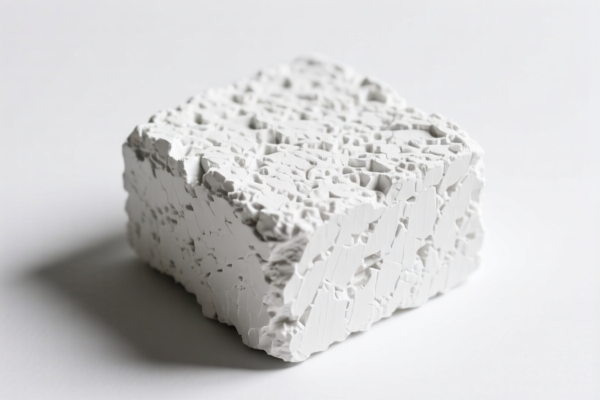
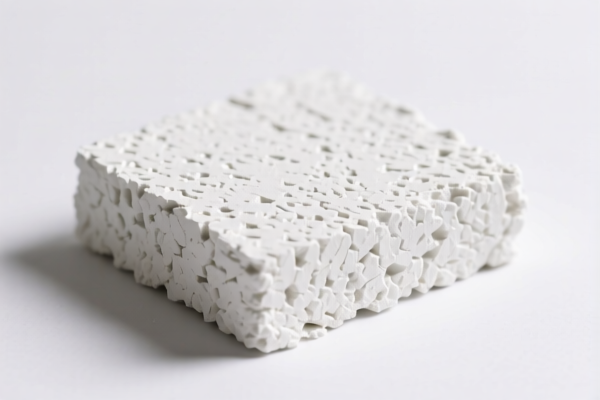
AI Analysis
🔥 Magnesia-Based Refractory Castable: HS Code Classification & US Customs Clearance Guide
🌐 HS Code Reference & Clearance Strategy | 2026 Latest Tariff Analysis | Professional Logistics Solutions 📌 I. Product Definition: What Exactly is "Magnesia-Based Refractory Castable"?
Magnesia-based refractory castables are high-temperature resistant unshaped refractory materials composed primarily of Magnesium Oxide (MgO) as the main aggregate and binder, mixed with additives and water (or other liquid binders) to form a plastic mixture that hardens after curing or firing.
In international trade, these materials are not classified as a single entity. Their classification depends heavily on their physical state, chemical composition, and intended application. The U.S. Customs and Border Protection (CBP) distinguishes between them based on whether they are: 1. Ceramic Products (Chapter 69): Specifically shaped or defined as ceramic structures. 2. Chemical Preparations/Cements (Chapter 38): Defined as mortar, concrete, or cement-like mixtures.
⚠️ Critical Distinction Point: - If the product is explicitly described as a "Refractory Ceramic" or "Building Product" with specific ceramic properties → It falls under HS Code 6902.10. - If the product is described as a "Cement," "Mortar," or "Concrete" mixture (even if refractory) → It may fall under HS Code 3816.00. - Why it matters: The tax rates differ significantly due to the "Section 301" and "122 Clause" tariffs, and the base tariff rate varies (0% vs 3%).
📦 II. HS Code Classification Details (2026 Latest Tariff Authority)
Based on the provided data, here are the five possible HS codes for Magnesia-based Refractory Castables, sorted by logical grouping:
| HS Code | Product Description | Scenario / Application | Key Classification Criteria |
|---|---|---|---|
| 6902.10.10.00 | Magnesia Refractory Castable | Refractory ceramic building products; Magnesia material | Ceramic Classification: Explicitly defined as "Refractory Ceramic Building Product" with Magnesia material. |
| 6902.10.50.00 | Magnesia Refractory Castable | Refractory ceramic building products; High MgO content | Ceramic Classification: Similar to above, but highlights "Magnesium Element Content Compliance." |
| 6903.90.00.50 | Magnesia Refractory Castable | Other refractory ceramic goods; Non-clay based | Other Ceramics: Classified as "Other Refractory Ceramic Products" (not primarily clay), Magnesia-based. |
| 3816.00.10.00 | Magnesia Refractory Castable | Refractory materials; Castable form | Chemical/Cement Category: Defined as "Refractory Material" in castable form, falling under chemical preparations. |
| 3816.00.20.50 | Magnesia Refractory Castable | Refractory cement, mortar, concrete; Other | Cement/Mortar Category: Defined as "Refractory Cement, Mortar, or Concrete." HIGHEST TAX BRACKET. |
🔍 Key Insight: - Codes 6902.10.xxxxx and 6903.90.00.50 are generally Lower Tax (Base 0%). - Code 3816.00.20.50 is Higher Tax (Base 3%). - All codes listed below are subject to significant US import tariffs.
💰 III. 2026 Latest Tariff Rate Breakdown (US Imports from China)
✅ Applicable Country: United States (US) ✅ Origin: China (CN) ✅ Effective Date: Current rates apply (Section 301 + 122 Clause)
🎯 1. Low Tax Bracket: Codes 6902.10.10.00, 6902.10.50.00, 6903.90.00.50
These codes benefit from a 0% Base Tariff but are heavily penalized by US trade actions.
| Item | Rate | Details |
|---|---|---|
| Base Tariff | 0.0% | MFN (Most Favored Nation) rate for these ceramic categories. |
| Section 301 Tariff | +25.0% | Additional duty on Chinese goods under Trade Act of 1974, Section 301. |
| 122 Clause Tariff | +10.0% | Additional duty under Section 122 of the Trade Act of 1974 (or specific executive orders). |
| Total Tax Rate | 35.0% | 0% + 25% + 10% |
| Tax Calculation | CIF Value × 35% |
|
| De Minimis Exemption | ❌ NO | Packages under $800 are NOT exempt from Section 301/122 tariffs. |
| Legal Reference Path | USITC: 6902.10.10.00 → Footnote: Section 301 → Section 122 |
📌 Explanation: - Although the base tariff is 0%, the 35% effective rate is substantial. - This classification applies if you argue the product is a "Refractory Ceramic" (Chapter 69). - Strategy: Use this classification if your product technical data sheets emphasize "Ceramic Structure," "Fired Properties," or "Refractory Ceramic Brick/Lining" analogies.
🎯 2. High Tax Bracket: Code 3816.00.10.00
Similar to the above, but note the description alignment.
| Item | Rate | Details |
|---|---|---|
| Base Tariff | 0.0% | For specific refractory material preparations. |
| Section 301 Tariff | +25.0% | Standard Section 301 duty. |
| 122 Clause Tariff | +10.0% | Standard 122 Clause duty. |
| Total Tax Rate | 35.0% | 0% + 25% + 10% |
| Tax Calculation | CIF Value × 35% |
📌 Note: This code is often used when the product is strictly defined as a "Refractory Material" without the "Cement/Mortar" label.
🎯 3. Highest Tax Bracket: Code 3816.00.20.50
⚠️ Warning: This code attracts the highest base tariff.
| Item | Rate | Details |
|---|---|---|
| Base Tariff | 3.0% | Ad valorem rate for "Other refractory cement, mortar, and concrete." |
| Section 301 Tariff | +25.0% | Standard Section 301 duty. |
| 122 Clause Tariff | +10.0% | Standard 122 Clause duty. |
| Total Tax Rate | 38.0% | 3% + 25% + 10% |
| Tax Calculation | CIF Value × 38% |
|
| De Minimis Exemption | ❌ NO | Not exempt. |
| Legal Reference Path | USITC: 3816.00.20.50 → Footnote: Section 301 → Section 122 |
📌 Explanation: - If your product description uses words like "Cement," "Mortar," or "Concrete," customs may automatically assign this code. - The 3% base duty adds an extra cost compared to the 0% base of ceramic codes. - Avoid this classification if possible, unless your product is indistinguishable from standard refractory mortar.
🛠️ IV. Customs Clearance Practical Advice (Real-World Pitfalls)
✅ 1. Document Preparation Checklist (Non-Negotiable)
| Document | Required? | Notes |
|---|---|---|
| Technical Data Sheet (TDS) | ✔️ | Must specify MgO content %, Binder type, Temperature Resistance. |
| Product Photo (Packaging) | ✔️ | Show label, brand, and batch number. |
| Commercial Invoice | ✔️ | Description must be precise (e.g., "Magnesia Refractory Castable," NOT just "Cement"). |
| Packing List | ✔️ | Net/Gross weight, number of bags. |
| Certificate of Origin | ✔️ | Prove Chinese origin to confirm tariff applicability. |
| Material Safety Data Sheet (MSD S) | ✔️ | Required for hazardous material check (though refractories are usually non-hazardous). |
✅ 2. Classification Strategy (Key Mantra)
🔥 "Ceramic = 0% Base, Mortar = 3% Base. Choose Wisely!"
| Scenario | Recommended HS Code | Risk Level |
|---|---|---|
| Product marketed as "Refractory Brick Substitute" or "Ceramic Lining" | 6902.10.10.00 or 6902.10.50.00 |
🟢 Low Tax (35% Total) |
| Product marketed as "Refractory Cement" or "Refractory Mortar" | 3816.00.20.50 |
🔴 High Tax (38% Total) |
| Product is a "Dry Mix" with no specific ceramic structure claim | 6903.90.00.50 or 3816.00.10.00 |
🟡 Medium Risk (Depends on CBP Interpretation) |
⚠️ Critical Tip: - Do NOT use the word "Cement" or "Concrete" in your commercial invoice unless you are prepared for the 38% rate. - Use terms like "Refractory Castable," "Refractory Mix," or "Refractory Ceramic Aggregate" to support the 6902/6903 classification.
✅ 3. Special Considerations for US Customs
| Issue | Solution |
|---|---|
| Section 301/122 Exclusions | ❌ None Available. Most refractory castables from China are excluded from de minimis and subject to full tariffs. |
| Misclassification Risk | High. CBP may reclassify "Castable" as "Mortar" (3816) if the description is vague. Provide TDS! |
| Valuation | Ensure CIF value includes freight and insurance. Tariffs are calculated on CIF. |
| Pre-Ruling | 📝 Strongly Recommended. Apply for a Binding Tariff Ruling from US CBP to lock in the HS Code and avoid future disputes. |
🌍 V. Global Market Comparison (2026)
| Country/Region | Recommended HS Code | Estimated Total Tax (China Origin) | Notes |
|---|---|---|---|
| 🇺🇸 United States | 6902.10.10.00 / 6902.10.50.00 |
35% | Base 0% + 25% (301) + 10% (122) |
| 🇺🇸 United States | 3816.00.20.50 |
38% | Base 3% + 25% (301) + 10% (122) |
| 🇨🇳 China | 6902.10.10.00 |
~5-10% | Export VAT refund applies. No Section 301. |
| 🇪🇺 European Union | 6902.10.10 |
~6.5% | No Section 301. Standard MFN duty. |
| 🇯🇵 Japan | 6902.10.10 |
~5-8% | Depends on JETRO classification. |
📌 Conclusion: - The US market is the most expensive due to Section 301 and 122 tariffs. - European and Japanese markets are significantly more favorable. - For US imports, accurate classification under Chapter 69 (Ceramics) is crucial to avoid the extra 3% base duty of Chapter 38.
📌 VI. Common Errors & Pitfalls (Lessons Learned)
❌ Error 1: Using "Refractory Cement" in the invoice description.
👉 Result: CBP assigns 3816.00.20.50 → 38% Tax instead of 35%.
👉 Fix: Use "Magnesia Refractory Castable."
❌ Error 2: Assuming de minimis ($800) exemption applies. 👉 Result: Packages under $800 are still taxed for Section 301/122 goods. 👉 Fix: Budget for 35-38% tax even for small samples.
❌ Error 3: Missing Technical Data Sheet (TDS). 👉 Result: CBP cannot verify MgO content or ceramic nature → Delays, audits, or forced reclassification. 👉 Fix: Always attach TDS showing "Refractory Ceramic" properties.
🎯 VII. Conclusion: Professional Classification Saves Money!
🎯 Key Takeaways:
🔹 "Ceramic" = 0% Base, "Mortar" = 3% Base. Always argue for Chapter 69 if possible. 🔹 Total US Tax is 35% or 38%. No exemptions for China-origin goods. 🔹 Avoid the word "Cement" in documentation unless you want the higher tax. 🔹 Apply for a Pre-Ruling to lock in the 35% rate and avoid surprise audits.
📌 Pro Tip:
If your castable contains high-purity Magnesia (MgO > 90%), ensure your TDS highlights this to support the 6902.10.50.00 classification, which is often viewed more favorably as a "Specialty Ceramic" than a generic "Refractory Mortar."
📣 Immediate Action:
📞 Contact a US Customs Broker with your Technical Data Sheet. 📄 Request a Binding Tariff Ruling from US CBP. 🚀 Optimize your invoice description to "Magnesia Refractory Castable" → Save 3% Base Duty + Reduce Audit Risk.
✨ Professional Clearance Starts with Precise Classification! 💼 Every 1% of Tax Savings Equals 1% More Profit!
Customer Reviews
About HS Code Classification
The Harmonized System (HS) is an internationally standardized nomenclature developed by the World Customs Organization (WCO) to classify traded products. Over 200 countries use the HS system as the basis for customs tariffs, trade statistics, and import/export regulations.
Each HS code follows a hierarchical structure:
- Chapter (2 digits) — Broad category of goods (e.g., Chapter 84: Machinery and Mechanical Appliances)
- Heading (4 digits) — More specific grouping within the chapter
- Subheading (6 digits) — Internationally standardized breakdown, used by all WCO member countries
- National subdivisions (8-10 digits) — Country-specific extensions for further classification, such as US HTSUS 10-digit codes
Correct HS code classification is essential for smooth customs clearance, accurate duty payment, and compliance with trade regulations. Misclassification can lead to customs delays, overpayment of duties, or penalties.
When importing from CN to US, the applicable tariff rates may include:
- Most-Favored-Nation (MFN) rate — The standard duty rate applied to WTO members
- General rate — Applied to countries without trade agreements
- Trade remedy duties — Additional tariffs such as Section 301 (anti-dumping), Section 232 (national security), or countervailing duties
The information provided on this page is for reference purposes only. For official classification, please consult with your local customs authority or a licensed customs broker.