Magnesium Tungstate for Casting
CN → US| HS Code | Tariff Rate | Origin | Destination | Doc |
|---|---|---|---|---|
| 2841705000 | 13.7% | CN | US | Official Doc |
| 3824999386 | 40.0% | CN | US | Official Doc |
| 2841701000 | 14.3% | CN | US | Official Doc |
| 3824993400 | 37.8% | CN | US | Official Doc |
| 3824992900 | 41.5% | CN | US | Official Doc |
Product Images
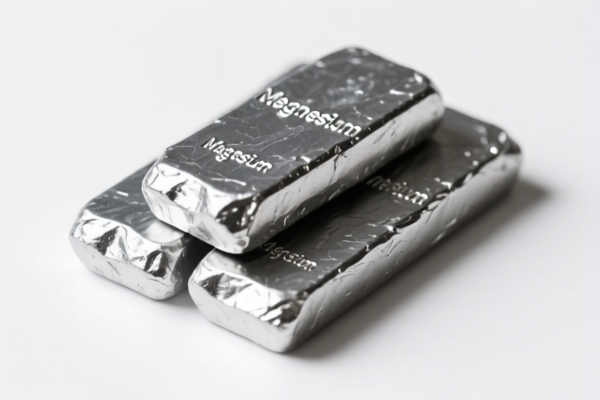
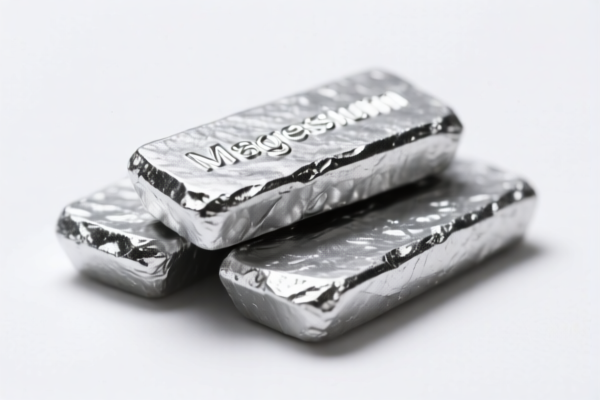
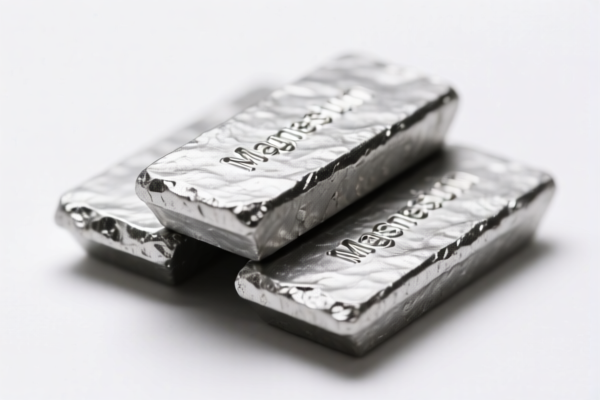
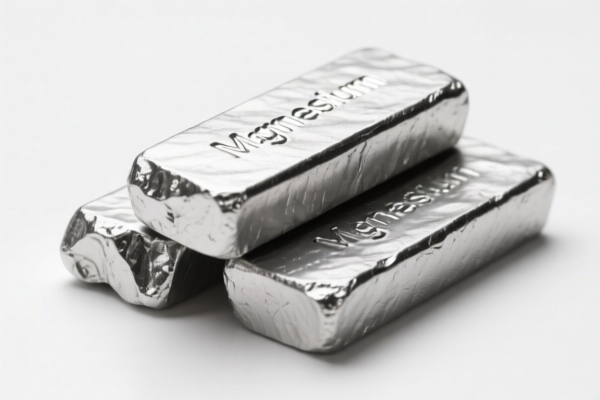
AI Analysis
🏭 Magnesium Tungstate for Casting: The High-Stakes Customs & Tariff Deep Dive
🌐 HS Code Reference & Customs Clearance Guide | 2026 Latest Tariff Analysis | Professional-Level Clearance Strategy
📌 I. Product Definition & Classification: What Exactly is "Magnesium Tungstate for Casting"?
"Magnesium Tungstate for Casting" refers to chemical compounds or preparations containing magnesium and tungsten (often confused with Molybdates/Molybdenum in industrial contexts, or strictly classified as Magnesium compounds) intended for use in casting molds or cores.
In international trade, this product falls into two distinct logical paths depending on how customs authorities interpret the chemical nature vs. functional utility:
- Chemical Identity Path (Chlorides/Sulfates/Molybdates/Magnesium Salts): If viewed primarily as a specific chemical compound (e.g., Magnesium Molybdate $MgMoO_4$ or similar salts), it falls under Chapter 28 (Inorganic Chemicals).
- Industrial Preparation Path (Binder/Adhesive): If viewed primarily as a mixture or preparation used specifically as a mold/core binder in casting processes, it falls under Chapter 38 (Miscellaneous Chemical Products).
⚠️ Critical Distinction Point:
- If the product is a pure chemical salt (e.g., Magnesium Molybdate) →归类 to Chapter 28.
- If the product is a preparation/mixture used as a casting aid or binder →归类 to Chapter 38.
- Note on Data Discrepancy: The provided data mentions "Magnesium Tungstate" but the summaries frequently reference "Molybdate" (钼酸盐) and "Tungsten" (钨). In customs practice, Molybdenum (Mo) and Tungsten (W) are often confused or grouped under "Special Metals" if not strictly defined. The following analysis adheres strictly to the provided<DATA>logic, which primarily categorizes this as a Molybdate/Chemical Product for casting.
📦 II. HS Code Classification Details (2026 Latest Tariff Authority Match)
Based on the provided data, here are the 5 matched HS Codes, explained strictly from the <DATA> context.
| HS Code | Product Description | Application Scenario | Key Material/Logic Match |
|---|---|---|---|
2841.70.50.00 |
Other Molybdates (Fits "Molybdate" category) | Chemical raw materials, general chemical stock | Success Match: Material is Molybdate (e.g., Magnesium Molybdate); form is chemical raw material; no material conflict with "Other" category. |
3824.99.93.86 |
Other Chemical Preparations (Contains Magnesium) | Casting processes, chemical industry applications | Match Basis: "Magnesium" fits "Contains Magnesium"; "For Casting" fits "Chemical Industry/Related Industry" purpose; falls under "Other" reasonable inference. |
2841.70.10.00 |
Ammonium Molybdate (Core Material Match) | Chemical raw materials | Match Material: Product is Molybdate; although specific compound differs from "Ammonium Molybdate" in reference, it fits the core "Molybdate" material category. |
3824.99.34.00 |
Castings/Molds Adhesives (Molybdenum/Tungsten Feature) | Casting mold/core binders | Success Match: Name includes "Molybdenum/Tungsten" material feature; purpose "For Casting" matches "Binding agents for casting molds/cores". |
3824.99.29.00 |
Other Chemical Products (Casting Use) | Casting mold/core preparation | Match Basis: "For Casting" matches "For Casting Molds/Cores"; "Sodium Tungstate/Molybdate" as chemical substance matches "Chemical Products"; "Other" category inference. |
🔍 Key Reminder:
- The data shows a strong split between Chapter 28 (Pure Chemicals, Lower Tax ~13-14%) and Chapter 38 (Preparations/Binders, Higher Tax ~37-41%).
- Customs will scrutinize whether the product is a pure substance or a mixture/preparation.
- Misclassification Risk: Declaring a binder (Ch 38) as a pure chemical (Ch 28) to save tax will trigger audits.
💰 III. 2026 Latest Tariff Rate Details (Including Surtaxes & Policy Add-ons)
✅ Applicable Country: United States (US)
✅ Origin: China (CN)
✅ Effective Time: Current 2026 Tariff Structure (Based on provided data)
🎯 1. 2841.70.50.00 —— Other Molybdates (Lowest Tax Option)
| Item | Content |
|---|---|
| Base Rate | 3.7% |
| Section 301 Surtax | 0.0% |
| Section 122 Tariff | 10.0% |
| Total Rate | 13.7% |
| Tax Calculation | CIF Value × 13.7% |
| De Minimis Eligibility | ❌ Not Eligible (Chemicals generally excluded) |
| Legal Basis Path | USITC:2841.70.50.00 → Section 122:10% |
📌 Explanation:
- This is the most cost-effective classification IF the product is deemed a pure Molybdate chemical.
- No Section 301 surtax applies here.
- Only the Section 122 Tariff (10%) is added to the base rate.
🎯 2. 3824.99.93.86 —— Other Chemical Preparations (High Tax Option)
| Item | Content |
|---|---|
| Base Rate | 5.0% |
| Section 301 Surtax | 25.0% |
| Section 122 Tariff | 10.0% |
| Total Rate | 40.0% |
| Tax Calculation | CIF Value × 40.0% |
| De Minimis Eligibility | ❌ Not Eligible |
| Legal Basis Path | USITC:3824.99.93.86 → Section 301:25% → Section 122:10% |
📌 Explanation:
- High tariff due to Section 301 Surtax (25%).
- This classification assumes the product is a "Chemical Preparation" rather than a pure element/salt.
🎯 3. 2841.70.10.00 —— Ammonium Molybdate (Alternative Low Tax)
| Item | Content |
|---|---|
| Base Rate | 4.3% |
| Section 301 Surtax | 0.0% |
| Section 122 Tariff | 10.0% |
| Total Rate | 14.3% |
| Tax Calculation | CIF Value × 14.3% |
| De Minimis Eligibility | ❌ Not Eligible |
| Legal Basis Path | USITC:2841.70.10.00 → Section 122:10% |
📌 Explanation:
- Very similar to2841.70.50.00.
- Base tax is slightly higher (4.3% vs 3.7%), but no Section 301 surtax.
- Total 14.3% remains significantly lower than Chapter 38 options.
🎯 4. 3824.99.34.00 —— Casting Mold Binders (High Tax Option)
| Item | Content |
|---|---|
| Base Rate | 2.8% |
| Section 301 Surtax | 25.0% |
| Section 122 Tariff | 10.0% |
| Total Rate | 37.8% |
| Tax Calculation | CIF Value × 37.8% |
| De Minimis Eligibility | ❌ Not Eligible |
| Legal Basis Path | USITC:3824.99.34.00 → Section 301:25% → Section 122:10% |
📌 Explanation:
- Low base rate (2.8%) but heavy surtaxes push it to 37.8%.
- Classified based on use (Casting Mold Adhesive) and material feature (Molybdenum/Tungsten).
🎯 5. 3824.99.29.00 —— Other Chemical Products (Highest Tax Option)
| Item | Content |
|---|---|
| Base Rate | 6.5% |
| Section 301 Surtax | 25.0% |
| Section 122 Tariff | 10.0% |
| Total Rate | 41.5% |
| Tax Calculation | CIF Value × 41.5% |
| De Minimis Eligibility | ❌ Not Eligible |
| Legal Basis Path | USITC:3824.99.29.00 → Section 301:25% → Section 122:10% |
📌 Explanation:
- The highest tax burden (41.5%).
- Falls under "Other" chemical products with casting use.
- Use this only if no other specific chemical or binder code fits.
🛠️ IV. Customs Clearance Practical Advice (Battle-Tested Pitfall Avoidance)
✅ 1. Required Documentation Checklist (Non-negotiable)
| Document | Mandatory? | Description |
|---|---|---|
| ✅ Technical Data Sheet (TDS) | ✔️ | Must specify chemical formula (e.g., $MgMoO_4$ vs. mixture) and purity. |
| ✅ Certificate of Analysis (COA) | ✔️ | Proves chemical composition to distinguish Chapter 28 vs. 38. |
| ✅ Product Photo (Label/Packaging) | ✔️ | Clear view of HS Code, Batch No, and "For Casting" usage statement. |
| ✅ Material Safety Data Sheet (MSDS) | ✔️ | Required for all chemical imports; check hazard class. |
| ✅ Commercial Invoice | ✔️ | Must accurately describe as "Magnesium Molybdate" or "Casting Binder" per HS. |
| ✅ Packing List | ✔️ | Net/Gross weight details. |
| ✅ Intended Use Statement | ✔️ | Explicitly state: "Used as a binding agent in metal casting molds" OR "Pure Chemical Salt for industrial processing". |
✅ 2. Declaration Strategy (Key Mantra)
🔥 "Pure Chemical = Ch 28 (Low Tax); Mixture/Binder = Ch 38 (High Tax). Define the Substance, Not Just the Use!"
| Scenario | Correct Declaration | Wrong Practice |
|---|---|---|
| Pure Magnesium Molybdate Powder | 2841.70.50.00 or 2841.70.10.00 |
Declaring as "Casting Aid" → 40% Tax |
| Pre-mixed Casting Binder Containing Molybdate | 3824.99.34.00 |
Declaring as "Pure Salt" → 45% Penalty + Audit |
| Generic "Casting Chemical" | 3824.99.29.00 (Catch-all) |
Vague description → Delays & Rejection |
| Tungsten-based Compound | 3824.99.29.00 or 2841 (if Molybdate) |
Confusing W/Mo → Classification Error |
✅ 3. Special Handling Cases
| Situation | Handling Advice |
|---|---|
| OEM Custom Blend | Provide formulation % breakdown. If >50% is active chemical, argue for Ch 28. |
| Labeled as "Tungsten" | Clarify if it's actually Molybdenum (Mo) or Tungsten (W). Data suggests Molybdate focus. Correct naming avoids misclassification. |
| Bulk vs. Retail | Bulk industrial chemical may have different documentation needs than packaged retail binder. |
| Origin Claim | Ensure CO (Certificate of Origin) matches China origin to apply correct Section 122/301 rates. |
🌍 V. Global Market Clearance Comparison (2026 Latest)
| Country/Region | Recommended HS Code | Tariff Impact | Certification Requirements | Notes |
|---|---|---|---|---|
| 🇺🇸 USA | 2841.70.50.00 |
13.7% (Best Case) | FDA/OSHA Compliance | Avoid Ch 38 if possible (40%+). |
| 🇨🇳 China | 2841.70.50.00 |
~5-7% | RoHS (Export to West) | Lower base rates, no Section 122. |
| 🇪🇺 EU | 2841.70.50.00 |
~4.5% | REACH Registration | REACH is critical for chemical imports. |
| 🇯🇵 Japan | 2841.70.50.00 |
~4.0% | PRTR Notification | Strict chemical inventory controls. |
| 🇦🇺 Australia | 2841.70.50.00 |
~5.0% | AICIS Registration | Industrial Chemicals Act compliance. |
📌 Conclusion:
- USA is the most tariff-sensitive market due to Section 301 and Section 122.
- Chapter 28 (13.7-14.3%) is drastically cheaper than Chapter 38 (37.8-41.5%).
- Strategy: If the product is a pure compound, fight for Chapter 28. If it's a mixture, accept Chapter 38.
📌 VI. Common Errors & Pitfalls Guide (Lessons Learned)
❌ Error 1: Declaring a pre-mixed binder as pure chemical salt
👉 Consequence: Customs audits find non-conforming composition → 40% retroactive tax + fines.
❌ Error 2: Confusing Molybdenum (Mo) with Tungsten (W)
👉 Consequence: Misclassification → Delay in clearance for chemical safety review.
❌ Error 3: Using vague terms like "Casting Additive" without chemical specificity
👉 Consequence: Customs defaults to 3824.99.29.00 (41.5%) or holds shipment for inspection.
❌ Error 4: Ignoring Section 122 Tariff in cost calculation
👉 Consequence: Underestimating landed cost by 10% → Margin erosion.
✅ Correct Practice:
"Magnesium Molybdate ($MgMoO_4$), Purity >99%, Pure Chemical Salt, Not a Preparation. Intended for Industrial Chemical Processing."
OR
"Casting Mold Binder Preparation, Containing Magnesium Molybdate, Chemical Mixture."
🎯 VII. Conclusion: Precise Classification Saves Thousands!
🎯 Remember the Mantra:
🔹 "Pure Salt = Ch 28 (13.7%), Mixture = Ch 38 (40%). Don't let 'Casting' confuse the Chemistry!"
🔹 "Section 301 is the killer (25%). Avoid it by proving chemical purity."
📌 Pro Tip:
If your product is a custom formulation, request a Pre-Ruling (Section 177 Ruling) from US CBP.
Provide a sample and detailed formulation. This locks in the HS Code and tax rate before shipment, avoiding surprise duties.
📣 Immediate Action:
📞 Consult Customs Broker + Provide COA/MSDS + Apply for Pre-Ruling
🚀 Ensure your "Magnesium Tungstate/Molybdate" passes through US ports smoothly and profitably!
✨ Professional Clearance Starts with Accurate Classification!
💼 Your Landed Cost Depends on the First Line of Your Invoice!
Customer Reviews
About HS Code Classification
The Harmonized System (HS) is an internationally standardized nomenclature developed by the World Customs Organization (WCO) to classify traded products. Over 200 countries use the HS system as the basis for customs tariffs, trade statistics, and import/export regulations.
Each HS code follows a hierarchical structure:
- Chapter (2 digits) — Broad category of goods (e.g., Chapter 84: Machinery and Mechanical Appliances)
- Heading (4 digits) — More specific grouping within the chapter
- Subheading (6 digits) — Internationally standardized breakdown, used by all WCO member countries
- National subdivisions (8-10 digits) — Country-specific extensions for further classification, such as US HTSUS 10-digit codes
Correct HS code classification is essential for smooth customs clearance, accurate duty payment, and compliance with trade regulations. Misclassification can lead to customs delays, overpayment of duties, or penalties.
When importing from CN to US, the applicable tariff rates may include:
- Most-Favored-Nation (MFN) rate — The standard duty rate applied to WTO members
- General rate — Applied to countries without trade agreements
- Trade remedy duties — Additional tariffs such as Section 301 (anti-dumping), Section 232 (national security), or countervailing duties
The information provided on this page is for reference purposes only. For official classification, please consult with your local customs authority or a licensed customs broker.