Magnesium based Desulfurization Aid
CN → US| HS Code | Tariff Rate | Origin | Destination | Doc |
|---|---|---|---|---|
| 2836994000 | 35.5% | CN | US | Official Doc |
| 2836995050 | 10.0% | CN | US | Official Doc |
| 2825909000 | 38.7% | CN | US | Official Doc |
| 2825100000 | 38.7% | CN | US | Official Doc |
| 3824999386 | 40.0% | CN | US | Official Doc |
Product Images
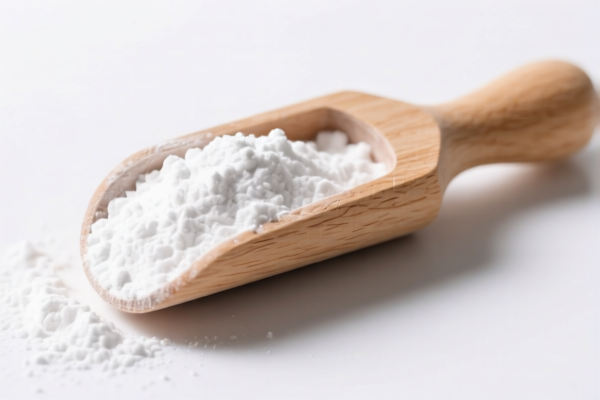
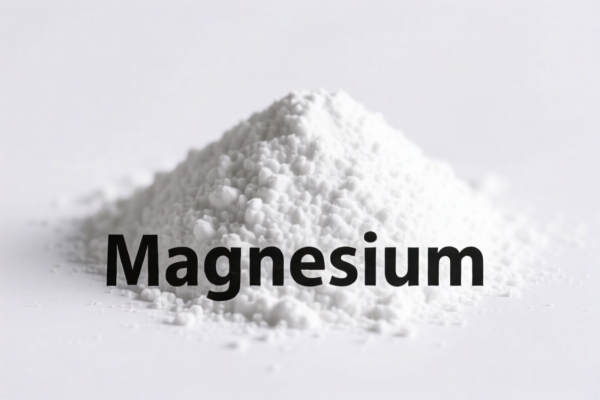

AI Analysis
🧪 Magnesium-Based Desulfurization Aid (Mg-Desulfurizer)
🌐 HS Code Classification & Customs Clearance Guide | 2026 Latest Tariff Analysis | Strategic Compliance Strategy
📌 I. Product Definition & Chemical Nature: What Exactly is "Magnesium-Based Desulfurizer"?
Magnesium-based desulfurizers are specialized chemical agents primarily used in metallurgy (steelmaking) and industrial wastewater treatment to remove sulfur (S) impurities. Chemically, they typically consist of magnesium salts, predominantly magnesium carbonate (MgCO₃) or magnesium oxide (MgO) derivatives.
In international trade, the classification depends heavily on the specific chemical composition and primary function. The debate often centers on whether the product is classified as: 1. Inorganic Chemicals (Carbonates, Oxides, Hydroxides) under Chapter 28. 2. Prepared Chemical Products (Miscellaneous) under Chapter 38, if it contains other additives or is specifically formulated for desulfurization.
⚠️ Key Distinction Point:
- If the product is pure magnesium carbonate or a simple mixture of magnesium salts without complex binding agents or exotic additives → Generally falls under Chapter 28.
- If the product is a complex mixture specifically engineered and marketed as a "desulfurizing agent" with a specific functional claim that overrides pure chemical definition → May fall under Chapter 38.
📦 II. HS Code Classification Details (2026 Latest Tariff Authority Comparison)
| HS Code | Product Description | Application Scenario | Tax Burden (Total) | Key Tax Details |
|---|---|---|---|---|
2836.99.40.00 |
Other Carbonates (Magnesium Carbonate based) | Pure MgCO₃ powders, simple magnesia calcined products | 35.5% | Base: 0.5% + 301 Tariff: 25% + Section 122: 10% |
2836.99.50.50 |
Other Carbonates (Specific Mg Salts) | Specific magnesium salt variants falling under "Other" | +10.0% (Total Add-on) | Base: 0% + 301 Tariff: 0% + Section 122: 10% |
2825.90.90.00 |
Other Inorganic Bases/Oxides | Magnesium Oxide (MgO), Hydroxides, Peroxides | 38.7% | Base: 3.7% + 301 Tariff: 25% + Section 122: 10% |
2825.10.00.00 |
Hydrazine & Hydroxylamine Salts (Misclassification Risk) | Incorrect classification for Mg products, but listed in data | 38.7% | Base: 3.7% + 301 Tariff: 25% + Section 122: 10% |
3824.99.93.86 |
Prepared Binders/Additives (Specifically for Desulfurization) | Commercial desulfurizer mixtures, containing Mg + binders/additives | 40.0% | Base: 5.0% + 301 Tariff: 25% + Section 122: 10% |
🔍 Critical Analysis of Data Consistency:
- HS 2836.99.40.00 and 2836.99.50.50 both claim to be "Magnesium Carbonate." However, their tax structures differ significantly.
-2836.99.40.00incurs a full 301 tariff (25%).
-2836.99.50.50shows 0% Base and 0% 301, but 10% Section 122. This suggests a potential specific exclusion or different duty rate eligibility for certain magnesium salts under this subheading.
- HS 2825.90.90.00 is for Oxides/Hydroxides. If your product is MgO (Calcined Magnesia), this is the correct chemical chapter, but it carries the standard 301 tariff.
- HS 3824.99.93.86 is the "Safe Harbor" for Functional Classification. If your product is a blend (e.g., Mg + CaO + Binder) and explicitly sold as a "Desulfurization Aid," customs may prefer this chapter under the principle of "specific use over generic composition." However, it has the highest base duty (5%).
💰 III. 2026 Latest Tariff Rate Breakdown (With Additional Taxes & Policies)
✅ Applicable Country: United States (US)
✅ Origin: China (CN)
✅ Effective Date: From 2025-11-10 (and onwards)
🎯 1. 2836.99.40.00 — Magnesium Carbonates (General)
| Item | Content |
|---|---|
| Base Duty Rate | 0.5% (ad valorem) |
| USITC 301 Tariff | +25.0% (Section 301) |
| Section 122 Tariff | +10.0% (Retaliatory/Other provisions) |
| Total Tax Rate | 35.5% |
| Tax Calculation | CIF Value × 35.5% |
| De Minimis Exemption | ❌ Not Eligible (Deny de minimis for Section 301/122 goods) |
| Legal Basis Path | HTSUS:2836.99.40.00 → USITC:Footnote 301 → Section 122 |
📌 Explanation:
- This classification applies to pure magnesium carbonate products.
- The 35.5% total rate is substantial.
- Risk: If the product is not pure carbonate but contains oxides, customs may challenge this classification.
🎯 2. 2836.99.50.50 — Other Magnesium Carbonates (Special Category)
| Item | Content |
|---|---|
| Base Duty Rate | 0% |
| USITC 301 Tariff | 0.0% (Exempt or Specific Exclusion) |
| Section 122 Tariff | +10.0% |
| Total Tax Rate | 10.0% (Add-on only, effectively 10% of CIF) |
| Tax Calculation | CIF Value × 10.0% |
| De Minimis Exemption | ⚠️ Check Specific Exclusion List |
| Legal Basis Path | HTSUS:2836.99.50.50 → Section 122 |
📌 Note:
- This is the most cost-effective classification if eligible.
- Crucial: This code often applies to specific magnesium compounds not covered by the main 301 list.
- Verification Required: Ensure your product's chemical composition exactly matches the description for this subheading. If it's a simple carbonate, this is ideal. If it's an oxide, do not use this code.
🎯 3. 2825.90.90.00 — Other Inorganic Bases/Oxides (MgO)
| Item | Content |
|---|---|
| Base Duty Rate | 3.7% |
| USITC 301 Tariff | +25.0% |
| Section 122 Tariff | +10.0% |
| Total Tax Rate | 38.7% |
| Tax Calculation | CIF Value × 38.7% |
| De Minimis Exemption | ❌ Not Eligible |
| Legal Basis Path | HTSUS:2825.90.90.00 → USITC:Footnote 301 → Section 122 |
📌 Explanation:
- Use this if your desulfurizer is primarily Magnesium Oxide (MgO).
- Higher than carbonate (2836) due to higher base duty.
🎯 4. 3824.99.93.86 — Prepared Desulfurization Agents (Composite)
| Item | Content |
|---|---|
| Base Duty Rate | 5.0% |
| USITC 301 Tariff | +25.0% |
| Section 122 Tariff | +10.0% |
| Total Tax Rate | 40.0% |
| Tax Calculation | CIF Value × 40.0% |
| De Minimis Exemption | ❌ Not Eligible |
| Legal Basis Path | HTSUS:3824.99.93.86 → USITC:Footnote 301 → Section 122 |
📌 Explanation:
- This is the "Functional Classification".
- Best for blends (e.g., MgCO₃ + CaCO₃ + Binders + Catalysts).
- Even though the rate is highest (40%), it avoids classification disputes if the product is clearly a "prepared aid" rather than a raw chemical.
🛠️ IV. Customs Clearance Practical Advice (Avoiding Pitfalls)
✅ 1. Document Preparation Checklist (Non-Negotiable)
| Document | Must Provide | Description |
|---|---|---|
| ✅ Product Specification Sheet | ✔️ | Must list exact chemical composition (e.g., "98% MgCO₃, 2% MgO"). |
| ✅ Certificate of Analysis (COA) | ✔️ | Lab-verified composition. Critical for distinguishing between Chapter 28 and 38. |
| ✅ Product Description in English | ✔️ | Use precise terms: "Magnesium Carbonate, Technical Grade" OR "Prepared Desulfurizing Agent, Mg-based". |
| ✅ Formula/Recipe | ✔️ | For 3824 classification, a simple formula showing it's a mixture helps justify Chapter 38. |
| ✅ Commercial Invoice | ✔️ | Must match HS code description. Do not use vague terms like "Chemical Powder." |
| ✅ Origin Certificate | ✔️ | To confirm Chinese origin for 301/122 tariff application. |
| ✅ Packing List | ✔️ | Show net/gross weight. |
✅ 2. Declaration Strategy (Key Tips)
🔥 "Pure Chemicals go to 28, Blends go to 38. Name it right, save money fast!"
| Scenario | Correct HS Code | Why? |
|---|---|---|
| Pure MgCO₃ Powder | 2836.99.40.00 or 2836.99.50.50 |
It is a specific inorganic salt. Check if 50.50 applies for lower duty. |
| Pure MgO (Calcined) | 2825.90.90.00 |
It is an inorganic base/oxide. |
| MgCO₃ + Binders + Additives | 3824.99.93.86 |
It is a "prepared" chemical mixture for a specific purpose (desulfurization). |
| Mg-based Slurry/Paste | 3824.99.93.86 |
Liquids/pastes with chemical agents often fall under Chapter 38. |
| Magnesium Metal | Do NOT use these codes | Mg metal is 8107. Desulfurizers are compounds, not metal. |
✅ 3. Special Handling for Section 122 & 301 Tariffs
| Issue | Action Item |
|---|---|
| Avoiding 301 Tariff | If using 2836.99.50.50, ensure the product is not excluded by any new exclusions. Verify if 50.50 is indeed exempt from 301. |
| Section 122 Risk | All codes listed incur 10% Section 122 tariff. This is a retaliatory tariff. No exemption is currently available for Chinese origin goods under this specific code set. |
| De Minimis (800 USD) | ❌ DO NOT USE de minimis for these HS codes. US Customs will assess 301 and 122 taxes even on small shipments. |
| Misclassification Risk | Misdeclaring a 3824 product as 2836 to save 4.5% can lead to penalties, seizures, and audits. |
🌍 V. Global Market Clearance Comparison (2026)
| Country/Region | Recommended HS Code | Est. Duty (China Origin) | Key Certification | Notes |
|---|---|---|---|---|
| 🇺🇸 USA | 2836.99.50.50 (If eligible) |
10% (Only Sec 122) | No special cert | Best rate if 50.50 applies. Else 35-40%. |
| 🇨🇳 China | 2836.99 |
5-8% | No special cert | Exporting from China, duty is paid by buyer. |
| 🇪🇺 EU | 2836.99 |
0% (MFN) | REACH Registration | REACH is mandatory for chemical imports. |
| 🇮🇳 India | 2836.99 |
7.5% - 10% | BIS Standards | Check anti-dumping duties on Mg compounds. |
| 🇧🇷 Brazil | 2836.99 |
12% - 14% | INMETRO | High complexity, high tax. |
📌 Conclusion:
- USA is the most complex due to Section 301 and 122.
- EU requires REACH registration, which is a significant barrier for new suppliers.
- China Origin goods face high tariffs in the US regardless of the HS code (unless2836.99.50.50is truly exempt from 301).
📌 VI. Common Mistakes & Pitfalls (Lessons Learned)
❌ Mistake 1: Declaring MgO as MgCO₃ (2836 instead of 2825) to try to match a lower base rate.
👉 Consequence: Customs lab test reveals high MgO content → Rejection + Penalty.
❌ Mistake 2: Using De Minimis (800 USD) for small samples.
👉 Consequence: Package held by CBP, assessed 35-40% duty + storage fees. Do not use De Minimis for Chinese chemical imports under these HS codes.
❌ Mistake 3: Vague Description: "Desulfurizer" on Invoice.
👉 Consequence: Customs cannot classify → Delay for 2-4 weeks for classification ruling.
❌ Mistake 4: Assuming Chapter 38 is always more expensive.
👉 Reality: If 2836.99.50.50 is truly exempt from 301 (0%), then 3824 (40%) is indeed worse. But if 2836.99.50.50 is not applicable, 2836.99.40 (35.5%) is better than 3824 (40%).
✅ Correct Practice:
"Magnesium Carbonate (MgCO₃) 98%, Technical Grade, for Steel Desulfurization. Net Weight: 25kg/bag."
🎯 VII. Conclusion: Strategic Customs Compliance
🎯 Remember This Mantra:
🔹 "Pure Carbonate? Check 2836.99.50.50 first (Lowest Duty!).
🔹 If Oxide? Go 2825.90.90.00.
🔹 If Mixture/Blend? Go 3824.99.93.86.
🔹 Always Pay the 10% Sec 122.
🔹 Never use De Minimis for Chinese Chemicals."🔹 "HS Code defines your risk. Tariff defines your cost. Compliance defines your speed."
📌 Pro Tip:
If you are importing into the US, consider applying for an Exclusion under Section 301 if your product is not produced domestically in sufficient quantity. However, Section 122 tariffs are often non-excludable. Always consult a licensed customs broker before shipping.
📣 Immediate Action Plan:
📞 Step 1: Analyze your COA. Is it Pure Carbonate, Oxide, or Blend?
📞 Step 2: Match to the HS Code table above.
📞 Step 3: Prepare accurate English descriptions.
📞 Step 4: Hire a US Customs Broker for Pre-Ruling if unsure.
🚀 Avoid 40%+ surprises. Clear goods smoothly.
✨ Precision Classification Saves Money.
💼 Your Chemical Supply Chain Needs Expert Guidance.
Customer Reviews
About HS Code Classification
The Harmonized System (HS) is an internationally standardized nomenclature developed by the World Customs Organization (WCO) to classify traded products. Over 200 countries use the HS system as the basis for customs tariffs, trade statistics, and import/export regulations.
Each HS code follows a hierarchical structure:
- Chapter (2 digits) — Broad category of goods (e.g., Chapter 84: Machinery and Mechanical Appliances)
- Heading (4 digits) — More specific grouping within the chapter
- Subheading (6 digits) — Internationally standardized breakdown, used by all WCO member countries
- National subdivisions (8-10 digits) — Country-specific extensions for further classification, such as US HTSUS 10-digit codes
Correct HS code classification is essential for smooth customs clearance, accurate duty payment, and compliance with trade regulations. Misclassification can lead to customs delays, overpayment of duties, or penalties.
When importing from CN to US, the applicable tariff rates may include:
- Most-Favored-Nation (MFN) rate — The standard duty rate applied to WTO members
- General rate — Applied to countries without trade agreements
- Trade remedy duties — Additional tariffs such as Section 301 (anti-dumping), Section 232 (national security), or countervailing duties
The information provided on this page is for reference purposes only. For official classification, please consult with your local customs authority or a licensed customs broker.