Magnetic Buckle Strap
CN → US| HS Code | Tariff Rate | Origin | Destination | Doc |
|---|---|---|---|---|
| 8308906000 | 13.9% | CN | US | Official Doc |
| 8308909000 | 37.7% | CN | US | Official Doc |
| 3926908500 | 24.0% | CN | US | Official Doc |
| 3926909989 | 22.8% | CN | US | Official Doc |
| 7326908688 | 87.9% | CN | US | Official Doc |
| 7326190080 | 87.9% | CN | US | Official Doc |
Product Images
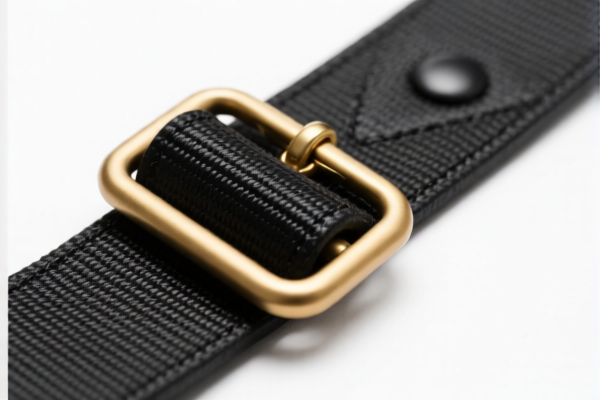
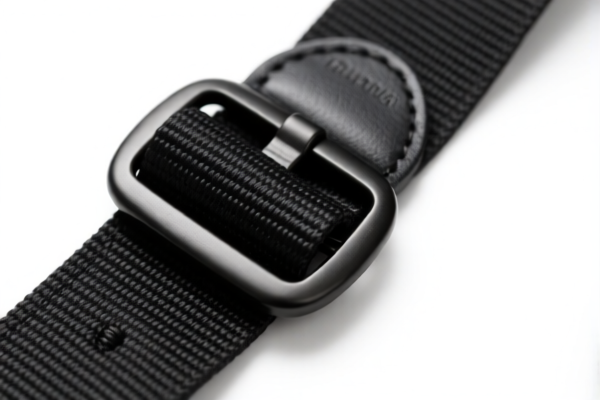
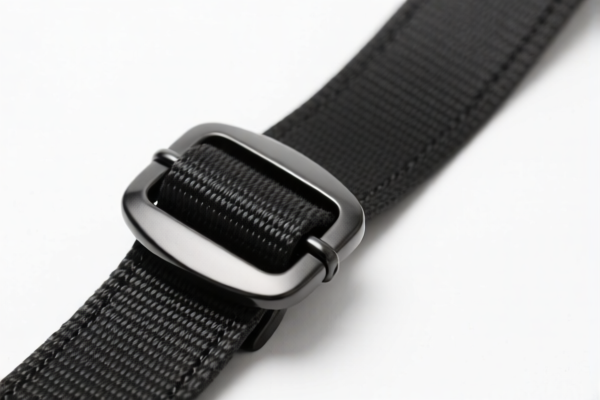
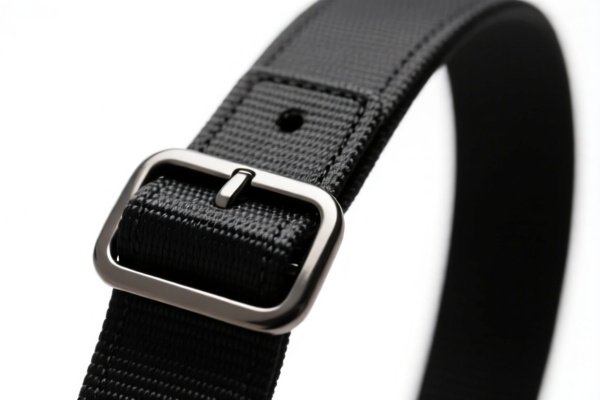
AI Analysis
🧲 Magnetic Buckle Strap: HS Code Classification & US Customs Clearance Guide (2026)
🌐 HS Code Reference & Customs Clearance Guide | 2026 Latest Tariff Analysis | Professional Strategy
📌 Part 1: Product Definition & Classification – Do You Know What a “Magnetic Buckle Strap” Is?
The Magnetic Buckle Strap is a closure mechanism used in various industries, including fashion (bags, shoes, belts), sports (watches, helmets), luggage, and industrial safety gear. It replaces traditional pin buckles with magnets for quick release and secure fastening.
In international trade, its classification depends on material composition and functional purpose:
- Base Metal Components: Most common. Includes buckles, clasps, hooks, eyelets made of zinc alloy, stainless steel, brass, etc.
- Plastic/Composite Components: Fasteners made of plastics (e.g., nylon, ABS) or other materials (headings 3901–3914).
- Iron/Steel Articles: If the strap is primarily structural iron/steel and not primarily a "clasp/clasp-frame" as defined in Chapter 83.
⚠️ Key Distinction:
- If it is a clasp, buckle, or frame with a clasp of base metal → Chapter 83 (e.g.,8308.90.60.00,8308.90.90.00)
- If it is a plastic fastener → Chapter 39 (e.g.,3926.90.85.00,3926.90.99.89)
- If it is a forged/stamped iron/steel article not primarily a clasp → Chapter 73 (e.g.,7326.19.00.80,7326.90.86.88)
📦 Part 2: HS Code Classification Details (2026 Latest Tariff Authority Comparison)
| HS Code | Product Description | Applicable Scenario | Material Type |
|---|---|---|---|
8308.90.60.00 |
Buckles and buckle clasps, and parts thereof | Base metal buckles (zinc, steel, brass) for bags, shoes, belts, luggage | Base Metal |
8308.90.90.00 |
Other clasps, frames with clasps, hooks, eyes, etc. | Other base metal closures (not specifically buckles) | Base Metal |
7326.19.00.80 |
Other articles of iron or steel: Forged or stamped, but not further worked | Structural iron/steel parts, stamps, non-clasp items | Iron/Steel |
7326.90.86.88 |
Other articles of iron or steel: Other | Other iron/steel articles not specified elsewhere | Iron/Steel |
3926.90.85.00 |
Fasteners, in clips suitable for use in a mechanical attaching device | Plastic fasteners, clips, buckles | Plastic |
3926.90.99.89 |
Other articles of plastics: Other | Other plastic accessories (not mechanical clips) | Plastic |
🔍 Important Note:
- Base metal buckles (most common for magnetic closures) go to Chapter 83.
- Plastic magnetic buckles go to Chapter 39.
- Iron/Steel articles that are not primarily clasps/buckles go to Chapter 73.
💰 Part 3: 2026 Latest Tariff Rate Breakdown (Including Surtaxes & Policy Surcharges)
✅ Applicable Country: United States (US)
✅ Origin: China (CN)
✅ Effective Date: November 10, 2025 (and onwards)
🎯 1. 8308.90.60.00 & 8308.90.90.00 — Base Metal Buckles & Clasps
| Item | Content |
|---|---|
| Base Tariff | 0.0% |
| Surtax | 0.0% |
| Total Tariff | 0.0% |
| Tax Calculation | CIF Value × 0.0% = $0 |
| De Minimis Eligibility | ❌ Not Applicable (0% rate means no surcharge, but still subject to standard customs procedures) |
| Legal Basis | HTSUS 8308.90 |
📌 Explanation:
- Base metal buckles and clasps have 0% base tariff and 0% surtax under current US trade policy.
- This makes them tariff-free for Chinese imports, a significant advantage.
🎯 2. 7326.19.00.80 & 7326.90.86.88 — Iron/Steel Articles
| Item | Content |
|---|---|
| Base Tariff | 2.9% |
| Surtax | 25.0% (Section 301) + 50% (Steel/Aluminum/Copper Surtax) |
| Total Tariff | 77.9% |
| Tax Calculation | CIF Value × 77.9% |
| De Minimis Eligibility | ❌ Not Eligible (High tariff applies) |
| Legal Basis | HTSUS 7326 + Section 301 Footnotes |
📌 Explanation:
- If classified under Chapter 73 (iron/steel articles not primarily clasps), the tariff is extremely high (77.9%).
- Critical Mistake: Misclassifying a magnetic buckle as a generic "steel article" instead of a "buckle/clasp" leads to 77.9% vs. 0%.
- Always ensure the product is described as a clasp, buckle, or frame with clasp.
🎯 3. 3926.90.85.00 & 3926.90.99.89 — Plastic Fasteners/Articles
| Item | Content |
|---|---|
| Base Tariff | 6.5% (3926.90.85.00) / 5.3% (3926.90.99.89) |
| Surtax | 7.5% (Section 301) |
| Total Tariff | 14.0% (3926.90.85.00) / 12.8% (3926.90.99.89) |
| Tax Calculation | CIF Value × 14.0% or 12.8% |
| De Minimis Eligibility | ❌ Not Eligible |
| Legal Basis | HTSUS 3926 + Section 301 |
📌 Explanation:
- Plastic buckles/fasteners face moderate tariffs (12.8%–14.0%).
- No steel/aluminum surtax applies since they are not ferrous metals.
🛠️ Part 4: Customs Clearance Practical Advice (Evading Pitfalls)
✅ 1. Required Documentation Checklist
| Document | Required | Notes |
|---|---|---|
| ✅ Product Specification Sheet | ✔️ | Must specify material (metal, plastic, steel), function (clasp, buckle), and dimensions |
| ✅ Product Photos | ✔️ | Clear images showing magnetic component, metal/plastic housing, and clasp mechanism |
| ✅ Commercial Invoice | ✔️ | Describe as “Magnetic Buckle, Base Metal” or “Plastic Fastener” — Do NOT write “Steel Strap” |
| ✅ Packing List | ✔️ | Include quantity, weight, and HS Code |
| ✅ Material Test Report | ✔️ | Optional but recommended to prove base metal vs. steel |
| ✅ Certificate of Origin (CO) | ✔️ | For potential FTAs (if applicable) |
✅ 2. Declaration Tips (Key Mantra)
🔥 “Material Defines Chapter, Function Defines HS, Base Metal Buckles = 0%!”
| Scenario | Correct Declaration | Wrong Declaration |
|---|---|---|
| Base Metal Magnetic Buckle | 8308.90.60.00 — “Buckle, Base Metal” |
“Steel Strap” → 7326.90.86.88 → 77.9% |
| Plastic Magnetic Clasp | 3926.90.85.00 — “Plastic Fastener” |
“Plastic Buckle” → 3926.90.99.89 → 12.8% |
| Iron/Steel Structural Part | 7326.19.00.80 — “Forged Steel Article” |
“Buckle” → 8308.90.60.00 → 0% (if misdeclared as buckle when it’s not) |
📌 Warning:
- Do NOT describe metal buckles as “steel straps” or “iron articles.”
- Do NOT use vague terms like “accessories” without specifying material and function.
✅ 3. Special Cases
| Scenario | Handling Advice |
|---|---|
| Mixed Material Buckle (Metal + Plastic) | Classify based on principal material. If metal housing >50%, use 8308.90.60.00. |
| Magnetic Clip for Luggage | If it’s a clasp/frame with clasp → 8308.90.90.00 (0%). |
| Magnetic Clasp for Watches | Still 8308.90.60.00 if base metal. |
| Plastic Magnetic Clasp | 3926.90.85.00 (14.0%). |
🌍 Part 5: Global Market Comparison (2026)
| Country/Region | Recommended HS Code | Tariff (China Origin) | Notes |
|---|---|---|---|
| 🇺🇸 United States | 8308.90.60.00 |
0.0% | Best option for base metal buckles |
| 🇨🇳 China | 8308.90.60.00 |
0.0% | Same as US for base metal |
| 🇪🇺 EU | 8308.90.60.00 |
0.0% | No Section 301 surtax |
| 🇬🇧 UK | 8308.90.60.00 |
0.0% | Post-Brexit, no US surtax |
| 🇯🇵 Japan | 8308.90.60.00 |
0.0% | Low tariff for base metal |
📌 Conclusion:
- Base metal buckles (8308.90.60.00) enjoy 0% tariff globally, including in the US.
- Misclassification to Chapter 73 (iron/steel articles) results in 77.9% in the US.
- Plastic buckles face 12.8%–14.0% in the US but lower in other regions.
📌 Part 6: Common Errors & Pitfalls (Lessons Learned)
❌ Error 1: Declaring “Magnetic Buckle” as “Steel Strap”
👉 Result: 77.9% tariff → Cost increases by 77.9%!
❌ Error 2: Using vague terms like “Metal Accessory”
👉 Result: Customs may classify as 7326.90.86.88 (77.9%) or 8308.90.90.00 (0%) — inconsistent rulings.
❌ Error 3: Ignoring Material Composition
👉 Result: Plastic buckles declared as metal → 14.0% vs. 0% — Overpayment!
✅ Correct Practice:
“Magnetic Buckle, Base Metal (Zinc Alloy), for Bags, Model XYZ” →
8308.90.60.00(0%)
🎯 Part 7: Conclusion — Professional Declaration, Save Costs, Ensure Smooth Clearance
🎯 Remember the Mantra:
🔹 “Base Metal Buckle = 0%”
🔹 “Steel Article = 77.9%”
🔹 “Plastic Fastener = 14%”
🔹 “Declare Material + Function Precisely”
📌 Pro Tip:
- Always provide photos and specifications to customs brokers.
- Apply for Advance Rulings if unsure about classification.
- For high-volume imports, consider FTAs or transshipment (though US surtaxes are broad).
📣 Immediate Action:
📞 Consult a licensed customs broker + Provide Product Photos + Verify HS Code
🚀 Ensure 0% Tariff for Base Metal Buckles, Avoid 77.9% Pitfalls!
✨ Professional Clearance Starts with Accurate Classification!
💼 Every Dollar Saved is a Dollar Earned!
Customer Reviews
About HS Code Classification
The Harmonized System (HS) is an internationally standardized nomenclature developed by the World Customs Organization (WCO) to classify traded products. Over 200 countries use the HS system as the basis for customs tariffs, trade statistics, and import/export regulations.
Each HS code follows a hierarchical structure:
- Chapter (2 digits) — Broad category of goods (e.g., Chapter 84: Machinery and Mechanical Appliances)
- Heading (4 digits) — More specific grouping within the chapter
- Subheading (6 digits) — Internationally standardized breakdown, used by all WCO member countries
- National subdivisions (8-10 digits) — Country-specific extensions for further classification, such as US HTSUS 10-digit codes
Correct HS code classification is essential for smooth customs clearance, accurate duty payment, and compliance with trade regulations. Misclassification can lead to customs delays, overpayment of duties, or penalties.
When importing from CN to US, the applicable tariff rates may include:
- Most-Favored-Nation (MFN) rate — The standard duty rate applied to WTO members
- General rate — Applied to countries without trade agreements
- Trade remedy duties — Additional tariffs such as Section 301 (anti-dumping), Section 232 (national security), or countervailing duties
The information provided on this page is for reference purposes only. For official classification, please consult with your local customs authority or a licensed customs broker.