Magnetic Charging Cable
CN → US| HS Code | Tariff Rate | Origin | Destination | Doc |
|---|---|---|---|---|
| 8544429010 | 87.6% | CN | US | Official Doc |
| 8544422000 | 85.0% | CN | US | Official Doc |
Product Images
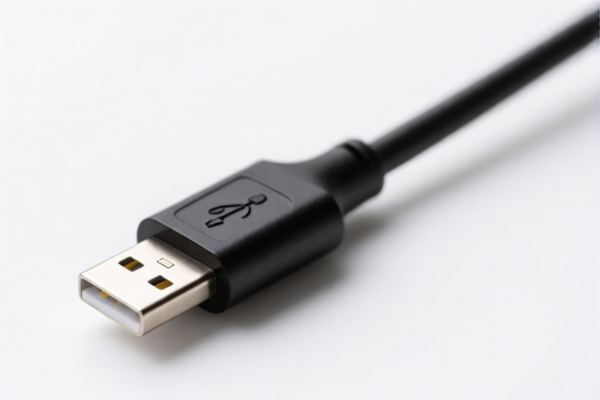
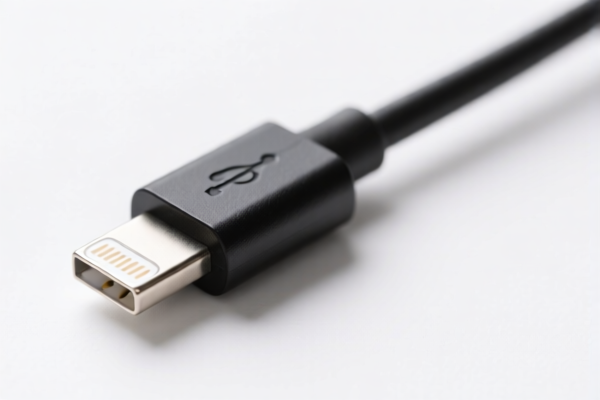
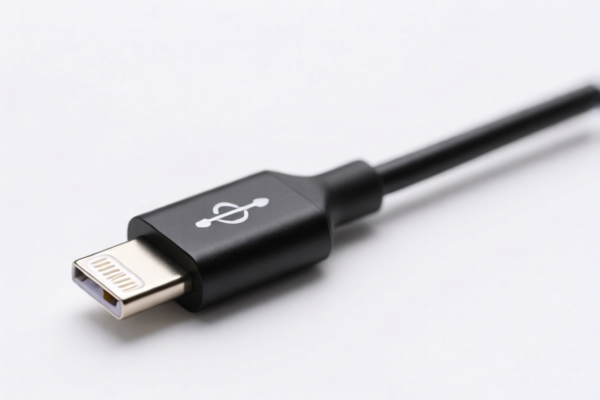
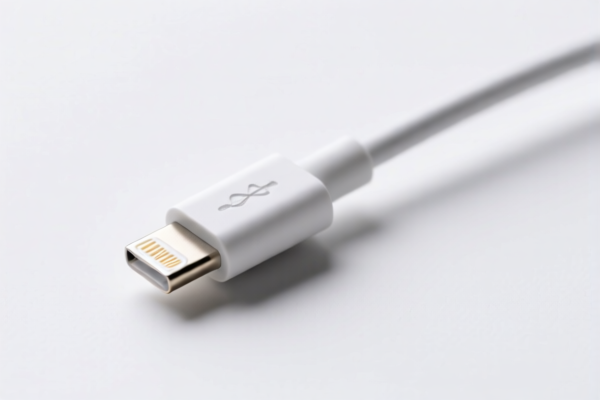
AI Analysis
🔌 Magnetic Charging Cable (Insulated Electric Conductors)
🌐 HS Code Reference & Customs Clearance Guide | 2026 Latest Tariff Analysis | Professional Compliance Strategy
📌 I. Product Definition & Classification: Do You Really Know "Magnetic Charging Cables"?
A magnetic charging cable is a type of insulated electric conductor equipped with connectors, designed to facilitate easy connection for charging electronic devices. In international trade, these are classified under Chapter 85 (Electrical machinery and equipment and parts thereof), specifically focusing on insulated wires, cables, and other insulated electric conductors.
Key Distinctions: * Voltage Limit: The classification depends heavily on the voltage. For consumer electronics (phones, tablets, laptops), the voltage is typically ≤ 1,000 V. * Connectors: These cables are almost always "fitted with connectors." * End Use: The final destination of the current determines the specific sub-heading: * Telecommunications: Used for data transmission, network connections, or specific telecom hardware. * Other Electric Conductors: General power delivery, including extension cords or standard charging cables that do not fall strictly under telecommunications definitions.
⚠️ Critical Classification Point:
- If the cable is explicitly designed for telecommunications (e.g., serial data links, specific telecom interface cables) → 8544.42.20.00
- If the cable is for general power/charging (e.g., USB charging, extension cords, non-telecom data) → 8544.42.90.10 (specifically defined as "Other Extension cords" per statistical note) or general "Other" under 8544.42.90.90 depending on specific fit. Note: The provided data specifies 8544.42.90.10 for "Other Extension cords" and general "Other" conductors ≤1000V.
📦 II. HS Code Classification Details (2026 Latest Tariff Authority Comparison)
Based on the provided data, there are two primary HS Codes for insulated electric conductors ≤1,000 V fitted with connectors:
| HS Code | Product Description | Applicable Scenario | Voltage Limit | Connected to Telecom? |
|---|---|---|---|---|
8544.42.90.10 |
Other electric conductors, for a voltage not exceeding 1,000 V; Fitted with connectors; Other; Extension cords as defined in statistical note 6 | General power charging cables, USB cables, extension cords for consumer electronics | ≤ 1,000 V | ❌ No |
8544.42.20.00 |
Other electric conductors, for a voltage not exceeding 1,000 V; Fitted with connectors; Other; Of a kind used for telecommunications | Data cables, serial cables, specific telecom interface cables | ≤ 1,000 V | ✅ Yes |
🔍 Key Reminder:
- Magnetic Charging Cables for mobile devices (phones/tablets) are generally considered power delivery or general use unless they are specifically part of a telecom infrastructure. Therefore, 8544.42.90.10 is the most common classification for general magnetic charging cables, unless they are explicitly marketed and used for telecommunications equipment, in which case 8544.42.20.00 applies. - Voltage is Critical: If the cable operates above 1,000 V, it falls under different headings (not covered in the provided data). Most consumer magnetic cables are low voltage (5V/9V/20V DC), so they fit here.
💰 III. 2026 Latest Tariff Rate Details (Including Additional Taxes & Policy Add-ons)
✅ Applicable Country: United States (US)
✅ Origin: China (CN)
✅ Effective Date: As per 2026 tariff rules (including Section 301 and IEEPA measures)
🎯 1. 8544.42.90.10 – Other Electric Conductors (Including General Charging Cables)
| Item | Content |
|---|---|
| Base Tariff | 0.0% |
| Additional Tariff (Section 301) | +0.0% (Note: Data shows 0% for "Additional Tariff" in this specific entry, but see Steel/Aluminum/Copper note) |
| Steel, Aluminum, Copper Products Surtax | +50% |
| Total Tariff Rate | 50.0% |
| Tax Calculation | CIF Value × 50% |
| Legal Basis | Based on provided data: "基础关税: 0.0%, 加征关税: 0.0%钢,铝铜制品加征关税: 50%" |
📌 Explanation:
- Although the base and standard "additional" tariffs are listed as 0.0%, the 50% surtax applies specifically to products classified as Steel, Aluminum, or Copper products. - Crucial Check: Magnetic charging cables contain copper conductors. If Customs determines this product falls under the "Steel, Aluminum, Copper Products" surtax category (which is common for copper-containing electrical goods), the rate jumps to 50%. - This is a high tariff scenario for copper-based electrical accessories from China.
🎯 2. 8544.42.20.00 – Electric Conductors of a Kind Used for Telecommunications
| Item | Content |
|---|---|
| Base Tariff | 0.0% |
| Additional Tariff (Section 301) | +25.0% |
| Steel, Aluminum, Copper Products Surtax | +50% |
| Total Tariff Rate | 75.0% |
| Tax Calculation | CIF Value × 75% |
| Legal Basis | Based on provided data: "基础关税: 0.0%, 加征关税: 25.0%钢,铝铜制品加征关税: 50%" |
📌 Explanation:
- If your magnetic cable is classified as Telecommunications equipment (e.g., used for data transmission in telecom networks), it incurs an additional 25% tariff on top of the base. - Plus, the 50% Copper Surtax also applies. - Total: 75%. This is the highest possible tariff in the provided dataset. - Warning: Misclassifying a general charging cable as "Telecommunications" will result in a massive overpayment or, if challenged, a penalty for misclassification. Conversely, misclassifying a telecom cable as "Other" will lead to penalties for underpayment.
🛠️ IV. Customs Clearance Practical Advice (Combat Pitfalls Guide)
✅ 1. Document Preparation Checklist (Non-negotiable)
| Document | Required? | Notes |
|---|---|---|
| Product Specification Sheet | ✅ Yes | Must clearly state: Voltage (≤1000V), Current, Connector Type (Magnetic), Length. |
| Circuit Diagram/Structure | ✅ Yes | To prove it is an insulated conductor and not a complex electronic device (which might go to Chapter 85 but different heading). |
| Commercial Invoice | ✅ Yes | Description must be precise: "Magnetic USB Charging Cable, Copper Conductor, Insulated, Fitted with Connectors, Voltage ≤1000V." |
| Origin Certificate | ✅ Yes | To confirm Country of Origin (China) for surtax calculation. |
| HS Code Pre-ruling Request | ✅ Highly Recommended | Given the high risk of misclassification between "Telecom" vs. "Other" and the 50% copper surtax, a pre-ruling is wise. |
| FCC Certification | ✅ Yes | For US market entry, electronic accessories often require FCC ID or compliance statement. |
✅ 2. Declaration Tips (Key Mantra)
🔥 "Specify Use, Declare Voltage, Declare Material, Avoid Misclassification!"
| Scenario | Correct Declaration | Incorrect Practice |
|---|---|---|
| General Phone Charging Cable | HS: 8544.42.90.10 Description: "Insulated copper wire, magnetic charging cable, ≤1000V, fitted with connectors, for general power use." |
Classifying as Telecom → 75% Tax |
| Telecom Data Cable | HS: 8544.42.20.00 Description: "Insulated wire, magnetic connector, ≤1000V, of a kind used for telecommunications." |
Classifying as "Other" → 50% Tax (underpayment risk) |
| High Voltage Cable (>1000V) | Not Covered in Data | Attempting to classify as ≤1000V → Severe Penalty |
| Copper Content Declaration | Explicitly mention "Copper Conductor" to ensure accurate application of the 50% surtax. | Hiding material content → Risk of audit and fines |
✅ 3. Special Handling Cases
| Situation | Recommendation |
|---|---|
| Magnetic Cable with Data Transfer | If the primary purpose is data, consider 8544.42.20.00 (Telecom/Data). If primary purpose is power charging, use 8544.42.90.10 (Other/Extension). |
| Copper Surtax Dispute | If you believe the cable does not qualify as a "Steel, Aluminum, Copper Product" under the specific statutory definition, provide technical proof of material composition. However, for copper wires, this is difficult to avoid. |
| De Minimis Exemption | ❌ NOT APPLICABLE. With 50-75% tariffs, the value is too high, and these goods are likely excluded from de minimis (Section 321) benefits. |
| OEM/White Label | Ensure the description matches the actual function. If OEM is for a telecom client, use Telecom HS Code. |
🌍 V. Global Market Comparison (2026 Latest)
| Country/Region | Recommended HS Code | Tariff Rate | Certification | Notes |
|---|---|---|---|---|
| 🇺🇸 USA | 8544.42.90.10 (General) |
50% (Copper Surtax) | FCC, RoHS | High cost due to surtax |
| 🇺🇸 USA | 8544.42.20.00 (Telecom) |
75% (25% + 50%) | FCC | Avoid unless strictly telecom |
| 🇨🇳 China | 8544.42.90.10 |
~0-6% (Import Duty) | CCC | Low import duty, no US surtax |
| 🇪🇺 EU | 8544.42.90 |
~0% (Most FTA partners) | CE, RoHS, REACH | No high surtax like US |
| 🇬🇧 UK | 8544.42.90 |
~0-5% | UKCA | Post-Brexit rules apply |
📌 Conclusion:
- The US market is the most challenging due to the 50% Copper Surtax and potential 25% Section 301 Tariff (if classified as Telecom).
- Tariff Engineering: Consider if the product can be classified differently (e.g., as a part of a device rather than a standalone cable) to avoid the 50% surtax, but this requires careful legal assessment.
- For Non-US Markets: Tariffs are significantly lower, making Asia/EU more competitive for Chinese magnetic cables.
📌 VI. Common Mistakes & Pitfalls Guide (Blood-Teach Lessons)
❌ Mistake 1: Calling it "Telecommunications Cable" when it's for Phone Charging
👉 Consequence: You pay 75% instead of 50%. Unnecessary loss of profit.
❌ Mistake 2: Calling it "Other Electric Conductor" when it's for Telecom Data Links
👉 Consequence: Underpayment of tariff. Penalties, back-taxes, and potential seizure.
❌ Mistake 3: Ignoring the 50% Copper Surtax
👉 Consequence: Budgeting errors. If you planned for 0-5% tariff, a 50% surprise can destroy margins.
❌ Mistake 4: Incorrect Voltage Declaration
👉 Consequence: If voltage is >1000V, the HS Code is completely wrong, leading to complete reclassification and fines.
✅ Correct Practice:
"Magnetic Charging Cable, Insulated Copper Conductor, Fitted with Connectors, Voltage 5V-20V DC (≤1000V), For General Electronic Device Charging, Model XYZ."
🎯 VII. Conclusion: Professional Declaration, Save Time and Money!
🎯 Remember the Mantra:
🔹 "General Use: 50% (Copper Surtax). Telecom Use: 75% (25% + 50%)."
🔹 "HS Code Determines Life or Death of Profit Margins."
🔹 "Declare Voltage, Material, and Purpose Clearly."
📌 Pro Tip:
If your magnetic charging cables are manufactured in Vietnam, Mexico, or Thailand, you may be able to avoid the China-specific surtaxes.
Recommend Advance Ruling (Pre-classification) with US Customs (CBP) if the volume is high, to confirm the exact applicability of the 50% Copper Surtax and the correct HS Code.
📣 Immediate Action:
📞 Consult with a licensed customs broker.
📄 Provide technical datasheets to confirm voltage and material.
🚀 Ensure your commercial invoice accurately reflects the product's primary function (Power vs. Telecom) to avoid audit risks.
✨ Professional Customs Clearance Starts with Accurate Classification!
💼 Every Percent of Tariff Saved is Pure Profit!
Customer Reviews
About HS Code Classification
The Harmonized System (HS) is an internationally standardized nomenclature developed by the World Customs Organization (WCO) to classify traded products. Over 200 countries use the HS system as the basis for customs tariffs, trade statistics, and import/export regulations.
Each HS code follows a hierarchical structure:
- Chapter (2 digits) — Broad category of goods (e.g., Chapter 84: Machinery and Mechanical Appliances)
- Heading (4 digits) — More specific grouping within the chapter
- Subheading (6 digits) — Internationally standardized breakdown, used by all WCO member countries
- National subdivisions (8-10 digits) — Country-specific extensions for further classification, such as US HTSUS 10-digit codes
Correct HS code classification is essential for smooth customs clearance, accurate duty payment, and compliance with trade regulations. Misclassification can lead to customs delays, overpayment of duties, or penalties.
When importing from CN to US, the applicable tariff rates may include:
- Most-Favored-Nation (MFN) rate — The standard duty rate applied to WTO members
- General rate — Applied to countries without trade agreements
- Trade remedy duties — Additional tariffs such as Section 301 (anti-dumping), Section 232 (national security), or countervailing duties
The information provided on this page is for reference purposes only. For official classification, please consult with your local customs authority or a licensed customs broker.