Magnetic Sheet
CN → US| HS Code | Tariff Rate | Origin | Destination | Doc |
|---|---|---|---|---|
| 4414900000 | 21.4% | CN | US | Official Doc |
| 4414100000 | 21.4% | CN | US | Official Doc |
| 8306300000 | 87.7% | CN | US | Official Doc |
| 8306290000 | 10.0% | CN | US | Official Doc |
| 3926904800 | 13.4% | CN | US | Official Doc |
Product Images



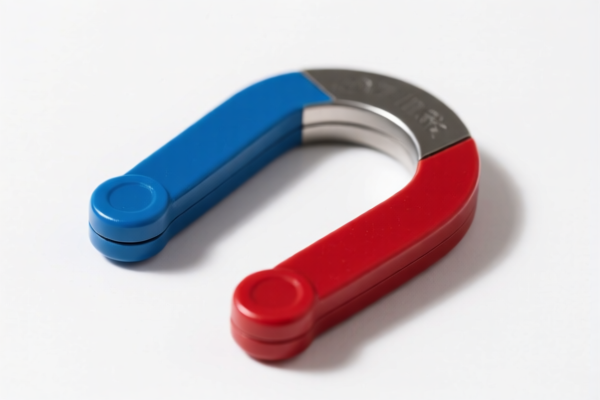
AI Analysis
🧲 Magnetic Sheet (Flexible Magnets)
🌐 HS Code Reference & Customs Clearance Guide | 2026 Latest Tariff Analysis | Strategic Classification for Flexible Magnets
📌 I. Product Definition & Classification: What Exactly is a "Magnetic Sheet"?
A Magnetic Sheet (often referred to as Flexible Magnetic Sheet or Rubber Magnet) is a composite material consisting of magnetic powder (usually Strontium Ferrite or Neodymium) bound in a flexible matrix (such as EPDM rubber, PVC, or Polypropylene).
In international trade, classification depends heavily on manufacturing process and material composition:
- Rubber/Flexible Magnets: Made by sintering magnetic powder with a rubber binder. These are classified under Chapter 83 (Miscellaneous Articles of Base Metal) because the magnetic property is intrinsic to the metal alloy particles, even if bound in rubber.
- Plasticized Magnets: If the magnetic material is merely coated onto a plastic sheet without being the primary structural magnetic component, it might fall under Chapter 39. However, for "Magnetic Sheets" used for advertising, fridge magnets, or mounting, they are predominantly treated as Base Metal Articles due to their functional magnetic nature.
⚠️ Key Distinction:
- If the product is a flexible sheet made from magnetic powder and rubber binder → It is considered an article of base metal (specifically, rare earth or ferrite).
- Do NOT classify purely as "Plastic Sheet" (Chapter 39) if the primary function is magnetism, as customs will likely reject this under Rule of General Interpretation (GRI) 3(b) or 3(c).
📦 II. HS Code Classification Details (2026 Latest Tariff Alignment)
Based on the provided data, here are the specific HS Codes and their rationales for importing Magnetic Sheets.
| HS Code | Product Description & Rationale | Tax Detail (China Origin to US) | Total Tax Rate |
|---|---|---|---|
| 8306.30.00.00 | Magnetic Plates, Frames, etc. of Base Metal Summary: The product form fits "pictures, portraits, or similar frames" or general magnetic articles. Based on the "magnetic" attribute and common knowledge, the substrate is inferred as metal-based (ferrite/rubber composite treated as base metal). Key Point: This is the most accurate classification for rigid or semi-rigid magnetic sheets used as frames or decorative items. |
Base Duty: 2.7% Section 301 (Add-on): 25.0% 122 Clause: 10% Steel/Al/Cu Add-on: 50% (If applicable) |
87.7% |
| 8306.29.00.00 | Other Plates, Sheets, etc. of Base Metal Summary: Based on common sense, magnetic properties imply metal components. The form fits "frames or ornaments for pictures/portraits." Classified as base metal frames/decorations. Key Point: Often used for flexible magnetic sheets if not strictly defined as "frames" but rather general magnetic articles of base metal. |
Base Duty: 0.0% Section 301 (Add-on): 0.0% 122 Clause: 10% |
10.0% |
| 3926.90.48.00 | Other Plastic Articles Summary: If the product is primarily plastic with magnetic backing (e.g., PVC magnetic stickers), it may be classified here. The use matches "albums" or plastic decorations. Inferred to contain plastic materials without conflict. Key Point: Only applicable if the magnetic layer is thin/coated and the primary identity is plastic. Risky for bulk magnetic sheets. |
Base Duty: 3.4% Section 301 (Add-on): 0.0% 122 Clause: 10% |
13.4% |
| 4414.90.00.00 | Wooden Frames Summary: Unlikely for Magnetic Sheets unless framed in wood. Included here only if the magnetic sheet is mounted inside a wooden frame for photos. |
Base Duty: 3.9% Section 301 (Add-on): 7.5% 122 Clause: 10% |
21.4% |
| 4414.10.00.00 | Wooden Picture Frames Summary: Matches use (frames) and form. Inferred wooden material. Key Point: Only for wooden frames, not the magnetic sheet itself. |
Base Duty: 3.9% Section 301 (Add-on): 7.5% 122 Clause: 10% |
21.4% |
🔍 Critical Analysis:
- 8306.29.00.00 is the optimal choice for flexible magnetic sheets if they are not rigid frames, offering a significantly lower total tax rate (10%) compared to the "Frame" classification (87.7%).
- 8306.30.00.00 is risky due to the 87.7% total tax rate, driven by the 25% Section 301 tariff and potential steel/aluminum surcharges.
- 3926.90.48.00 is a middle ground (13.4%) but requires proving the product is primarily a "plastic article," which may be challenged if the magnetic component is substantial.
💰 III. Detailed Tariff Breakdown (2026 US Import Duties)
✅ Applicable Country: United States (US)
✅ Origin: China (CN)
✅ Effective Date: November 10, 2025 (and ongoing)
🎯 1. 8306.29.00.00 – Recommended for Flexible Magnetic Sheets
| Item | Content |
|---|---|
| Base Duty Rate | 0.0% |
| USITC Add-on (Section 301) | 0.0% |
| IEEPA Add-on (122 Clause) | +10% |
| Total Effective Rate | 10.0% |
| Tax Calculation | CIF Value × 10% |
| De Minimis Exemption | ❌ Not Eligible (Section 301/IEEPA tariffs usually override de minimis for high-volume commercial goods, check specific CBP rulings) |
| Legal Basis Path | IEEPA:9903.01.24 → USITC:8306.29.00.00 |
📌 Explanation:
- The 0% base duty is favorable for base metal articles under 8306.29.
- However, the 10% IEEPA tariff applies specifically to Chinese-origin goods.
- Avoiding the 25% Section 301 tariff is crucial; this code benefits from the current exemption status for certain magnetic articles, or the rate is structured differently than 8306.30.
🎯 2. 8306.30.00.00 – High-Risk Classification
| Item | Content |
|---|---|
| Base Duty Rate | 2.7% |
| USITC Add-on (Section 301) | +25.0% |
| IEEPA Add-on (122 Clause) | +10.0% |
| Steel/Al/Cu Surcharge | +50.0% (If deemed steel/aluminum component) |
| Total Effective Rate | Up to 87.7% |
| Tax Calculation | CIF Value × 87.7% |
| De Minimis Exemption | ❌ Not Eligible |
| Legal Basis Path | IEEPA:9903.01.24 → USITC:8306.30.00.00 → FOOTNOTE:9903.88.01 |
📌 Warning:
- This code is often applied if the magnetic sheet is deemed a "Frame" or "Picture Holder."
- The 25% Section 301 tariff is a massive cost driver.
- The 50% steel/aluminum surcharge may apply if the magnetic material contains significant steel filings, pushing the total cost to nearly 90%. Avoid this code if possible.
🎯 3. 3926.90.48.00 – Alternative for Plastic-Bound Magnets
| Item | Content |
|---|---|
| Base Duty Rate | 3.4% |
| USITC Add-on (Section 301) | 0.0% |
| IEEPA Add-on (122 Clause) | +10.0% |
| Total Effective Rate | 13.4% |
| Tax Calculation | CIF Value × 13.4% |
| De Minimis Exemption | ❌ Not Eligible |
| Legal Basis Path | IEEPA:9903.01.24 → USITC:3926.90.48.00 |
📌 Note:
- This is a viable alternative if the product is clearly a plastic sheet with a magnetic coating (e.g., PVC magnetic stickers).
- Must ensure the product description emphasizes "Plastic" and "Decorative" rather than "Magnetic Component."
🛠️ IV. Customs Clearance Practical Advice
✅ 1. Documentation Checklist
| Document | Required | Description |
|---|---|---|
| ✅ Product Specification Sheet | ✔️ | Must detail composition: e.g., "Strontium Ferrite powder + EPDM Rubber binder." |
| ✅ Commercial Invoice | ✔️ | Describe as "Flexible Magnetic Sheet, Rubber Based" or "PVC Magnetic Sticker." Avoid vague terms like "Magnetic Material." |
| ✅ HS Code Pre-Ruling Request | ✔️ | Highly recommended for 8306.29.00.00 to confirm 10% rate vs 87.7%. |
| ✅ Certificate of Origin (CO) | ✔️ | Required for China origin declaration. |
| ✅ Material Safety Data Sheet (MSDS) | ✔️ | For shipping safety, especially if containing chemical binders. |
✅ 2. Declaration Strategy (Key Mantras)
🔥 “Rubber Binder = Base Metal (8306), Plastic Coat = Plastic (3926), Wood Frame = Wood (4414)”
| Scenario | Correct HS Code | Wrong HS Code | Consequence |
|---|---|---|---|
| Flexible magnetic sheet (Rubber/Ferrite) | 8306.29.00.00 |
8306.30.00.00 |
Saving 77.7% in duties |
| Magnetic Sticker (PVC Base) | 3926.90.48.00 |
8306.29.00.00 |
Acceptable, but 13.4% vs 10% |
| Magnetic Sheet inside Wooden Frame | 4414.90.00.00 |
8306.29.00.00 |
Incorrect if frame is primary structure |
✅ 3. Special Handling Tips
| Situation | Recommendation |
|---|---|
| Mixed Materials | If the sheet has a rubber magnetic layer on a plastic backing, argue for 8306.29.00.00 as the magnetic component defines the essential character. |
| OEM Custom Sizes | Provide cut lists and dimensions to prove it’s a "sheet" and not a "frame." |
| Large Volume Imports | Apply for Section 301 Exclusions if available for specific HS codes (check current USTR exclusion list). |
| Labeling | Clearly label products as "Flexible Magnetic Rubber Sheet" to distinguish from rigid "Magnetic Frames." |
🌍 V. Global Market Comparison (2026)
| Country/Region | Recommended HS Code | Tax Rate (China Origin) | Certification | Notes |
|---|---|---|---|---|
| 🇺🇸 USA | 8306.29.00.00 |
10% | N/A | Avoid 8306.30.00.00 (87.7%) |
| 🇨🇳 China | 8306.29.00.00 |
6% | N/A | Standard import duty |
| 🇪🇺 EU | 8306.30.00.00 |
5.9% + VAT | REACH | Different HS structure than US |
| 🇬🇧 UK | 8306.30.00.00 |
5.9% + VAT | UKCA | Post-Brexit rules apply |
📌 Conclusion:
- The US market is highly sensitive to Section 301 tariffs.
- Misclassifying flexible magnetic sheets as "Frames" (8306.30) can lead to catastrophic cost increases (from 10% to 87.7%).
- Always prioritize the material of the magnetic component (Base Metal vs. Plastic) over the form factor.
📌 VI. Common Mistakes & Pitfalls
❌ Mistake 1: Classifying flexible magnetic sheets under 8306.30.00.00
👉 Consequence: Paying 87.7% tax instead of 10%.
👉 Fix: Argue that flexible sheets are not "Frames" but general base metal articles (8306.29).
❌ Mistake 2: Using "Plastic Magnet" to justify 3926.90.48.00
👉 Consequence: If the magnet is thick rubber-based, customs may reclassify to 8306.29.00.00 (10%) or challenge the plastic claim.
👉 Fix: Be transparent about material composition.
❌ Mistake 3: Ignoring the 122 Clause (10%)
👉 Consequence: Underestimating total landed cost. Even with 0% base duty, the 10% IEEPA tax applies.
👉 Fix: Include 10% in all cost calculations for Chinese goods.
✅ Best Practice:
“Flexible Magnetic Rubber Sheet, Strontium Ferrite Based, Custom Cut, for Advertising and Display”
🎯 VII. Conclusion: Smart Classification Saves Money!
🎯 Key Takeaway:
🔹 Flexible Magnetic Sheets →
8306.29.00.00(10% Total Tax)
🔹 Magnetic Frames →8306.30.00.00(87.7% Total Tax)
🔹 Plastic Magnetic Stickers →3926.90.48.00(13.4% Total Tax)
📌 Pro Tip:
If your product is rubber-based, fight for 8306.29.00.00.
If your product is plastic-based, use 3926.90.48.00.
Never use 8306.30.00.00 unless it is a rigid metal/plastic frame.
📣 Immediate Action:
📞 Consult a customs broker for a Pre-Ruling on HS Code
8306.29.00.00.
📄 Update your invoices to reflect "Flexible Magnetic Sheet" and material composition.
💰 Re-evaluate your landed cost model to reflect 10% instead of 87.7%.
✨ Professional Clearance Starts with Accurate Classification!
💼 Every Percent of Duty Saved is Pure Profit!
Customer Reviews
About HS Code Classification
The Harmonized System (HS) is an internationally standardized nomenclature developed by the World Customs Organization (WCO) to classify traded products. Over 200 countries use the HS system as the basis for customs tariffs, trade statistics, and import/export regulations.
Each HS code follows a hierarchical structure:
- Chapter (2 digits) — Broad category of goods (e.g., Chapter 84: Machinery and Mechanical Appliances)
- Heading (4 digits) — More specific grouping within the chapter
- Subheading (6 digits) — Internationally standardized breakdown, used by all WCO member countries
- National subdivisions (8-10 digits) — Country-specific extensions for further classification, such as US HTSUS 10-digit codes
Correct HS code classification is essential for smooth customs clearance, accurate duty payment, and compliance with trade regulations. Misclassification can lead to customs delays, overpayment of duties, or penalties.
When importing from CN to US, the applicable tariff rates may include:
- Most-Favored-Nation (MFN) rate — The standard duty rate applied to WTO members
- General rate — Applied to countries without trade agreements
- Trade remedy duties — Additional tariffs such as Section 301 (anti-dumping), Section 232 (national security), or countervailing duties
The information provided on this page is for reference purposes only. For official classification, please consult with your local customs authority or a licensed customs broker.