Magnetic Socks
CN → US| HS Code | Tariff Rate | Origin | Destination | Doc |
|---|---|---|---|---|
| 6115959000 | 31.0% | CN | US | Official Doc |
| 6217109550 | 32.1% | CN | US | Official Doc |
| 6115969020 | 24.6% | CN | US | Official Doc |
Product Images
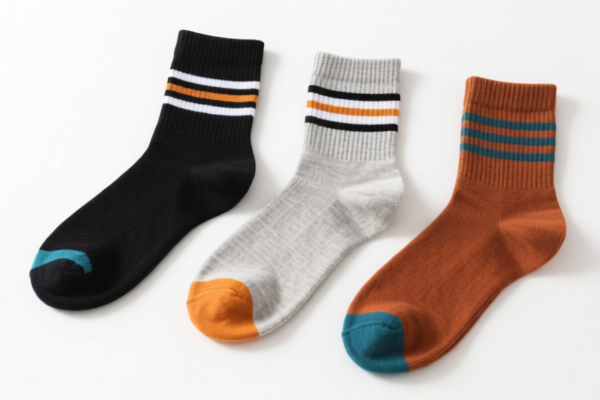
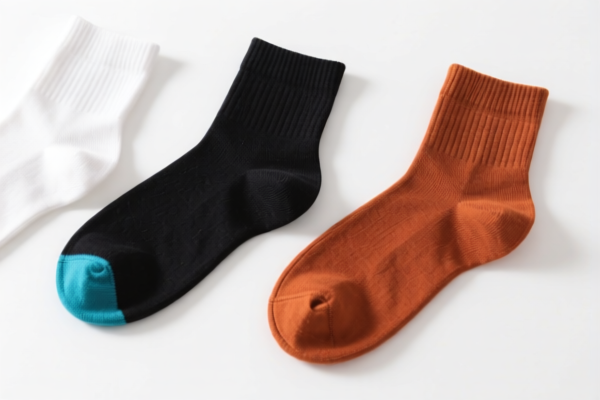
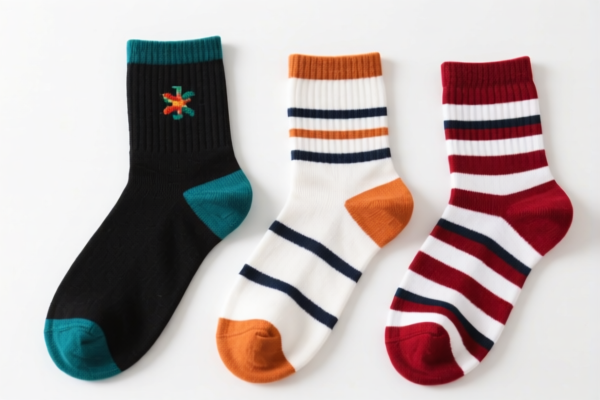
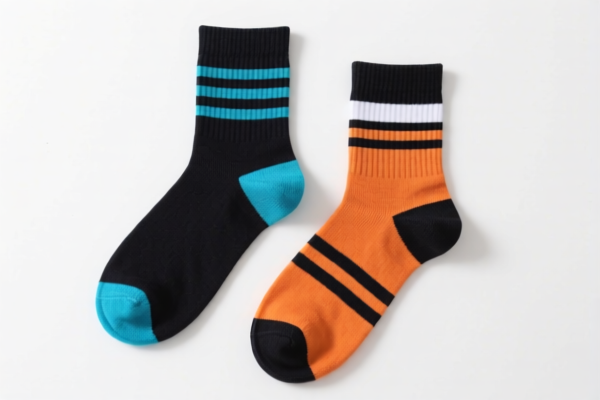
AI Analysis
🧦 Magnetic Socks: HS Code Classification & Customs Clearance Guide | 2026 Tariff Breakdown
🌐 HS Code Reference & Clearance Strategy | Latest 2026 Tariff Analysis | Professional Compliance Guide
📌 I. Product Definition: What Are "Magnetic Socks"?
Magnetic socks are specialized textile products embedded with magnetic elements, typically marketed for health, wellness, or therapeutic purposes. In international trade, their classification depends heavily on material composition and functional design.
Key Distinction: - Knitted/Crocheted Socks (Chapter 61): If the product is fundamentally a sock (footwear accessory) made of knitted fabric, regardless of added magnets. - Other Textile Accessories (Chapter 62): If classified as an "accessory" or if the construction doesn't fit the standard definition of knitted socks.
⚠️ Critical Note: The presence of magnets does not automatically shift the classification to Chapter 85 (Electrical Machinery). The primary characteristic remains the textile/sock nature. However, the material (Cotton vs. Synthetic Fiber) and construction method determine the specific HS Code.
📦 II. HS Code Classification Details (Based on Provided Data)
According to the provided dataset, there are three possible HS Codes for Magnetic Socks. Below is the detailed breakdown of why each code applies and its corresponding tax implications.
1. HS Code: 6115.95.90.00
- Summary: Classified under "Socks of cotton or other textile materials."
- Why this code? This code applies if the socks are knitted or crocheted and primarily composed of cotton or generic textile fibers. It treats the magnetic element as an accessory to the sock itself, not changing the fundamental nature of the product as a sock.
- Tax Implication:
- Total Tax Rate: 31.0%
- Tax Detail:
- Base Tariff: 13.5%
- Additional Tariff (Section 301/China-specific): 7.5%
- Section 122 Tariff: 10%
2. HS Code: 6217.10.95.50
- Summary: Classified under "Other made-up clothing accessories of textile materials."
- Why this code? This code is used if the product is viewed not as a standard sock but as a specialized textile accessory. This might apply if the construction is non-standard (e.g., woven rather than knitted, or if the magnetic component is considered the primary functional element, making it an "accessory" rather than a "sock" in the traditional sense).
- Tax Implication:
- Total Tax Rate: 32.1%
- Tax Detail:
- Base Tariff: 14.6%
- Additional Tariff (Section 301/China-specific): 7.5%
- Section 122 Tariff: 10%
3. HS Code: 6115.96.90.20
- Summary: Classified under "Socks of synthetic fibers."
- Why this code? This code applies if the socks are knitted or crocheted and made primarily of synthetic fibers (e.g., polyester, nylon, spandex). The "magnetic" feature is still secondary to the textile nature, but the material composition dictates this specific subheading under Chapter 61.
- Tax Implication:
- Total Tax Rate: 24.6%
- Tax Detail:
- Base Tariff: 14.6%
- Additional Tariff (Section 301/China-specific): 0.0%
- Section 122 Tariff: 10%
💰 III. 2026 Tariff Rate Breakdown & Policy Details
✅ Applicable Country: United States (US)
✅ Origin: China (CN)
✅ Key Tax Components: 1. Base Tariff: Standard Most-Favored-Nation (MFN) rate for the HS Code. 2. Additional Tariff (7.5%): Likely refers to Section 301 tariffs on Chinese goods (specific sub-sections may vary, but this is a standard add-on for many textiles/apparel). 3. Section 122 Tariff (10%): Refers to specific administrative provisions (often related to de minimis thresholds or specific trade remedies).
🎯 Comparison Table
| HS Code | Description | Total Tax | Base Tariff | Additional Tax | Section 122 |
|---|---|---|---|---|---|
| 6115.95.90.00 | Cotton/Textile Socks | 31.0% | 13.5% | 7.5% | 10% |
| 6217.10.95.50 | Textile Accessory | 32.1% | 14.6% | 7.5% | 10% |
| 6115.96.90.20 | Synthetic Fiber Socks | 24.6% | 14.6% | 0.0% | 10% |
📌 Key Insight:
- 6115.96.90.20 (Synthetic) has the lowest total tax rate (24.6%) because it benefits from 0% Additional Tariff. - 6115.95.90.00 (Cotton) has a higher base tariff (13.5%) but still incurs the 7.5% additional tax. - 6217.10.95.50 (Accessory) is the most expensive option (32.1%) due to a higher base tariff (14.6%) and the standard additional taxes.
🛠️ IV. Customs Clearance Practical Advice
✅ 1. Material Declaration is Critical
- Do not just write "Magnetic Socks."
- Do: Specify the fiber composition (e.g., "80% Cotton, 20% Polyester, with embedded magnets").
- Why? The HS Code differs based on whether the primary material is cotton (6115.95.90.00) or synthetic (6115.96.90.20). Misdeclaring synthetic as cotton could lead to incorrect tariff assessment.
✅ 2. Choose the Right HS Code for Cost Optimization
- If your product is synthetic fiber-based, 6115.96.90.20 is the most cost-effective option (24.6% vs. 31.0% or 32.1%).
- Ensure your product meets the definition of "knitted/crocheted socks" to qualify for Chapter 61 codes. If it’s woven or structurally different, you may be forced into Chapter 62 (6217.10.95.50), which is more expensive.
✅ 3. Document Preparation Checklist
| Document | Requirement | Notes |
|---|---|---|
| Commercial Invoice | List HS Code clearly | Specify "Magnetic Socks" + Material Composition |
| Product Description | Detailed breakdown | Include % of cotton/synthetic, magnetic type, packaging |
| Composition Label | Visible on product | Must match invoice description |
| Safety Data Sheet (SDS) | If applicable | For magnetic components (rare for socks, but good to have) |
| Origin Certificate | If applicable | To verify country of origin (China) |
✅ 4. Common Pitfalls to Avoid
- ❌ Misclassification as "Footwear" (Chapter 64):
Socks are classified under Chapter 61 or 62, not Chapter 64. Chapter 64 is for shoes, boots, and sandals. Misclassification can lead to penalties and delays. - ❌ Ignoring Magnetic Components:
While magnets don’t change the chapter, ensure they are securely embedded to avoid being classified as "machinery" or "electrical devices." If the magnets are detachable or functional as a separate device, additional regulations may apply. - ❌ Incorrect Material Declaration:
Declaring cotton when the product is synthetic (or vice versa) will result in wrong tax calculations and potential audits.
🌍 V. Global Market Comparison (2026)
| Country/Region | Recommended HS Code | Approx. Tariff | Notes |
|---|---|---|---|
| 🇺🇸 USA | 6115.96.90.20 |
24.6% | Best rate for synthetic; requires Section 122 & Additional Tax compliance |
| 🇨🇳 China | 6115.96.90.20 |
~10-15% | Varies by import policy; check current FTA agreements |
| 🇪🇺 EU | 6115.95.90 |
~8-12% | No Section 122 or Additional Tariffs; standard MFN applies |
| 🇬🇧 UK | 6115.95.90 |
~8-12% | Post-Brexit tariffs; check UK Global Tariff |
📌 Conclusion:
The USA has the most complex tariff structure for magnetic socks due to Section 122 and Additional Tariffs.
Optimization Tip: If possible, adjust product composition to synthetic fibers to qualify for HS 6115.96.90.20, saving 6.4% compared to cotton socks (24.6% vs. 31.0%).
📌 VI. Final Recommendations
- Pre-Declare HS Code: Submit a Binding Tariff Information (BTI) or Advance Ruling to US Customs and Border Protection (CBP) if shipping large volumes. This ensures your classification is locked in and reduces audit risk.
- Material Accuracy: Double-check fiber content tags. A mismatch between the invoice and the product label is a common reason for customs holds.
- Magnet Safety: Ensure magnets are securely embedded. Loose magnets could trigger additional safety regulations (e.g., Consumer Product Safety Commission - CPSC).
🔥 "Choose synthetic, declare accurate, save 6.4%!
Wrong material, wrong code, pay more for nothing!"
📌 Pro Tip:
If you are importing from China, remember that Section 122 Tariffs (10%) apply regardless of material. Focus on minimizing the Base Tariff and Additional Tariff by choosing the correct 6115.96.90.20 code for synthetic products.
✨ Professional clearance starts with precise classification!
💼 Your profit margin depends on every percentage point!
Customer Reviews
About HS Code Classification
The Harmonized System (HS) is an internationally standardized nomenclature developed by the World Customs Organization (WCO) to classify traded products. Over 200 countries use the HS system as the basis for customs tariffs, trade statistics, and import/export regulations.
Each HS code follows a hierarchical structure:
- Chapter (2 digits) — Broad category of goods (e.g., Chapter 84: Machinery and Mechanical Appliances)
- Heading (4 digits) — More specific grouping within the chapter
- Subheading (6 digits) — Internationally standardized breakdown, used by all WCO member countries
- National subdivisions (8-10 digits) — Country-specific extensions for further classification, such as US HTSUS 10-digit codes
Correct HS code classification is essential for smooth customs clearance, accurate duty payment, and compliance with trade regulations. Misclassification can lead to customs delays, overpayment of duties, or penalties.
When importing from CN to US, the applicable tariff rates may include:
- Most-Favored-Nation (MFN) rate — The standard duty rate applied to WTO members
- General rate — Applied to countries without trade agreements
- Trade remedy duties — Additional tariffs such as Section 301 (anti-dumping), Section 232 (national security), or countervailing duties
The information provided on this page is for reference purposes only. For official classification, please consult with your local customs authority or a licensed customs broker.