Makeup Brush
CN → US| HS Code | Tariff Rate | Origin | Destination | Doc |
|---|---|---|---|---|
| 3926100000 | 15.3% | CN | US | Official Doc |
| 9603302000 | 20.1% | CN | US | Official Doc |
| 3924905650 | 20.9% | CN | US | Official Doc |
| 9603304000 | 17.5% | CN | US | Official Doc |
| 3924900500 | 20.6% | CN | US | Official Doc |
Product Images
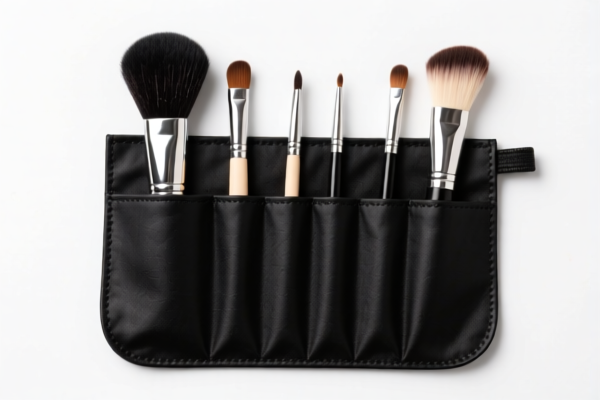
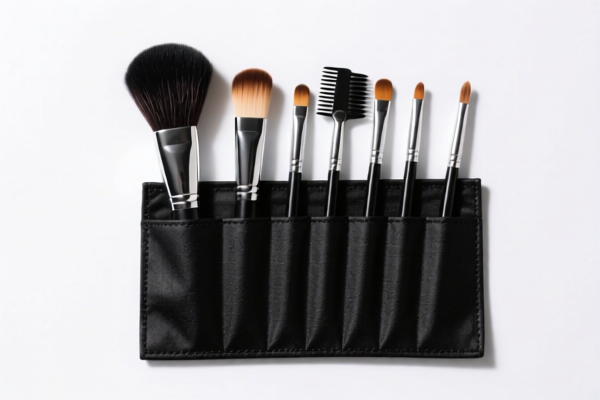
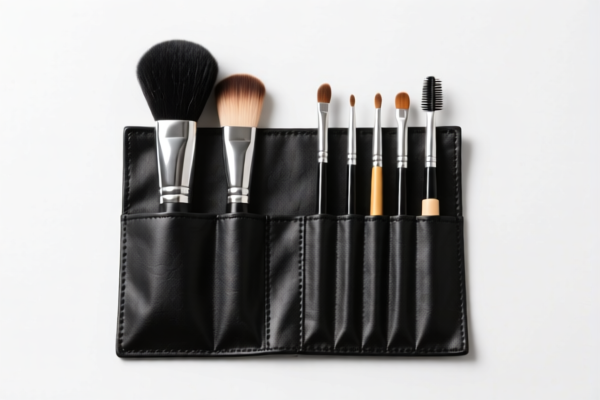

AI Analysis
🎨 Makeup Brush Sets: The Ultimate HS Code & Customs Clearance Guide (2026 Edition)
🌐 HS Code Reference & Clearance Strategy | Tax Breakdown | Professional Export Protocol
📌 I. Product Definition & Classification: Are You Declaring "Makeup Brushes" Correctly?
Makeup Brush Sets are essential tools for cosmetics application, ranging from foundation to eye detail. In international trade, they face a critical crossroads between Plastic Manufacturing and Instrument/Accessory Classification.
The classification depends entirely on Primary Function vs. Material Composition:
- As "Tools" (The Preferred Path): If the set is defined by its use (applying cosmetics), it falls under Chapter 96 (Miscellaneous Manufactured Articles). This is often the most strategic classification for sets.
- As "Plastic Articles" (The Default Path): If the customs officer deems the plastic handles/bristles casing the dominant feature, it falls under Chapter 39 (Plastics).
⚠️ Key Differentiator:
- Is it a "Brush"? → Look for 9603 (Other brushes).
- Is it a "Plastic Kit"? → Look for 3924 (Plastic Tableware/Kitchenware/Misc) or 3926 (Other Plastics).
- Is it "Other Plastic"? → 3926.10.00 (Plastic tools/accessories).
📦 II. HS Code Classification Breakdown (2026 Data Analysis)
Based on the provided dataset, here are the 5 Potential Classifications for Makeup Brush Sets, ranging from "Brush-Specific" to "General Plastic."
| HS Code | Product Description | Rationale (Why it fits) | Total Tax Rate |
|---|---|---|---|
9603.30.20.00 |
Makeup Brushes | Direct Match: Explicitly classified as "Makeup brushes." Sets often contain multiple units, but the function defines the category. | 20.1% |
9603.30.40.00 |
Other Brushes | Functional Match: "Makeup brush sets" fit the "Cosmetic brushes" definition. Includes single brushes within the set. | 17.5% |
3926.90.05.00 |
Plastic Hygiene/Toiletry Articles | Material Inference: Handles and packaging are inferred as plastic. Fits "Other" plastic hygiene/beauty items. | 20.6% |
3924.90.56.50 |
Plastic Toilet/Beautifying Articles | Category Fit: Plastics used for sanitation or beautification. The "Other" (Other) category captures non-standard plastic beauty tools. | 20.9% |
3926.10.00.00 |
Plastic Tools & Accessories | Material Dominance: Infer handles/accessories are plastic. Fits "Other plastic articles" in office/personal care categories. | 15.3% |
🔍 Strategic Insight:
- The Lowest Rate (15.3%) is under3926.10.00.00, but the risk of rejection is higher if the product is clearly a "brush."
- The Most Accurate classification for a "Brush Set" is9603.30.20.00(20.1%) or9603.30.40.00(17.5%).
- Crucial Note: All rates include USITC Base, Section 301 (7.5% or 0%), and Section 122 (10%).
💰 III. 2026 Tariff Rate Deep Dive (Detailed Tax Structure)
✅ Market: USA (US)
✅ Origin: China (CN)
✅ Context: Includes Base Duty, Section 301 (USITC), and Section 122 (122 Clauses).
🎯 1. 9603.30.20.00 – Makeup Brushes (Highest Accuracy)
The "Gold Standard" for brushes.
| Tax Component | Rate | Source/Logic |
|---|---|---|
| Base Duty | 2.6% | Standard Chapter 96 rate for other brushes. |
| Section 301 (USITC) | +7.5% | Added tariff on specific Chinese goods (Section 301). |
| Section 122 (122 Clause) | +10.0% | Specific additional duty on beauty tools/accessories. |
| 🚀 TOTAL TAX | 20.1% |
📌 Why this rate?
While the base is low (2.6%), the Section 122 addition (10%) significantly increases the cost for beauty tools. However, declaring it as a "Brush" ensures compliance and avoids penalties.
🎯 2. 9603.30.40.00 – Other Brushes (Competitive Alternative)
A close second for brush sets.
| Tax Component | Rate | Source/Logic |
|---|---|---|
| Base Duty | 0.0% | Zero base duty for "Other" brushes in this subcategory. |
| Section 301 (USITC) | +7.5% | Applies to the same 301 list. |
| Section 122 (122 Clause) | +10.0% | Mandatory 122 Clause tax. |
| 🚀 TOTAL TAX | 17.5% |
📌 Why this rate?
Best Balance! No base duty + 17.5% total. If your brush set can technically be argued as "Other Brushes" (e.g., non-standard materials), this is the most cost-effective legal option among brush categories.
🎯 3. 3924.90.56.50 – Plastic Beauty Articles (Material Fallback)
If declared as "Plastic Kit" instead of "Brush".
| Tax Component | Rate | Source/Logic |
|---|---|---|
| Base Duty | 3.4% | Chapter 39 plastic rate. |
| Section 301 (USITC) | +7.5% | 301 surcharge applies. |
| Section 122 (122 Clause) | +10.0% | 122 Clause surcharge applies. |
| 🚀 TOTAL TAX | 20.9% |
📌 Why this rate?
Most Expensive! Even though the base duty (3.4%) is low, the Section 122 and 301 make this the highest tax burden (20.9%) among the plastic options. Only use if the brush function is secondary to the plastic container.
🎯 4. 3926.90.05.00 – Plastic Hygiene/Toiletry Articles
| Tax Component | Rate | Source/Logic |
|---|---|---|
| Base Duty | 3.1% | Plastic hygiene items. |
| Section 301 (USITC) | +7.5% | Standard 301. |
| Section 122 (122 Clause) | +10.0% | Standard 122. |
| 🚀 TOTAL TAX | 20.6% |
🎯 5. 3926.10.00.00 – Other Plastic Articles (Tools)
The Lowest Tax Rate, but Highest Risk.
| Tax Component | Rate | Source/Logic |
|---|---|---|
| Base Duty | 5.3% | Plastic tools/accessories. |
| Section 301 (USITC) | 0.0% | Exception: No 301 tariff in this specific subcategory for this item. |
| Section 122 (122 Clause) | +10.0% | 122 Clause still applies. |
| 🚀 TOTAL TAX | 15.3% | LOWEST RATE |
⚠️ WARNING: This rate is 15.3%, which is lower than the brush rates. HOWEVER, this classification relies on the argument that the item is a "Plastic Tool/Accessory" rather than a "Brush." If Customs determines the primary function is brushing (applying makeup), they will reclassify to 9603 and charge 20.1%, potentially adding penalties for misdeclaration.
🛠️ IV. Customs Clearance Strategy & Practical Advice
✅ 1. Documentation Checklist (Non-Negotiable)
To justify your HS Code choice (especially 9603 vs 3926), you must provide:
| Document | Purpose | Critical Detail |
|---|---|---|
| ✅ Product Spec Sheet | Define Function | Explicitly state "Cosmetic Application," "Brush Head Material," "Handle Material." |
| ✅ Usage Photos | Prove Primary Function | Show the brush applying makeup, not just the plastic handle in isolation. |
| ✅ Packaging Label | Confirm Intent | Labels should say "Makeup Brush Set," NOT "Plastic Tool Kit." |
| ✅ Material Breakdown | Support Classification | Detail % of Bristle vs. Plastic. If bristles are >50% of function, push for 9603. |
| ✅ Commercial Invoice | Value Declaration | Must match the HS Code description exactly. |
✅ 2. Declaration Strategy (The "Brush vs. Plastic" Battle)
🔥 The Golden Rule: "Function Over Material."
| Scenario | Recommended HS Code | Reason |
|---|---|---|
| Standard Set (Bristles + Plastic Handle) | 9603.30.20.00 |
Most accurate. "Makeup Brush" is the primary function. |
| Professional Artist Kit (High-end) | 9603.30.40.00 |
Can argue as "Other Brushes" to get 17.5% tax. |
| Cheap Plastic Toy Set (Fake brushes) | 3926.10.00.00 |
If the "brushes" are purely plastic toys, use this for 15.3% tax. |
| Brushes inside a Plastic Case | 9603.30.20.00 |
Do NOT split the case. The set is one unit. |
⚠️ Risk Alert: Declaring as
3926.10.00.00(15.3%) to save money is risky for real makeup brushes. Customs officers are trained to spot "Brush Sets" and will force the 9603 classification (20.1%) + penalties.
✅ 3. Section 122 Clause Explanation (The 10% Tax)
📌 What is Section 122?
This is a specific US Customs surcharge (often associated with Section 301 lists) applied to certain beauty tools and accessories imported from China.
- Applicable to: Makeup brushes, beauty tools, plastic cosmetic containers.
- Rate: Fixed 10% on top of base duty and 301 rates.
- Impact: It is the "silent killer" of margins. Even if Base Duty is 0%, the 10% Section 122 tax makes the total 17.5% or 20.1%.
Tax Calculation Example (for 9603.30.20.00):
$$ \text{CIF Value} \times (2.6\% + 7.5\% + 10\%) = \text{CIF Value} \times 20.1\% $$
🚨 V. Common Pitfalls & How to Avoid Them
| ❌ Mistake | ✅ Consequence | ✅ Fix |
|---|---|---|
| Declaring as "Plastic Toys" | Customs reclassifies to 9603 + Penalties. | Use the term "Makeup Brush" in the description. |
| Splitting the Set (Brushes + Case) | Charges separate duties; Case may be 89.5% (if misclassified). | Declare as one complete set. |
| Ignoring Section 122 | Underestimating tax by 10%. | Always add 10% to your cost calculation for China-origin beauty tools. |
| Wrong "Total Tax" Logic | Thinking 5.3% is the final rate. | Remember: Base + 301 + 122 = Total. |
🌍 VI. Global Market Context (2026)
| Market | Primary HS Code | Total Tax (CN Origin) | Notes |
|---|---|---|---|
| 🇺🇸 USA | 9603.30.20.00 |
20.1% | Strict on "Beauty Tools"; 122 Clause applies. |
| 🇪🇺 EU | 9603.30.90 |
~1.7% | No Section 122; simpler classification. |
| 🇨🇦 Canada | 9603.30.00 |
~10% | Moderate tariffs; no 122 clause. |
📌 Conclusion: The USA is the most complex market for Makeup Brushes due to the Section 122 surcharge.
🎯 VII. Final Verdict: What Should You Declare?
Recommendation: Declare as
9603.30.20.00(Makeup Brushes).
Why? 1. Accuracy: It matches the product name and function perfectly. 2. Compliance: Avoids Customs audits and penalties. 3. Predictability: The 20.1% rate is fixed and known.
Alternative: If you have non-bristle plastic tools or toy brushes, try
3926.10.00.00for the 15.3% rate, but be prepared to defend the "non-brush" argument.
📢 Action Plan for Exporters
- Update Product Descriptions: Ensure invoices say "Makeup Brush Set" not "Plastic Tool."
- Calculate Cost with 20.1%: Do not plan based on 0% or 5%.
- Prepare Evidence: Have bristle photos and usage guides ready for CBP.
- Consult a Broker: For high-volume shipments, request a Binding Ruling from US Customs to lock in the
9603classification.
✨ Professional Clearance = Accuracy + Transparency. 💼 Don't let a 0.1% misclassification cost you 10% in penalties!
Data Source: Provided 2026 Tax & HS Code Database. Always verify with current CBP rulings.
Customer Reviews
About HS Code Classification
The Harmonized System (HS) is an internationally standardized nomenclature developed by the World Customs Organization (WCO) to classify traded products. Over 200 countries use the HS system as the basis for customs tariffs, trade statistics, and import/export regulations.
Each HS code follows a hierarchical structure:
- Chapter (2 digits) — Broad category of goods (e.g., Chapter 84: Machinery and Mechanical Appliances)
- Heading (4 digits) — More specific grouping within the chapter
- Subheading (6 digits) — Internationally standardized breakdown, used by all WCO member countries
- National subdivisions (8-10 digits) — Country-specific extensions for further classification, such as US HTSUS 10-digit codes
Correct HS code classification is essential for smooth customs clearance, accurate duty payment, and compliance with trade regulations. Misclassification can lead to customs delays, overpayment of duties, or penalties.
When importing from CN to US, the applicable tariff rates may include:
- Most-Favored-Nation (MFN) rate — The standard duty rate applied to WTO members
- General rate — Applied to countries without trade agreements
- Trade remedy duties — Additional tariffs such as Section 301 (anti-dumping), Section 232 (national security), or countervailing duties
The information provided on this page is for reference purposes only. For official classification, please consult with your local customs authority or a licensed customs broker.