Makeup Brush Set
CN → US| HS Code | Tariff Rate | Origin | Destination | Doc |
|---|---|---|---|---|
| 9603302000 | 20.1% | CN | US | Official Doc |
| 3926100000 | 15.3% | CN | US | Official Doc |
| 3924905650 | 20.9% | CN | US | Official Doc |
| 9603304000 | 17.5% | CN | US | Official Doc |
| 3924900500 | 20.6% | CN | US | Official Doc |
Product Images
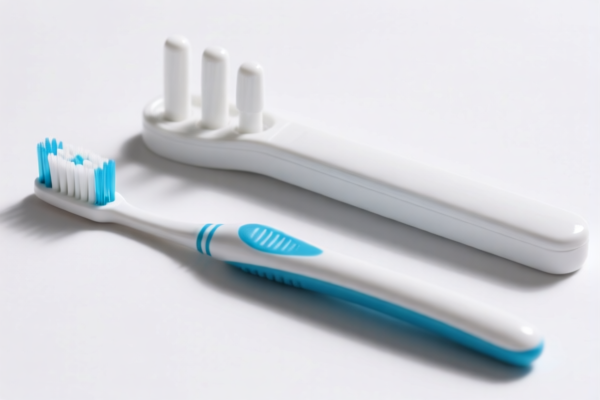
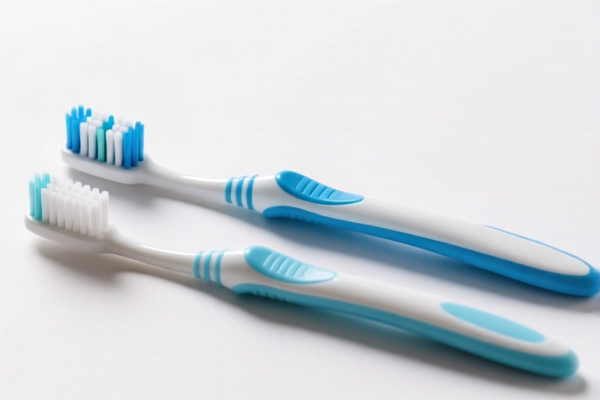
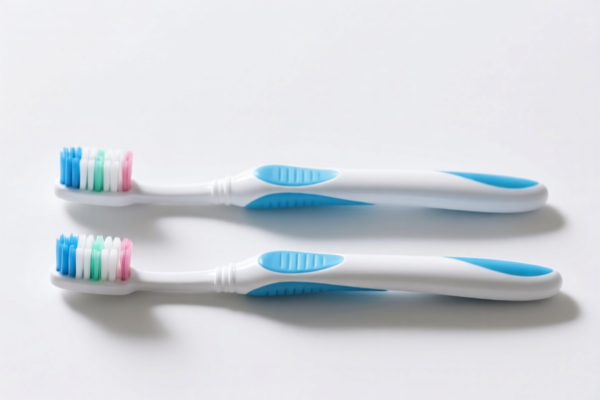
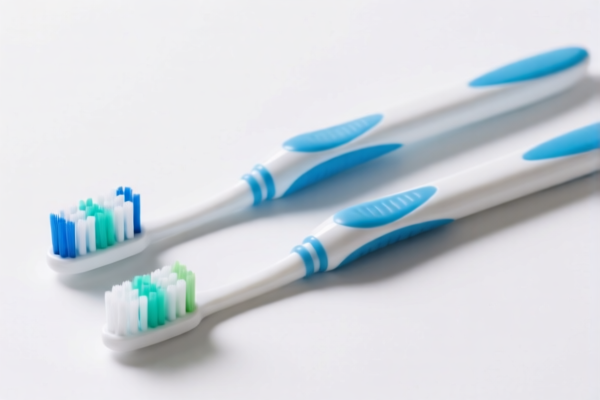
AI Analysis
💄 Makeup Brush Set: The Ultimate HS Code & Tariff Guide (2026 Edition)
🌐 Global Trade Compliance & Duty Strategy | Decoding the "Set" Logic | Professional Customs Clearance
📌 What is a "Makeup Brush Set"?
A Makeup Brush Set is a collection of cosmetic tools designed for applying, blending, and buffing makeup. In international trade, the classification hinges on function (cosmetic application) vs. material (plastic handles), and whether the item is declared as a "Set" or discrete components.
⚠️ Critical Classification Dilemma:
- Function-First: If the primary purpose is "cosmetic application," it falls under Chapter 96 (Miscellaneous Articles).
- Material-First: If declared as "plastic parts" or "general plastic goods," it falls under Chapter 39 (Plastics).
- The "Set" Rule: If sold as a single unit (packaged together), customs often prioritize the principal use (Chapter 96), but material composition (Chapter 39) can be argued if the brushes are disassembled or if the value of plastic parts dominates.
📦 HS Code Classification & Taxation Matrix (2026 Data)
Based on the provided dataset for "Makeup Brush Set" imported into the US (China Origin)
| HS Code | Product Logic & Classification Reasoning | Total Tax Rate | Tax Breakdown (Components) |
|---|---|---|---|
| 9603.30.20.00 | Best Match (Function): Explicitly defined as "Cosmetic Brushes". The "Set" format (multiple items) aligns with the description, regardless of individual unit price. Primary logic: Function matches classification. |
20.1% | • Base: 2.6% • Added Tariff: 7.5% • Section 301 (122): 10% |
| 9603.30.40.00 | Alternative Function: Also fits "Cosmetic Brushes" perfectly. The set includes single brushes which align with the description. Note: Often used if the set contains specific bristle types or variations. |
17.5% | • Base: 0.0% • Added Tariff: 7.5% • Section 301 (122): 10% |
| 3926.10.00.00 | Material-Based (Plastic Handles): Infers the brushes are classified as "Other Plastic Articles" because the handles/accessories are plastic. Fits "Office/Personal Care" category logic. |
15.3% | • Base: 5.3% • Added Tariff: 0.0% • Section 301 (122): 10% |
| 3924.90.56.50 | Hybrid Plastic/Misc: Categorized under "Plastic Hygiene/Beauty Articles (Other)". Applies if the set is viewed as plastic components (handles/packaging) rather than functional brushes. |
20.9% | • Base: 3.4% • Added Tariff: 7.5% • Section 301 (122): 10% |
| 3924.90.05.00 | Plastic Hygiene/Toiletry: Infers handles/accessories are plastic, falling under "Plastic Hygiene/Toilet Articles (Other)". Logic is consistent with material/usage, no conflict. |
20.6% | • Base: 3.1% • Added Tariff: 7.5% • Section 301 (122): 10% |
💰 Deep Dive: Tariff Structure & "122" Clause Explained
All rates above are calculated for China-origin goods entering the USA.
🔹 The "122" Clause (Section 301 Tariffs)
All five HS codes include a 10% "122 Clause" Tariff.
- What is it? This refers to Section 301 of the Trade Act of 1974 (often labeled as "122" in internal duty tracking systems regarding Chinese goods).
- Impact: It is an additional punitive tariff imposed on Chinese imports to offset trade imbalances.
- Reality Check: This 10% is mandatory for China-origin makeup brushes and cannot be waived unless a specific exclusion is granted (which is rare for consumer goods).
🔹 Base Tariff vs. Added Tariff
- Base Tariff (MFN): Ranges from 0.0% to 5.3% depending on the HS Code.
- Strategy: Codes 9603.30.40.00 and 3926.10.00.00 offer the lowest base rates (0.0% and 5.3% respectively).
- Added Tariff (Section 301 Additional):
- 7.5% applies to 9603 (Cosmetic brushes) and 3924 (Plastic hygiene) codes.
- 0.0% applies to 3926.10 (Other plastics), making it the cheapest overall at 15.3%.
🔹 Total Cost Comparison
| HS Code | Total Duty | Strategy Insight |
|---|---|---|
| 3926.10.00.00 | 15.3% 🏆 Lowest Cost | Best if you can argue the product is "Plastic Accessories" rather than "Functional Brushes." |
| 9603.30.40.00 | 17.5% | Good middle ground if the "Cosmetic Brush" function is undeniable but you want to avoid the higher base rate of 2.6%. |
| 9603.30.20.00 | 20.1% | Standard classification for "Cosmetic Brushes." |
| 3924.90.05.00 / 56.50 | ~20.6-20.9% | Higher cost. Only use if "Plastic" is the dominant feature (e.g., cheap plastic handles with minimal bristle value). |
🛠️ Customs Clearance Strategy & Action Plan
✅ 1. The "Set" Declaration Trick
Customs officers often default to 9603.30 (Cosmetic Brushes) because the function is clear. To achieve the lower 15.3% rate (3926.10), you must:
- Structure the Invoice: List the items as "Plastic Cosmetic Tool Components" or "Plastic Handles with Loose Bristles" (if applicable).
- Material Emphasis: In the description, highlight "100% Synthetic Plastic Handles" and "Plastic Packaging".
- Value Allocation: Ensure the value of the plastic parts is significant in the breakdown (if possible) to support a material-based classification.
✅ 2. Avoiding the "De Minimis" Trap
- Warning: Most of these tariffs deny the de minimis exemption (often associated with Section 301).
- Implication: Even small shipments (under $800) may still face scrutiny if the HS Code triggers a Section 301 restriction. Always declare the total CIF value accurately.
✅ 3. Documentation Checklist
To prevent delays and ensure the correct HS Code is applied:
- Product Composition Report: Explicitly state the percentage of bristles vs. plastic handles.
- Usage Statement: "For cosmetic application" (for 9603) vs. "Plastic accessories for beauty routine" (for 3926).
- Packaging Photos: Show the set in a box vs. individual components.
✅ 4. Risk Mitigation
- Best Case: Classify under 3926.10.00.00 (15.3%) by arguing it's a "Plastic Article" set.
- Safe Case: Classify under 9603.30.40.00 (17.5%) if the "Cosmetic" function is undeniable.
- High Risk: Avoid 3924.90.56.50 (20.9%) as it carries the highest total tax for minimal benefit.
🚀 Final Verdict & Recommendation
🎯 The Golden Rule:
"Function rules the set, but Material saves the money!"
- If the brushes are high-quality (natural/synthetic bristles): Stick to 9603.30.40.00 (17.5%). It is the most defensible and standard classification for actual makeup brushes.
- If the brushes are low-cost (mostly plastic): Try to argue for 3926.10.00.00 (15.3%) by emphasizing the plastic handle and set-as-a-plastic-accessory angle.
- Never use 3924 codes unless you are sure the "Plastic" content outweighs the "Functional Brush" aspect, or you risk a 20.9% duty penalty.
📌 Pro Tip:
Always pre-clear with a broker using 9603.30.40.00 for safety. The 2.2% difference between 15.3% and 17.5% is often not worth the risk of a customs audit or seizure if the "Function" argument fails.
🌟 Ready to Ship?
📦 Ensure your commercial invoice reads: "Makeup Brush Set (Plastic Handles, Synthetic Bristles) – Cosmetics Tools"
🚢 Select HS Code 9603.30.40.00 for the safest, most compliant entry at 17.5% Total Duty.
Disclaimer: Tariff rates are subject to change based on US Trade Policy updates. Always verify with the latest HTSUS database before shipment.
Customer Reviews
About HS Code Classification
The Harmonized System (HS) is an internationally standardized nomenclature developed by the World Customs Organization (WCO) to classify traded products. Over 200 countries use the HS system as the basis for customs tariffs, trade statistics, and import/export regulations.
Each HS code follows a hierarchical structure:
- Chapter (2 digits) — Broad category of goods (e.g., Chapter 84: Machinery and Mechanical Appliances)
- Heading (4 digits) — More specific grouping within the chapter
- Subheading (6 digits) — Internationally standardized breakdown, used by all WCO member countries
- National subdivisions (8-10 digits) — Country-specific extensions for further classification, such as US HTSUS 10-digit codes
Correct HS code classification is essential for smooth customs clearance, accurate duty payment, and compliance with trade regulations. Misclassification can lead to customs delays, overpayment of duties, or penalties.
When importing from CN to US, the applicable tariff rates may include:
- Most-Favored-Nation (MFN) rate — The standard duty rate applied to WTO members
- General rate — Applied to countries without trade agreements
- Trade remedy duties — Additional tariffs such as Section 301 (anti-dumping), Section 232 (national security), or countervailing duties
The information provided on this page is for reference purposes only. For official classification, please consult with your local customs authority or a licensed customs broker.