Makeup Powder Puff
CN → US| HS Code | Tariff Rate | Origin | Destination | Doc |
|---|---|---|---|---|
| 3304995000 | 35.0% | CN | US | Official Doc |
| 5603110070 | 35.0% | CN | US | Official Doc |
| 9616200000 | 14.3% | CN | US | Official Doc |
| 5603910090 | 35.0% | CN | US | Official Doc |
Product Images
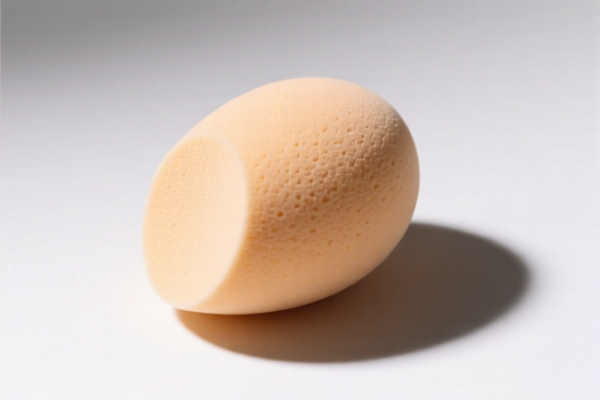
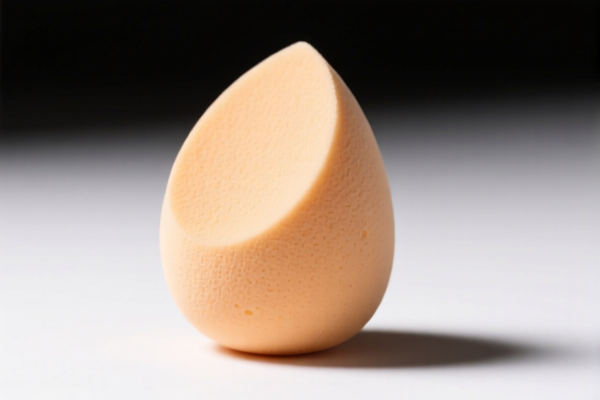
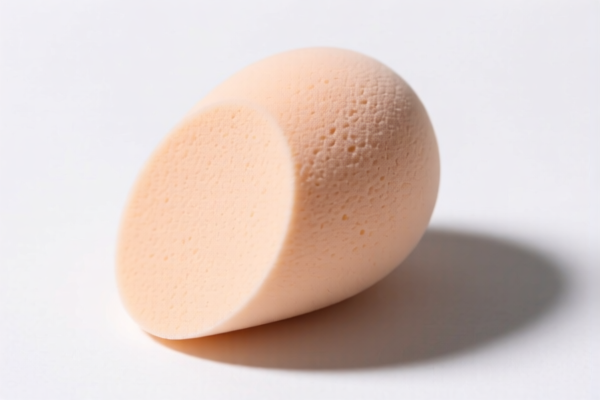
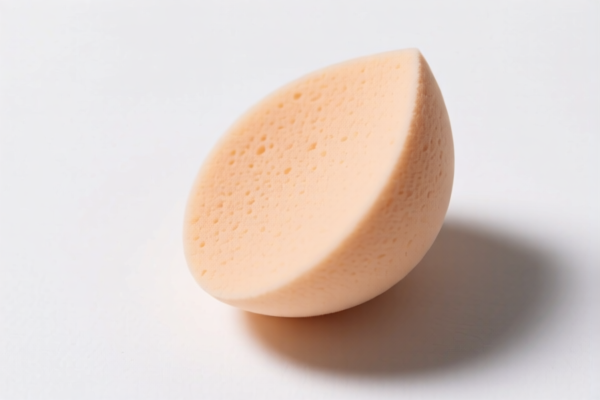
AI Analysis
🌸 Makeup Powder Puff (Beauty/Skin Care Tools)
🌐 HS Code Reference & Customs Clearance Guide | 2026 Latest Tariff Analysis | Professional Entry Strategy
📌 I. Product Definition & Classification: Do You Really Know What a "Powder Puff" Is?
A Makeup Powder Puff is a small pad of soft material, typically made from cotton, synthetic fibers, or non-woven fabrics, used for applying powder makeup (such as face powder, blush, or setting powder) to the skin. It can also be used for applying foundation or concealer.
In international trade, the classification depends heavily on the material composition, manufacturing method (woven vs. non-woven), and final intended use. Misclassification is common because these items can look like generic textiles or finished cosmetic tools.
⚠️ Key Distinction Point:
- If it is a finished cosmetic tool designed specifically for applying makeup →归类 to Chapter 96 (Miscellaneous Manufactured Articles).
- If it is made of non-woven fabric without specific finishing for cosmetic use (or raw material form) →归类 to Chapter 56 (Non-wovens).
- If it is made of textile materials but not specifically "cosmetic tools" in the legal sense → Potential overlap with Chapter 56 or 62 depending on construction.
📦 II. HS Code Classification Details (2026 Latest Tariff Authority Comparison)
Based on the provided data analysis, here are the four possible HS Codes and their logic:
| HS Code | Product Description | Application Scenario | Material/Type |
|---|---|---|---|
9616.20.00.00 |
Cosmetic Tools: Powder Puffs and Packs | Finished makeup applicators, sold in retail packaging as beauty tools | ✅ Specific Cosmetic Tool (Best Fit for Finished Goods) |
3304.99.50.00 |
Beauty/Makeup Preparations: Accessories | Viewed as an accessory to beauty preparations, falling under "Other beauty/makeup preparations" | ✅ Accessory to Beauty Prep |
5603.11.00.70 |
Non-woven Fabric with Filament Yarn, < 25 g/m² | Made of synthetic filament non-wovens; classified as a textile material rather than a finished tool | ⚠️ Raw Material/Non-woven Fabric |
5603.91.00.90 |
Other Non-woven Fabrics, Syntactic/Man-made Fibers, < 25 g/m² | Made of man-made fibers (like polyester) in non-woven form; generic textile classification | ⚠️ Generic Non-woven Textile |
🔍 Critical Analysis:
- Primary Recommendation:9616.20.00.00is the most accurate HS code for a finished powder puff intended for direct consumer use in makeup application. The summary explicitly states: "The product name matches the form and use in the classification explanation." - Secondary Option: If customs authorities view the puff merely as an "accessory" to cosmetics rather than a standalone tool,3304.99.50.00might be used, but this is less common for puffs. - Risk Alert: Using5603codes (5603.11.00.70or5603.91.00.90) classifies the item as textile fabric. This is a major error if the item is a finished, shaped, and finished cosmetic tool. It ignores the "use" of the product, which is a primary criterion for Chapter 96.
💰 III. 2026 Latest Tariff Rate Breakdown (Including Surtaxes, Policy Surcharges)
✅ Applicable Country: USA (US)
✅ Origin: China (CN)
✅ Effective Date: 2025/2026 Imports
🎯 1. 9616.20.00.00 —— Cosmetic Tools (Powder Puffs)
Recommended Classification for Finished Goods
| Item | Content |
|---|---|
| Base Rate | 4.3% (ad valorem) |
| USITC Surtax | 0% (No 301 tariff typically applies to Chapter 96 specific tools, or already accounted for in base if pre-2018) |
| IEEPA Surtax | +10% (Section 122/Emergency powers on Chinese products, effective Nov 10, 2025) |
| Total Rate | 14.3% |
| Tax Calculation | CIF Value × 14.3% |
| De Minimis Eligibility | ❌ No (Deny de minimis for Section 122/China-specific surcharges) |
| Legal Path | IEEPA:122 → USITC:9616.20.00.00 |
📌 Explanation:
- This is the most cost-effective and accurate classification for finished powder puffs.
- The base tariff is low (4.3%).
- The 10% IEEPA surcharge applies due to the China origin.
- Total burden: 14.3%.
🎯 2. 3304.99.50.00 —— Other Beauty/Makeup Preparations (Accessories)
| Item | Content |
|---|---|
| Base Rate | 0.0% |
| USITC Surtax | 0% |
| IEEPA Surtax | +25% (Note: Data indicates 25% + 10%) |
| IEEPA Surtax (Sec 122) | +10% |
| Total Rate | 35.0% |
| Tax Calculation | CIF Value × 35.0% |
| De Minimis Eligibility | ❌ No |
| Legal Path | IEEPA:9903 → USITC:3304.99.50.00 |
📌 Explanation:
- If classified under Chapter 33 as an "accessory," the tax burden is significantly higher (35%).
- The data shows a 25% surcharge plus 10%, totaling 35%.
- Avoid this classification unless explicitly required by USCBP for specific accessory types, as9616is more specific to "puffs."
🎯 3. 5603.11.00.70 & 5603.91.00.90 —— Non-woven Fabrics (Textile Classification)
| Item | Content |
|---|---|
| Base Rate | 0.0% |
| USITC Surtax | 25% (Section 301 on certain textiles/chapters) |
| IEEPA Surtax (Sec 122) | 10% |
| Total Rate | 35.0% |
| Tax Calculation | CIF Value × 35.0% |
| De Minimis Eligibility | ❌ No |
| Legal Path | IEEPA:9903 → USITC:5603... |
📌 Explanation:
- These codes classify the item as raw textile material (non-woven fabric).
- High Risk: If you ship a finished, shaped, branded powder puff but declare it as "non-woven fabric," you are misdeclaring the product.
- Tax Impact: Still 35% due to additional surcharges.
- Why avoid? Not only is the tax higher, but it also invites customs audits for misclassification of finished goods as raw materials.
🛠️ IV. Customs Clearance Practical Advice (Real-World Pitfall Guide)
✅ 1. Documentation Checklist (Missing Anything = Delay)
| Document | Required? | Notes |
|---|---|---|
| ✅ Product Photo | ✔️ | Clear image showing it is a shaped puff, not a roll of fabric. |
| ✅ Bill of Materials (BOM) | ✔️ | List material (e.g., polyester non-woven + cotton backing) |
| ✅ Function Description | ✔️ | State: "Used for applying powder makeup to skin." |
| ✅ Commercial Invoice | ✔️ | Describe as "Makeup Powder Puff, Finished Cosmetic Tool". Do NOT write "Non-woven Fabric." |
| ✅ Packaging Label | ✔️ | Ensure retail packaging clearly indicates beauty use. |
✅ 2. Declaration Strategy (Key Mantra)
🔥 "Finish Tool = Ch 96, Raw Fabric = Ch 56. Choose 9616 to Save Money!"
| Scenario | Correct HS Code | Tax Rate | Error if Wrong |
|---|---|---|---|
| Finished Powder Puff (Retail ready) | 9616.20.00.00 |
14.3% | Misclassifying as 5603 or 3304 → 35% (Overpayment!) |
| Non-woven Fabric Rolls (Raw material) | 5603.11.00.70 / 5603.91.00.90 |
35% | Declaring as puffs when they are fabric rolls → Smuggling/Misdeclaration Risk |
| Puff + Powder Kit | 9616.20.00.00 (for puff) + 3304... (for powder) |
14.3% + 4.3%+ | Splitting correctly avoids bundling errors. |
✅ 3. Special Cases Handling
| Case | Handling Advice |
|---|---|
| OEM/Private Label | Provide brand authorization. The HS code remains 9616.20.00.00 regardless of brand. |
| Eco-Friendly Materials | If made of bamboo charcoal, coconut coir, etc., still likely 9616.20.00.00 if shaped as a puff. Do NOT switch to Ch 46/14 unless it's unprocessed fiber. |
| Sample Shipment | Even samples should be declared correctly. Mislabeling as "fabric" can lead to penalties even for low-value items. |
🌍 V. Global Market Comparison (2026 Update)
| Country/Region | Recommended HS Code | Tariff Rate (China Origin) | Notes |
|---|---|---|---|
| 🇺🇸 USA | 9616.20.00.00 |
14.3% (10% IEEPA + 4.3% Base) | Best Class. Avoid 5603/3304 (35%). |
| 🇪🇺 EU | 9616.20.00.00 |
0% - 3% | No Section 122/301 equivalent surcharges. |
| 🇨🇳 China | 9616.20.00.00 |
5% - 10% | Import duty varies. |
| 🇬🇧 UK | 9616.20.00.00 |
0% - 3% | Post-Brexit tariff schedule generally favorable. |
| 🇯🇵 Japan | 9616.20.00.00 |
0% - 3% | FTA benefits may apply. |
📌 Conclusion:
- The USA is the only major market with significant additional surcharges (IEEPA 10%).
- Correct classification (9616) saves you 20.7% in taxes compared to incorrect textile (5603) or cosmetic accessory (3304) classifications.
- Every other market favors9616as well due to its specific description for cosmetic tools.
📌 VI. Common Mistakes & Pitfalls (Blood & Tears Lessons)
❌ Mistake 1: Declaring "Powder Puff" as "Non-woven Fabric" (5603)
👉 Consequence: Higher tax (35% vs 14.3%) + High risk of customs audit for misclassification of finished goods.
❌ Mistake 2: Declaring "Powder Puff" as "Beauty Accessory" (3304)
👉 Consequence: Higher tax (35%) because Chapter 33 often attracts higher surcharges. 9616 is more specific.
❌ Mistake 3: Writing "Miscellaneous Goods" on the invoice
👉 Consequence: Customs will assign their own HS code, likely 5603 or 9616 based on random inspection, causing delays and potential penalties.
✅ Correct Declaration:
"Finished Cosmetic Powder Puff, Made of Polyester Non-woven Fabric, for Makeup Application, Model XYZ, Not Raw Fabric"
🎯 VII. Conclusion: Precision Classification, Maximize Profit!
🎯 Remember the Mantra:
🔹 "Tool is Ch 96, Fabric is Ch 56. Choose 9616, Save 20%!"
🔹 "Don't say 'Fabric' for a 'Puff'. The tariff gap is huge!"
📌 Pro Tip:
If you are shipping to the USA, ensure your commercial invoice clearly states "Cosmetic Tool - Powder Puff" and uses HS Code 9616.20.00.00. This minimizes your tariff burden to 14.3%. Do not fall into the trap of classifying it as raw textile or general accessory, which triggers a 35% tax burden.
📣 Immediate Action:
📞 Contact your forwarder: "Use HS 9616.20.00.00 for powder puffs, not 5603."
🚀 Correct Class, Lower Tax, Faster Clearance!
✨ Professional Customs Clearance Starts with Accurate Classification!
💼 Your Profit Margin Depends on a 4-Char Digit Difference!
Customer Reviews
About HS Code Classification
The Harmonized System (HS) is an internationally standardized nomenclature developed by the World Customs Organization (WCO) to classify traded products. Over 200 countries use the HS system as the basis for customs tariffs, trade statistics, and import/export regulations.
Each HS code follows a hierarchical structure:
- Chapter (2 digits) — Broad category of goods (e.g., Chapter 84: Machinery and Mechanical Appliances)
- Heading (4 digits) — More specific grouping within the chapter
- Subheading (6 digits) — Internationally standardized breakdown, used by all WCO member countries
- National subdivisions (8-10 digits) — Country-specific extensions for further classification, such as US HTSUS 10-digit codes
Correct HS code classification is essential for smooth customs clearance, accurate duty payment, and compliance with trade regulations. Misclassification can lead to customs delays, overpayment of duties, or penalties.
When importing from CN to US, the applicable tariff rates may include:
- Most-Favored-Nation (MFN) rate — The standard duty rate applied to WTO members
- General rate — Applied to countries without trade agreements
- Trade remedy duties — Additional tariffs such as Section 301 (anti-dumping), Section 232 (national security), or countervailing duties
The information provided on this page is for reference purposes only. For official classification, please consult with your local customs authority or a licensed customs broker.