Man made Fiber Camera Cases
CN → US| HS Code | Tariff Rate | Origin | Destination | Doc |
|---|---|---|---|---|
| 8473309100 | 35.0% | CN | US | Official Doc |
| 8473509000 | 35.0% | CN | US | Official Doc |
| 3926905000 | 21.3% | CN | US | Official Doc |
| 3926909989 | 22.8% | CN | US | Official Doc |
| 9006910001 | 23.3% | CN | US | Official Doc |
Product Images
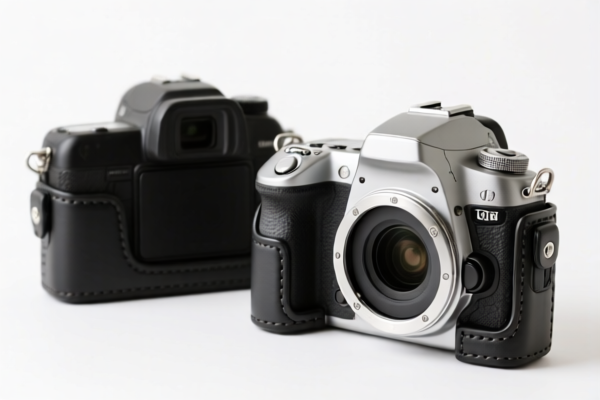
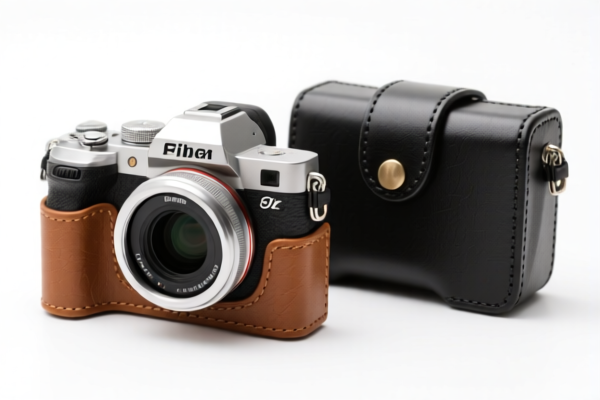
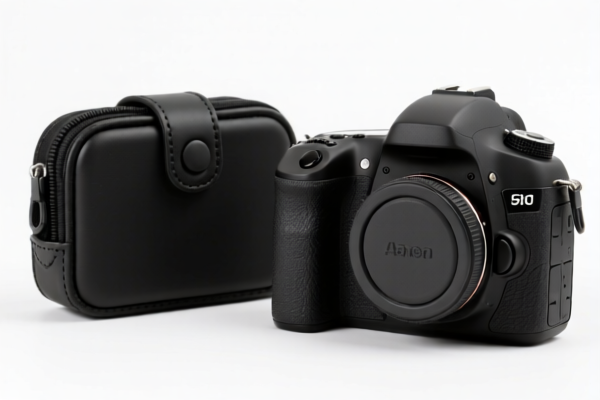
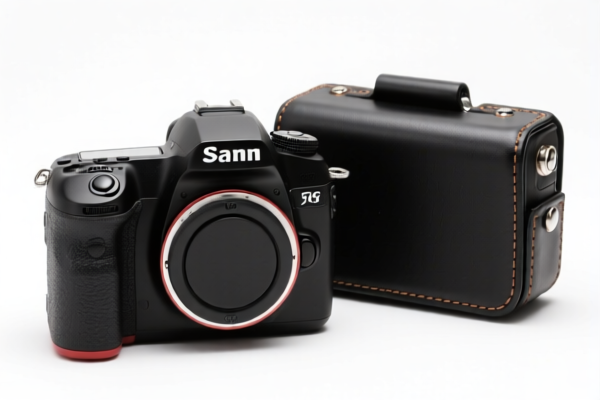
AI Analysis
📸 Man-Made Fiber Camera Cases: The Ultimate HS Code & Tariff Deep Dive (US Market)
🌐 HS Code Reference & Customs Clearance Guide | 2026 Latest Tariff Analysis | Professional Clearance Strategy
📌 One: Product Definition & Classification: Do You Really Know "Man-Made Fiber Camera Cases"?
Man-made fiber camera cases are protective enclosures made primarily from synthetic polymers (nylon, polyester, polypropylene, etc.). In international trade, their classification is highly sensitive because they can fall into multiple categories depending on whether they are considered "parts of machinery," "general plastic articles," or "camera accessories."
The confusion arises because: 1. They are made of plastics/man-made fibers (Chapter 39). 2. They are specifically shaped for cameras (Chapter 90). 3. They are technically parts/accessories for automatic data processing or photographic equipment (Chapter 84/85/90).
⚠️ Key Distinction Point:
- If classified as a Part of Automatic Data Processing Machines (ADPM) or general machinery → High tariff (Chapter 84).
- If classified as a Plastic Article (catch-all) → Lower base tariff, but still subject to surcharges.
- If classified as a Camera Part (Chapter 90) → Moderate base tariff, lowest overall burden among high-risk codes.
📦 Two: HS Code Classification Details (Based on Provided Data)
Below are the 5 possible HS Codes derived from your data, ranked by Total Tax Efficiency and Logical Fit.
| HS Code | Product Description | Logical Fit Reason | Total Tax Rate |
|---|---|---|---|
| 9006.91.00.01 | Plastic Camera Case, Shape: Case, Use: Camera, Material: Plastic, Fits Camera Parts Category | ✅ Best Fit. Explicitly defined as a "part of a camera." Most logical for a specialized camera shell/case. | 23.3% |
| 3926.90.99.89 | Plastic Camera Case, Material: Plastic, Shape: Case, Fits Other Articles (Spare Parts Classification) | ⚖️ Good Alternative. Classified as a generic plastic article's spare part. Lower base tax than 8473. | 22.8% |
| 3926.90.50.00 | Plastic Camera Case, Material: Plastic, Shape: Case, Fits Other Plastic Articles (Catch-all) | ⚖️ Acceptable. A broad "catch-all" for plastic goods not specified elsewhere. Slightly higher than 3926.90.99.89. | 21.3% |
| 8473.30.91.00 | Plastic Camera Case, Material: Plastic, Shape: Case, Fits Parts of 8471 Machines | ❌ Risky/Over-classified. Treats the camera as an "Automatic Data Processing Machine." Often challenged if it's purely photographic. | 35.0% |
| 8473.50.90.00 | Plastic Camera Case, Shape: Case, Material: Plastic, Fits Other Parts/Accessories | ❌ Risky/Over-classified. Generic "other part" under ADPM chapter. High base tax + surcharges. | 35.0% |
🔍 Key Insight:
- HS 9006.91.00.01 is the most accurate for camera-specific cases, but 3926.90.99.89 and 3926.90.50.00 offer lower total tariffs if the customs officer views the item as a generic plastic accessory. - HS 8473 Codes carry the highest penalty (35%) because they trigger the most aggressive additional tariffs under the "Parts of ADPM" logic. Avoid unless explicitly required by the buyer's specs.
💰 Three: 2026 Latest Tariff Rate Breakdown (Including Surcharges & Policy Add-ons)
✅ Applicable Country: United States (US)
✅ Origin: China (CN)
✅ Effective Time: 2025年11月10日起 (Including subsequent imports)
🎯 1. 9006.91.00.01 —— Camera Parts (Most Logical Fit)
| Item | Details |
|---|---|
| Base Duty Rate | 5.8% (ad valorem) |
| USITC Surcharge | +7.5% (Section 301 / Trade Remedy) |
| IEEPA Surcharge | +10% (China-specific emergency power) |
| Total Rate | 23.3% |
| Tax Calculation | CIF Value × 23.3% |
| De Minimis Eligibility | ❌ No (denied due to origin and surcharge structure) |
| Legal Path | USITC:9006.91.00.01 → FOOTNOTE:301.9901.00 → IEEPA:9903.01.24 |
📌 Explanation:
- The 5.8% base is standard for camera parts. - The 17.5% additional (7.5% + 10%) makes it the most balanced option between accuracy and cost.
🎯 2. 3926.90.99.89 —— Other Plastic Articles (Spare Parts)
| Item | Details |
|---|---|
| Base Duty Rate | 5.3% (ad valorem) |
| USITC Surcharge | +7.5% |
| IEEPA Surcharge | +10% |
| Total Rate | 22.8% |
| Tax Calculation | CIF Value × 22.8% |
| De Minimis Eligibility | ❌ No |
| Legal Path | USITC:3926.90.99.89 → FOOTNOTE:301.9901.00 → IEEPA:9903.01.24 |
📌 Explanation:
- This is the lowest total tariff in the dataset. - It relies on classifying the case as a generic plastic article rather than a functional camera part. - Risk: Customs may reclassify to 9006 or 8473 if the case is highly specialized.
🎯 3. 3926.90.50.00 —— Other Plastic Articles (Catch-all)
| Item | Details |
|---|---|
| Base Duty Rate | 3.8% (ad valorem) |
| USITC Surcharge | +7.5% |
| IEEPA Surcharge | +10% |
| Total Rate | 21.3% |
| Tax Calculation | CIF Value × 21.3% |
| De Minimis Eligibility | ❌ No |
| Legal Path | USITC:3926.90.50.00 → FOOTNOTE:301.9901.00 → IEEPA:9903.01.24 |
📌 Explanation:
- Lowest Total Rate (21.3%). - Highest Risk: This is a "dumpster" category. If Customs determines the item is specifically for cameras, they may deny this classification and audit for underpayment.
🎯 4. 8473.30.91.00 & 8473.50.90.00 —— Parts of ADPM (Highest Risk/Cost)
| Item | Details |
|---|---|
| Base Duty Rate | 0.0% |
| USITC Surcharge | +25.0% (Section 301 High Tier) |
| IEEPA Surcharge | +10% |
| Total Rate | 35.0% |
| Tax Calculation | CIF Value × 35.0% |
| De Minimis Eligibility | ❌ No |
| Legal Path | USITC:8473.xx.xx → FOOTNOTE:9903.88.01 → IEEPA:9903.01.24 |
📌 Explanation:
- Highest Total Rate (35%). - The 25% USITC surcharge is significantly higher than the 7.5% in Chapter 39/90. - Only use if the camera is explicitly an "Automatic Data Processing Machine" (e.g., a ruggedized tablet with camera functions, not a standalone photographic camera).
🛠️ Four: Customs Clearance Practical Advice (Avoid Pitfalls)
✅ 1. Required Documentation Checklist
| Document | Mandatory? | Notes |
|---|---|---|
| ✅ Product Specification Sheet | ✔️ | Must specify: Material (e.g., "Polyester/Nylon"), Dimensions, Capacity (e.g., "Fits DSLR + 2 Lenses"). |
| ✅ Material Composition | ✔️ | Clearly state % of man-made fibers vs. other materials. Critical for Chapter 39 classification. |
| ✅ Product Photos | ✔️ | Show the case with and without the camera. Highlight that it is a protective shell/case, not a functional electronic part. |
| ✅ Commercial Invoice | ✔️ | Description should be precise: "Plastic Protective Case for Camera, Model XYZ." Avoid vague terms like "Accessory." |
| ✅ Origin Certificate | ✔️ | Required to verify US sanctions/tariff applicability. |
✅ 2. Declaration Tips (Crucial Mnemonics)
🔥 "Specify Material, Define Use, Choose Wisely!"
| Scenario | Recommended HS Code | Why? |
|---|---|---|
| Standard Camera Case | 9006.91.00.01 |
Most accurate for "Camera Parts." Balances accuracy and cost. |
| Generic/Unbranded Plastic Case | 3926.90.99.89 or 3926.90.50.00 |
Lower tax (22.8% / 21.3%). Use if the case is universal and not custom-molded for a specific camera model. |
| Ruggedized Data-Terminal Case | 8473.30.91.00 |
Only if the device is an ADPM (tablet/industrial PC). Avoid for photographic cameras. |
✅ 3. Special Handling
| Situation | Advice |
|---|---|
| Custom-Molded Shell | If the case is molded specifically for one camera model (e.g., "Sony A7III Case"), customs may insist on 9006.91.00.01. Do not try to force Chapter 39. |
| Universal Soft Case | If it's a soft bag/case made of fabric/plastic, 3926.90.99.89 is a strong contender. |
| OEM Orders | Provide the client's design drawings. If the drawing specifies "Camera Part," use 9006. |
🌍 Five: Global Market Comparison (2026)
| Country/Region | Recommended HS Code | Total Tariff (Est.) | Key Certifications | Notes |
|---|---|---|---|---|
| 🇺🇸 USA | 9006.91.00.01 or 3926.90.50.00 |
21.3% - 23.3% | None Specific | High risk of audit. Documentation is key. |
| 🇨🇳 China | 4202.92.90.00 or 3926.90.90.00 |
8% - 10% | None | Lower base rates. |
| 🇪🇺 EU | 4202.92.00 or 3926.90.97 |
0% - 4% | CE (if electronic) | Low tariffs, but strict origin rules. |
| 🇬🇧 UK | 4202.92.00 |
0% - 6% | UKCA | Post-Brexit rules apply. |
📌 Conclusion:
- The US market is the most challenging due to the high surcharges (7.5% + 10%). - Chapter 39 (Plastic Articles) offers the lowest total tax burden (21.3% - 22.8%) if the product can be justified as a general plastic good rather than a specific camera component. - Chapter 84 (ADPM Parts) is the most expensive and should be avoided for standard photographic camera cases.
📌 Six: Common Errors & Pitfalls (Lessons Learned)
❌ Error 1: Classifying a Camera Case as a Part of a Camera (9006) when it is clearly a Plastic Accessory (3926).
👉 Consequence: Overpaying by 2% (23.3% vs 21.3%).
💡 Fix: If it's a universal bag/case, argue for Chapter 39.
❌ Error 2: Classifying a Camera Case as ADPM Part (8473).
👉 Consequence: Paying 35% tax instead of 21-23%.
💡 Fix: Only use 8473 for cases designed for data processing equipment (tablets), not photographic cameras.
❌ Error 3: Vague Description "Plastic Case."
👉 Consequence: Customs detention for reclassification.
💡 Fix: Use precise descriptions: "Polyester/Plastic Protective Case for Digital Camera."
🎯 Seven: Conclusion: Professional Declaration, Save Money, Speed Up Customs!
🎯 Remember the Golden Rules:
🔹 "For Cameras, Look to 9006; For Plastic, Check 3926; For Tablets, Use 8473."
🔹 "Tax is 21-35%, so every 1% matters. Documentation is your shield."
📌 Pro Tip:
If your camera case is made of fabric (e.g., nylon/polyester), ensure you declare the main material. If it's >50% man-made fiber, Chapter 42 (Articles of Textile Materials) might even be a contender (not in this data, but worth checking). However, based on the provided data, 3926.90.50.00 is the cheapest option.
📣 Immediate Action:
📞 Contact your customs broker before shipping.
📄 Provide product images and material composition.
🚀 Choose the lowest valid HS Code (3926.90.50.00) if acceptable, or 9006.91.00.01 for accuracy.
✨ Professional Customs Clearance Starts with Accurate Classification!
💼 Every Percent Saved is Profit Added!
Customer Reviews
About HS Code Classification
The Harmonized System (HS) is an internationally standardized nomenclature developed by the World Customs Organization (WCO) to classify traded products. Over 200 countries use the HS system as the basis for customs tariffs, trade statistics, and import/export regulations.
Each HS code follows a hierarchical structure:
- Chapter (2 digits) — Broad category of goods (e.g., Chapter 84: Machinery and Mechanical Appliances)
- Heading (4 digits) — More specific grouping within the chapter
- Subheading (6 digits) — Internationally standardized breakdown, used by all WCO member countries
- National subdivisions (8-10 digits) — Country-specific extensions for further classification, such as US HTSUS 10-digit codes
Correct HS code classification is essential for smooth customs clearance, accurate duty payment, and compliance with trade regulations. Misclassification can lead to customs delays, overpayment of duties, or penalties.
When importing from CN to US, the applicable tariff rates may include:
- Most-Favored-Nation (MFN) rate — The standard duty rate applied to WTO members
- General rate — Applied to countries without trade agreements
- Trade remedy duties — Additional tariffs such as Section 301 (anti-dumping), Section 232 (national security), or countervailing duties
The information provided on this page is for reference purposes only. For official classification, please consult with your local customs authority or a licensed customs broker.