Man made Fiber Multifunctional Storage Bags
CN → US| HS Code | Tariff Rate | Origin | Destination | Doc |
|---|---|---|---|---|
| 6305900000 | 23.7% | CN | US | Official Doc |
| 5608192010 | 40.0% | CN | US | Official Doc |
| 4202929100 | 52.6% | CN | US | Official Doc |
| 5608192090 | 40.0% | CN | US | Official Doc |
| 4202929336 | 52.6% | CN | US | Official Doc |
Product Images
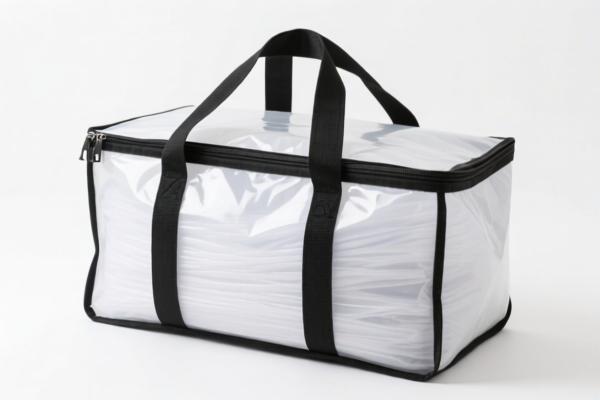
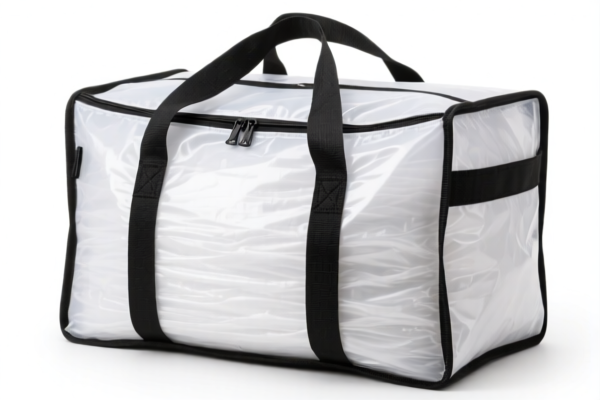
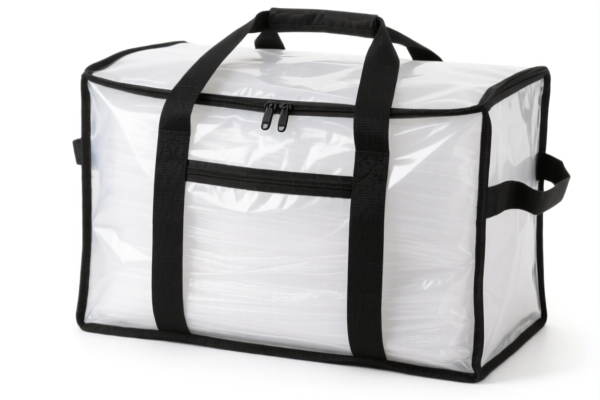
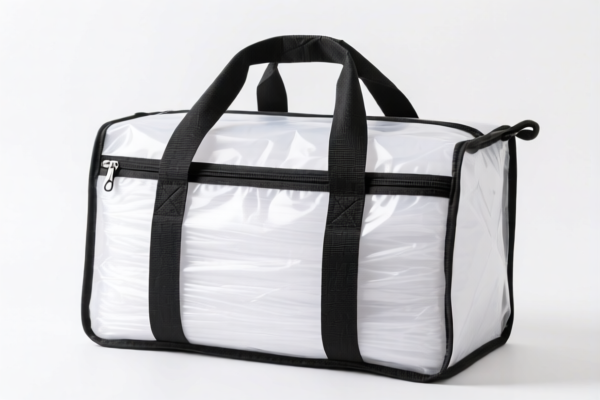
AI Analysis
🛍️ Man-Made Fiber Multifunctional Storage Bags
🌐 HS Code Reference & Customs Clearance Guide | 2026 Latest Tariff Analysis | Professional Clearance Strategy
📌 I. Product Definition & Classification: Do You Really Understand "Storage Bags"?
Man-Made Fiber Multifunctional Storage Bags are versatile containers primarily used for organizing and storing items. In international trade, the classification depends heavily on material composition (textile vs. artificial fiber), structure (mesh vs. solid), and specific use (general storage vs. fashion accessory).
⚠️ Key Distinction Point:
- If made of general textile materials (e.g., cotton/polyester blends without specific mesh structure) → Often classified under Chapter 63.
- If made of artificial fibers and structured as nets/mesh → Often classified under Chapter 56.
- If considered a finished container with an exterior surface of textile material (often used for fashion or high-end storage) → Often classified under Chapter 42.
📦 II. HS Code Classification Details (2026 Latest Tariff Authority Comparison)
| HS Code | Product Description | Applicable Scenario | Material/Structure Key |
|---|---|---|---|
6305.90.00.00 |
Sacks and bags (incl. cone bags), of textile materials | General storage bags made of textile materials | ✅ Textile material |
5608.19.20.10 |
Nets of man-made textile materials | Storage bags made of artificial fibers with mesh/net structure | ✅ Artificial/Mesh |
4202.92.91.00 |
Articles of apparel and clothing accessories, not elsewhere specified or included | Storage bags considered as containers with textile exterior (fallback logic) | ✅ Textile Exterior Container |
5608.19.20.90 |
Other nets of man-made textile materials | Other finished net-like products made of artificial/textile materials | ✅ Artificial/Net/Fallback |
4202.92.93.36 |
Articles of apparel and clothing accessories, not elsewhere specified or included | Storage bags explicitly defined as containers with textile exterior | ✅ Textile Exterior Container |
🔍 Key Reminder:
- Chapter 63 applies if it's a generic "textile bag" for storage.
- Chapter 56 applies if it's specifically a "net" made of man-made fibers.
- Chapter 42 applies if it’s considered a finished "container" with a textile exterior, often invoking fallback or specific container rules.
- Misclassification Risk: Declaring a "net bag" as a "textile sack" can lead to incorrect tax rates.
💰 III. 2026 Latest Tariff Rate Details (Including Surtaxes, Policy Add-ons)
✅ Applicable Country: United States (US)
✅ Origin: China (CN)
✅ Effective Date: From Nov 10, 2025 (and subsequent imports)
🎯 1. 6305.90.00.00 —— Sacks and Bags of Textile Materials
| Item | Content |
|---|---|
| Base Tariff | 6.2% (ad valorem) |
| USITC Surtax | +7.5% (Section 301/Trade Remedy) |
| IEEPA Surtax | +10% (122 Clause/China-specific) |
| Total Rate | 23.7% |
| Tax Calculation | CIF Value × 23.7% |
| De Minimis Exemption | ❌ Not Applicable (deny_de_minimis) |
| Legal Basis Path | Base: 6.2% → Surtax: 7.5% → IEEPA: 10% |
📌 Explanation:
- This is the lowest tax rate among the five options.
- Applies to generic textile storage bags not classified as nets or specialized containers.
- Total 23.7% is relatively manageable compared to Chapter 42 or 56 alternatives.
🎯 2. 5608.19.20.10 —— Nets of Man-Made Textile Materials
| Item | Content |
|---|---|
| Base Tariff | 5.0% |
| USITC Surtax | +25.0% (Section 301) |
| IEEPA Surtax | +10% |
| Total Rate | 40.0% |
| Tax Calculation | CIF Value × 40.0% |
| De Minimis Exemption | ❌ Not Applicable (deny_de_minimis) |
| Legal Basis Path | Base: 5.0% → Surtax: 25.0% → IEEPA: 10% |
📌 Explanation:
- Higher rate due to the 25% Section 301 surtax on man-made fiber nets.
- Even though the base rate is low (5%), the surtax drives the total to 40%.
🎯 3. 4202.92.91.00 —— Articles of Apparel/Clothing Accessories (Container Logic)
| Item | Content |
|---|---|
| Base Tariff | 17.6% |
| USITC Surtax | +25.0% (Section 301) |
| IEEPA Surtax | +10% |
| Total Rate | 52.6% |
| Tax Calculation | CIF Value × 52.6% |
| De Minimis Exemption | ❌ Not Applicable (deny_de_minimis) |
| Legal Basis Path | Base: 17.6% → Surtax: 25.0% → IEEPA: 10% |
📌 Explanation:
- Highest Base Rate (17.6%) among the options.
- Applied when the bag is considered a "finished container" with textile exterior.
- Total 52.6% is very high; avoid this classification unless specifically required by design features.
🎯 4. 5608.19.20.90 —— Other Nets of Man-Made Textile Materials
| Item | Content |
|---|---|
| Base Tariff | 5.0% |
| USITC Surtax | +25.0% (Section 301) |
| IEEPA Surtax | +10% |
| Total Rate | 40.0% |
| Tax Calculation | CIF Value × 40.0% |
| De Minimis Exemption | ❌ Not Applicable (deny_de_minimis) |
| Legal Basis Path | Base: 5.0% → Surtax: 25.0% → IEEPA: 10% |
📌 Explanation:
- Same rate as5608.19.20.10.
- Used for other net-like products of artificial/textile materials that don’t fit specific sub-headings.
- Total 40% remains high due to surtaxes.
🎯 5. 4202.92.93.36 —— Articles of Apparel/Clothing Accessories (Specific Container)
| Item | Content |
|---|---|
| Base Tariff | 17.6% |
| USITC Surtax | +25.0% (Section 301) |
| IEEPA Surtax | +10% |
| Total Rate | 52.6% |
| Tax Calculation | CIF Value × 52.6% |
| De Minimis Exemption | ❌ Not Applicable (deny_de_minimis) |
| Legal Basis Path | Base: 17.6% → Surtax: 25.0% → IEEPA: 10% |
📌 Explanation:
- Identical rate to4202.92.91.00.
- Applies to specific textile-exterior containers.
- Total 52.6% is the most expensive classification.
🛠️ IV. Customs Clearance Practical Advice (Avoid Pitfalls)
✅ 1. Documentation Checklist (All Required)
| Document | Mandatory | Notes |
|---|---|---|
| ✅ Product Specification Sheet | ✔️ | Must specify material (100% polyester? Nylon? Blended?), dimensions, and use case. |
| ✅ Material Composition Declaration | ✔️ | Critical to distinguish between "Textile" (Ch 63) and "Man-Made Fiber Net" (Ch 56). |
| ✅ Product Photos | ✔️ | Show structure: Is it a woven bag? A mesh net? A structured container? |
| ✅ Commercial Invoice | ✔️ | Describe as "Man-Made Fiber Storage Bag," not generic "Plastic Bag." |
| ✅ Packing List | ✔️ | Clear weight and quantity details. |
| ✅ Certificate of Origin | ✔️ | If applicable, to verify China origin for surtax calculation. |
✅ 2. Declaration Tips (Critical Mnemonic)
🔥 "Material Defines Category, Structure Defines Code, Surtax Hits Hard!"
| Scenario | Correct HS Code | Wrong Practice |
|---|---|---|
| General Textile Storage Bag | 6305.90.00.00 |
Declaring as "Net" → 40% Tax |
| Mesh/Net Storage Bag (Man-Made) | 5608.19.20.10 or 5608.19.20.90 |
Declaring as "Textile Sack" → 23.7% Tax (Risk of Audit) |
| Structured Container (Textile Exterior) | 4202.92.91.00 or 4202.92.93.36 |
Declaring as "Sack" → 23.7% Tax (But High Base Rate Risk) |
| Generic Fallback | Use Chapter 63 if ambiguous | Declaring as Chapter 42 → 52.6% Tax |
✅ 3. Special Cases Handling
| Situation | Handling Advice |
|---|---|
| Mixed Materials | If >50% man-made fiber, lean toward Chapter 56; if textile dominant, Chapter 63. |
| OEM Custom Design | Provide design sketches to prove if it’s a "net" or "container." |
| Low-Value Shipments | No De Minimis Exemption! Even under $800, 10% IEEPA surtax applies. |
| Urgent Clearance | Pre-classification via Advance Ruling is recommended to avoid 52.6% vs 23.7% surprises. |
🌍 V. Global Market Comparison (2026 Latest)
| Country/Region | Recommended HS Code | Tariff Rate | Certification | Notes |
|---|---|---|---|---|
| 🇺🇸 USA | 6305.90.00.00 |
23.7% | N/A | Lowest rate for generic textile bags. |
| 🇨🇳 China | 6305.90.00.00 |
~6-10% | N/A | Lower base rates, no US surtaxes. |
| 🇪🇺 EU | 6305.90.00.00 |
~5-7% | CE (if applicable) | No Section 301/IEEPA surtaxes. |
| 🇬🇧 UK | 6305.90.00.00 |
~5-7% | UKCA | Post-Brexit tariffs may vary. |
| 🇦🇺 Australia | 6305.90.00.00 |
~5% | GSR | Generally low duties. |
📌 Conclusion:
- USA has the highest effective tax rate for these goods due to multiple surtaxes.
- Chapter 63 (6305.90.00.00) is the most cost-effective classification for general storage bags.
- Chapter 42 (4202...) should be avoided unless the bag is clearly a fashion/accessory container.
📌 VI. Common Mistakes & Pitfalls (Lessons Learned)
❌ Mistake 1: Declaring a "mesh net bag" as a "textile sack" to get 23.7% tax.
👉 Consequence: Customs may audit material composition, reclassify to Chapter 56, and charge 40% + penalties.
❌ Mistake 2: Declaring a "structured container bag" as a "sack" to get 23.7% tax.
👉 Consequence: If deemed a container, reclassified to Chapter 42, charge 52.6% + penalties.
❌ Mistake 3: Assuming small packages qualify for De Minimis exemption.
👉 Consequence: No exemption! 10% IEEPA surtax applies regardless of value.
✅ Correct Practice:
"Multifunctional Storage Bag, Man-Made Fiber, 100% Polyester, Woven Textile, Not Net Structure, Model XYZ"
→ Use6305.90.00.00→ 23.7% Total Tax.
🎯 VII. Conclusion: Professional Classification Saves Money!
🎯 Remember This Rule:
🔹 "Textile Sack = 23.7% | Net/Mesh = 40% | Container = 52.6%"
🔹 "Chapter 63 is your friend, Chapter 42 is your enemy!"
📌 Pro Tip:
If your storage bag is made in Vietnam, Mexico, or Thailand, you may qualify for IEEPA Exemptions or lower Section 301 rates.
Always seek Advance Ruling for complex multi-material bags to avoid misclassification risks.
📣 Act Now:
📞 Contact a professional customs broker + Provide material specs + Apply for Pre-classification
🚀 Ensure smooth clearance, minimize taxes, and maximize profit!
✨ Professional clearance starts with accurate classification!
💼 Every percentage point matters in international trade!
Customer Reviews
About HS Code Classification
The Harmonized System (HS) is an internationally standardized nomenclature developed by the World Customs Organization (WCO) to classify traded products. Over 200 countries use the HS system as the basis for customs tariffs, trade statistics, and import/export regulations.
Each HS code follows a hierarchical structure:
- Chapter (2 digits) — Broad category of goods (e.g., Chapter 84: Machinery and Mechanical Appliances)
- Heading (4 digits) — More specific grouping within the chapter
- Subheading (6 digits) — Internationally standardized breakdown, used by all WCO member countries
- National subdivisions (8-10 digits) — Country-specific extensions for further classification, such as US HTSUS 10-digit codes
Correct HS code classification is essential for smooth customs clearance, accurate duty payment, and compliance with trade regulations. Misclassification can lead to customs delays, overpayment of duties, or penalties.
When importing from CN to US, the applicable tariff rates may include:
- Most-Favored-Nation (MFN) rate — The standard duty rate applied to WTO members
- General rate — Applied to countries without trade agreements
- Trade remedy duties — Additional tariffs such as Section 301 (anti-dumping), Section 232 (national security), or countervailing duties
The information provided on this page is for reference purposes only. For official classification, please consult with your local customs authority or a licensed customs broker.