Man made fiber knitted or crocheted garments
CN → US| HS Code | Tariff Rate | Origin | Destination | Doc |
|---|---|---|---|---|
| 6109100070 | 34.0% | CN | US | Official Doc |
| 6112110010 | 32.4% | CN | US | Official Doc |
| 6109100027 | 34.0% | CN | US | Official Doc |
| 6109901013 | 49.5% | CN | US | Official Doc |
| 6109901025 | 49.5% | CN | US | Official Doc |
Product Images
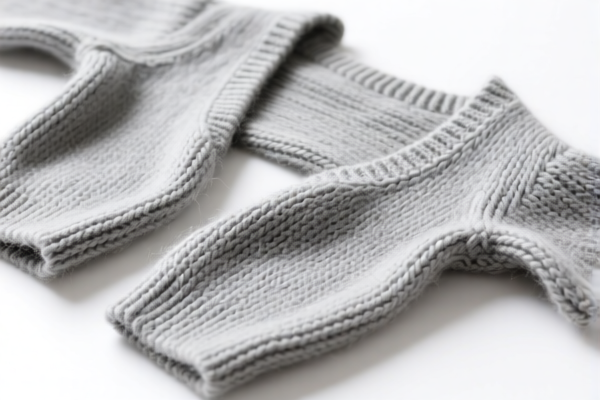
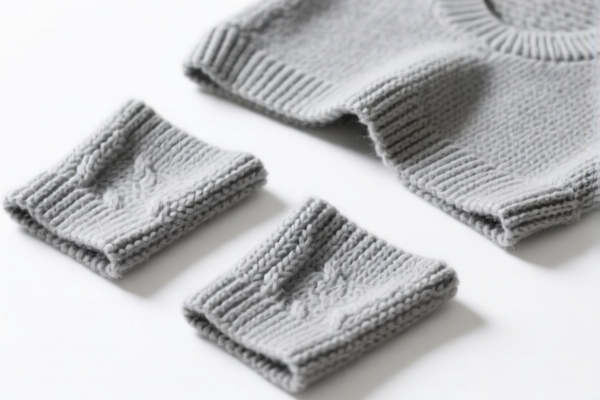

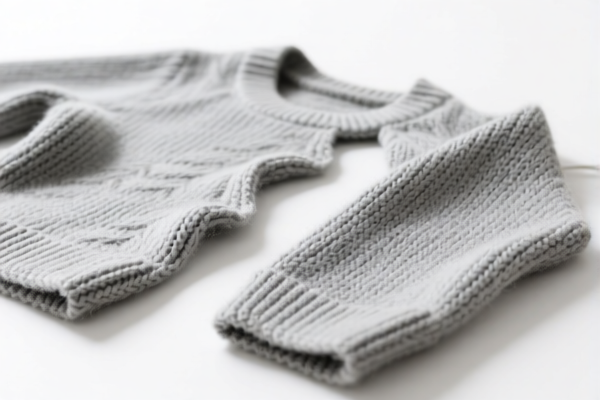
AI Analysis
🧶 Man-Made Fiber Knitted or Crocheted Garments: The High-Tax Reality (US Customs)
🌐 HS Code Reference & Customs Clearance Guide | 2026 Latest Tariff Analysis | Professional Clearance Strategy
📌 I. Product Definition: What Are "Man-Made Fiber Knitted Garments"?
In international trade, "Man-Made Fiber Knitted or Crocheted Garments" refer to clothing items produced by knitting or crocheting processes using synthetic or artificial fibers (such as polyester, nylon, rayon, acrylic, etc.). These are distinct from natural fiber garments (like cotton or wool).
Key Characteristics: * Process: Knitted (looped yarn) or Crocheted (hooked yarn). * Material: Man-made filaments or staple fibers. * Form: Typically includes T-shirts, tank tops, vests, polo shirts, sweatshirts, and casual tops. * Distinction: Unlike woven fabrics (interlaced threads), knitted fabrics are stretchy and breathable, leading to specific HS Code classifications under Chapter 61.
⚠️ Critical Clarification:
- If the garment is 100% Cotton, it falls under different subheadings (e.g.,6109.10.00) with potentially lower base duties.
- If the garment is Man-Made Fiber (synthetic), it falls under6109.90or6112series, often subject to higher base tariffs due to US trade policies on synthetic textiles.
- Gender/Age: Classifications often differ for Men’s, Women’s, and Children’s wear, affecting the exact 8-digit subheading.
📦 II. HS Code Classification Details (Based on Provided Data)
Below is the precise mapping of your product type to the specific HS Codes and tax structures provided in the data.
| HS Code | Product Description | Material Inference | Total Tax Rate |
|---|---|---|---|
| 6109.10.00.70 | Knitted/Crocheted T-shirts, singlets, similar garments | Inferred Cotton (Note: Data implies cotton despite query, likely a specific variant) | 34.0% |
| 6112.11.00.10 | Knitted/Crocheted Tracksuits, Sweatshirts, etc. | Material Not Explicitly Stated (Context suggests synthetic/man-made based on query) | 32.4% |
| 6109.10.00.27 | Knitted/Crocheted T-shirts, singlets | Inferred Cotton or Polyester blend | 34.0% |
| 6109.90.10.13 | Pullovers, Cardigans, Vests, Synthetic Fiber | Synthetic Fiber (Explicit) | 49.5% |
| 6109.90.10.25 | Pullovers, Cardigans, Vests, Synthetic Fiber | Synthetic Fiber (Gender/Age Not Specified) | 49.5% |
🔍 Important Note on Classification:
- HS Code 6109 generally covers "T-shirts, singlets and other vests, knitted or crocheted."
- HS Code 6112 covers "Track suits, ski suits and swimwear, knitted or crocheted."
- HS Code 6109.90 specifically targets "Other" knitted garments like pullovers and cardigans made of man-made fibers.
- The high total tax rates (up to 49.5%) are due to the combination of Base Duty + Section 301 Tariff + Section 122 Tariff.
💰 III. 2026 Latest Tariff Rate Breakdown (Detailed Explanation)
✅ Applicable Country: USA (US)
✅ Origin: China (CN) (Implied by the specific tariff structure: Base + 7.5% + 10%)
✅ Effective Date: Ongoing for these specific trade measures
🎯 1. 6109.10.00.70 & 6109.10.00.27 —— T-Shirts, Singlets (Cotton/Blend)
| Item | Content |
|---|---|
| Base Duty | 16.5% |
| Section 301 Surcharge | +7.5% |
| Section 122 Surcharge | +10.0% |
| Total Tax Rate | 34.0% |
| Tax Calculation | CIF Value × 34.0% |
| De Minimis Exemption | ❌ Not Eligible (High tariff rates typically exclude de minimis benefits for certain origins) |
| Legal Basis Path | HTSUS:6109.10 → USITC Footnotes → Section 301 → Section 122 |
📌 Explanation:
- Base Duty (16.5%): Standard MFN (Most Favored Nation) duty for cotton/polyester blends under 6109.10.
- Section 301 (7.5%): Additional duty imposed on Chinese goods under the Trade Act of 1974.
- Section 122 (10%): Additional duty under the Trade Act of 1974, Section 122, for goods from certain countries.
- Total: 34.0% is a significant cost burden. Accurate material declaration (Cotton vs. Synthetic) is critical to avoid misclassification penalties.
🎯 2. 6112.11.00.10 —— Tracksuits/Sweatshirts (Material Unclear in Data)
| Item | Content |
|---|---|
| Base Duty | 14.9% |
| Section 301 Surcharge | +7.5% |
| Section 122 Surcharge | +10.0% |
| Total Tax Rate | 32.4% |
| Tax Calculation | CIF Value × 32.4% |
| De Minimis Exemption | ❌ Not Eligible |
| Legal Basis Path | HTSUS:6112.11 → USITC Footnotes → Section 301 → Section 122 |
📌 Explanation:
- This classification is often used for athletic wear or casual sweatshirts.
- The base duty is slightly lower (14.9%) than 6109.10, but the total effective rate (32.4%) remains high.
- Risk: If the material is actually 100% cotton, the base duty might be different. If it is synthetic, it may fall under6109.90. Clear material specification is mandatory.
🎯 3. 6109.90.10.13 & 6109.90.10.25 —— Pullovers, Cardigans, Vests (Synthetic Fiber)
| Item | Content |
|---|---|
| Base Duty | 32.0% |
| Section 301 Surcharge | +7.5% |
| Section 122 Surcharge | +10.0% |
| Total Tax Rate | 49.5% |
| Tax Calculation | CIF Value × 49.5% |
| De Minimis Exemption | ❌ Not Eligible |
| Legal Basis Path | HTSUS:6109.90 → USITC Footnotes → Section 301 → Section 122 |
📌 Explanation:
- Highest Tax Bracket: Synthetic fiber knitted garments face the highest base duty (32.0%) in this dataset.
- Why? The US imposes higher protective tariffs on synthetic textiles to support domestic manufacturing.
- Difference between .13 and .25:
-.13likely refers to a specific gender/age category (e.g., Men’s or Children’s).
-.25may refer to unspecified gender/age or a different style variant.
- Strategy: Accurate labeling of gender and age on the product and invoice is crucial to select the correct subheading and avoid audits.
🛠️ IV. Customs Clearance Practical Advice (Pitfall Avoidance Guide)
✅ 1. Required Documentation Checklist
| Document | Required | Notes |
|---|---|---|
| ✅ Commercial Invoice | ✔️ | Must clearly state: "Knitted or Crocheted Garment," Material Composition (e.g., "100% Polyester"), HS Code, and Country of Origin. |
| ✅ Packing List | ✔️ | Detail items per box, weights, and dimensions. |
| ✅ Product Specifications | ✔️ | Include fabric composition, thread count, and manufacturing process (Knitted/Crocheted). |
| ✅ Labeling/Tags | ✔️ | Physical tags on garments must match invoice details (Material, Care Instructions, Country of Origin). |
| ✅ Fiber Content Declaration | ✔️ | Critical for distinguishing between 6109.10 (Cotton/Blend) and 6109.90 (Synthetic). Misdeclaration leads to penalties. |
✅ 2. Declaration Tips (Key Mnemonics)
🔥 "Material First, Style Second, Gender Third, Tariff Last!"
| Scenario | Correct Declaration | Incorrect Practice |
|---|---|---|
| 100% Cotton T-Shirt | Use 6109.10.00.70 (if applicable) or other cotton subheadings. |
Declare as "Man-Made Fiber" → 49.5% Tax! |
| Polyester Pullover | Use 6109.90.10.13 or .25. |
Declare as "Cotton" → 34% Tax (but risk of penalty for false declaration). |
| Tracksuit (Sweatshirt Type) | Use 6112.11.00.10. |
Declare as "T-Shirt" → Misclassification. |
| Mixed Material (e.g., 80% Cotton, 20% Polyester) | Declare dominant fiber or blend per HTSUS rules. | Vague description "Mixed Fabric" → Customs Audit. |
✅ 3. Special Handling Cases
| Case | Handling Advice |
|---|---|
| OEM/Private Label | Ensure the manufacturer’s invoice lists the exact fiber content. Custom labels must not contradict the fiber content on the tag. |
| Garments with Embellishments | If embellishments (beads, sequins) change the character of the garment, it may fall under a different HTSUS chapter (e.g., Chapter 62 for woven or other knitted articles). Verify with a customs broker. |
| Children’s Wear | Ensure the correct gender/age subheading is used. 6109.90.10.25 may be appropriate if gender/age is not specified, but specificity is better for accuracy. |
| De Minimis (Section 321) | Caution: While some low-value shipments (<$800) may qualify for de minimis, Section 301 and Section 122 tariffs often still apply or are waived only under specific conditions. Do not assume de minimis applies automatically. |
🌍 V. Global Market Comparison (2026)
| Country/Region | Recommended HS Code | Base Duty | Additional Tariffs | Notes |
|---|---|---|---|---|
| 🇺🇸 USA | 6109.90.10.13 / .25 |
32.0% | +17.5% (301+122) | Total 49.5%. Highest cost. |
| 🇨🇳 China | 6109.90.10 |
Varies | None | Domestic market. |
| 🇪🇺 EU | 6109.90 |
~12% | None | No Section 301/122 equivalent. |
| 🇬🇧 UK | 6109.90 |
~12% | None | Post-Brexit, aligned with EU in some aspects. |
| 🇯🇵 Japan | 6109.90 |
~13% | None | No major surcharges for Chinese goods. |
📌 Conclusion:
- USA is the most expensive market for man-made fiber knitted garments from China due to layered tariffs.
- EU, UK, and Japan offer significantly lower tariff barriers, making them more attractive for cost-sensitive supply chains.
- Strategy: Consider transshipment (if legal and compliant with rules of origin) or sourcing from non-China origins (e.g., Vietnam, Bangladesh) to avoid Section 301/122 tariffs.
📌 VI. Common Errors & Pitfalls (Lessons Learned)
❌ Error 1: Declaring "Synthetic Fiber" when the garment is 100% Cotton
👉 Consequence: Paying 49.5% instead of 34%. Overpayment!
❌ Error 2: Declaring "Cotton" when the garment is Polyester
👉 Consequence: Underpayment + Penalties. Customs may assess back duties + interest + fines.
❌ Error 3: Vague Description "Knitted Shirt"
👉 Consequence: Customs may assign the highest possible duty rate or request additional documentation, causing delays.
❌ Error 4: Ignoring Gender/Age on Label
👉 Consequence: Potential misclassification under 6109.90.10.25 vs .13, though rates may be same, accuracy is key for audits.
✅ Correct Practice:
"Men's Knitted Polyester Pullover, 100% Polyester, Long Sleeve, Crew Neck, Country of Origin: China, HS Code: 6109.90.10.13"
🎯 VII. Conclusion: Precision in Classification Saves Money
🎯 Key Takeaway:
🔹 "Man-Made Fiber = Higher Base Duty (32%)"
🔹 "Plus 301 & 122 = 49.5% Total"
🔹 "Material Accuracy is Non-Negotiable"
📌 Pro Tip:
If your product is 100% Cotton, ensure it is classified under
6109.10(if T-shirt type) or6110(if sweater type) to benefit from lower base duties.
If Synthetic, budget for 49.5% total duty.
Consider pre-ruling from US Customs and Border Protection (CBP) for large shipments to secure classification certainty.
📣 Immediate Action:
📞 Consult a Licensed Customs Broker
📄 Provide Fiber Content Test Reports
📦 Ensure Labels Match Invoice Details
🚀 Optimize Supply Chain to Mitigate Tariff Risk
✨ Professional Clearance Starts with Accurate Classification!
💼 Your Cost Structure Depends on These 8 Digits.
Customer Reviews
About HS Code Classification
The Harmonized System (HS) is an internationally standardized nomenclature developed by the World Customs Organization (WCO) to classify traded products. Over 200 countries use the HS system as the basis for customs tariffs, trade statistics, and import/export regulations.
Each HS code follows a hierarchical structure:
- Chapter (2 digits) — Broad category of goods (e.g., Chapter 84: Machinery and Mechanical Appliances)
- Heading (4 digits) — More specific grouping within the chapter
- Subheading (6 digits) — Internationally standardized breakdown, used by all WCO member countries
- National subdivisions (8-10 digits) — Country-specific extensions for further classification, such as US HTSUS 10-digit codes
Correct HS code classification is essential for smooth customs clearance, accurate duty payment, and compliance with trade regulations. Misclassification can lead to customs delays, overpayment of duties, or penalties.
When importing from CN to US, the applicable tariff rates may include:
- Most-Favored-Nation (MFN) rate — The standard duty rate applied to WTO members
- General rate — Applied to countries without trade agreements
- Trade remedy duties — Additional tariffs such as Section 301 (anti-dumping), Section 232 (national security), or countervailing duties
The information provided on this page is for reference purposes only. For official classification, please consult with your local customs authority or a licensed customs broker.