Man made filament woven fabric
CN → US| HS Code | Tariff Rate | Origin | Destination | Doc |
|---|---|---|---|---|
| 5407912010 | 49.9% | CN | US | Official Doc |
| 3921901100 | 39.2% | CN | US | Official Doc |
| 3921901500 | 41.5% | CN | US | Official Doc |
| 5407922010 | 49.9% | CN | US | Official Doc |
| 5408210060 | 49.9% | CN | US | Official Doc |
Product Images
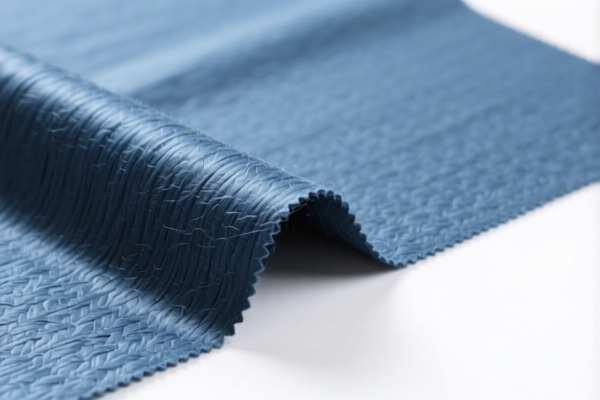
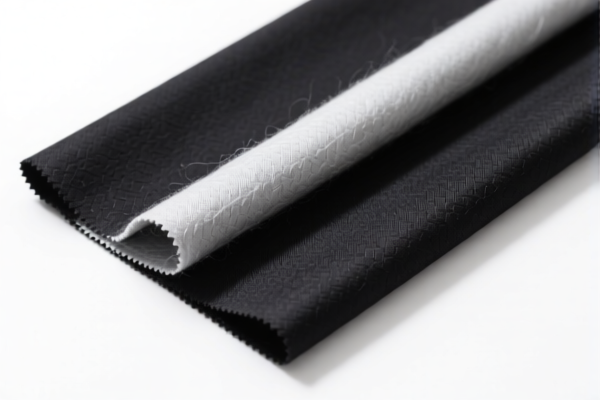
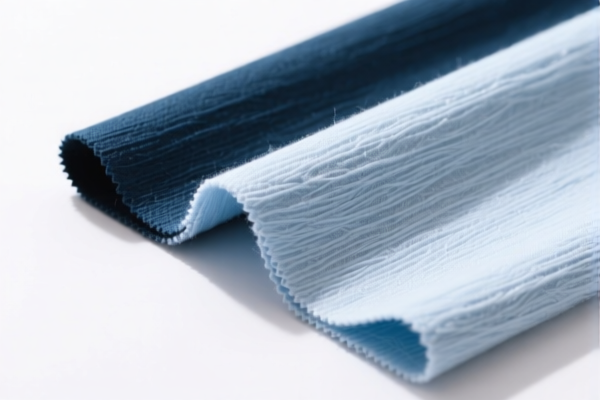
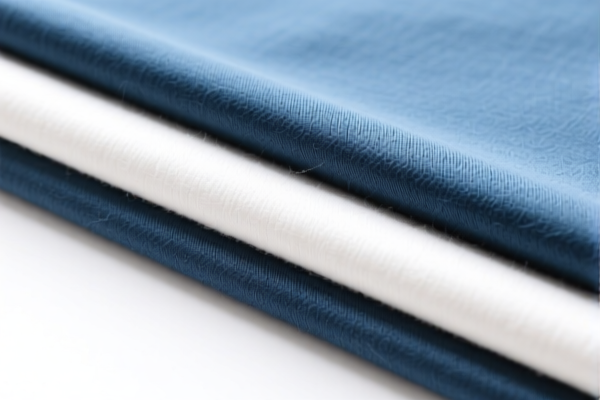
AI Analysis
🧵 Man-Made Filament Woven Fabric: HS Code Classification & 2026 US Customs Clearance Guide
🌐 HS Code Reference & Clearance Strategy | 2026 Latest Tariff Analysis | Professional-Level Compliance Guide
📌 I. Product Definition & Classification: Do You Really Understand "Man-Made Filament Woven Fabric"?
"Man-made filament woven fabric" is a broad category in international trade, primarily composed of synthetic or artificial long fibers (such as polyester, nylon, rayon, etc.) that have been woven into fabric. In customs classification, the key to accurate HS Code selection lies in fiber composition ratio, fabric structure, and application.
⚠️ Key Distinction Points:
- If the fabric is primarily man-made filament (≥50% by weight) → Classified under Chapter 54 (Synthetic/Apiled Filament Fabrics);
- If the fabric contains high plastic content or acts as a textile-reinforced plastic composite → May fall under Chapter 39 (Plastics and Articles Thereof);
- If it is home textile goods (e.g., bed sheets, curtains) made of man-made filaments → Still classified under Chapter 54 but with specific subheadings for end-use.
📦 II. HS Code Classification Details (2026 Latest Tariff Authority Comparison)
| HS Code | Product Description | Application Scenario | Fiber Composition |
|---|---|---|---|
5407.91.20.10 |
Woven fabric of artificial filaments, primarily or wholly with synthetic filaments | General apparel, industrial textiles | ✅ Art/Synthetic Filaments ≥50% |
3921.90.11.00 |
Man-made filament woven fabric with high plastic component, fits other chapter logic | Plastic-reinforced fabrics, packaging materials | ✅ Plastic > Synthetic Fibers |
3921.90.15.00 |
Man-made filament woven fabric, artificial fibers exceed other single fibers, textile-reinforced plastic composite | Industrial composites, technical textiles | ✅ Artificial Fibers > Single Other Fibers |
5407.92.20.10 |
Woven fabric of synthetic filament fibers, fits other chapter fallback principle | General synthetic fabrics, apparel | ✅ Synthetic Filaments |
5408.21.00.60 |
Man-made filament home textiles, woven fabric, no material/form conflict | Bed sheets, curtains, tablecloths | ✅ Man-made Filaments |
🔍 Key Reminder:
- High plastic content or composite function → Chapter 39 (3921.90.11.00/3921.90.15.00);
- Pure textile function → Chapter 54 (5407.91.20.10/5407.92.20.10/5408.21.00.60);
- Home textiles are still classified under Chapter 54 if made of man-made filaments.
💰 III. 2026 Latest Tariff Rate Breakdown (Including Additional Taxes, Policy Surcharges)
✅ Applicable Country: United States (US)
✅ Country of Origin: China (CN)
✅ Effective Date: November 10, 2025 (including subsequent imports)
🎯 1. 5407.91.20.10 —— Artificial Filament Woven Fabric (Primary/Synthetic)
| Item | Details |
|---|---|
| Base Tariff | 14.9% |
| Section 301 Additional Tariff | +25% |
| Section 122 Tariff | +10% |
| Total Tax Rate | 49.9% |
| Tax Calculation | CIF Value × 49.9% |
| De Minimis Eligibility | ❌ Not Eligible (deny_de_minimis) |
| Legal Basis Path | USITC:5407.91.20.10 → Section 301:301.88.01 → Section 122:9903.01.24 |
📌 Explanation:
- The 25% Section 301 tariff is imposed under US Trade Law Section 301 for Chinese-origin goods;
- The 10% Section 122 tariff is an additional surcharge on certain textile and apparel products from China;
- Total 49.9% is extremely high, requiring pre-import cost assessment!
🎯 2. 3921.90.11.00 —— Man-Made Filament Woven Fabric (High Plastic Component)
| Item | Details |
|---|---|
| Base Tariff | 4.2% |
| Section 301 Additional Tariff | +25% |
| Section 122 Tariff | +10% |
| Total Tax Rate | 39.2% |
| Tax Calculation | CIF Value × 39.2% |
| De Minimis Eligibility | ❌ Not Eligible |
| Legal Basis Path | USITC:3921.90.11.00 → Section 301:301.88.01 → Section 122:9903.01.24 |
📌 Note:
- Lower base tariff (4.2%) due to plastic composite classification;
- Still subject to Section 301 (25%) and Section 122 (10%);
- Suitable for industrial/packaging applications where plastic content dominates.
🎯 3. 3921.90.15.00 —— Textile-Reinforced Plastic Composite Fabric
| Item | Details |
|---|---|
| Base Tariff | 6.5% |
| Section 301 Additional Tariff | +25% |
| Section 122 Tariff | +10% |
| Total Tax Rate | 41.5% |
| Tax Calculation | CIF Value × 41.5% |
| De Minimis Eligibility | ❌ Not Eligible |
| Legal Basis Path | USITC:3921.90.15.00 → Section 301:301.88.01 → Section 122:9903.01.24 |
📌 Note:
- Artificial fibers exceed other single fibers → classified as composite;
- 41.5% total rate is still high, but lower than pure textile classification (5407.91.20.10);
- Ideal for technical textiles (e.g., geotextiles, automotive composites).
🎯 4. 5407.92.20.10 —— Synthetic Filament Woven Fabric (Fallback Classification)
| Item | Details |
|---|---|
| Base Tariff | 14.9% |
| Section 301 Additional Tariff | +25% |
| Section 122 Tariff | +10% |
| Total Tax Rate | 49.9% |
| Tax Calculation | CIF Value × 49.9% |
| De Minimis Eligibility | ❌ Not Eligible |
| Legal Basis Path | USITC:5407.92.20.10 → Section 301:301.88.01 → Section 122:9903.01.24 |
📌 Note:
- Falls under Chapter 54 fallback principle;
- Same rate as5407.91.20.10;
- Used when specific synthetic filament subheading does not apply.
🎯 5. 5408.21.00.60 —— Man-Made Filament Home Textiles
| Item | Details |
|---|---|
| Base Tariff | 14.9% |
| Section 301 Additional Tariff | +25% |
| Section 122 Tariff | +10% |
| Total Tax Rate | 49.9% |
| Tax Calculation | CIF Value × 49.9% |
| De Minimis Eligibility | ❌ Not Eligible |
| Legal Basis Path | USITC:5408.21.00.60 → Section 301:301.88.01 → Section 122:9903.01.24 |
📌 Note:
- Home textiles (bed sheets, curtains) made of man-made filaments;
- Same rate as general woven fabrics;
- End-use does not reduce tariff under current US policy.
🛠️ IV. Customs Clearance Practical Advice (Pitfall Avoidance Guide)
✅ 1. Required Documentation Checklist (All Mandatory)
| Document | Required | Explanation |
|---|---|---|
| ✅ Product Specification Sheet | ✔️ | Includes fiber content, weave type, weight, width |
| ✅ Fiber Composition Report | ✔️ | Third-party lab test confirming % of synthetic/artificial fibers |
| ✅ Product Photos (with Label) | ✔️ | Clear view of model, brand, care label, fiber content |
| ✅ Commercial Invoice | ✔️ | Must state "Woven Fabric of Man-Made Filaments" |
| ✅ Packing List | ✔️ | Shows roll dimensions, weight, packaging type |
| ✅ Certificate of Origin (CO) | ✔️ | For potential FTZ or exemption claims (rare for China) |
| ✅ Test Report (if applicable) | ✔️ | OEKO-TEX, REACH, Prop 65 (if sold in CA) |
✅ 2. Declaration Tips (Key Mantra)
🔥 “Fiber Ratio Determines Chapter, Plastic Content Shifts to Chapter 39, Home Textiles Stay in 54, Declare Precisely to Avoid Penalties!”
| Scenario | Correct Declaration | Wrong Practice |
|---|---|---|
| Fabric with >50% synthetic/artificial filaments | 5407.91.20.10 / 5407.92.20.10 / 5408.21.00.60 |
Misdeclare as "cotton fabric" → 0% base but penalties for misclassification |
| Fabric with high plastic content | 3921.90.11.00 / 3921.90.15.00 |
Declare as Chapter 54 → 49.9% vs 39.2%/41.5% |
| Home textiles (bed sheets, curtains) | 5408.21.00.60 |
Declare as "industrial fabric" → Same rate but raises red flags |
| Composite fabric (e.g., geotextile) | 3921.90.15.00 |
Declare as "textile" → Higher tariff |
✅ 3. Special Cases Handling
| Scenario | Recommendation |
|---|---|
| OEM Custom Fabric | Provide customer orders + design specs to avoid "non-standard" classification |
| Fabric with Coating | If coating >50% by weight → Consider Chapter 39; if <50% → Chapter 54 |
| Recycled Synthetic Filaments | Still classified under Chapter 54; no tariff reduction unless FTZ applies |
| Sample Rolls for Testing | Declare as "Samples" with low value, but still subject to tariffs if >$800 |
🌍 V. Global Market Clearance Comparison (2026 Latest)
| Country/Region | Recommended HS Code | Tariff | Certification | Notes |
|---|---|---|---|---|
| 🇺🇸 USA | 5407.91.20.10 / 3921.90.11.00 |
39.2%–49.9% (China) | OEKO-TEX, REACH | High tariffs due to Section 301 & 122 |
| 🇨🇳 China | 5407.91.20.10 |
5% | None | No additional surcharges |
| 🇪🇺 EU | 5407.91.20.10 |
0% (if CE compliant) | CE, REACH | No Section 301 equivalent |
| 🇬🇧 UK | 5407.91.20.10 |
5% | UKCA | Post-Brexit independent tariffs |
| 🇦🇺 Australia | 5407.91.20.10 |
5% | ACMA | No additional surcharges |
📌 Conclusion:
- USA has the highest tariff burden for Chinese-origin man-made filament fabrics;
- EU/UK/Australia offer lower or zero tariffs but require strict compliance certifications;
- Consider supply chain diversification (Vietnam, India, Bangladesh) to mitigate US tariff risks.
📌 VI. Common Errors & Pitfall Guide (Lessons Learned)
❌ Error 1: Declaring high-plastic fabric as "textile" under Chapter 54
👉 Consequence: Tariff increases from 39.2% to 49.9% → Higher costs!
❌ Error 2: Failing to provide fiber composition report
👉 Consequence: Customs delays classification → Demurrage charges!
❌ Error 3: Mislabeling home textiles as "industrial fabric"
👉 Consequence: Raises audit flags → Inspection delays!
❌ Error 4: Using vague descriptions like "synthetic fabric"
👉 Consequence: Customs applies highest rate → 49.9% instead of 39.2%!
✅ Correct Practice:
"Woven Fabric, 100% Polyester Filament, 150 GSM, Plain Weave, for Apparel Use, Model XYZ, OEKO-TEX Certified"
🎯 VII. Conclusion: Precision Declaration Saves Money!
🎯 Remember:
🔹 "Fiber Ratio Dictates Chapter, Plastic Content Shifts Tariff, Declare Accurately to Avoid Penalties!"
🔹 "HS Code Determines Destiny, 10% Tariff Difference, Declaration Mistake, Thousands Lost!"
📌 Pro Tip:
If your fabric is originated from Vietnam, India, Bangladesh, or Turkey, you may qualify for lower US tariffs or FTZ exemptions;
Recommend Advance Ruling Application to avoid clearance risks.
📣 Take Action Now:
📞 Contact a licensed customs broker + Provide product specs + Apply for HS Code Advance Ruling
🚀 Let your fabric clear customs smoothly, maximize profits, and expand globally!
✨ Professional Clearance Starts with Accurate Classification!
💼 Every penny of your cost deserves precise calculation!
Customer Reviews
About HS Code Classification
The Harmonized System (HS) is an internationally standardized nomenclature developed by the World Customs Organization (WCO) to classify traded products. Over 200 countries use the HS system as the basis for customs tariffs, trade statistics, and import/export regulations.
Each HS code follows a hierarchical structure:
- Chapter (2 digits) — Broad category of goods (e.g., Chapter 84: Machinery and Mechanical Appliances)
- Heading (4 digits) — More specific grouping within the chapter
- Subheading (6 digits) — Internationally standardized breakdown, used by all WCO member countries
- National subdivisions (8-10 digits) — Country-specific extensions for further classification, such as US HTSUS 10-digit codes
Correct HS code classification is essential for smooth customs clearance, accurate duty payment, and compliance with trade regulations. Misclassification can lead to customs delays, overpayment of duties, or penalties.
When importing from CN to US, the applicable tariff rates may include:
- Most-Favored-Nation (MFN) rate — The standard duty rate applied to WTO members
- General rate — Applied to countries without trade agreements
- Trade remedy duties — Additional tariffs such as Section 301 (anti-dumping), Section 232 (national security), or countervailing duties
The information provided on this page is for reference purposes only. For official classification, please consult with your local customs authority or a licensed customs broker.