Man made short fiber blended woven wide fabric
CN → US| HS Code | Tariff Rate | Origin | Destination | Doc |
|---|---|---|---|---|
| 5903102010 | 35.0% | CN | US | Official Doc |
| 6303990010 | 28.8% | CN | US | Official Doc |
| 6303922050 | 28.8% | CN | US | Official Doc |
| 5512190005 | 48.6% | CN | US | Official Doc |
| 5512290005 | 47.0% | CN | US | Official Doc |
Product Images
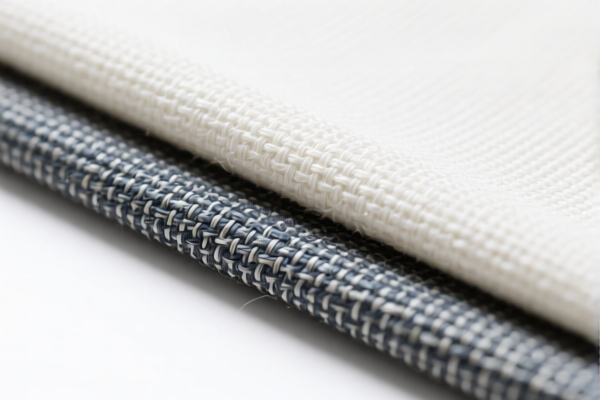
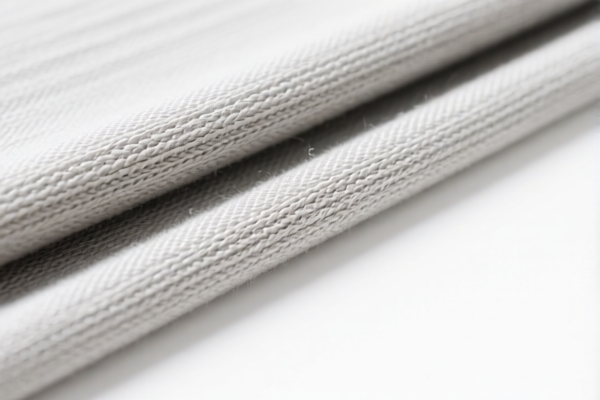
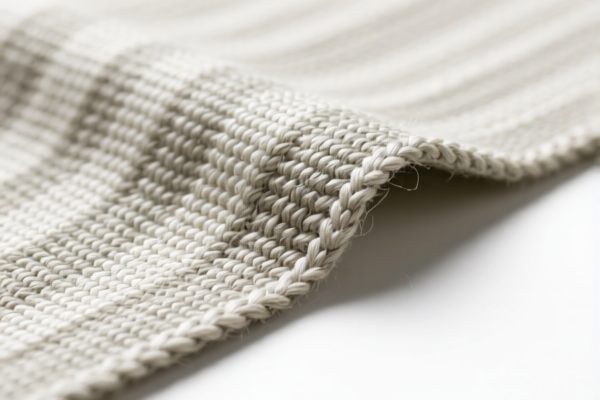
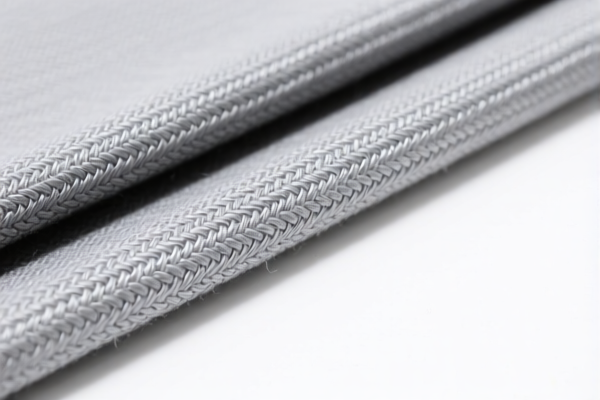
AI Analysis
🧵 Industrial & Domestic Woven Fabrics (Man-Made Short Fiber Blended)
🌐 HS Code Reference & Customs Clearance Guide | 2026 Latest Tariff Analysis | Professional Strategy
📌 One, Product Definition and Classification: What is "Man-Made Short Fiber Blended Woven Wide Fabric"?
In international textile trade, "Man-made short fiber blended woven wide fabric" is a broad term that generally refers to woven fabrics composed of synthetic or regenerated short fibers (such as polyester, nylon, viscose) that have been mixed with other fibers (blended), with a width typically exceeding 30cm.
However, HS Code classification depends heavily on the specific application (industrial vs. household) and the dyeing method (colored/mixed vs. white/plain). A minor difference in description can lead to a significant tax difference due to Section 122 tariffs.
⚠️ Key Distinction:
- If used for industrial purposes (e.g., filters, sacks, technical textiles) → Look at Chapter 59.
- If used for household/textile purposes (e.g., curtains, upholstery, clothing linings) → Look at Chapter 63.
- If the fabric is colored/mixed (yarns dyed before weaving) vs. white affects the sub-heading in Chapter 55.
📦 Two, HS Code Classification Details (Based on Provided Data)
Based on the <DATA> provided, here are the specific HS Codes, their descriptions, and why they apply.
| HS Code | Product Description | Primary Use Case | Tax Profile |
|---|---|---|---|
| 5903.10.20.10 | Industrial man-made short fiber woven wide fabric | Industrial applications (e.g., coatings, laminated fabrics, technical uses) | 35.0% |
| 6303.99.00.10 | Man-made short fiber woven wide fabric for household textiles | Household use (e.g., general home textile products not specified elsewhere) | 28.8% |
| 6303.92.20.50 | Man-made short fiber woven wide fabric for household textiles | Household use (Specific subset of household textiles) | 28.8% |
| 5512.19.00.05 | Colored short fiber fabric (Blended) | General textile fabric, dyed/mixed yarns, not industrial/household specific in this context | 48.6% |
| 5512.29.00.05 | Colored short fiber fabric (Blended) | General textile fabric, dyed/mixed yarns, other variants | 47.0% |
🔍 Key Insight:
- Industrial (5903) vs. Household (6303): The application determines the chapter. Industrial fabrics often carry different base tariffs but may have specific exemptions. - General Colored Fabric (5512): These codes generally apply to unbranded, un-specified woven fabrics made of short fibers that are dyed. They carry the highest tax burden among the listed codes.
💰 Three, 2026 Latest Tariff Rate Breakdown (Detailed)
✅ Scope: All rates include Base Tariff, Additional Tariff, and Section 122 Tariff as per the provided data.
✅ Context: Likely US-China trade context (Section 122/301 tariffs are prominent).
🎯 1. 5903.10.20.10 — Industrial Man-Made Short Fiber Woven Wide Fabric
| Item | Details |
|---|---|
| Total Tax Rate | 35.0% |
| Base Tariff | 0.0% |
| Additional Tariff | 25.0% |
| Section 122 Tariff | 10.0% |
| Tax Calculation | CIF Value × 35.0% |
| Legal Path | Chapter 59 → Heading 5903 → Section 122 Add-on |
📌 Explanation:
- Although the base tariff is 0%, the 25% Additional Tariff (likely Section 301) and 10% Section 122 Tariff bring the total to 35%.
- Strategy: Industrial fabrics often have lower base rates. Ensure the product is clearly defined as "industrial" (e.g., technical use) to avoid being reclassified as household (which might have a higher base).
🎯 2. 6303.99.00.10 & 6303.92.20.50 — Household Textile Fabrics
| Item | Details |
|---|---|
| Total Tax Rate | 28.8% |
| Base Tariff | 11.3% |
| Additional Tariff | 7.5% |
| Section 122 Tariff | 10.0% |
| Tax Calculation | CIF Value × 28.8% |
| Legal Path | Chapter 63 → Heading 6303 → Section 122 Add-on |
📌 Explanation:
- These two codes share the same total tax rate (28.8%).
- The Base Tariff is 11.3%, which is higher than the industrial code (0%).
- Strategy: If the fabric is for home use (curtains, bedsheets, etc.), use these codes. The Additional Tariff is only 7.5%, which is significantly lower than the industrial code's 25%. This makes household fabrics cheaper to import despite the higher base rate.
🎯 3. 5512.19.00.05 & 5512.29.00.05 — Colored Short Fiber Fabric (General)
| Item | Details |
|---|---|
| Total Tax Rate | 48.6% (Code .05) / 47.0% (Code .29) |
| Base Tariff | 13.6% (.05) / 12.0% (.29) |
| Additional Tariff | 25.0% |
| Section 122 Tariff | 10.0% |
| Tax Calculation | CIF Value × 47-48.6% |
| Legal Path | Chapter 55 → Heading 5512 → Section 122 Add-on |
📌 Explanation:
- These codes represent general woven fabrics made of short fibers that are colored (dyed yarns).
- They carry the highest total tax rates in the provided list.
- Strategy: Avoid these codes if your product can be classified as "Industrial" or "Household." These codes are often for generic fabrics without specific end-use designation. High tax risk!
🛠️ Four, Customs Clearance Practical Advice (Real-World Pitfall Guide)
✅ 1. Preparation Checklist (Must-Have Documents)
| Document | Required? | Notes |
|---|---|---|
| ✅ Commercial Invoice | ✔️ | Must clearly state: "Woven Fabric," "Man-Made Short Fiber," "Blended," and End Use (Industrial/Household). |
| ✅ Product Specification | ✔️ | Include fiber content (e.g., 65% Polyester / 35% Cotton), width, weight (GSM), and dyeing method (Colored/White). |
| ✅ Photo of Fabric | ✔️ | Show texture, weave, and any labels. Crucial for distinguishing "Industrial" from "Household." |
| ✅ Certificate of Origin | ✔️ | Verify country of origin for tariff eligibility. |
| ✅ Import License | ✔️ | If applicable for textile quotas (less common now, but check). |
✅ 2. Declaration Tips (Key Strategies)
🔥 "Define the Use, Define the Tax!"
| Scenario | Correct HS Code | Why? |
|---|---|---|
| Fabric for industrial sacks/filters | 5903.10.20.10 |
Clearly "Industrial." Base tax 0%, but +25% additional. Total: 35%. |
| Fabric for curtains/upholstery | 6303.99.00.10 or 6303.92.20.50 |
Clearly "Household." Base tax 11.3%, but only +7.5% additional. Total: 28.8%. Lower total tax! |
| Generic dyed fabric for random use | 5512.19.00.05 |
No specific end-use. High base tax + high additional. Total: 48.6%. Avoid if possible. |
📌 Critical Warning:
- Do not use "5512" codes if the fabric has a clear industrial or household application. Customs may reclassify and impose penalties.
- Do specify "Blended" accurately. If the blend ratio changes, the HS Code might shift (though in this dataset, both .05 and .29 are for blended).
✅ 3. Special Circumstances
| Situation | Handling Advice |
|---|---|
| Mixed Container | If shipping both industrial and household fabrics, declare separately. Mixing may lead to the highest tax rate being applied to the entire shipment. |
| Sample Shipment | Clearly mark as "Sample" and provide a sample declaration. However, if value exceeds de minimis, taxes still apply. |
| Re-export/Transshipment | Ensure the goods are not "substantially transformed" in the transit country, or they may lose origin status. |
🌍 Five, Global Market Comparison (2026 Context)
| Market | Recommended HS Code | Approx. Tax Impact | Notes |
|---|---|---|---|
| 🇺🇸 USA | 6303.99.00.10 (Household) |
28.8% | Best option for household fabrics. Avoid 5512 codes (48.6%). |
| 🇺🇸 USA | 5903.10.20.10 (Industrial) |
35.0% | Industrial fabrics face 25% additional tariff. |
| 🇨🇳 China | 5512.19.00.05 |
Varies (Import Duty) | For re-imports or processing trade, special rules may apply. |
| 🇪🇺 EU | N/A | Different Tariff Schedule | EU uses different HS structure. This data is specific to the provided dataset (likely US/China trade). |
📌 Conclusion:
- For US Imports: Household fabrics (6303) are cheaper (28.8%) than Industrial (5903at 35%) or Generic (5512at 47-48.6%).
- Strategy: If your fabric can be marketed for household use, declare it as such to save 7.8% in total tax compared to industrial fabrics.
📌 Six, Common Mistakes & Pitfalls (Blood and Tears Lessons)
❌ Mistake 1: Using "General Fabric" for household items.
👉 Result: Classified as 5512 → 48.6% tax.
✅ Fix: Clearly state "For Household Textiles" in the description.
❌ Mistake 2: Misclassifying Industrial Fabrics as Household.
👉 Result: Customs audit, fines, and retroactive payment of the higher industrial tariff difference.
✅ Fix: Provide proof of industrial use (e.g., technical specs, customer order for industrial end-use).
❌ Mistake 3: Ignoring "Blended" Status.
👉 Result: If the fabric is 100% single fiber, it may fall under a different HS code with different taxes.
✅ Fix: Ensure the fiber content matches the "Blended" description in the invoice.
❌ Mistake 4: Not declaring Section 122 Tariff Eligibility.
👉 Result: Missing the 10% add-on clarification.
✅ Fix: Ensure the product is identified as originating from the relevant country subject to Section 122.
🎯 Seven, Conclusion: Professional Declaration for Cost Efficiency
🎯 Remember the Golden Rule:
🔹 "Household is King: 28.8% tax. Industrial is 35%. Generic is 48.6%."
🔹 "Use the lowest possible tax by defining the end-use correctly."
📌 Pro Tip:
If you are exporting to the US, always aim for 6303 (Household) classification if your fabric allows it. The 7.5% additional tariff is much better than the 25% for industrial or generic fabrics.
📣 Immediate Action:
📞 Consult a Customs Broker: Verify the specific end-use of your fabric.
📄 Update Your Invoice: Include "End Use: Household/Industrial" clearly.
🚀 Optimize Your Supply Chain: Classify correctly to save 10-20% in tax costs.
✨ Professional Customs Clearance Starts with Accurate Classification!
💼 Your Bottom Line Depends on These Codes!
Customer Reviews
About HS Code Classification
The Harmonized System (HS) is an internationally standardized nomenclature developed by the World Customs Organization (WCO) to classify traded products. Over 200 countries use the HS system as the basis for customs tariffs, trade statistics, and import/export regulations.
Each HS code follows a hierarchical structure:
- Chapter (2 digits) — Broad category of goods (e.g., Chapter 84: Machinery and Mechanical Appliances)
- Heading (4 digits) — More specific grouping within the chapter
- Subheading (6 digits) — Internationally standardized breakdown, used by all WCO member countries
- National subdivisions (8-10 digits) — Country-specific extensions for further classification, such as US HTSUS 10-digit codes
Correct HS code classification is essential for smooth customs clearance, accurate duty payment, and compliance with trade regulations. Misclassification can lead to customs delays, overpayment of duties, or penalties.
When importing from CN to US, the applicable tariff rates may include:
- Most-Favored-Nation (MFN) rate — The standard duty rate applied to WTO members
- General rate — Applied to countries without trade agreements
- Trade remedy duties — Additional tariffs such as Section 301 (anti-dumping), Section 232 (national security), or countervailing duties
The information provided on this page is for reference purposes only. For official classification, please consult with your local customs authority or a licensed customs broker.