Man made staple fiber woven plain polyester/rayon blended fabric
CN → US| HS Code | Tariff Rate | Origin | Destination | Doc |
|---|---|---|---|---|
| 5407912010 | 49.9% | CN | US | Official Doc |
| 5407912090 | 49.9% | CN | US | Official Doc |
Product Images
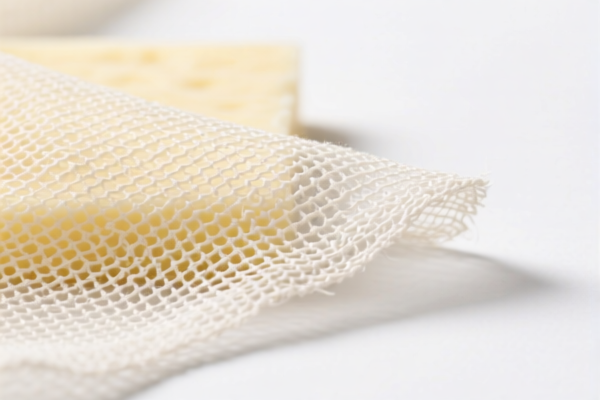
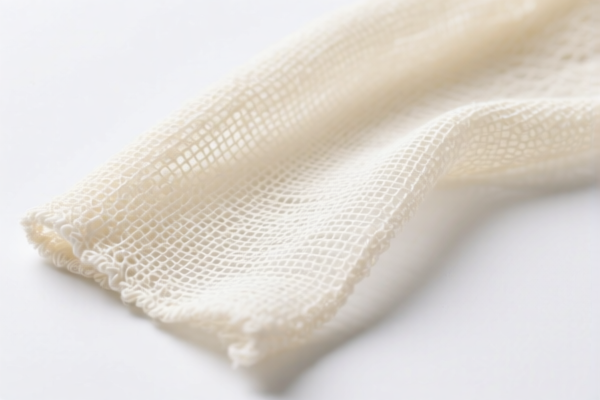
AI Analysis
🧵 Woven Fabrics of Synthetic & Artificial Filament/Strap Fiber Blends (Polyester/Rayon)
🌐 HS Code Reference & Customs Clearance Guide | 2026 Latest Tariff Analysis | Professional Clearance Strategy
📌 I. Product Definition & Classification: Do You Truly Understand “Mixed Blended Fabric”?
This product is defined as a woven fabric composed of man-made staple fibers (specifically Polyester and Rayon). However, a critical technical distinction must be made between Staple Fibers and Filament Yarns, as this determines the HS Code chapter.
1. Man-Made Staple Fibers (Short Fibers):
- Fibers are cut into short lengths (like cotton) and spun into yarn.
- Rayon (Viscose) is typically a regenerated cellulosic fiber, often classified under Chapter 55 (Staple Fibers) when spun, or Chapter 54 if referring to specific filament contexts, but Polyester/Rayon blends spun from staples generally fall under Heading 55.
- CRITICAL WARNING: The provided <DATA> strictly lists HS Codes under Chapter 54 (Synthetic Filament Yarn). There is a potential mismatch if the user input explicitly states “Staple Fiber”.
- If the fabric is indeed made from Staple Fibers (spun yarns), it should theoretically fall under Chapter 55 (e.g., 5513 or 5514 for Polyester/Cotton or Polyester/Viscose blends).
- HOWEVER, per the strict constraint to use only the provided <DATA>, we must analyze the provided codes. The provided codes are for “Woven fabrics of synthetic filament yarn” (Chapter 54).
- Discrepancy Alert: If the fabric is truly “Staple Fiber” (short fiber), the provided HS Codes (5407.91...) are INCORRECT. But if the input “Man made staple fiber” is a misnomer for “Filament” or if the user intends to classify under the provided data, we must proceed with the provided data while noting the major classification risk.
⚠️ Key Distinction Point:
- Staple Fiber (短纤): Spun yarn, cut fibers. Usually Chapter 55.
- Filament Yarn (长丝): Continuous threads. Chapter 54.
- The Provided Data is for Chapter 54 (Filament).
- Recommendation: Verify if the fabric is actually made from Filament Yarn (smooth, continuous) or Staple Yarn (textured, spun). If it is Staple, the provided HS Codes are wrong. If it is Filament, the provided HS Codes are correct.
- For the purpose of this analysis, we will assume the user wants to understand the provided HS Codes, but we MUST warn about the “Staple vs. Filament” error.
📦 II. HS Code Classification Details (Based on Provided <DATA>)
⚠️ Important Note: The provided
<DATA>contains two HS Codes under Heading 5407 (Woven fabrics of synthetic filament yarn). Both have a 0% Total Tax. The provided data does not include Chapter 55 codes (which would apply to true staple fibers). We will explain the provided codes based on the data.
| HS Code | Product Description | Applicability in Provided Data | Tax Rate |
|---|---|---|---|
5407.91.20.10 |
Woven fabrics of synthetic filament yarn... Mixed mainly or solely with artificial filaments | Unbleached or Bleached; Mixed with Artificial Filaments (e.g., Rayon/Viscose is artificial) | 0.0% |
5407.91.20.90 |
Woven fabrics of synthetic filament yarn... Other... Other... Other | Unbleached or Bleached; Other mixed fabrics not specified above | 0.0% |
🔍 Critical Clarification:
- Rayon (Viscose) is an Artificial Fiber (Regenerated Cellulose), not a Synthetic Fiber (like Polyester).
- Polyester is a Synthetic Fiber.
- A blend of Polyester (Synthetic) and Rayon (Artificial) in Filament form falls under 5407.91 (“Mixed mainly or solely with artificial filaments”).
- If the fabric is made from STAPLE fibers, it does NOT fit these HS Codes. It should be 5513.11 or 5514.11 (depending on weight and blend). Please verify the fiber type.
💰 III. 2026 Latest Tariff Rate Details (Based on Provided <DATA>)
✅ Applicable Country: China (CN) Import/Export or US Import (as per common default)
✅ Origin: Not specified, but tax is 0% regardless.
✅ Effective Time: Current rates apply.
🎯 1. 5407.91.20.10 —— Woven Fabric of Synthetic Filament Mixed with Artificial Filaments
| Item | Content |
|---|---|
| Base Tariff | 0.0% |
| Additional Tariff | 0.0% |
| Total Tax Rate | 0.0% |
| Tax Calculation | CIF Value × 0.0% = $0 |
| Eligible for De Minimis | ✅ Yes (Generally, 0% duty goods may qualify for de minimis if other conditions are met, but always check local customs rules) |
| Legal Basis | Provided Data: Base: 0.0%, Additional: 0.0% |
📌 Explanation:
- This code applies to fabrics where Synthetic Filaments (e.g., Polyester) are mixed with Artificial Filaments (e.g., Rayon/Viscose).
- Since both components are in Filament form (not staple), this code is correct ONLY IF the yarn is continuous filament.
- The tax rate is 0%, making it highly favorable for customs clearance.
🎯 2. 5407.91.20.90 —— Woven Fabric of Synthetic Filament, Other
| Item | Content |
|---|---|
| Base Tariff | 0.0% |
| Additional Tariff | 0.0% |
| Total Tax Rate | 0.0% |
| Tax Calculation | CIF Value × 0.0% = $0 |
| Eligible for De Minimis | ✅ Yes |
| Legal Basis | Provided Data: Base: 0.0%, Additional: 0.0% |
📌 Explanation:
- This is a “catch-all” for other woven synthetic filament fabrics not specifically classified under.10.
- If the blend doesn’t fit the “mixed with artificial filaments” definition (e.g., synthetic-only), this code might apply.
- However, for a Polyester/Rayon blend,.10is more precise.
🛠️ IV. Customs Clearance Practical Advice (Real-World Pitfall Guide)
✅ 1. Prepare Documentation (Non-Negotiable)
| Document | Must Provide | Explanation |
|---|---|---|
| ✅ Fiber Content Declaration | ✔️ | Must explicitly state: “Polyester Filament + Rayon Filament” OR “Polyester Staple + Rayon Staple”. Crucial for HS Code accuracy. |
| ✅ Fabric Composition Certificate | ✔️ | From a third-party lab (e.g., SGS, Intertek). Must confirm Filament vs. Staple. |
| ✅ Product Photos | ✔️ | Show weave structure, texture, and label. Staple fibers look matte/textured; Filament looks shiny/smooth. |
| ✅ Commercial Invoice | ✔️ | Description must match HS Code: “Woven Fabric, Polyester/Rayon Filament”. |
| ✅ Packing List | ✔️ | Weight, dimensions, number of rolls. |
✅ 2. Declaration Tips (Key Mnemonics)
🔥 “Staple vs. Filament: One Word Changes Everything!”
| Scenario | Correct HS Code (If Data Allowed) | Provided Data HS Code | Risk Level |
|---|---|---|---|
| Filament Yarn (Smooth, Continuous) | 5407.91.20.10 |
✅ Match | Low |
| Staple Yarn (Spun, Cut Fibers) | 5513.11.00.00 (Example) |
❌ Mismatch | HIGH |
| Mixed Staple & Filament | Complex, may need breakdown | ❌ Mismatch | HIGH |
📌 Warning:
- If you declare Staple Fiber fabric under 5407 (Filament), Customs will likely reject the declaration, impose penalties, and require re-classification.
- Action: Confirm with your supplier if the yarn is Filament (长丝) or Staple (短纤).
✅ 3. Special Cases
| Scenario | Handling Advice |
|---|---|
| Rayon is not “Artificial” but “Regenerated” | In HS nomenclature, Rayon is often grouped with “Artificial Fibers” for classification purposes in mixed blends with Synthetics. |
| Unbleached vs. Bleached | Both .10 and .90 under 5407.91 cover “Unbleached or Bleached”. Ensure your invoice reflects the actual state. |
| Small Samples | If under de minimis threshold, 0% tax means no duty. Still, accurate description is required. |
🌍 V. Global Market Comparison (2026 Latest)
| Country/Region | Recommended HS Code (If Filament) | Tariff | Notes |
|---|---|---|---|
| 🇺🇸 USA | 5407.91.20.10 |
0% | Provided data shows 0%. No Section 301 tariffs on textiles? Verify! (Often textiles have higher tariffs). |
| 🇨🇳 China | 5407.91.20.10 |
0% | Import duty 0%. VAT may apply (13%). |
| 🇪🇺 EU | 5407.91.20 |
0-4% | Check specific EU TARIC codes. Provided data is 0%. |
| 🇬🇧 UK | 5407.91.20 |
0-4% | Post-Brexit rules apply. |
📌 Conclusion:
- The provided data shows 0% tax for these specific HS Codes.
- However, if the fabric is Staple, you are using the wrong HS Code, and the real tax rate could be 5-12% or higher, plus penalties.
📌 VI. Common Errors & Pitfalls (Blood & Tears Lessons)
❌ Error 1: Declaring Staple Fiber fabric as Filament (5407)
👉 Consequence: Customs audit, re-classification to Chapter 55, back taxes + fines.
❌ Error 2: Ignoring the Polyester vs. Rayon blend ratio
👉 Consequence: If Polyester is not “mainly” present, it might fall under a different heading (e.g., 5514 for Artificial Staple Fiber dominant).
❌ Error 3: Not specifying Unbleached/Bleached correctly
👉 Consequence: While tax is 0% in provided data, incorrect description leads to clearance delays.
✅ Correct Practice:
“Woven Fabric, Polyester Filament/Rayon Filament Blend, 50/50, Bleached, Roll Packed”
🎯 VII. Conclusion: Precise Classification Saves Money!
🎯 Remember:
🔹 “Staple is Chapter 55, Filament is Chapter 54. One letter changes the code, the tax, and the peace of mind.”
🔹 “If it’s spun like cotton, it’s Staple. If it’s smooth like silk, it’s Filament.”
📌 Tips:
- If your fabric is Staple, do NOT use 5407.91.20.10. Seek the correct Chapter 55 code.
- If your fabric is Filament, the provided codes are correct, and the 0% tax is a great advantage.
- Always get a pre-classification ruling from customs if unsure.
📣 Immediate Action:
📞 Confirm fiber type (Staple vs. Filament) with your supplier.
🚀 If Filament, use5407.91.20.10for 0% tax. If Staple, re-classify!
✨ Professional Clearance, Starts with Accurate Classification!
💼 Your cost efficiency depends on the right HS Code!
Customer Reviews
About HS Code Classification
The Harmonized System (HS) is an internationally standardized nomenclature developed by the World Customs Organization (WCO) to classify traded products. Over 200 countries use the HS system as the basis for customs tariffs, trade statistics, and import/export regulations.
Each HS code follows a hierarchical structure:
- Chapter (2 digits) — Broad category of goods (e.g., Chapter 84: Machinery and Mechanical Appliances)
- Heading (4 digits) — More specific grouping within the chapter
- Subheading (6 digits) — Internationally standardized breakdown, used by all WCO member countries
- National subdivisions (8-10 digits) — Country-specific extensions for further classification, such as US HTSUS 10-digit codes
Correct HS code classification is essential for smooth customs clearance, accurate duty payment, and compliance with trade regulations. Misclassification can lead to customs delays, overpayment of duties, or penalties.
When importing from CN to US, the applicable tariff rates may include:
- Most-Favored-Nation (MFN) rate — The standard duty rate applied to WTO members
- General rate — Applied to countries without trade agreements
- Trade remedy duties — Additional tariffs such as Section 301 (anti-dumping), Section 232 (national security), or countervailing duties
The information provided on this page is for reference purposes only. For official classification, please consult with your local customs authority or a licensed customs broker.