Manual Garlic Press
CN → US| HS Code | Tariff Rate | Origin | Destination | Doc |
|---|---|---|---|---|
| 8205517500 | 38.7% | CN | US | Official Doc |
| 8210000000 | 38.7% | CN | US | Official Doc |
| 3924104000 | 13.4% | CN | US | Official Doc |
| 7323930060 | 62.0% | CN | US | Official Doc |
| 7615109100 | 70.6% | CN | US | Official Doc |
| 8205513030 | 38.7% | CN | US | Official Doc |
Product Images
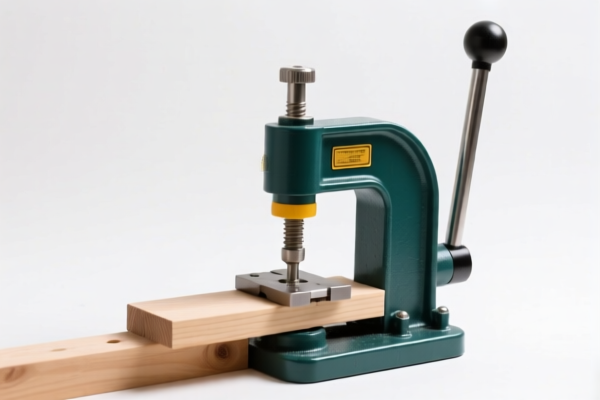
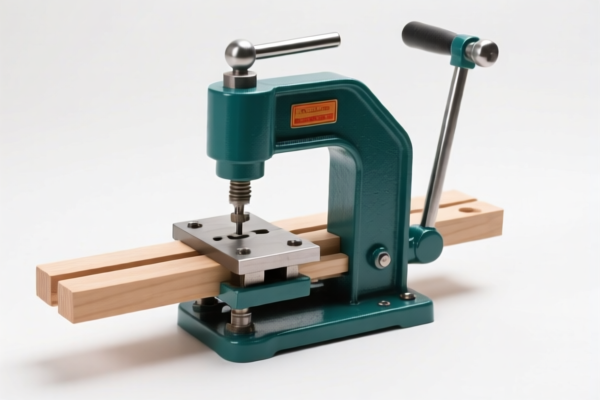
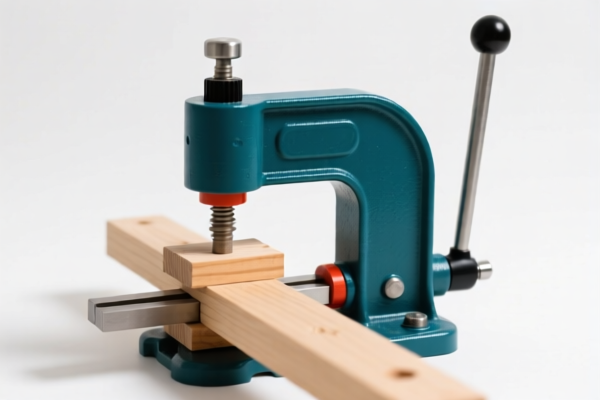
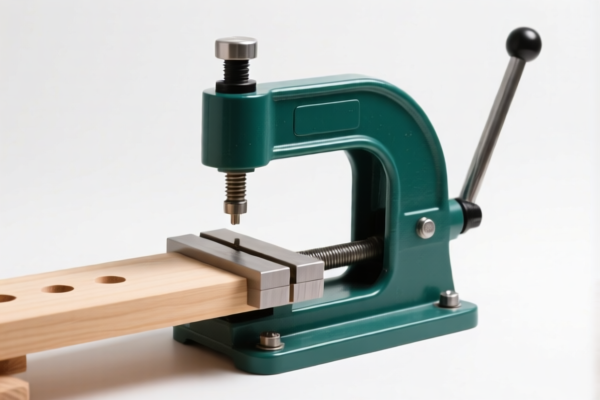
AI Analysis
🧄 Manual Garlic Press (Hand-Operated Kitchen Tool)
🌐 HS Code Reference & Customs Clearance Guide | 2026 Latest Tariff Analysis | Professional Clearance Strategy
📌 I. Product Definition & Classification: Do You Really Understand the "Garlic Press"?
A Manual Garlic Press is a common kitchen utensil used for crushing or mincing garlic cloves. In international trade, its classification is highly controversial because it can be interpreted as a hand tool, a manual mechanical appliance for food preparation, or kitchenware made of specific materials (plastic, stainless steel, aluminum, etc.). The correct HS Code depends heavily on the primary material and the specific mechanical nature of the device.
⚠️ Key Classification Dilemma:
- Is it a Hand Tool (like a hammer or wrench)? → HS 8205
- Is it a Manual Mechanical Appliance for food? → HS 8210
- Is it Plastic Kitchenware? → HS 3924
- Is it Metal Kitchenware (Steel/Aluminum)? → HS 7323 or 7615
📦 II. HS Code Classification Details (2026 Latest Tariff Authority Comparison)
| HS Code | Product Description | Material/Feature | Applicable Scenario |
|---|---|---|---|
8205.51.75.00 |
Other hand tools (including glaziers' diamonds); parts thereof; other household tools | Hand Tool Category | Generic manual press, classified as a "household tool" rather than a food-specific machine. |
8210.00.00.00 |
Hand-operated mechanical appliances for the preparation or processing of food... weighing not exceeding 10 kg | Manual Mechanical Food Appliance | Devices specifically designed for food prep (pressing/mincing), fitting the "mechanical appliance" definition. |
3924.10.40.00 |
Tableware and kitchenware, of plastics | Plastic | Garlic presses made primarily of plastic. Fits under "Other plastic tableware/kitchenware." |
7323.93.00.60 |
Table, kitchen or other household articles and parts thereof, of iron or steel; steel wool; pot scourers and scouring or polishing pads, gloves and the like, of stainless steel | Stainless Steel | Stainless steel garlic presses. Fits the "Other" category for stainless steel kitchen articles. |
7615.10.91.00 |
Table, kitchen or other household articles and parts thereof, of aluminium; aluminium wool; pot scourers and scouring or polishing pads, gloves and the like, of aluminium | Aluminum | Aluminum garlic presses. Fits the "Other" category for aluminum kitchen articles. |
8205.51.30.30 |
Other hand tools; parts thereof; other household tools | Iron/Steel Hand Tool | Presses made of iron or steel, classified strictly as a "hand tool" with kitchen/table use. |
🔍 Critical Note:
- Material is King: If the press is metal, customs may view it as Kitchenware (Ch 73/76) OR Hand Tools (Ch 82). The interpretation varies by country and specific design complexity. - Plastic is Safe: Plastic presses clearly fall under 3924. - Food-Specific vs. General Tool: Codes 8210 explicitly target "food preparation," while 8205 is a broader "hand tool" category.
💰 III. 2026 Latest Tariff Rate Details (Including Additional Taxes & Policy Add-ons)
✅ Applicable Country: United States (US)
✅ Origin: China (CN)
✅ Effective Date: Includes subsequent imports (Subject to Section 301 & IEEPA)
🎯 1. 8205.51.75.00 & 8205.51.30.30 —— Other Household Tools (Hand Tools)
| Item | Content |
|---|---|
| Base Tariff | 3.7% (ad valorem) |
| Section 301 Surcharge | +25.0% (From USITC Footnote 9903.88.01 / HTSUS Chapter 82) |
| IEEPA Surcharge | +10.0% (Against Chinese/HK products, effective Nov 10, 2025) |
| Total Tariff Rate | 38.7% |
| Tax Calculation | CIF Value × 38.7% |
| De Minimis Exemption | ❌ Not Applicable (deny_de_minimis) |
| Legal Path | IEEPA:9903.01.25 → IEEPA:9903.01.24 → USITC:8205.51.75.00/30.30 |
📌 Explanation:
- These codes are classified as Hand Tools.
- They suffer from both the heavy Section 301 tax (25%) and the IEEPA tax (10%).
- High Cost Warning: Even if considered a "simple tool," the 38.7% rate is significant.
🎯 2. 8210.00.00.00 —— Hand-Operated Mechanical Food Appliances
| Item | Content |
|---|---|
| Base Tariff | 3.7% (ad valorem) |
| Section 301 Surcharge | +25.0% (Specific footnote for Chapter 82 food appliances) |
| IEEPA Surcharge | +10.0% |
| Total Tariff Rate | 38.7% |
| Tax Calculation | CIF Value × 38.7% |
| De Minimis Exemption | ❌ Not Applicable (deny_de_minimis) |
| Legal Path | IEEPA:9903.01.25 → IEEPA:9903.01.24 → USITC:8210.00.00.00 |
📌 Explanation:
- This is often the most accurate classification for complex mechanical garlic presses (levers, springs, chambers).
- Despite being "food equipment," it is not duty-free; it attracts the full 38.7% burden.
🎯 3. 3924.10.40.00 —— Plastic Tableware/Kitchenware
| Item | Content |
|---|---|
| Base Tariff | 3.4% (ad valorem) |
| Section 301 Surcharge | 0.0% (Plastic kitchenware often exempt from specific 301 lists or lower tier) |
| IEEPA Surcharge | +10.0% |
| Total Tariff Rate | 13.4% |
| Tax Calculation | CIF Value × 13.4% |
| De Minimis Exemption | ❌ Not Applicable (deny_de_minimis) |
| Legal Path | IEEPA:9903.01.25 → USITC:3924.10.40.00 |
📌 Cost Advantage:
- Significantly Lower: 13.4% vs. 38.7%.
- Recommendation: If your garlic press is 100% plastic, this is the most cost-effective classification.
- ⚠️ Risk: Must be purely plastic. If it contains metal springs/rods, customs may reject this code.
🎯 4. 7323.93.00.60 —— Stainless Steel Kitchen Articles
| Item | Content |
|---|---|
| Base Tariff | 2.0% (ad valorem) |
| Section 301 Surcharge | 0.0% (Base) + 50% Special Steel/Al/Cu Surcharge |
| IEEPA Surcharge | +10.0% |
| Total Tariff Rate | 62.0% |
| Tax Calculation | CIF Value × 62.0% |
| De Minimis Exemption | ❌ Not Applicable (deny_de_minimis) |
| Legal Path | IEEPA:9903.01.25 → USITC:7323.93.00.60 → Special Tariff: 50% |
📌 Critical Warning:
- HIGHEST RISK: Stainless steel articles face an additional 50% surcharge for steel/aluminum/copper products.
- Total 62% makes this the most expensive option. Avoid this code if possible for garlic presses unless it's a high-value industrial-grade tool.
🎯 5. 7615.10.91.00 —— Aluminum Kitchen Articles
| Item | Content |
|---|---|
| Base Tariff | 3.1% (ad valorem) |
| Section 301 Surcharge | 7.5% (Base 301) + 50% Special Steel/Al/Cu Surcharge |
| IEEPA Surcharge | +10.0% |
| Total Tariff Rate | 70.6% |
| Tax Calculation | CIF Value × 70.6% |
| De Minimis Exemption | ❌ Not Applicable (deny_de_minimis) |
| Legal Path | IEEPA:9903.01.25 → USITC:7615.10.91.00 → Special Tariff: 50% |
📌 Critical Warning:
- ABSOLUTE HIGHEST RATE: Aluminum kitchenware incurs the 50% special surcharge.
- Total 70.6% is prohibitive for low-margin consumer goods. Do not use this code for standard garlic presses.
🛠️ IV. Customs Clearance Practical Advice (Real-World Pitfall Avoidance)
✅ 1. Material Declaration is Crucial
| Material | Recommended HS Code | Total Tax | Strategy |
|---|---|---|---|
| Plastic | 3924.10.40.00 |
13.4% | ✅ Best Option. Declare as "Plastic Garlic Press." Ensure no metal parts exceed minor thresholds. |
| Stainless Steel | 8210.00.00.00 or 8205.51.75.00 |
38.7% | ⚠️ Acceptable. Avoid 7323 (62%) due to the 50% steel surcharge. Frame it as a "mechanical appliance" or "hand tool." |
| Aluminum | 8210.00.00.00 or 8205.51.75.00 |
38.7% | ⚠️ Preferred. Avoid 7615 (70.6%) due to the 50% aluminum surcharge. |
🔥 Golden Rule:
For Metal Garlic Presses, ALWAYS prefer Chapter 82 (Tools/Appliances) over Chapter 73/76 (Kitchenware) to avoid the 50% "Steel/Aluminum/Copper" special surcharge!
✅ 2. Description & Documentation Tips
| Document | Requirement | Common Mistake |
|---|---|---|
| Commercial Invoice | Must specify: "Manual Garlic Press, [Material], Hand-Operated" | Vague terms like "Kitchen Tool" or "Garlic Mincer" without material |
| Product Photos | Clear view of material (Plastic vs. Metal) | Blurry photos leading to customs uncertainty |
| Origin Label | "Made in China" | Missing origin label → Detention |
| Usage Description | "Used for crushing garlic cloves in home kitchens" | "Industrial food processing" → Might attract different scrutiny |
✅ 3. Special Circumstances
| Situation | Advice |
|---|---|
| Mixed Materials (e.g., Plastic handle + Steel spring) | Declare as Plastic (3924) if plastic is the primary structure, OR Steel (8210) if steel mechanism is dominant. Never use 7323 or 7615. |
| Set with Other Tools (e.g., Garlic Press + Peeler) | Split Declaration: Declare the press under its own HS Code. Do not bundle into a generic "Kitchen Set" unless the set is primarily one category. |
| OEM Customization | Provide design specs showing it is a "hand-operated mechanical appliance" to justify 8210 over 7323. |
🌍 V. Global Market Comparison (2026 Overview)
| Country/Region | Recommended HS Code | Est. Tariff (China Origin) | Notes |
|---|---|---|---|
| 🇺🇸 USA | 3924.10.40.00 (Plastic) |
13.4% | Best for plastic. Metal tools: 8210 at 38.7%. |
| 🇺🇸 USA | 8210.00.00.00 (Metal) |
38.7% | Avoid 7323/7615 due to 50% surcharge. |
| 🇨🇳 China | 8210.00.00.00 |
~3.7% - 10% | No Section 301/IEEPA surcharges for imports INTO China. |
| 🇪🇺 EU | 8210.00.00.00 |
~6.0% | No IEEPA surcharges. Standard MFN rates apply. |
| 🇬🇧 UK | 8210.00.00.00 |
~6.0% | Post-Brexit tariffs apply. |
📌 Conclusion for US Imports:
- Plastic presses are the most tariff-efficient.
- Metal presses should be classified as Hand Tools/Appliances (Ch 82), NOT Kitchenware (Ch 73/76), to save 25-30% in taxes.
📌 VI. Common Errors & Pitfall Guide (Blood & Tears Lessons)
❌ Mistake 1: Classifying Stainless Steel Garlic Press as 7323.93.00.60
👉 Result: 62% Tariff.
👉 Why: Customs applied the 50% "Steel Special Surcharge."
👉 Fix: Reclassify to 8210.00.00.00 (38.7%).
❌ Mistake 2: Classifying Aluminum Garlic Press as 7615.10.91.00
👉 Result: 70.6% Tariff.
👉 Why: Customs applied the 50% "Aluminum Special Surcharge."
👉 Fix: Reclassify to 8210.00.00.00 (38.7%) or 8205.51.75.00.
❌ Mistake 3: Declaring Plastic Press with Metal Springs as Plastic (3924)
👉 Result: Potential Misclassification Audit or forced re-classification to Metal (38.7%).
👉 Fix: If metal content is <5-10% and not structural, argue for Plastic. If metal is functional (spring/blade), use 8210.
✅ Correct Approach:
"Manual Garlic Press, Plastic Body, Stainless Steel Plunger, for Home Kitchen Use, HS 3924.10.40.00" (if primarily plastic)
"Manual Garlic Press, Stainless Steel Construction, Hand-Operated Mechanical Appliance, HS 8210.00.00.00" (if metal)
🎯 VII. Conclusion: Smart Classification Saves Money!
🎯 Remember the Golden Formula:
🔹 Plastic = 13.4% (Safe & Cheap)
🔹 Metal Hand Tool/Appliance = 38.7% (Acceptable)
🔹 Metal Kitchenware (Steel/Al) = 62-70% (Panic!)
🔹 "Don't let the material trap you! Avoid Chapter 73/76 for metal garlic presses to dodge the 50% surcharge!"
🔹 "HS Code choice directly impacts your profit margin by up to 35%!"
📌 Pro Tip:
If you are importing large volumes, consider Advance Ruling from US Customs for ambiguous mixed-material products.
For plastic versions, simply ensure the declaration clearly states "100% Plastic" to lock in the 13.4% rate.
📣 Immediate Action:
📞 Verify your product's primary material composition.
🚀 Choose3924.10.40.00for plastic or8210.00.00.00for metal.
💰 Avoid7323and7615at all costs!
✨ Professional Clearance Starts with Precise Classification!
💼 Every Percent Saved in Tariffs is Pure Profit!
Customer Reviews
About HS Code Classification
The Harmonized System (HS) is an internationally standardized nomenclature developed by the World Customs Organization (WCO) to classify traded products. Over 200 countries use the HS system as the basis for customs tariffs, trade statistics, and import/export regulations.
Each HS code follows a hierarchical structure:
- Chapter (2 digits) — Broad category of goods (e.g., Chapter 84: Machinery and Mechanical Appliances)
- Heading (4 digits) — More specific grouping within the chapter
- Subheading (6 digits) — Internationally standardized breakdown, used by all WCO member countries
- National subdivisions (8-10 digits) — Country-specific extensions for further classification, such as US HTSUS 10-digit codes
Correct HS code classification is essential for smooth customs clearance, accurate duty payment, and compliance with trade regulations. Misclassification can lead to customs delays, overpayment of duties, or penalties.
When importing from CN to US, the applicable tariff rates may include:
- Most-Favored-Nation (MFN) rate — The standard duty rate applied to WTO members
- General rate — Applied to countries without trade agreements
- Trade remedy duties — Additional tariffs such as Section 301 (anti-dumping), Section 232 (national security), or countervailing duties
The information provided on this page is for reference purposes only. For official classification, please consult with your local customs authority or a licensed customs broker.