Map Cases
CN → US| HS Code | Tariff Rate | Origin | Destination | Doc |
|---|---|---|---|---|
| 4016990500 | 20.9% | CN | US | Official Doc |
| 3926909989 | 22.8% | CN | US | Official Doc |
| 8517790000 | 67.5% | CN | US | Official Doc |
| 3926909950 | 22.8% | CN | US | Official Doc |
| 4016996050 | 37.5% | CN | US | Official Doc |
Product Images

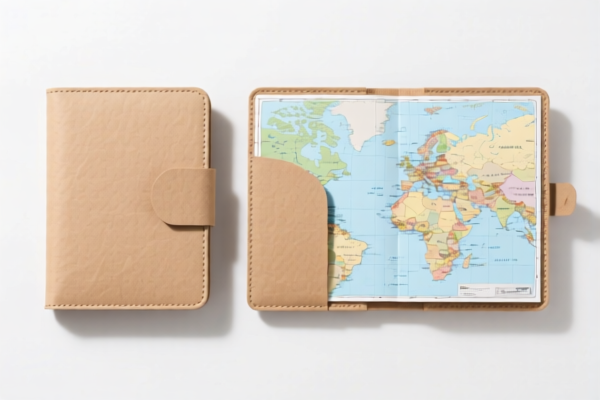

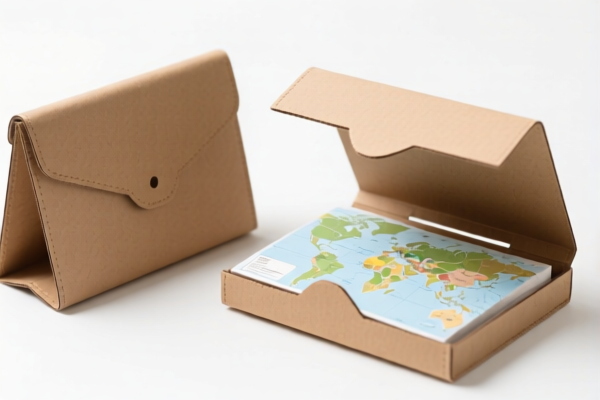
AI Analysis
📱 Phone Cases (Map Cases / Protective Covers)
🌐 HS Code Reference & Customs Clearance Guide | 2026 Latest Tariff Analysis | Professional Clearance Strategy
📌 1. Product Definition and Classification: Do You Really Understand "Phone Cases"?
Phone cases, often referred to as protective covers or "map cases" in certain regional classifications, are essential accessories for smartphones. In international trade, they are classified based on material composition and functionality.
Rubber/Silicone Cases: Made from vulcanized rubber or silicone, categorized under rubber制品.
Plastic/TPU Cases: Made from hard plastic, TPU (Thermoplastic Polyurethane), or other polymers, categorized under plastic articles.
Communication Equipment Parts: In some specific logical deductions, if the case is deemed an integral part of the communication device (though rare for standard accessories), it might be scrutinized under telecommunication parts.
⚠️ Key Distinction Point:
- If made of vulcanized rubber or silicone → Classified under Chapter 40 (Rubber)
- If made of plastic (ABS, PC, TPU, etc.) → Classified under Chapter 39 (Plastics)
- Misclassification Risk: Incorrectly classifying a plastic case as a communication part (HS 8517) can lead to massive tax hikes (67.5%) or vice versa.
📦 2. HS Code Classification Details (2026 Latest Tariff Authority Comparison)
Based on the provided data, here are the specific HS Codes and their corresponding tax implications for Map Cases/Phone Cases:
| HS Code | Product Description | Material | Category Logic | Total Tax Rate |
|---|---|---|---|---|
4016.99.05.00 |
Phone Case | Vulcanized Rubber / Silicone | Other household/personal items | 20.9% |
3926.90.99.89 |
Phone Case | Plastic (General) | Other plastic products (accessories) | 22.8% |
8517.79.00.00 |
Phone Case | Plastic/Silicone (Inferred) | Communication equipment parts | 67.5% |
3926.90.99.50 |
Phone Case | Plastic / TPU | Other plastic products (fallback) | 22.8% |
4016.99.60.50 |
Phone Case | Rubber / Plastic | Other vulcanized rubber products (fallback) | 37.5% |
🔍 Critical Insight:
- Lowest Risk/Lower Tax:4016.99.05.00(20.9%) and3926.90.99.89/.50(22.8%) are the most common and favorable classifications for standard cases.
- Highest Risk/Highest Tax:8517.79.00.00(67.5%) is extremely costly and should be avoided unless the product is a specialized industrial communication component, not a consumer accessory.
- Fallback Categories:3926.90.99.50and4016.99.60.50serve as "catch-all" categories when specific material descriptors are unclear, but they carry higher tax burdens (22.8% and 37.5% respectively).
💰 3. 2026 Latest Tariff Rate Details (Including Surcharges)
✅ Applicable Country: United States (US)
✅ Country of Origin: China (CN)
✅ Effective Time: Current regulations including Section 301 and IEEPA surcharges
🎯 1. 4016.99.05.00 —— Vulcanized Rubber/Silicone Phone Cases
| Item | Content |
|---|---|
| Base Tariff | 3.4% |
| Section 301 Surcharge | 7.5% |
| IEEPA / Section 122 Surcharge | 10% |
| Total Tax Rate | 20.9% |
| Calculation Basis | CIF Value × 20.9% |
| De Minimis Exemption | ❌ Not Eligible (High tax rate excludes it from standard de minimis benefits in many contexts) |
| Legal Basis | USITC Footnotes for Rubber Products + Trade Act Surcharges |
📌 Explanation:
- This is the most economical classification for rubber-based cases.
- The "122 Clause" or IEEPA surcharge of 10% is applied on top of the base and Section 301 rates.
🎯 2. 3926.90.99.89 & 3926.90.99.50 —— Plastic/TPU Phone Cases
| Item | Content |
|---|---|
| Base Tariff | 5.3% |
| Section 301 Surcharge | 7.5% |
| IEEPA / Section 122 Surcharge | 10% |
| Total Tax Rate | 22.8% |
| Calculation Basis | CIF Value × 22.8% |
| De Minimis Exemption | ❌ Not Eligible |
| Legal Basis | USITC Footnotes for Plastic Articles + Trade Act Surcharges |
📌 Note:
- Whether classified as general plastic (99.89) or fallback plastic (99.50), the tax rate remains 22.8%.
-3926.90.99.50is often used when the specific plastic type is not clearly defined, but the tax burden is identical to the more specific99.89.
🎯 3. 8517.79.00.00 —— Communication Equipment Parts (Misclassification Risk)
| Item | Content |
|---|---|
| Base Tariff | 0.0% |
| Section 301 Surcharge | 7.5% |
| IEEPA / Section 122 Surcharge | 10% |
| Section 232 Surcharge (Steel/Aluminum/Copper) | 50% |
| Total Tax Rate | 67.5% |
| Calculation Basis | CIF Value × 67.5% |
| De Minimis Exemption | ❌ Not Eligible |
| Legal Basis | IEEPA + USITC 8517 + Section 232 |
📌 Warning:
- This rate includes a massive 50% surcharge for steel/aluminum/copper components (if any) or general high-tier punitive tariffs.
- Avoid this classification for standard consumer phone cases unless they are specialized industrial comms parts.
- The base 0% is misleading; the effective rate is nearly 70%.
🎯 4. 4016.99.60.50 —— Fallback Rubber Product
| Item | Content |
|---|---|
| Base Tariff | 2.5% |
| Section 301 Surcharge | 25.0% |
| IEEPA / Section 122 Surcharge | 10% |
| Total Tax Rate | 37.5% |
| Calculation Basis | CIF Value × 37.5% |
| De Minimis Exemption | ❌ Not Eligible |
| Legal Basis | USITC Rubber Footnotes + High Section 301 |
📌 Note:
- The Section 301 surcharge is significantly higher (25%) for this fallback rubber category.
- Use this only if specific rubber classification (4016.99.05.00) is not applicable.
🛠️ 4. Customs Clearance Practical Advice (Avoid Pitfalls)
✅ 1. Documentation Checklist (Must-Haves)
| Document | Required | Notes |
|---|---|---|
| ✅ Product Specification Sheet | ✔️ | Must clearly state material (e.g., "Silicone," "TPU," "Polycarbonate") |
| ✅ Material Certificate | ✔️ | To prove rubber vs. plastic classification |
| ✅ Product Photos | ✔️ | Show the case alone, not attached to a phone (to avoid "set" classification issues) |
| ✅ Commercial Invoice | ✔️ | Describe as "Silicone Phone Case" or "Plastic Phone Case," NOT "Part of Telephone" |
| ✅ Packing List | ✔️ | Clear weight and dimensions |
✅ 2. Declaration Tips (Golden Rules)
🔥 "Material First, Part Second; Name Matters, Tax Saves!"
| Scenario | Correct Declaration | Wrong Declaration |
|---|---|---|
| Silicone Case | HS 4016.99.05.00Desc: "Silicone Protective Cover" |
HS 8517.79.00.00Desc: "Phone Part" |
| TPU Case | HS 3926.90.99.89Desc: "TPU Case" |
HS 4016.99.60.50Desc: "Rubber Accessory" |
| General Plastic | HS 3926.90.99.50Desc: "Plastic Case" |
HS 8517.79.00.00Desc: "Communications Device" |
📌 Key Advice:
- Do NOT describe the product as a "Part of a Telephone" or "Communication Equipment Component" unless it is technically a specialized industrial part.
- Always specify the material in the declaration (Silicone, Plastic, TPU, Rubber).
- Avoid fallback codes (3926.90.99.50or4016.99.60.50) if a more specific code (4016.99.05.00or3926.90.99.89) applies, as the specific codes may have lower or more predictable surcharges.
✅ 3. Special Cases
| Scenario | Handling Advice |
|---|---|
| Mixed Material Cases | If a case has a rubber grip and plastic body, classify based on the essential character or the majority material. Consult a customs broker if ambiguous. |
| Cases with Electronic Components | If the case has Bluetooth or charging functionality, it may fall under HS 8517. Seek professional ruling. |
| OEM/Custom Cases | Provide design files to prove the material composition. Avoid generic descriptions like "Accessory." |
🌍 5. Global Market Comparison (2026 Update)
| Country/Region | Recommended HS Code | Tariff (China Origin) | Notes |
|---|---|---|---|
| 🇺🇸 USA | 3926.90.99.89 or 4016.99.05.00 |
20.9% - 22.8% | High surcharges apply. Avoid 8517 (67.5%). |
| 🇪🇺 EU | 3926.90.99 or 4016.99 |
0% - 4% | Low tariffs, but high VAT. No Section 301. |
| 🇨🇳 China | 3926.90.99 or 4016.99 |
5% - 10% | Standard import tariffs. |
| 🇬🇧 UK | 3926.90.99 or 4016.99 |
0% - 4% | Post-Brexit tariffs apply. |
📌 Conclusion:
- The USA market is the most challenging due to high punitive surcharges.
- Accurate material declaration is the single most important factor to keep tax rates at ~21-23% instead of 67.5%.
📌 6. Common Mistakes & Pitfalls (Blood Lessons)
❌ Mistake 1: Classifying a silicone case as 8517.79.00.00 (Communication Part)
👉 Result: Tax jumps to 67.5%.
👉 Fix: Declare as "Silicone Rubber Case" under 4016.99.05.00.
❌ Mistake 2: Vague description "Accessory"
👉 Result: Customs may apply the fallback rate of 37.5% (4016.99.60.50) or 22.8% (3926.90.99.50) due to lack of clarity.
👉 Fix: Specify "TPU" or "Polycarbonate" for plastic cases.
❌ Mistake 3: Ignoring the 122/IEEPA 10% Surcharge
👉 Result: Underestimating landed cost by 10%.
👉 Fix: Always add 10% to your cost model for China-origin goods entering the US.
🎯 7. Conclusion: Professional Declaration, Cost Optimization
🎯 Remember the Mantra:
🔹 "Rubber is 20.9%, Plastic is 22.8%, Communication Part is 67.5%!"
🔹 "Specify Material, Avoid Fallbacks, Save Thousands!"
📌 Tip:
For high-volume imports, consider applying for an Advance Ruling (Pre-Decision) with US Customs and Border Protection (CBP) to lock in the correct HS Code and tax rate.
📣 Immediate Action:
📞 Contact a Customs Broker
📄 Provide Material Certificates
🚀 Ensure HS Code3926.90.99.89or4016.99.05.00is Used
✨ Precise Classification Starts with Clear Material Definition!
💼 Your Profit Margin Depends on a 46.6% Tax Difference!
Customer Reviews
About HS Code Classification
The Harmonized System (HS) is an internationally standardized nomenclature developed by the World Customs Organization (WCO) to classify traded products. Over 200 countries use the HS system as the basis for customs tariffs, trade statistics, and import/export regulations.
Each HS code follows a hierarchical structure:
- Chapter (2 digits) — Broad category of goods (e.g., Chapter 84: Machinery and Mechanical Appliances)
- Heading (4 digits) — More specific grouping within the chapter
- Subheading (6 digits) — Internationally standardized breakdown, used by all WCO member countries
- National subdivisions (8-10 digits) — Country-specific extensions for further classification, such as US HTSUS 10-digit codes
Correct HS code classification is essential for smooth customs clearance, accurate duty payment, and compliance with trade regulations. Misclassification can lead to customs delays, overpayment of duties, or penalties.
When importing from CN to US, the applicable tariff rates may include:
- Most-Favored-Nation (MFN) rate — The standard duty rate applied to WTO members
- General rate — Applied to countries without trade agreements
- Trade remedy duties — Additional tariffs such as Section 301 (anti-dumping), Section 232 (national security), or countervailing duties
The information provided on this page is for reference purposes only. For official classification, please consult with your local customs authority or a licensed customs broker.