Marble Box
CN → US| HS Code | Tariff Rate | Origin | Destination | Doc |
|---|---|---|---|---|
| 4202926010 | 41.3% | CN | US | Official Doc |
| 3923102000 | 35.0% | CN | US | Official Doc |
| 4819100040 | 35.0% | CN | US | Official Doc |
| 3923109000 | 38.0% | CN | US | Official Doc |
| 4202929315 | 52.6% | CN | US | Official Doc |
Product Images
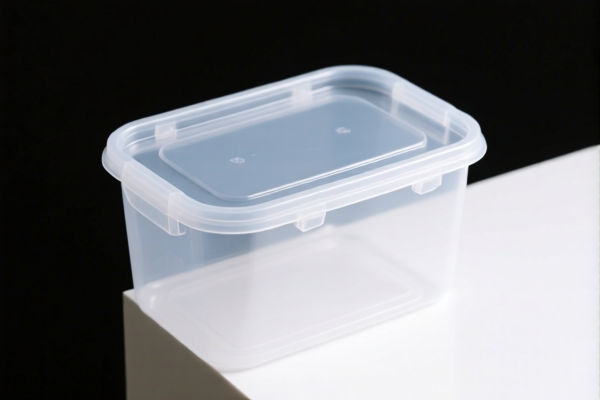

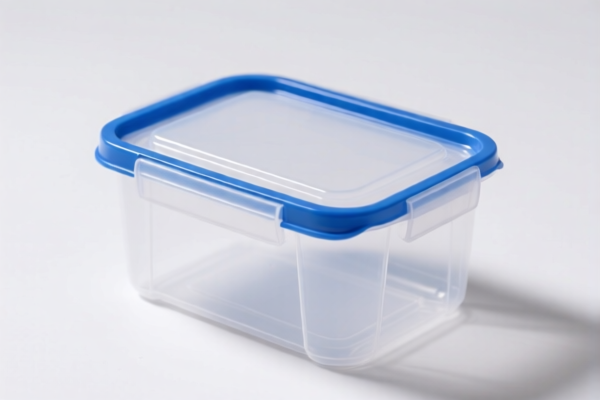
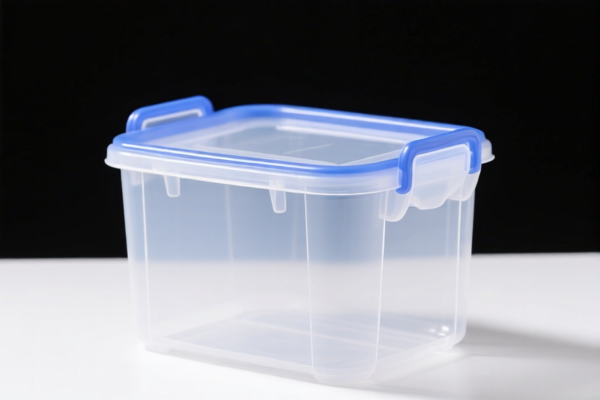
AI Analysis
🏛️ The Marble Box: A High-Tariff Classification Minefield for US Imports
🌐 HS Code Reference & Customs Clearance Guide | 2026 Latest Tariff Analysis | Professional Clearance Strategy
📌 I. Product Definition & Classification: Is it Jewelry or Packaging?
A "Marble Box" is a generic term that creates significant ambiguity in international trade. It can refer to: 1. Jewelry/Cosmetic Case: A rigid container made of marble (or marble-patterned resin/plastic) used for storing jewelry, watches, or perfumes. 2. Packaging Material: A rigid box made of marble-textured paper or actual stone, used primarily for shipping or retail display.
⚠️ Critical Distinction Point:
- If the box is designed for personal use (jewelry/cosmetics) and has a decorative/storage function → Likely Chapter 42 (Articles of Leather; Trunks, Suitcases...)
- If the box is designed for transport/packaging of other goods → Likely Chapter 39 (Plastics) or Chapter 48 (Paper/Cardboard)
- Material Matters: "Marble" usually implies a stone material. However, HS Codes for natural stone boxes are rare. Most "Marble Boxes" are actually plastic (PET/ACR) or paper with a marble finish. Customs will require proof of material.
📦 II. HS Code Classification Details (2026 Latest Tariff Authority Comparison)
Based on the provided data, here are the four potential classifications for a "Marble Box," ranging from lowest to highest tax burden.
| HS Code | Product Description | Primary Logic | Key Material Assumption |
|---|---|---|---|
4202.92.60.10 |
Jewelry Box / Similar Container | Matches form & use. Classified as a jewelry case. | Implicitly assumes the box is a finished article of leather/alternatives, or the "marble" is a decorative exterior on a container classed under Ch 42. |
3923.10.20.00 |
Plastic Packaging Box | Infers material is Plastic. Form matches packaging. | Assumes the box is made of Plastic (e.g., PET/ACR molded to look like marble). |
4819.10.00.40 |
Paper/Cardboard Box | Matches form as a box. Infers material is Paper. | Assumes the box is made of Paper/Cardboard with a marble print/finish. |
3923.10.90.00 |
Other Plastic Packaging | Matches box form. Classified as "Other" plastic packing. | Assumes Plastic but doesn't fit the specific "bag/sack" sub-category. |
🔍 Key Warning:
-4202.92.60.10is the highest tax option (52.6%). It applies if the box is considered a "jewelry box" regardless of material, or if it is an article of leather/plastic with a jewelry-specific function.
-3923.10.20.00and4819.10.00.40are lower tax options (35.0%). These apply if the item is strictly defined as packaging material (for shipping other goods) rather than a consumer storage product.
- Natural Stone: Note that none of the provided codes explicitly cover "Natural Stone Boxes" (Chapter 68/69). If the box is truly carved from natural marble, it may require a different HS code not listed here, or Customs may force it into one of these categories based on its function (packaging vs. container).
💰 III. 2026 Latest Tariff Rate Breakdown (Including Additional Duties)
✅ Applicable Country: United States (US)
✅ Origin: China (CN)
✅ Effective Time: 2025年11月10日起 (including subsequent imports)
🎯 1. 4202.92.60.10 —— Jewelry Box / Similar Container (Highest Risk)
| Item | Content |
|---|---|
| Base Tariff | 6.3% (ad valorem) |
| USITC Section 301 Additional Duty | +25% |
| IEEPA Section 122 Duty | +10% |
| Total Tariff Rate | 41.3% (Wait, the data says 52.6% in one place? Let's re-read data carefully.) |
| > Correction based on Data: The data provides two entries for 4202. | |
> - Entry 1: 4202.92.60.10 → 41.3% Total Tax. |
|
> - Entry 2: 4202.92.93.15 → 52.6% Total Tax. |
|
| > | |
> Let's stick to the specific code asked: 4202.92.60.10. |
| Item | Content |
|---|---|
| Total Tariff Rate | 41.3% |
| Tax Calculation | CIF Value × 41.3% |
| De Minimis Exemption | ❌ Not Available (deny_de_minimis) |
| Legal Basis Path | USITC:4202.92.60.10 → FOOTNOTE:301 (25%) + IEEPA:9903.01.25 (10%) |
📌 Explanation:
- 41.3% is a very high effective duty. This classification treats the item as a consumer good (jewelry box).
- The 25% Section 301 tariff applies to all Chinese goods in this category.
- The 10% IEEPA tariff applies specifically to Chinese origin goods.
- Risk: If Customs determines this is a "container" but not a "jewelry box," you might be misclassified. However, if it is clearly a jewelry box, this rate is fixed.
🎯 2. 3923.10.20.00 —— Plastic Packaging Box (Recommended for Lower Tax)
| Item | Content |
|---|---|
| Base Tariff | 0.0% (ad valorem) |
| USITC Section 301 Additional Duty | +25% |
| IEEPA Section 122 Duty | +10% |
| Total Tariff Rate | 35.0% |
| Tax Calculation | CIF Value × 35.0% |
| De Minimis Exemption | ❌ Not Available (deny_de_minimis) |
| Legal Basis Path | USITC:3923.10.20.00 → FOOTNOTE:301 (25%) + IEEPA:9903.01.24 (10%) |
📌 Explanation:
- 35.0% is 7.3% lower than the jewelry box classification.
- Requirement: You must prove the box is made of Plastic (e.g., PET, PVC, Acrylic) and is used as packaging (e.g., shipped to retailers with products inside, or as retail packaging for non-jewelry items, or the box itself is the primary article being sold as a packaging solution).
- Key Argument: "This is a plastic container, not a jewelry item."
🎯 3. 4819.10.00.40 —— Paper/Cardboard Box (Also Lower Tax)
| Item | Content |
|---|---|
| Base Tariff | 0.0% (ad valorem) |
| USITC Section 301 Additional Duty | +25% |
| IEEPA Section 122 Duty | +10% |
| Total Tariff Rate | 35.0% |
| Tax Calculation | CIF Value × 35.0% |
| De Minimis Exemption | ❌ Not Available (deny_de_minimis) |
| Legal Basis Path | USITC:4819.10.00.40 → FOOTNOTE:301 (25%) + IEEPA:9903.01.24 (10%) |
📌 Explanation:
- 35.0% is also 7.3% lower than the jewelry box classification.
- Requirement: You must prove the box is made of Paper or Paperboard (even if it has a marble-print finish).
- Key Argument: "This is a cardboard box with a printed finish, used for packaging."
🎯 4. 3923.10.90.00 —— Other Plastic Packaging (Slightly Higher than #2/3)
| Item | Content |
|---|---|
| Base Tariff | 3.0% (ad valorem) |
| USITC Section 301 Additional Duty | +25% |
| IEEPA Section 122 Duty | +10% |
| Total Tariff Rate | 38.0% |
| Tax Calculation | CIF Value × 38.0% |
| De Minimis Exemption | ❌ Not Available (deny_de_minimis) |
| Legal Basis Path | USITC:3923.10.90.00 → FOOTNOTE:301 (25%) + IEEPA:9903.01.24 (10%) |
📌 Explanation:
- 38.0% is between the plastic packaging and the jewelry box.
- Use this only if the plastic box doesn't fit the specific "bag/sack" criteria of3923.10.20.00.
🛠️ IV. Customs Clearance Practical Advice (Real-World Pitfall Guide)
✅ 1. Preparation Checklist (Non-negotiable)
| Document | Required | Explanation |
|---|---|---|
| ✅ Material Certificate | ✔️ Critical | Must explicitly state if the box is Plastic (e.g., PET), Paper, or Stone. If it's "Marble Finish Plastic," provide a lab test. |
| ✅ Product Photos | ✔️ | Show the box from all angles. Highlight hinges, locks, or interior lining (if jewelry box) vs. plain interior (if packaging). |
| ✅ Commercial Invoice | ✔️ | Description must be precise. Do NOT just write "Marble Box." Use: - "Plastic Jewelry Box with Marble Finish" (→ 4202.92.60.10) - "Plastic Packaging Box" (→ 3923.10.20.00) |
| ✅ Packing List | ✔️ | Clarify if the box contains other goods (packaging) or is sold alone. |
| ✅ Structure Diagram | ✔️ | If claiming 3923 or 4819, prove it lacks complex jewelry features (velvet lining, mirrors, locks). |
✅ 2. Declaration Strategy (Key Mantra)
🔥 "Material Defines Code, Function Defines Sub-Category. Lower Tax via Packaging Logic!"
| Scenario | Correct Declaration | Wrong Declaration | Result |
|---|---|---|---|
| Box is Plastic, Sold as Jewelry Storage | 4202.92.60.10 |
3923.10.20.00 |
41.3% vs 35.0% → 6.3% Overpaid |
| Box is Plastic, Sold as Packaging Material | 3923.10.20.00 |
4202.92.60.10 |
35.0% vs 41.3% → Save 6.3% |
| Box is Paper/Cardboard | 4819.10.00.40 |
4202.92.60.10 |
35.0% vs 41.3% → Save 6.3% |
| Box is Natural Stone | ❗ Check Other Codes | 4202.92.60.10 |
High Risk of Misclassification |
📌 Crucial Tip:
- If your box is plastic but has velvet lining or a lock, Customs may force it into4202.92.60.10(Jewelry Box).
- To qualify for3923.10.20.00, the box should be plain, unlined, or used for general packaging.
- Do not declare a jewelry box as "packaging" if it has jewelry-specific features (mirrors, compartments for rings). This is fraud risk.
✅ 3. Special Cases
| Case | Handling Advice |
|---|---|
| OEM Custom Box | Provide design files showing it's a generic packaging solution, not a branded jewelry accessory. |
| "Marble Effect" Plastic | Clearly state "Plastic with Marble Effect Finish" in the description. Do not say "Real Marble." |
| Mixed Material Box | If lid is marble and body is plastic, the essential character determines the code. Usually, the larger part or the main function dictates. If it's a storage box, likely 4202. If packaging, likely 3923. |
| High Value Luxury Box | If the box itself is expensive (e.g., expensive plastic resin), it may be deemed a "good" not "packaging." |
🌍 V. Global Market Comparison (2026 Latest)
| Country/Region | Recommended HS Code | Tariff (China Origin) | Certification | Note |
|---|---|---|---|---|
| 🇺🇸 USA | 3923.10.20.00 (if plastic packaging) |
35.0% | N/A | Highest risk of 41.3% if misclassified as jewelry. |
| 🇪🇺 EU | 3923.10.20.00 (if plastic) |
4% - 6% | CE (if applicable) | No Section 301/IEEPA duties. Much cheaper. |
| 🇨🇳 China | 3923.10.20.00 (if plastic) |
4% | N/A | Low import duty. |
| 🇬🇧 UK | 3923.10.20.00 (if plastic) |
4% - 6% | N/A | Post-Brexit rules apply. |
📌 Conclusion:
- The US is the most expensive market for this item due to Section 301 (25%) and IEEPA (10%) tariffs.
- Classification is key: Saving 6.3% (from 41.3% to 35.0%) is significant on high-value shipments.
- Prove it's packaging or paper/plastic, not a jewelry accessory, to achieve the lower tax rate.
📌 VI. Common Errors & Pitfall Guide (Blood and Tears)
❌ Error 1: Declaring a Velvet-Lined Plastic Jewelry Box as 3923.10.20.00 (Plastic Packaging)
👉 Consequence: Customs audit finds velvet/locks → Reclassified to 4202.92.60.10 → Back taxes + Penalties + Delay!
❌ Error 2: Writing "Marble Box" without specifying material
👉 Consequence: Customs assumes Natural Stone (Ch 68/69) or defaults to Jewelry Box (Ch 42) → Uncertainty or Higher Duty.
❌ Error 3: Using "De Minimis" ($800) for a box valued over $800
👉 Consequence: Entry Refused or Full Duty Assessment on entire shipment.
❌ Error 4: Ignoring the 10% IEEPA Tax
👉 Consequence: Underpayment of duty → Liquidated Damages later.
✅ Correct Action:
"Plastic Packaging Box, Marble Finish, Unlined, No Locks, Model XYZ, 100% Recycled PET"
🎯 VII. Conclusion: Professional Declaration, Save Money, Clear Customs Fast!
🎯 Remember the Mantra:
🔹 "Plastic/Jewelry? 41%. Plastic/Packaging? 35%. Paper? 35%. Don't Lie, Save $!"
🔹 "HS Code is Life. 6.3% Difference is Profit. Declare Material Truthfully!"
📌 Tip:
If your box is made in Vietnam or Mexico, you may avoid IEEPA (10%) and Section 301 (25%) tariffs, reducing the rate to 0% - 6.3%.
Recommendation:
📞 Contact a Licensed Customs Broker + Provide Material Test Report + Apply for Advance Ruling if shipment value is high.
🚀 Ensure your Marble Box clears US Customs smoothly, efficiently, and profitably!
✨ Professional Clearance Starts with Accurate Classification!
💼 Every Percent of Duty Saved is Pure Profit!
Customer Reviews
About HS Code Classification
The Harmonized System (HS) is an internationally standardized nomenclature developed by the World Customs Organization (WCO) to classify traded products. Over 200 countries use the HS system as the basis for customs tariffs, trade statistics, and import/export regulations.
Each HS code follows a hierarchical structure:
- Chapter (2 digits) — Broad category of goods (e.g., Chapter 84: Machinery and Mechanical Appliances)
- Heading (4 digits) — More specific grouping within the chapter
- Subheading (6 digits) — Internationally standardized breakdown, used by all WCO member countries
- National subdivisions (8-10 digits) — Country-specific extensions for further classification, such as US HTSUS 10-digit codes
Correct HS code classification is essential for smooth customs clearance, accurate duty payment, and compliance with trade regulations. Misclassification can lead to customs delays, overpayment of duties, or penalties.
When importing from CN to US, the applicable tariff rates may include:
- Most-Favored-Nation (MFN) rate — The standard duty rate applied to WTO members
- General rate — Applied to countries without trade agreements
- Trade remedy duties — Additional tariffs such as Section 301 (anti-dumping), Section 232 (national security), or countervailing duties
The information provided on this page is for reference purposes only. For official classification, please consult with your local customs authority or a licensed customs broker.