Marine Interior Horse Leather
CN → US| HS Code | Tariff Rate | Origin | Destination | Doc |
|---|---|---|---|---|
| 4114203000 | 37.3% | CN | US | Official Doc |
| 4104411040 | 35.0% | CN | US | Official Doc |
| 4104491020 | 35.0% | CN | US | Official Doc |
| 4107125000 | 12.8% | CN | US | Official Doc |
| 4107115000 | 12.8% | CN | US | Official Doc |
Product Images
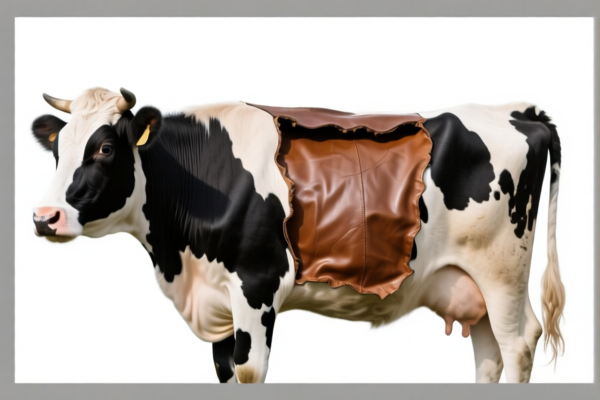
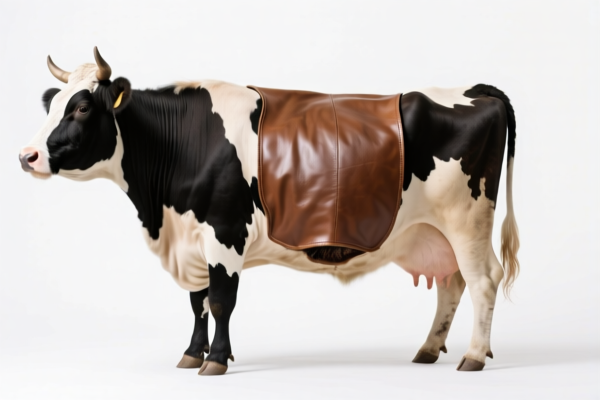
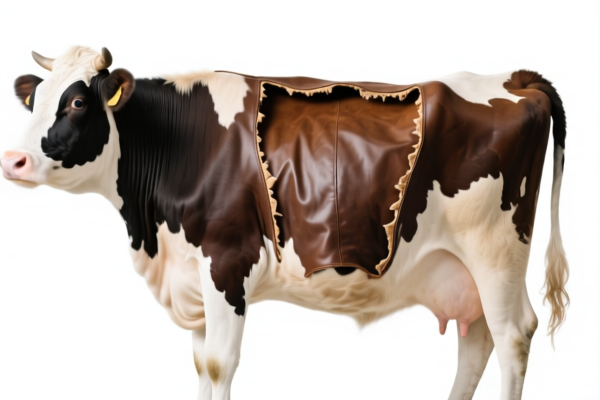
AI Analysis
🐎 Marine Interior Horse Leather | Premium Hide Classification Guide
🌐 HS Code Reference & Customs Clearance Strategy | 2026 Latest Tariff Analysis | Professional Logistics Insights
📌 I. Product Definition & Classification: What is "Marine Interior Horse Leather"?
Marine interior horse leather refers to high-grade equine hides processed specifically for use in luxury yacht, boat, and marine vehicle interiors. It combines durability, moisture resistance, and aesthetic appeal. In international trade, the classification depends heavily on the degree of processing, surface finish, and intended application.
⚠️ Key Distinction Points:
- If the leather is highly processed (varnished, suede-like, or metallized) specifically for interior lining → Falls under Chapter 41.14 (Finished leather goods).
- If the leather is roughly tanned or lightly processed (raw hide/semi-processed) → Falls under Chapter 41.04 (Tanned leather).
- If the leather is fully processed but not specifically treated for luxury finishing (e.g., standard dried hides) → Falls under Chapter 41.07 (Processed animal leather).
📦 II. HS Code Classification Details (2026 Latest Tariff Authority Comparison)
| HS Code | Product Description | Application Scenario | Processing Level |
|---|---|---|---|
4114.20.30.00 |
Horse leather for automotive/marine interiors, classified as varnished/suede/metallized leather | Luxury yacht seats, dashboard trims, high-end interior panels | ✅ High Processing (Surface treated) |
4104.41.10.40 |
Horse leather for interior lining, classified as rough-tanned leather | Interior lining, under-seat padding, basic upholstery | ✅ Medium Processing (Rough tanning) |
4104.49.10.20 |
Horse leather as dried/partially processed hides | Bulk processing stage, pre-embellishment leather | ✅ Low-Medium Processing (Dried state) |
4107.12.50.00 |
Processed horse leather for interior decoration | Standard interior decoration, non-surface-treated leather | ✅ Full Processing (Finished but not specialized) |
4107.11.50.00 |
Processed horse leather for general decoration/padding | General upholstery, standard leather goods | ✅ Full Processing (Standard finished leather) |
🔍 Critical Reminder:
- Surface Treatment Matters: If the leather has a varnish, suede finish, or metallized coating, it MUST be classified under 4114.20.30.00. Misclassifying as "raw tanned leather" leads to severe penalties.
- State of Drying: Hides that are merely dried or salted without full tanning fall under 4104. Fully tanned and finished leathers fall under 4107.
- Intended Use: "Interior" use implies high-quality processing. Do not declare "industrial leather" if it is clearly for luxury interiors.
💰 III. 2026 Latest Tariff Rate Breakdown (Including Surcharges & Policy Add-ons)
✅ Applicable Country: United States (US)
✅ Country of Origin: China (CN)
✅ Effective Date: November 10, 2025 onwards (for subsequent imports)
🎯 1. 4114.20.30.00 —— Varnished/Suede/Metallized Leather (High-End Interior)
| Item | Details |
|---|---|
| Base Tariff | 2.3% (ad valorem) |
| Section 301 Surcharge | +25.0% (USITC Footnote 9903.88.01) |
| Section 122 Tariff | +10.0% (Targeted Chinese imports) |
| Total Tax Rate | 37.3% |
| Tax Calculation | CIF Value × 37.3% |
| De Minimis Exemption? | ❌ NO (deny_de_minimis) |
| Legal Basis Path | IEEPA:9903.01.25 → USITC:4114.20.30.00 → SECTION122:10% |
📌 Explanation:
- Base 2.3%: Standard MFN rate for finished leather goods.
- 301 Surcharge 25%: Applies to all Chinese-origin leather products under HTS 4114.
- Section 122 10%: Additional tariff on specific Chinese imports (often applied to textiles/leathers).
- Total 37.3%: Extremely High. This is the most costly category due to heavy surcharges.
🎯 2. 4104.41.10.40 & 4104.49.10.20 —— Rough-Tanned or Dried Leather (Medium Processing)
| Item | Details |
|---|---|
| Base Tariff | 0.0% (ad valorem) |
| Section 301 Surcharge | +25.0% |
| Section 122 Tariff | +10.0% |
| Total Tax Rate | 35.0% |
| Tax Calculation | CIF Value × 35.0% |
| De Minimis Exemption? | ❌ NO (deny_de_minimis) |
| Legal Basis Path | IEEPA:9901.25 → USITC:4104.41.10.40 → SECTION122:10% |
📌 Note:
- Although the base rate is 0%, the 301 surcharge (25%) and Section 122 (10%) still apply.
- 35.0% is slightly lower than the 37.3% for finished leather, but still very high.
- Caution: Do not misdeclare "finished leather" as "dried hide" to save 2.3%. CBP (Customs and Border Protection) will inspect physical samples. If varnish/suede is present, you will be reclassified + fined.
🎯 3. 4107.12.50.00 & 4107.11.50.00 —— Processed Horse Leather (Standard Finished)
| Item | Details |
|---|---|
| Base Tariff | 2.8% (ad valorem) |
| Section 301 Surcharge | +0.0% (Exempt or Lower Category) |
| Section 122 Tariff | +10.0% |
| Total Tax Rate | 12.8% |
| Tax Calculation | CIF Value × 12.8% |
| De Minimis Exemption? | ❌ NO (deny_de_minimis) |
| Legal Basis Path | IEEPA:9903.01.24 → USITC:4107.12.50.00 → SECTION122:10% |
📌 Critical Insight:
- Base 2.8%: Standard rate for processed animal leather.
- 301 Surcharge 0%: IMPORTANT! This specific subheading (4107) may be exempt from the 25% Section 301 tariff depending on current exclusions or specific HTS interpretations. Verify this with a customs broker, as exclusions change frequently.
- Section 122 10%: Still applies.
- Total 12.8%: Significantly Lower than other categories. This is the most cost-effective classification IF the leather qualifies as "standard processed leather" without special surface treatments (varnish/suede/metallized).
🛠️ IV. Customs Clearance Practical Advice (Real-World Pitfall Avoidance)
✅ 1. Documentation Checklist (Non-Negotiable)
| Document | Required | Explanation |
|---|---|---|
| ✅ Product Spec Sheet | ✔️ | Must detail: Tanning method, surface finish (varnish/suede/dried), thickness, and intended use (Marine Interior). |
| ✅ Physical Sample | ✔️ | CBP will likely request a sample to verify surface treatment. |
| ✅ Commercial Invoice | ✔️ | Clearly state "Horse Leather for Marine Interior Use." Do not use generic terms like "Animal Hide." |
| ✅ Bill of Lading | ✔️ | Ensure weight and dimensions match invoice. |
| ✅ Certificate of Origin | ✔️ | Required for Section 122 tariff assessment. |
| ✅ Processing Flow Chart | ✔️ | Show steps: Skinning → Soaking → Tanning → Drying → Surface Treatment. Crucial for 4114 vs 4107 distinction. |
✅ 2. Declaration Strategy (Key Mantra)
🔥 “Surface Defines Code, Finish Dictates Duty, Be Honest to Save Money!”
| Scenario | Correct Declaration | Wrong Action | Consequence |
|---|---|---|---|
| Varnished/Suede/Metallized Finish | 4114.20.30.00 |
Declare as 4107 |
Audit + Fine + Back Taxes (37.3% vs 12.8%) |
| Rough Tanned/Unfinished | 4104.41.10.40 / 4104.49.10.20 |
Declare as 4107 |
Reclassification + Delays |
| Standard Finished (No Special Coat) | 4107.12.50.00 / 4107.11.50.00 |
Declare as 4114 |
Overpaying 24.5% (37.3% - 12.8%) |
| Mixed Shipments | Split Declaration | Combine into one HS Code | Partial Rejection + High Inspection Rate |
✅ 3. Special Handling Scenarios
| Scenario | Recommendation |
|---|---|
| OEM Custom Leather | Provide client’s technical drawings showing surface treatment. If no varnish/suede, argue for 4107. |
| Marine-Specific Treatment | If treated for water resistance but not varnished/suede, still aim for 4107. Do not use "varnished" unless applied. |
| Sample vs Bulk | Clear sample first to test classification. If 4107 is approved, apply for Pre-Ruling (GBR) for bulk shipments. |
| Section 301 Exclusion Search | Check if 4107.12.50.00 currently has a Section 301 exclusion. If yes, total rate could drop to 2.8%. |
🌍 V. Global Market Comparison (2026 Latest)
| Country/Region | Recommended HS Code | Tariff Rate | Certification | Note |
|---|---|---|---|---|
| 🇺🇸 USA | 4107.12.50.00 |
12.8% | None | Highest risk of audit; ensure accurate surface description. |
| 🇨🇳 China | 4107.12.50.00 |
5-10% | CCC (if applicable) | Lower base rates; no Section 122. |
| 🇪🇺 EU | 4107.12.50.00 |
6.5% | REACH Compliance | No Section 301/122; standard MFN applies. |
| 🇬🇧 UK | 4107.12.50.00 |
6.5% | UKCA | Post-Brexit rules similar to EU. |
📌 Conclusion:
- USA is the most expensive market due to Section 301 and Section 122 tariffs.
- Classification accuracy is critical: A 24.5% difference exists between4114(37.3%) and4107(12.8%).
- Do NOT under-declare "finished leather" as "dried hide." CBP uses AI and physical inspections to catch this.
📌 VI. Common Errors & Pitfalls (Lessons Learned)
❌ Error 1: Declaring "Varnished Leather" as 4107 to save 24.5%
👉 Result: CBP inspects sample, finds varnish, reclassifies to 4114, adds penalties + interest. Loss: $10,000+.
❌ Error 2: Using "Horse Skin" instead of "Horse Leather" in invoice
👉 Result: CBP doubts processing level, delays shipment for 2-4 weeks. Loss: Storage fees + Demurrage.
❌ Error 3: Ignoring Section 122 Tariff
👉 Result: Underpaid 10% on all categories. Result: Back taxes + Audit.
❌ Error 4: Mixing "Rough Tanned" and "Finished" in one shipment without split declaration
👉 Result: Entire shipment held for classification review. Loss: Time + Demurrage.
✅ Correct Approach:
"Varnished/Suede/Metallized = 4114.20.30.00 (37.3%)
Rough Tanned/Dried = 4104 (35.0%)
Standard Finished = 4107 (12.8%)"
Verify surface treatment with a lab test if unsure.
🎯 VII. Conclusion: Smart Classification, Maximum Profit
🎯 Remember the Mantra:
🔹 "Surface Treatment is King: Varnish/Suede = 37.3%, Standard = 12.8%."
🔹 "Section 122 Adds 10% to ALL Categories: Budget For It!"
🔹 "Accuracy Saves 24.5%: Don’t Gamble with CBP Inspections."
📌 Pro Tip:
If your horse leather does NOT have varnish, suede, or metallized coating, AND is fully tanned and finished, aggressively pursue classification under 4107.12.50.00 or 4107.11.50.00.
✅ Potential Savings: 24.5% lower tariff (37.3% vs 12.8%).
🚀 Action:
📞 Consult a US Customs Broker + Submit Pre-Ruling Request + Provide Surface Treatment Lab Report
💡 Your Cost Control Starts with Accurate HS Classification!
✨ Professional Clearance, Precise Classification, Maximum Efficiency!
💼 Every Penny Saved is Pure Profit in International Trade!
Customer Reviews
About HS Code Classification
The Harmonized System (HS) is an internationally standardized nomenclature developed by the World Customs Organization (WCO) to classify traded products. Over 200 countries use the HS system as the basis for customs tariffs, trade statistics, and import/export regulations.
Each HS code follows a hierarchical structure:
- Chapter (2 digits) — Broad category of goods (e.g., Chapter 84: Machinery and Mechanical Appliances)
- Heading (4 digits) — More specific grouping within the chapter
- Subheading (6 digits) — Internationally standardized breakdown, used by all WCO member countries
- National subdivisions (8-10 digits) — Country-specific extensions for further classification, such as US HTSUS 10-digit codes
Correct HS code classification is essential for smooth customs clearance, accurate duty payment, and compliance with trade regulations. Misclassification can lead to customs delays, overpayment of duties, or penalties.
When importing from CN to US, the applicable tariff rates may include:
- Most-Favored-Nation (MFN) rate — The standard duty rate applied to WTO members
- General rate — Applied to countries without trade agreements
- Trade remedy duties — Additional tariffs such as Section 301 (anti-dumping), Section 232 (national security), or countervailing duties
The information provided on this page is for reference purposes only. For official classification, please consult with your local customs authority or a licensed customs broker.