Masonry Mortar
CN → US| HS Code | Tariff Rate | Origin | Destination | Doc |
|---|---|---|---|---|
| 3824500010 | 35.0% | CN | US | Official Doc |
| 3824500050 | 35.0% | CN | US | Official Doc |
Product Images
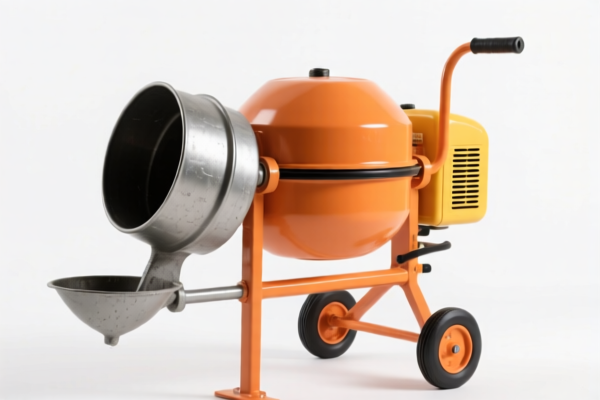
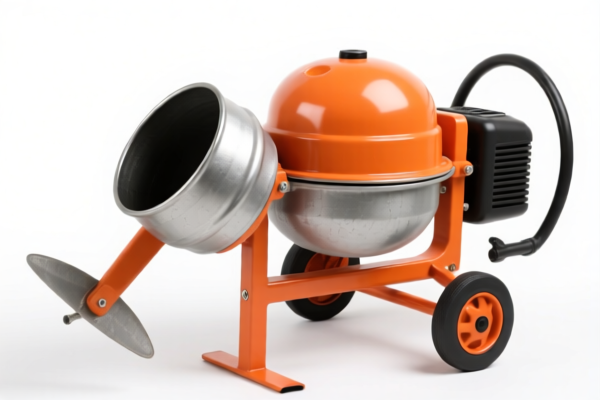
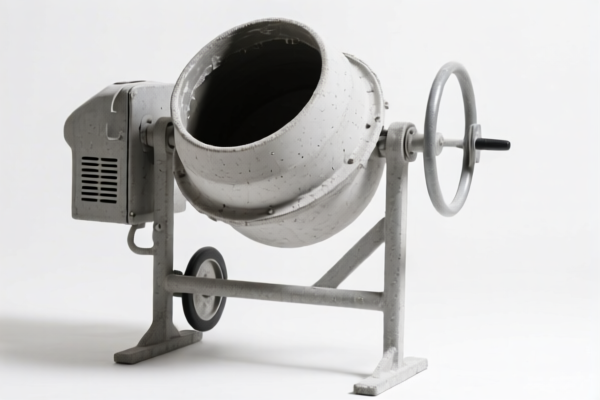
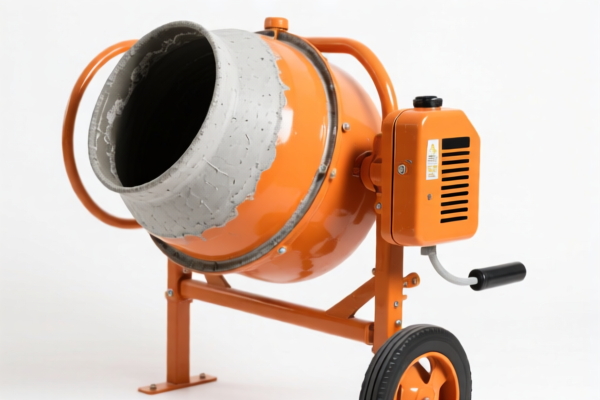
AI Analysis
🧱 Masonry Mortar (Prepared Binders for Foundry Molds/Cores / Nonrefractory Mortars and Concretes)
🌐 HS Code Reference & Customs Clearance Guide | 2026 Latest Tariff Analysis | Professional Customs Strategy
📌 I. Product Definition & Classification: What Exactly is "Masonry Mortar" in International Trade?
In the complex world of chemical and construction imports, the term "Masonry Mortar" is a broad descriptor that must be dissected into specific chemical and physical forms to determine the correct Harmonized System (HS) Code. Based on the provided data, these products fall under Chapter 38: Prepared Binders for Foundry Molds or Cores; Chemical Products and Preparations...
These are not simple sand-and-cement mixes found in retail stores. They are industrial chemical preparations used for binding materials in foundries (metal casting) or specific non-refractory construction applications.
Key Distinction for Classification: 1. Foundry Binders (Wet): Liquid or paste-like chemical preparations used to bind sand molds for metal casting. These often contain resins, clay, or other chemical binders. 2. Non-refractory Mortars and Concretes (Other): Mixtures designed for general construction or industrial use that cannot withstand extremely high temperatures (unlike refractory mortars used in furnaces).
⚠️ Critical Classification Point:
- If the product is a liquid chemical binder for foundry sand molds → It is classified under 3824.50.00.10 ("Wet").
- If the product is a solid/semi-solid non-refractory mortar not specifically described elsewhere → It is classified under 3824.50.00.50 ("Other").
- Do not confuse these with Chapter 25 (Natural stones, plaster, cement) or Chapter 68 (Articles of stone/plaster/concrete). The presence of specific chemical preparations and the foundry application often pushes them into Chapter 38.
📦 II. HS Code Classification Details (2026 Latest Tariff Authority Cross-Reference)
| HS Code | Product Description | Application Scenario | Physical State/Key Feature |
|---|---|---|---|
3824.50.00.10 |
Prepared binders for foundry molds or cores: Wet | Foundry sand binding, metal casting molds, chemical slurry binders | ✅ Liquid/Paste (Wet) |
3824.50.00.50 |
Prepared binders for foundry molds or cores: Other (Nonrefractory mortars and concretes) | General industrial mortar, non-furnace concrete mixtures, chemical mortar preparations | ✅ Semi-Solid/Solid (Non-refractory) |
🔍 Key Reminder:
- The heading 3824 covers "Prepared binders for foundry molds or cores."
- The sub-heading 3824.50 specifically isolates Nonrefractory mortars and concretes.
- If a mortar is refractory (heat-resistant for kilns/furnaces), it would fall under Chapter 69 (Ceramic Products), NOT here. The provided data strictly covers Non-refractory types.
- Both codes listed in the data share the exact same tax structure.
💰 III. 2026 Latest Tariff Rate Details (Including Additional Taxes & Policy Add-ons)
✅ Applicable Country: United States (US)
✅ Country of Origin: China (CN) (Inferred from the 25% additional tariff which is standard for US-China trade under Section 301)
✅ Effective Date: 2025/2026 Tariff Period
🎯 1. 3824.50.00.10 —— Prepared Binders for Foundry Molds (Wet)
| Item | Content |
|---|---|
| Base Tariff Rate | 0.0% (Ad Valorem) |
| Section 301 Additional Tariff | +25.0% (China-specific) |
| Total Tariff Rate | 25.0% |
| Tax Calculation | CIF Value × 25% |
| De Minimis Exemption | ❌ Not Applicable (Chemicals/Binders usually excluded from low-value exemptions if deemed controlled or high-risk) |
| Legal Basis Path | HTSUS:3824.50.00.10 → USITC Footnote 301: 9903.03.01 (Section 301 List 4A/4B) |
📌 Explanation:
- The 0% base rate reflects that these are specialized industrial chemicals with no domestic equivalent production protected by standard tariffs.
- The 25% additional tariff is imposed under Section 301 of the Trade Act of 1974, targeting Chinese-origin goods in this chemical category.
- No base tax offset: The 25% is added directly on top of the 0% base.
🎯 2. 3824.50.00.50 —— Nonrefractory Mortars and Concretes (Other)
| Item | Content |
|---|---|
| Base Tariff Rate | 0.0% (Ad Valorem) |
| Section 301 Additional Tariff | +25.0% (China-specific) |
| Total Tariff Rate | 25.0% |
| Tax Calculation | CIF Value × 25% |
| De Minimis Exemption | ❌ Not Applicable |
| Legal Basis Path | HTSUS:3824.50.00.50 → USITC Footnote 301: 9903.03.01 (Section 301 List 4A/4B) |
📌 Note:
- Despite being "Other" mortars, the tariff treatment is identical to the "Wet" binders.
- This consistency simplifies cost modeling for importers dealing with various forms of non-refractory chemical mortars.
🛠️ IV. Customs Clearance Practical Advice (Real-World Pitfall Avoidance Guide)
✅ 1. Documentation Checklist (Missing items cause delays)
| Document | Required | Explanation |
|---|---|---|
| ✅ Product Specification Sheet | ✔️ | Must detail chemical composition, binding agents, and whether it is refractory or non-refractory. |
| ✅ Safety Data Sheet (SDS) | ✔️ | Critical for chemical imports. Shows flashpoint, toxicity, and handling requirements. |
| ✅ Commercial Invoice | ✔️ | Must clearly state: "Prepared binder for foundry mold, Wet" or "Nonrefractory mortar preparation, Other". Avoid vague terms like "Glue" or "Cement". |
| ✅ Certificate of Origin (CO) | ✔️ | Required to prove origin for Section 301 tariff assessment. |
| ✅ Packaging List | ✔️ | Detail net/gross weight and container type. |
| ✅ Foundry Application Proof | ✔️ | If claiming Chapter 38, provide evidence of use in metal casting or industrial molding to distinguish from Chapter 25 construction cement. |
✅ 2. Declaration Tips (Key Rules)
🔥 “Describe the Chemical Function, Not Just the Form”
| Scenario | Correct Declaration | Incorrect Action |
|---|---|---|
| Liquid foundry binder | 3824.50.00.10 - "Wet prepared binder for foundry molds" |
Misclassifying as "Adhesives" (Chapter 35) → Risk of audit |
| Dry mortar mix (non-refractory) | 3824.50.00.50 - "Nonrefractory mortar preparation" |
Misclassifying as "Cement" (Chapter 25) → Wrong HTS, potential penalties |
| Refractory mortar (for furnaces) | NOT 3824 → Likely Chapter 69 | Declaring as 3824.50.00.50 → Rejection/Seizure |
| General Construction Cement | Chapter 25 (2523 or 2525) |
Declaring as 3824 → Incorrect Classification |
✅ 3. Special Cases Handling
| Case | Handling Advice |
|---|---|
| Hybrid Products (Foundry + Construction) | If used for both, declare based on principal use. Provide usage statements from the end-user. |
| Containers under 48 hours | Ensure packaging is sealed and labeled as "Chemical Hazard" if required by DOT/PHMSA. |
| FDA/EPA Regulated Ingredients | If the binder contains biocides or specific chemicals, check EPA TSCA compliance before filing IEP (Importer Security Filing). |
🌍 V. Global Market Comparison (2026 Latest)
| Country/Region | Recommended HS Code | Tariff Rate (China Origin) | Certification/Notes | Remarks |
|---|---|---|---|---|
| 🇺🇸 United States | 3824.50.00.10 / .50 |
25% (Additional) | TSCA Compliance Required | High tariff due to Section 301; base rate 0% |
| 🇨🇳 China (Import) | 3824.50.00 |
~5-10% | CCC (if applicable) | Lower base rates; different tariff schedule |
| 🇪🇺 European Union | 3824.50 |
Varies (Often 4-6%) | REACH Registration Mandatory | Strict chemical safety regulations; no 25% penalty but high compliance cost |
| 🇨🇦 Canada | 3824.50.00 |
0-5% (if MFN) | CEPA Compliance | Potential CUSMA benefits if produced in NAFTA region |
📌 Conclusion:
- The US market is the most expensive due to the flat 25% additional tariff on Chinese-made chemical binders.
- EU and Asia have lower tariffs but higher environmental/regulatory compliance costs (REACH, etc.).
- Supply Chain Strategy: Consider sourcing from non-China countries (e.g., Vietnam, Mexico) if eligible for Section 301 exclusions or lower MFN rates.
📌 VI. Common Errors & Pitfall Guide (Blood & Tears Lessons)
❌ Error 1: Calling it "Cement" or "Glue"
👉 Consequence: Wrong HS Code (Chapter 25 or 35). If it's a prepared chemical binder for foundries, it must be Chapter 38. Misclassification leads to penalties and back taxes.
❌ Error 2: Ignoring "Refractory" Status
👉 Consequence: If the mortar is heat-resistant, declaring it under 3824.50 (Non-refractory) is false. It should be Chapter 69. This triggers serious customs fraud investigations.
❌ Error 3: Under-Valuing to Avoid Tariffs
👉 Consequence: CBP (Customs and Border Protection) heavily audits chemical imports. Under-invoicing leads to 100% seizure and fines.
✅ Correct Practice:
"Chemical Prepared Binder for Foundry Sand Molds, Liquid Form, Non-Refractory, TSCA Compliant, HS 3824.50.00.10"
🎯 VII. Conclusion: Professional Declaration, Cost Control, Efficiency!
🎯 Remember the Rule:
🔹 "Foundry Binder = Chapter 38. Wet = .10. Other = .50. Both = 25% Extra Tax!"
🔹 "Non-Refractory is Key. Refractory goes to Chapter 69. Don't mix them up!"
📌 Pro Tip:
If your masonry mortar/binders are originating from Vietnam, Mexico, or Malaysia, they MIGHT be exempt from the 25% Section 301 tariff.
Action:
1. Verify Country of Origin.
2. Apply for Pre-Ruling with US CBP if the classification is ambiguous.
3. Ensure TSCA (Toxic Substances Control Act) compliance for US imports.
📣 Immediate Action:
📞 Contact your customs broker with the SDS and Specification Sheet.
🚀 Accurate HS Classification saves 25% in duties. Don't leave money on the table!
✨ Professional Customs Clearance Starts with Precise Classification!
💼 Every chemical import deserves a tax-efficient strategy!
Customer Reviews
About HS Code Classification
The Harmonized System (HS) is an internationally standardized nomenclature developed by the World Customs Organization (WCO) to classify traded products. Over 200 countries use the HS system as the basis for customs tariffs, trade statistics, and import/export regulations.
Each HS code follows a hierarchical structure:
- Chapter (2 digits) — Broad category of goods (e.g., Chapter 84: Machinery and Mechanical Appliances)
- Heading (4 digits) — More specific grouping within the chapter
- Subheading (6 digits) — Internationally standardized breakdown, used by all WCO member countries
- National subdivisions (8-10 digits) — Country-specific extensions for further classification, such as US HTSUS 10-digit codes
Correct HS code classification is essential for smooth customs clearance, accurate duty payment, and compliance with trade regulations. Misclassification can lead to customs delays, overpayment of duties, or penalties.
When importing from CN to US, the applicable tariff rates may include:
- Most-Favored-Nation (MFN) rate — The standard duty rate applied to WTO members
- General rate — Applied to countries without trade agreements
- Trade remedy duties — Additional tariffs such as Section 301 (anti-dumping), Section 232 (national security), or countervailing duties
The information provided on this page is for reference purposes only. For official classification, please consult with your local customs authority or a licensed customs broker.