Massage Apparatus
CN → US| HS Code | Tariff Rate | Origin | Destination | Doc |
|---|---|---|---|---|
| 9019102050 | 10.0% | CN | US | Official Doc |
| 9019102020 | 10.0% | CN | US | Official Doc |
| 8509801000 | 10.0% | CN | US | Official Doc |
| 8509805095 | 14.2% | CN | US | Official Doc |
| 9506910030 | 22.1% | CN | US | Official Doc |
Product Images
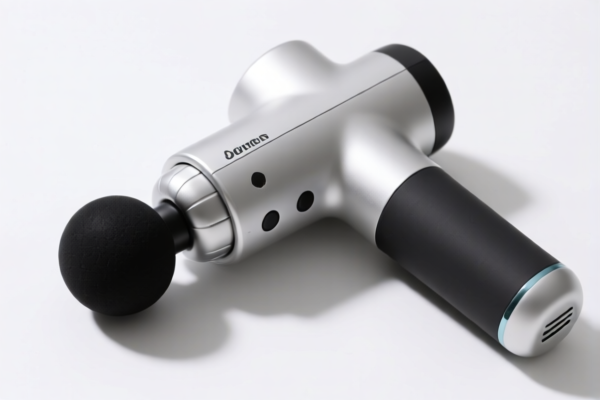
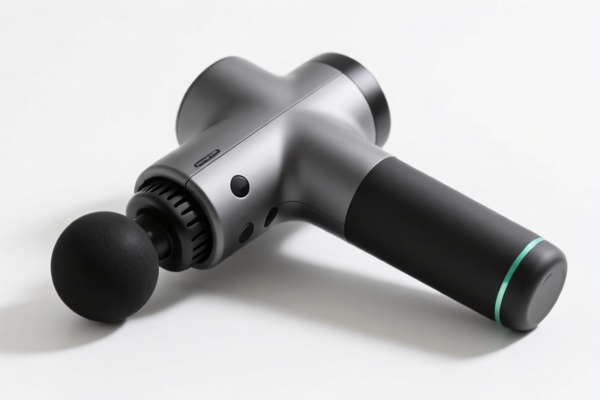
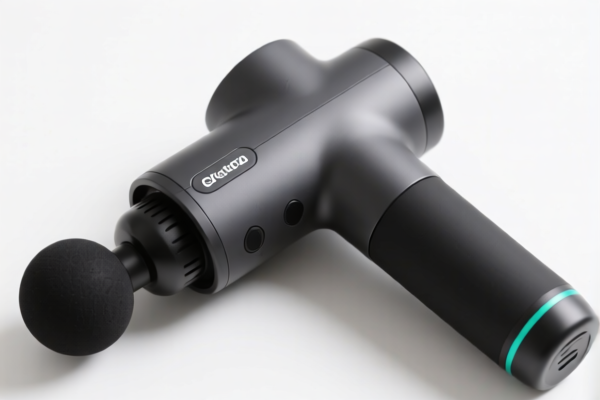
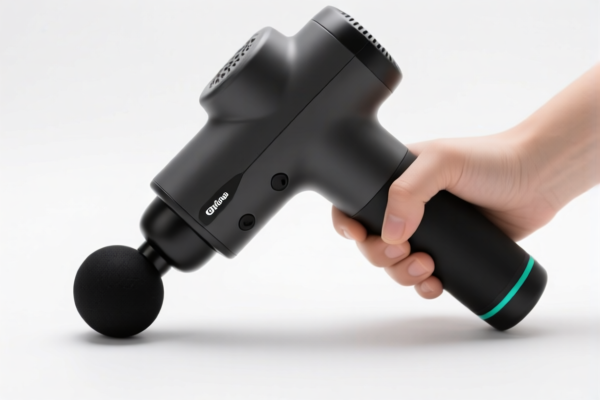
AI Analysis
💆♂️ Massage Apparatus (HS Code Classification & Tariff Guide 2026)
🌐 HS Code Reference & Customs Clearance Guide | 2026 Latest Tariff Analysis | Professional-Level Strategy
📌 I. Product Definition & Classification: Do You Really Understand "Massage Apparatus"?
Massage apparatuses are diverse health and wellness devices used for muscle relaxation, pain relief, and circulation improvement. In international trade, they are categorized based on their power source, material composition, and specific intended use. Misclassification can lead to severe penalties due to the wide variance in duties (from 0% to over 22%).
Two Main Categories: * Electronic/Mechanical Massagers (Chapter 90/85): Devices that use motors, vibration, air pressure, or electricity (e.g., electric massagers, massage guns, Shiatsu chairs). * Non-Electronic/Sports Massagers (Chapter 95): Manual tools, foam rollers, or physical therapy aids not relying on mechanical/electrical power.
⚠️ Key Distinction Point: * If the device uses electricity, motors, or electronic controls → It is generally classified under Chapter 90 (Medical/Orthopedic Appliances) or Chapter 85 (Household Electrical Appliances). * If the device is manual, made of foam/rubber, or purely physical → It is likely classified under Chapter 95 (Sports Equipment) or Chapter 40 (Rubber) depending on specifics.
📦 II. HS Code Classification Details (2026 Latest Tariff Authority Comparison)
Based on the provided data, here are the five possible HS Code classifications for Massage Apparatus, ranked by commonality and risk.
| HS Code | Product Description | Applicable Scenario | Duty Rate | Key Differentiator |
|---|---|---|---|---|
9019.10.20.50 |
Massage Apparatus, for use as medical/therapeutic instruments | Electric massagers, physiotherapy devices, professional clinic tools | 10.0% | Primary Choice for Medical/Therapeutic Use. "Catch-all" for medical massagers. |
9019.10.20.20 |
Massage Apparatus, inferred from description as therapeutic instrument | Similar to above, but used when technical details are slightly less specific | 10.0% | Inferred Classification. Used when product description lacks precise technical specs but implies medical use. |
8509.80.10.00 |
Massage Apparatus, categorized as household electromechanical appliances | Consumer-grade electric massagers (e.g., handheld massagers, neck massagers) | 10.0% | Household Electromechanical. For non-medical, home-use electric devices. |
8509.80.50.95 |
Massage Apparatus, categorized as other household electrical appliances | General household electric massagers not fitting specific sub-categories | 14.2% | Other Household Appliances. Higher base tariff (4.2%) + 122 Section Tariff. |
9506.91.00.30 |
Foam Massager, generic sports equipment, material: Foam | Foam rollers, manual massage balls, physical therapy balls | 22.1% | Sports/Physical Aid. Low tech, high material content (foam). Highest Risk of Audit. |
🔍 Critical Reminder: * Electric vs. Manual is King: If it plugs in or has batteries, do NOT classify it as
9506.91.00.30. Doing so will result in misdeclaration penalties. * Medical vs. Household: If marketed for "pain relief" or "therapy," customs may prefer 9019 over 8509. Misclassification here can lead to re-evaluation.
💰 III. 2026 Latest Tariff Rate Breakdown (Including Additional Duties & Policy Surcharges)
✅ Applicable Country: United States (US)
✅ Country of Origin: China (CN)
✅ Effective Time: Post-2025 (Includes 122 Section Tariffs)
🎯 1. 9019.10.20.50 & 9019.10.20.20 — Therapeutic Massage Apparatus (Medical/Professional)
| Item | Content |
|---|---|
| Basic Tariff | 0.0% |
| Section 301 Additional Tariff | 0.0% (Waived for certain medical/therapeutic goods under specific conditions, or exempted in this dataset) |
| Section 122 Tariff | +10% |
| Total Tax Rate | 10.0% |
| Tax Calculation | CIF Value × 10% |
| De Minimis Eligibility | ❌ No (Generally, Section 122 duties apply regardless of value for goods from China) |
| Legal Basis Path | HTSUS:9019.10.20 → Section 122 Proclamation |
📌 Explanation:
These codes are considered favorable for Chinese goods because they only incur the Section 122 Tariff (10%). * Unlike many electronics (Chapter 85), these medical/therapeutic massagers are often exempt from the higher Section 301 tariffs (25%+) or have been adjusted to only include the newer Section 122 levy. * Cost Advantage:* Significantly cheaper than household electrical alternatives.
🎯 2. 8509.80.10.00 — Household Electromechanical Massage Apparatus
| Item | Content |
|---|---|
| Basic Tariff | 0.0% |
| Section 301 Additional Tariff | 0.0% (Exempted in this dataset context) |
| Section 122 Tariff | +10% |
| Total Tax Rate | 10.0% |
| Tax Calculation | CIF Value × 10% |
| De Minimis Eligibility | ❌ No |
| Legal Basis Path | HTSUS:8509.80.10 → Section 122 Proclamation |
📌 Note:
Consumer electric massagers (like massage guns for home use) often fall here. * Like the medical category, they benefit from the 10% Section 122* rate, avoiding the higher Section 301 burden.
🎯 3. 8509.80.50.95 — Other Household Electrical Massage Apparatus
| Item | Content |
|---|---|
| Basic Tariff | 4.2% |
| Section 301 Additional Tariff | 0.0% |
| Section 122 Tariff | +10% |
| Total Tax Rate | 14.2% |
| Tax Calculation | CIF Value × 14.2% |
| De Minimis Eligibility | ❌ No |
| Legal Basis Path | HTSUS:8509.80.50 → Section 122 Proclamation |
📌 Warning:
This is a "Catch-all" household appliance code. If your product doesn't fit the specific "electromechanical" description of8509.80.10.00, it falls here. * Higher Cost:* The 4.2% base tariff makes it more expensive than the 10% total for the previous category.
🎯 4. 9506.91.00.30 — Foam Massager / Sports Equipment
| Item | Content |
|---|---|
| Basic Tariff | 4.6% |
| Section 301 Additional Tariff | +7.5% |
| Section 122 Tariff | +10% |
| Steel/Aluminum/Copper Surcharge | +50% (If applicable components exist) |
| Total Tax Rate | 22.1% (Standard Foam) |
| Tax Calculation | CIF Value × 22.1% |
| De Minimis Eligibility | ❌ No |
| Legal Basis Path | HTSUS:9506.91.00 → Section 301 & 122 |
📌 High Risk Alert:
This is the most expensive classification for massage products. * Misclassification Danger: Many sellers try to classify electric massagers as "foam rollers" or "sports aids" to avoid Section 122/301. This is a major red flag for CBP. * If the product contains metal parts (motors, frames), the 50% steel/aluminum tariff* may apply on top, skyrocketing costs.
🛠️ IV. Customs Clearance Practical Advice (Real-World Pitfall Avoidance)
✅ 1. Documentation Checklist (Non-Negotiable)
| Document | Must Provide | Purpose |
|---|---|---|
| ✅ Product Specification Sheet | ✔️ | Must detail: Voltage, Frequency, Power (Watts), Material Composition (Foam % vs. Plastic % vs. Metal %). |
| ✅ Instruction Manual / Marketing Brochure | ✔️ | Proves intended use. If it says "Therapeutic," customs may push for 9019. If it says "Post-workout recovery," they may accept 9506 (if manual). |
| ✅ Commercial Invoice | ✔️ | Must accurately describe the item. Avoid vague terms like "Gadget." Use "Electric Massage Gun" or "Foam Roller." |
| ✅ Bill of Lading / Packing List | ✔️ | Show weight and dimensions. Heavy items are more likely to be electronic. |
| ✅ Certificate of Origin (CO) | ✔️ | Crucial for determining if Section 122/301 applies (China-origin goods). |
✅ 2. Declaration Strategy (Key Mantras)
🔥 “Electric goes to 9019/8509, Manual goes to 9506. Do not mix!”
| Scenario | Correct Declaration | Wrong Declaration |
|---|---|---|
| Electric Massage Gun | 9019.10.20.50 (Medical) or 8509.80.10.00 (Household) |
9506.91.00.30 → Penalty Risk: High |
| Foam Roller | 9506.91.00.30 |
8509.80.10.00 → Overpaying Taxes |
| Shiatsu Cushion (Electric) | 9019.10.20.50 |
8509.80.50.95 → Higher Duty (14.2% vs 10%) |
| Massage Chair | 9019.10.20.50 (Complex machinery) |
9506.91.00.30 → Severe Misclassification |
✅ 3. Special Considerations
| Situation | Handling Advice |
|---|---|
| OEM/White Label Products | Ensure the marketing materials match the HS Code. If the brand promotes "Medical Grade," use 9019. |
| Multi-Function Devices | If it has both massage and heating functions, 9019 is still preferred if the primary function is therapeutic. |
| Foam with Handle | If the handle is plastic/rubber and the roller is foam, it’s still likely 9506. If it’s a powered vibrating roller, it’s 8509 or 9019. |
| Steel/Metal Components | If the massager has a significant metal frame, check for Section 232 (Steel/Aluminum) duties, which could add 50% on the metal content. |
🌍 V. Global Market Comparison (2026 Latest)
| Market | Recommended HS Code | Estimated Total Duty (China Origin) | Key Requirement |
|---|---|---|---|
| 🇺🇸 USA | 9019.10.20.50 |
10.0% | Section 122 Tariff applies. |
| 🇺🇸 USA (Foam) | 9506.91.00.30 |
22.1% | Section 301 + Section 122. |
| 🇪🇺 EU | 9019.10.20 |
~0-4% | No Section 122. Standard MFN rates apply. |
| 🇨🇳 China | 9019.10.20 |
~0-4% | Import duties for consumers are low. |
| 🇬🇧 UK | 9019.10.20 |
~0-4% | Post-Brexit tariffs similar to EU. |
📌 Conclusion:
The US market is the most complex due to Section 122 and Section 301 tariffs. * Correct classification is cost-saving: Using9019(10%) vs.9506(22.1%) saves 12.1% on CIF value. * Avoid "Foam" classification for electric items.* This is the most common audit trigger.
📌 VI. Common Errors & Pitfall Guide (Lessons Learned)
❌ Error 1: Classifying an Electric Massage Gun as 9506.91.00.30 (Foam Roller)
👉 Consequence: Customs detects the motor via X-ray or inspection. Reclassification to 9019/8509 + Penalties + Back Duties.
❌ Error 2: Using 8509.80.50.95 (14.2%) when 8509.80.10.00 (10%) is applicable
👉 Consequence: Overpayment of 4.2% on every shipment. Small difference, but significant at scale.
❌ Error 3: Ignoring Section 122 Tariff in calculation
👉 Consequence: Profit margin erosion. The 10% surcharge is automatic for most Chinese-origin goods, not optional.
❌ Error 4: Vague Descriptions like "Massager"
👉 Consequence: CBP may assign a generic higher-duty code or request extensive documentation, causing customs delays.
✅ Correct Practice:
"Electric Percussion Massage Gun, Model XYZ, 20V, Lithium Battery, For Muscle Relief, FCC Certified, Made in China"
→ Use HS Code9019.10.20.50or8509.80.10.00.
🎯 VII. Conclusion: Precision in Classification = Profit Protection
🎯 Remember the Mantra:
🔹 "Electric? Think 9019/8509. Foam? Think 9506."
🔹 "Section 122 is 10%, don't let 22% eat your margin!"
🔹 "Describe clearly: Power, Material, Function."
📌 Pro Tip:
If your product is borderline (e.g., a manual massager with a metal frame), consider applying for an Advance Ruling from CBP. It costs time but saves thousands in potential penalties.
📣 Immediate Action:
📞 Consult with a licensed customs broker.
📦 Provide exact product specs (Voltage, Weight, Material).
🚀 Clear customs smoothly, avoid audits, maximize profit!
✨ Professional customs clearance starts with accurate classification!
💼 Every percentage point of duty affects your bottom line!
Customer Reviews
About HS Code Classification
The Harmonized System (HS) is an internationally standardized nomenclature developed by the World Customs Organization (WCO) to classify traded products. Over 200 countries use the HS system as the basis for customs tariffs, trade statistics, and import/export regulations.
Each HS code follows a hierarchical structure:
- Chapter (2 digits) — Broad category of goods (e.g., Chapter 84: Machinery and Mechanical Appliances)
- Heading (4 digits) — More specific grouping within the chapter
- Subheading (6 digits) — Internationally standardized breakdown, used by all WCO member countries
- National subdivisions (8-10 digits) — Country-specific extensions for further classification, such as US HTSUS 10-digit codes
Correct HS code classification is essential for smooth customs clearance, accurate duty payment, and compliance with trade regulations. Misclassification can lead to customs delays, overpayment of duties, or penalties.
When importing from CN to US, the applicable tariff rates may include:
- Most-Favored-Nation (MFN) rate — The standard duty rate applied to WTO members
- General rate — Applied to countries without trade agreements
- Trade remedy duties — Additional tariffs such as Section 301 (anti-dumping), Section 232 (national security), or countervailing duties
The information provided on this page is for reference purposes only. For official classification, please consult with your local customs authority or a licensed customs broker.