Massage Bed Sheet Set
CN → US| HS Code | Tariff Rate | Origin | Destination | Doc |
|---|---|---|---|---|
| 4818900080 | 17.5% | CN | US | Official Doc |
| 6302219020 | 24.2% | CN | US | Official Doc |
| 6302319020 | 24.2% | CN | US | Official Doc |
| 4818900020 | 17.5% | CN | US | Official Doc |
Product Images
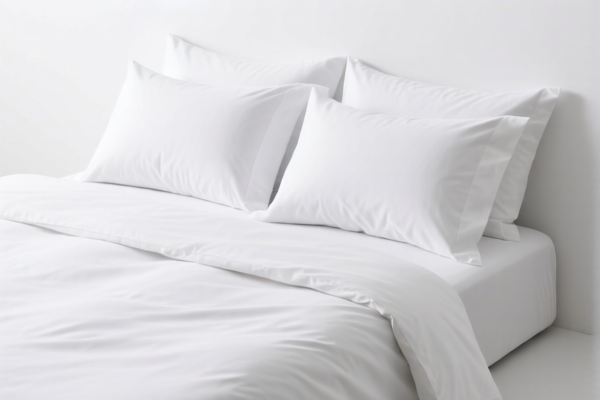
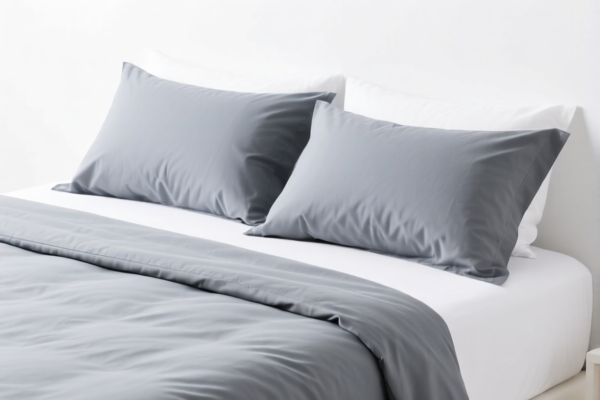
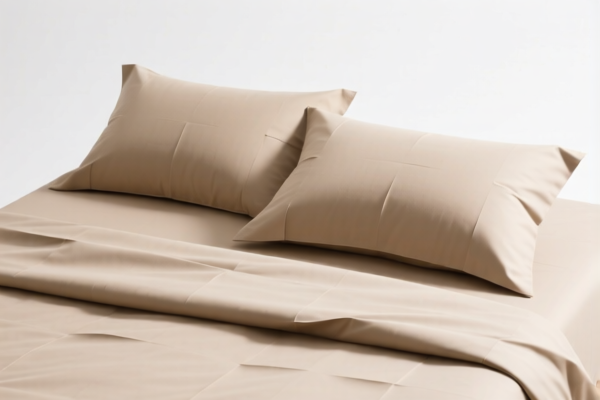
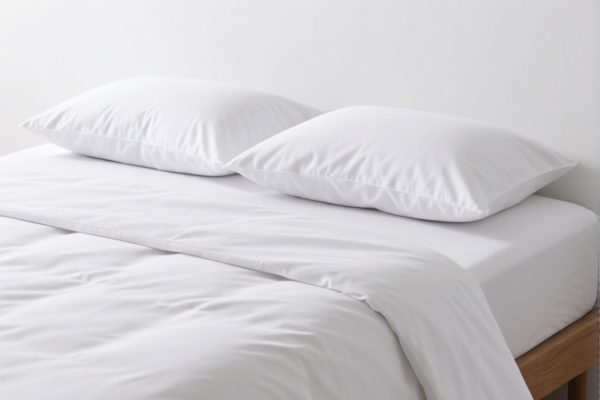
AI Analysis
🛏️ Massage Bed Sheet Set (按摩床单套装)
🌐 HS Code Reference & Customs Clearance Guide | 2026 Latest Tariff Analysis | Professional Compliance Strategy
📌 I. Product Definition & Classification: What Exactly Are "Massage Bed Sheets"?
Massage bed sheets are consumable or semi-durable linens used in therapeutic, spa, salon, and medical environments. Unlike standard household bed sheets, these are often designed for specific hygiene, durability, or disposability requirements. In international trade, they are strictly classified based on material composition and end-use, which drastically affects their Harmonized System (HS) code and duty rates.
There are two primary categories:
1. Paper-Based/Disposable Sheets (Non-Woven or Paper Pulp)
Used for hygiene in spas, nail salons, and massage therapy to prevent cross-contamination. These are single-use or short-life items.
2. Textile-Based/Reusable Sheets (Cotton, Polyester, Blends)
Used for durability and washability in professional massage clinics or high-end spas. These fall under general textile bedding categories.
⚠️ Key Distinction Point:
- If the material is paper, paper pulp, or cellulose fibers → It belongs to Chapter 48 (Paper/Paperboard).
- If the material is cotton, polyester, or blended textiles → It belongs to Chapter 63 (Other Made-Up Textile Articles).
📦 II. HS Code Classification Details (2026 Latest Tariff Authority Comparison)
| HS Code | Product Description | Material | Key Features | Tax Rate (Total) |
|---|---|---|---|---|
4818.90.00.80 |
Massage Bed Sheets, Paper/Cellulose Based | Paper Pulp, Paper, or Cellulose Fibers | Used for household, sanitary, or hospital supplies. Typically disposable. | 17.5% |
4818.90.00.20 |
Massage Bed Sheets, Paper-Based (Hygiene/Beauty) | Paper, Pulp, or Fiber-like Products | Specifically for hygiene or beauty scenarios (e.g., spa rolls, disposable mats). | 17.5% |
6302.21.90.20 |
Massage Bed Sheets, Cotton/Poly-Cotton Blend | Cotton, Poly-Cotton, or Blends | Printed bedding textiles. Reusable, washable, durable. | 24.2% |
6302.31.90.20 |
Massage Bed Sheets, Cotton Made-Up | Cotton | Specifically made-up bed sheets (not printed, or categorized separately from printed). | 24.2% |
🔍 Critical Reminder:
- Paper vs. Textile: Do not mix up paper-based sheets with textile sheets. If it tears like toilet paper or is stiff like a medical drape, it is likely Chapter 48. If it is soft, woven, and washable, it is likely Chapter 63.
- Printed vs. Non-Printed: For cotton items, printed sheets (6302.21.90.20) and non-printed/made-up sheets (6302.31.90.20) are classified differently but carry the same total duty rate in this dataset.
💰 III. 2026 Latest Tariff Rate Breakdown (Including Additional Duties & Policy Surcharges)
✅ Applicable Country: United States (US)
✅ Country of Origin: China (CN)
✅ Effective Date: From Nov 10, 2025 (including subsequent imports)
🎯 1. 4818.90.00.80 & 4818.90.00.20 —— Paper/Cellulose Massage Sheets
| Item | Content |
|---|---|
| Base Duty Rate | 0.0% (Ad valorem) |
| Section 301 Surtax | +7.5% (Additional duty under US Trade Law Section 301) |
| Section 122 Surtax | +10.0% (Specific surcharge under Section 122) |
| Total Tax Rate | 17.5% |
| Tax Calculation | CIF Value × 17.5% |
| De Minimis Eligibility | ❌ Not Applicable (Standard clearance rules apply; small shipments still subject to classification) |
| Legal Basis Path | Base: 0% → Surtax 301: 7.5% → Surtax 122: 10% |
📌 Explanation:
- Although the base tariff is 0%, the Section 301 and Section 122 surcharges significantly increase the cost.
- Section 122 is a specific provision often applied to certain categories of consumer goods from China, adding a flat or percentage-based surcharge.
- Total Effective Duty: 17.5%. This is moderate compared to textile alternatives.
🎯 2. 6302.21.90.20 & 6302.31.90.20 —— Cotton/Textile Massage Sheets
| Item | Content |
|---|---|
| Base Duty Rate | 6.7% (Ad valorem) |
| Section 301 Surtax | +7.5% (Additional duty under US Trade Law Section 301) |
| Section 122 Surtax | +10.0% (Specific surcharge under Section 122) |
| Total Tax Rate | 24.2% |
| Tax Calculation | CIF Value × 24.2% |
| De Minimis Eligibility | ❌ Not Applicable (Textile items often face stricter scrutiny) |
| Legal Basis Path | Base: 6.7% → Surtax 301: 7.5% → Surtax 122: 10% |
📌 Explanation:
- The base duty for cotton/textile bedding is 6.7%, which is higher than paper products.
- When combined with Section 301 (7.5%) and Section 122 (10%), the total duty reaches 24.2%.
- Textile sheets are ~38% more expensive in duty than paper sheets (24.2% vs 17.5%).
- Strategic Tip: If your product is disposable and uses paper/cellulose, classify under 4818.90 to save nearly 7% in total duties.
🛠️ IV. Customs Clearance Practical Advice (Battle-Tested Pitfall Guide)
✅ 1. Required Documentation Checklist (Non-Negotiable)
| Document | Must Provide? | Explanation |
|---|---|---|
| ✅ Product Specification Sheet | ✔️ | Clearly state: "Disposable Paper Sheet" OR "Reusable Cotton Sheet." Include material composition (e.g., "100% Wood Pulp" vs. "60% Cotton/40% Polyester"). |
| ✅ Material Certificate | ✔️ | Proof of raw material. Critical for distinguishing Chapter 48 (Paper) from Chapter 63 (Textiles). |
| ✅ Product Photos | ✔️ | Show texture, packaging, and usage context (e.g., on a massage table). |
| ✅ Commercial Invoice | ✔️ | Description must match HS code exactly: "Paper Massage Bed Sheets, Disposable" or "Cotton Massage Bed Sheets, Reusable." |
| ✅ Packing List | ✔️ | Weight and dimensions. Paper sheets are often lighter per unit but may be bulkier if rolled. |
| ✅ ISF Filing (10+2) | ✔️ | Required for ocean freight. Submit 24 hours before loading. |
✅ 2. Declaration Tips (Key Mnemonics)
🔥 "Material Defines Chapter, Usage Defines Subheading!"
| Scenario | Correct Declaration | Incorrect Action |
|---|---|---|
| Disposable Spa Sheets | 4818.90.00.80 or 4818.90.00.20 |
Calling them "Textile Linens" → Risk of higher duty + inspection |
| Reusable Cotton Sheets | 6302.21.90.20 (Printed) or 6302.31.90.20 (Non-Printed) |
Calling them "Paper" → Misclassification penalty |
| Mixed Pack (Paper + Cloth) | Split Declaration | Declaring as one HS code → Customs seizure or liquidation at highest rate |
📌 Note: If a shipment contains both paper and cotton sheets, they must be declared separately. Do not lump them under one HS code.
✅ 3. Special Handling & Risk Mitigation
| Situation | Recommended Action |
|---|---|
| OEM Custom Printing | If printed, use 6302.21.90.20. Ensure printing does not alter the material nature (still textile). |
| "Hygiene" Labeling | If using terms like "Medical Grade" or "Sanitary," ensure material is clearly documented. Paper sheets are often preferred for hygiene, but must be proven to be non-woven/pulp-based, not cloth. |
| Section 122 Application | Verify if Section 122 applies to your specific subheading. In this dataset, it adds 10% to all listed codes. Plan for this in pricing. |
| De Minimis (800/801/802) | These goods are not eligible for $800 de minimis exemption if classified under these specific HS codes with surcharges. Plan for full duty payment on small shipments. |
🌍 V. Global Market Comparison (2026 Snapshot)
| Market | Recommended HS Code | Est. Total Duty (China Origin) | Key Requirement |
|---|---|---|---|
| 🇺🇸 United States | 4818.90.00 (Paper) / 6302.xx (Cotton) |
17.5% (Paper) / 24.2% (Cotton) | Section 301 + Section 122 Surcharges Apply |
| 🇨🇳 China | 4818.90.00 / 6302.xx |
0% - 5% (Depending on free trade agreements) | Standard Import VAT (13%) |
| 🇪🇺 European Union | 4818.90.00 / 6302.xx |
4% - 6.5% (Standard) | No Section 301/122. CE/REACH compliance if medical. |
| 🇬🇧 United Kingdom | 4818.90.00 / 6302.xx |
4% - 6.5% (Standard) | UKCA marking if applicable. |
📌 Insight:
- The US market has the highest effective duty burden due to Section 301 and Section 122.
- For disposable products, choosing paper-based materials (4818.90) saves ~6.7% in base duty and results in a lower total tax rate compared to cotton (6302).
- Cotton sheets are better for long-term use and branding (print quality), but cost more in duties.
📌 VI. Common Errors & Pitfalls (Lessons Learned)
❌ Error 1: Declaring paper disposable sheets as "Textile Bed Linen" (6302)
👉 Consequence: Wrong HS code → Customs may assess 24.2% instead of 17.5%, or worse, reject the shipment for misdeclaration.
❌ Error 2: Declaring cotton sheets as "Paper Products" (4818) to save duty
👉 Consequence: Severe Penalty. Cotton is not paper. Customs will inspect material composition. Refund duties + fines.
❌ Error 3: Ignoring Section 122
👉 Consequence: Underestimating landing costs by 10%. Profit margins disappear.
✅ Correct Approach:
"Paper = 4818 (17.5%) | Cotton = 6302 (24.2%) | Declare Material Precisely!"
🎯 VII. Conclusion: Strategic Sourcing & Compliance
🎯 Key Takeaways:
🔹 For Disposable/Spa Use: Choose Paper/Cellulose (
4818.90.00) → Lower Duty (17.5%), Hygienic, Eco-friendly (if biodegradable).
🔹 For Reusable/Luxury Use: Choose Cotton (6302.21/31) → Higher Duty (24.2%), Premium Feel, Repeat Customers.
🔹 Total Duty Impact: The Section 122 (10%) and Section 301 (7.5%) surcharges are unavoidable for China-origin goods. Factor this into your FOB pricing.
📌 Pro Tip:
If you are exporting to the US, consider pre-classification ruling from CBP (U.S. Customs and Border Protection) if your product has ambiguous materials (e.g., blended non-woven fabrics). A ruling protects you from retroactive duty changes.
📣 Immediate Action:
📞 Review your Bill of Materials (BOM) → Determine if it's Paper or Textile.
📊 Calculate Landed Cost: Use 17.5% for Paper, 24.2% for Cotton.
🚀 Optimize Margin: Switch to paper-based if disposable, or accept higher duty for premium cotton branding.
✨ Smart Classification = Lower Duties = Higher Profits!
💼 Every percentage point matters in the age of Section 301 & 122!
Customer Reviews
About HS Code Classification
The Harmonized System (HS) is an internationally standardized nomenclature developed by the World Customs Organization (WCO) to classify traded products. Over 200 countries use the HS system as the basis for customs tariffs, trade statistics, and import/export regulations.
Each HS code follows a hierarchical structure:
- Chapter (2 digits) — Broad category of goods (e.g., Chapter 84: Machinery and Mechanical Appliances)
- Heading (4 digits) — More specific grouping within the chapter
- Subheading (6 digits) — Internationally standardized breakdown, used by all WCO member countries
- National subdivisions (8-10 digits) — Country-specific extensions for further classification, such as US HTSUS 10-digit codes
Correct HS code classification is essential for smooth customs clearance, accurate duty payment, and compliance with trade regulations. Misclassification can lead to customs delays, overpayment of duties, or penalties.
When importing from CN to US, the applicable tariff rates may include:
- Most-Favored-Nation (MFN) rate — The standard duty rate applied to WTO members
- General rate — Applied to countries without trade agreements
- Trade remedy duties — Additional tariffs such as Section 301 (anti-dumping), Section 232 (national security), or countervailing duties
The information provided on this page is for reference purposes only. For official classification, please consult with your local customs authority or a licensed customs broker.